NOVEMBER 2025

This was November.

November was for murder.

Mostly.

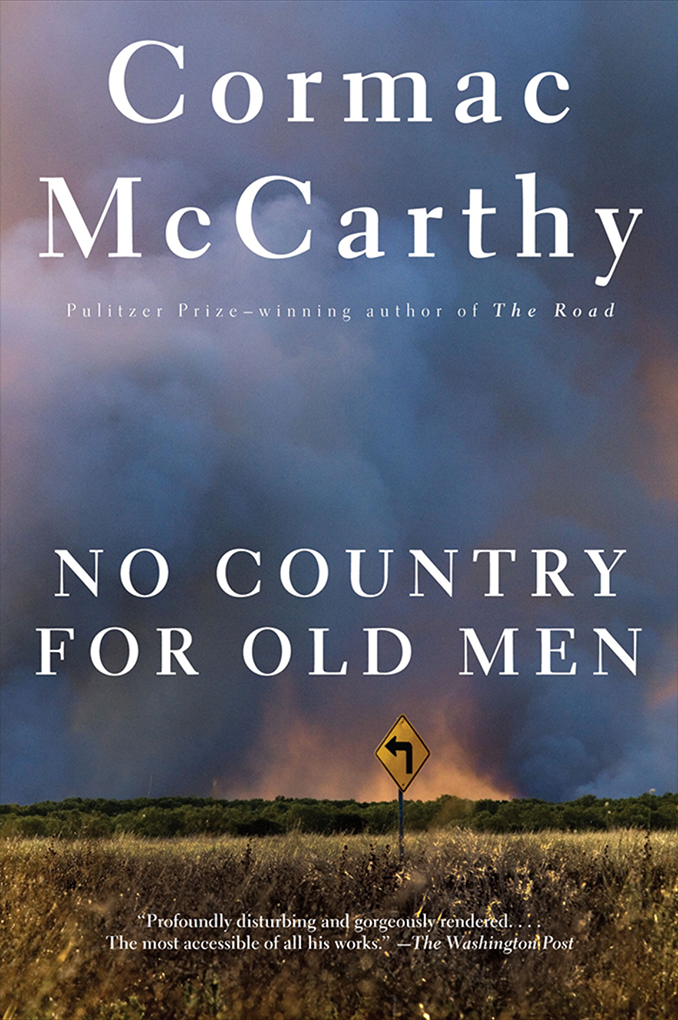
No Country for Old Men by Cormac McCarthy. My first McCarthy. By all accounts, the easiest of his books to get into, which I guess is why I went with it. Still a fairly dense read, though—at least thematically. I thought I would find his famously unconventional writing style off-putting, but I actually loved it. Which, of course, I would: I went from reading stuff like Harry Potter in my early adolescence right into distinctive, experimental books like A Heartbreaking Work of Staggering Genius and The People of Paper in my angsty teenage years. The sheer stylization of these books is a huge part of why I fell in love with them, and I got a similar sensation with this one.

This is, of course, a bleak-as-hell narrative—though not without its heart or charm. I found it quite funny at times. At others, profound. At others still, disturbing. The segment near the end where Moss picks up a teenage hitchhiker and forms a strange and worrying rapport with her that leads—spoilers, I suppose—to both their deaths was unsettling to read in light of the recent revelations concerning McCarthy’s own youthful muse. Something to reckon with when reading the works of proficient, problematic, painfully flawed people.

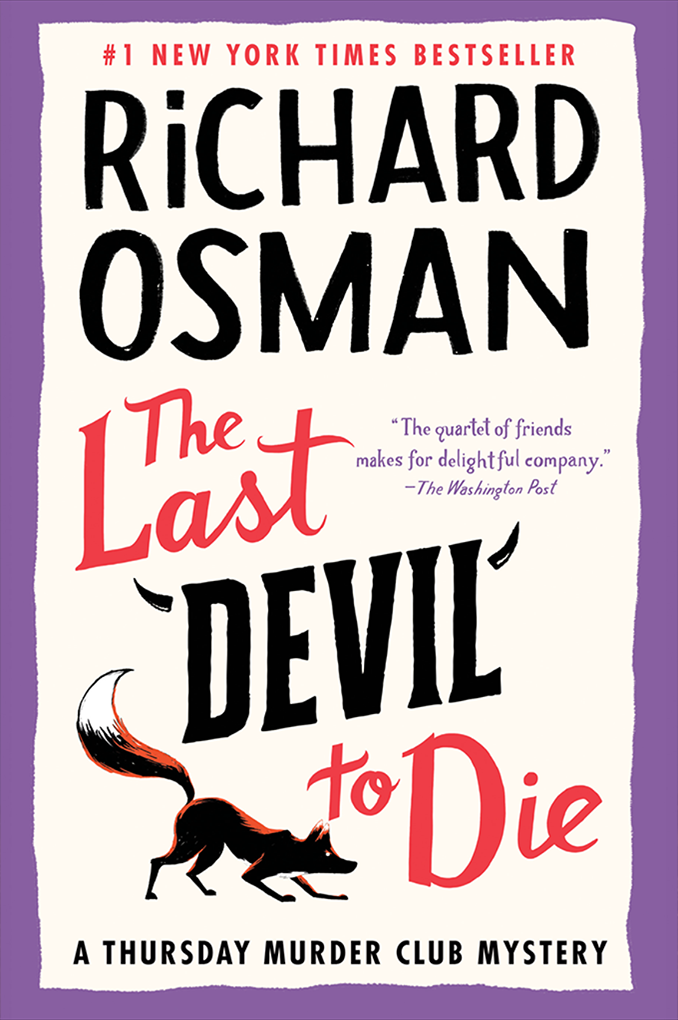
The Last Devil to Die by Richard Osman. I thought the plot was a bit too meandering and all over the place at first, and it seemed to be on track to become my least-enjoyed Murder Club adventure. But then we got to the halfway point—the literal heart of the book, as it were—and I could not stop bawling for the next scattering of chapters, so of course I ended up absolutely loving it. It helps, too, that the twists were all genuinely thrilling and deeply satisfying. Again, some of the most beautiful characters I’ve ever come across. What a gift they all are.

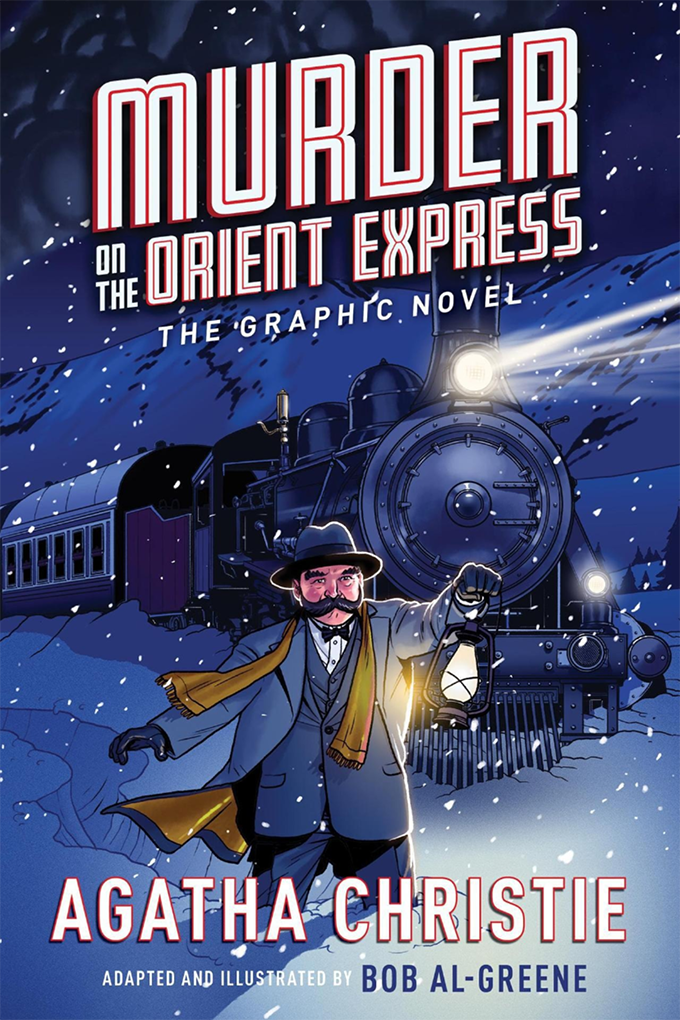
Murder on the Orient Express: The Graphic Novel by Agatha Christie, adapted and illustrated by Bob Al-Greene. A very solid adaptation. I really dug Al-Greene’s portrayal of Poirot, which seems to pay homage to every interpretation of the character: David Suchet’s intense stare, Peter Ustinov’s stocky build, Kenneth Branagh’s ridiculous and amazing mustache. I was very into it. I liked the art style, for the most part, though it did feel somewhat static, at times. I realize these books are mostly just people standing around and talking, but there are, I think, more dynamic ways to portray that. Overall, very good. I was once again reminded how, despite pretty much every adaptation of this story treating it as this huge, sensational case that makes Poirot question the very nature of morality, the book version is very much like, “There’s another case solved. Anyway!” and I’ve always found that discrepancy between renditions highly amusing.

The Impossible Fortune by Richard Osman. Again, I enjoyed reading this because I love these characters so much, but I definitely found this the weakest book yet. It’s overlong and a little aimless. Osman is usually very good at juggling large casts, but with this one, he probably had too many up in the air—he didn’t seem to know quite what to do with them. Characters would unceremoniously disappear for chapters at a time, only to be brought back and contribute next to nothing. Joyce was the most egregious example here—her throughline with Jasper was lovely and thematically rich, and it felt like it was going to play a larger part, only to be more or less put on the back burner. Joyce has always been the beating heart and soul of these stories, so this treatment was fairly disappointing.

That said, I loved everything with Connie, Tia, and Ibrahim. And I particularly loved the subplot with the Ritchies. Kendrick is a wonderful character, and it’s about time Ron got to properly shine in one of these, although all the mentions of his failing health kept breaking my heart. One thing I love about this series is its treatment of its elderly characters: they’re proper grafters and go-getters—roles we don’t normally see people their age in—and that’s always a fun and thrilling thing. But it doesn’t shy away from the reality of aging. These are people in their twilight years, after all, and their bodies and minds are slowly but surely giving out on them. That doesn’t mean they shouldn’t have their dignity, however, and Osman does his damnedest to give it to them. It’s the most poignant aspect of these books, and a large part of why I will keep returning to them.

Medium Raw by Anthony Bourdain. At least once a year, I find myself intensely missing Bourdain’s voice. Usually, I just watch one of his shows again (the underappreciated—even by Bourdain himself—The Layover remains one of my comfort shows). This time I went for another of his books. This is actually only my second Bourdain book. I don’t know why it’s taken me so long to get to them. (That’s not exactly true—the reality is that they make me sad.)

This is more a collection of essays, and the balance can sometimes leave a lot to be desired. There are some “hit pieces” that fall flat, mostly because they feel like Bourdain holding on to the remnants of a past, rowdier self. There are others that ring more true, because the anger behind them comes from a righteous place. But, as always, Bourdain is at his best when he writes outside of himself. He was, above all, an enthusiast, and that comes through the most in the pieces that focus on fellow culinary figures and past colleagues he still admires and respects.

The best of these essays happen to come back-to-back: his particularly professional profile of David Chang and his affectionately tender and reverent ode to Justo Thomas, the fish butcher at Le Bernardin. My absolute favorite piece, though, is “Lust,” a rapturous, orgiastic, around-the-world tour in which Bourdain tells us about some of the great dishes he’s had, the places that influenced them, and, most importantly, the people who made them. A bloody valentine indeed.

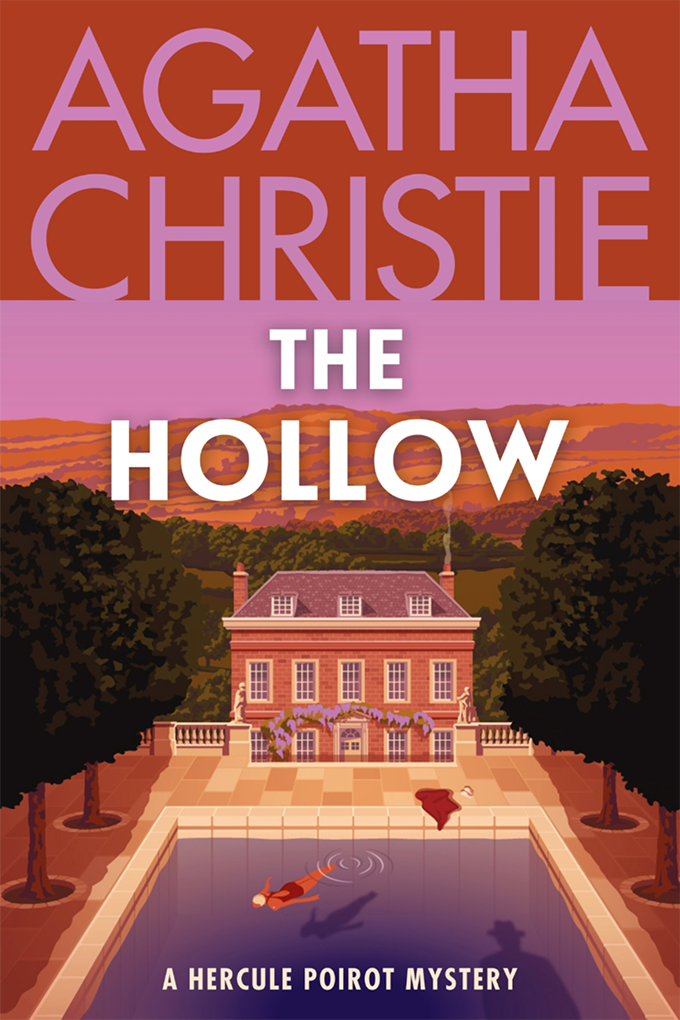
The Hollow by Agatha Christie. This one took a while to get going, but once it did, I found it to be one of Christie’s most thought-provoking and psychologically nuanced books—of the ones I’ve read so far, at least. There are a lot of interesting attitudes and viewpoints explored here. Lady Angkatell is the most conspicuous example, of course. She’s so very clearly a neurodivergent character, and it’s fascinating to read about this from the perspective of someone who never really had the proper language for it. It’s an empathetic portrayal, to be sure, but also a condescending one, what with all the talk of the matriarch’s nature being childlike and ethereal, almost like a faerie—not a proper person, in other words. I did love that she was a bit of an asshole, though, rather than an ingénue. Neuroatypical folks can be assholes! (The role of the ingénue is instead fulfilled by the victim’s precocious son.)

Then there’s Henrietta, whom Christie uses to explore how creative people can sometimes feel disconnected from their emotions and reality, as though they’re observing their own lives from a distance. It’s a theme I’ve read a lot about, but I love Christie’s approach here: somewhat tortured, somewhat bohemian, all charm. Everyone in this book turns out to be a terrible person, in varying degrees (the victim most of all—being a controlling, misogynist creep, yet beloved and idolized by everyone, including the author, which was only slightly infuriating), but it can’t be said they were not fascinating. And, of course, there’s Poirot, who’s portrayed in a rather puckish fashion here, witnessing it all from a distance with a macabre sort of glee (which is another theme in the story). I liked it a lot.

“On the First of November, the Ghosts Arrive” / “The Dark Feels Different in November” / “The Alchemy of November” / “All This Blood and Love” / “Death’s Footsteps” by Nina MacLaughlin. I read “On the First of November, the Ghosts Arrive,” the opening essay in a meditative series about the nature of November, last year, and was so struck by it that I resolved to make it a tradition to read it every year. This time around, I thought it would be a fine idea to read the rest of the “Novemberance” pieces throughout the month—and it was. MacLaughlin’s writing is nothing if not spellbinding and soulful, perfectly encapsulating the ethereal essence of this most haunting of months.

And that was my bloody November. Probably my best reading month in this entire annus horribilis. Certainly the most enjoyable. I’m finally feeling my spirits lifting somewhat, which is about damn time. I would very much like to close the year out feeling at least a little like my old self. 

Up next, properly: Christmas.


BOOKS BOUGHT—MURDER MOST MERRY:

  • Murder on the Orient Express: The Graphic Novel by Agatha Christie, adapted and illustrated by Bob Al-Greene
  • The Impossible Fortune by Richard Osman
  • The Meaning of Night by Malcolm Cox
  • Christmas Sweater Weather by Jacqueline Snowe
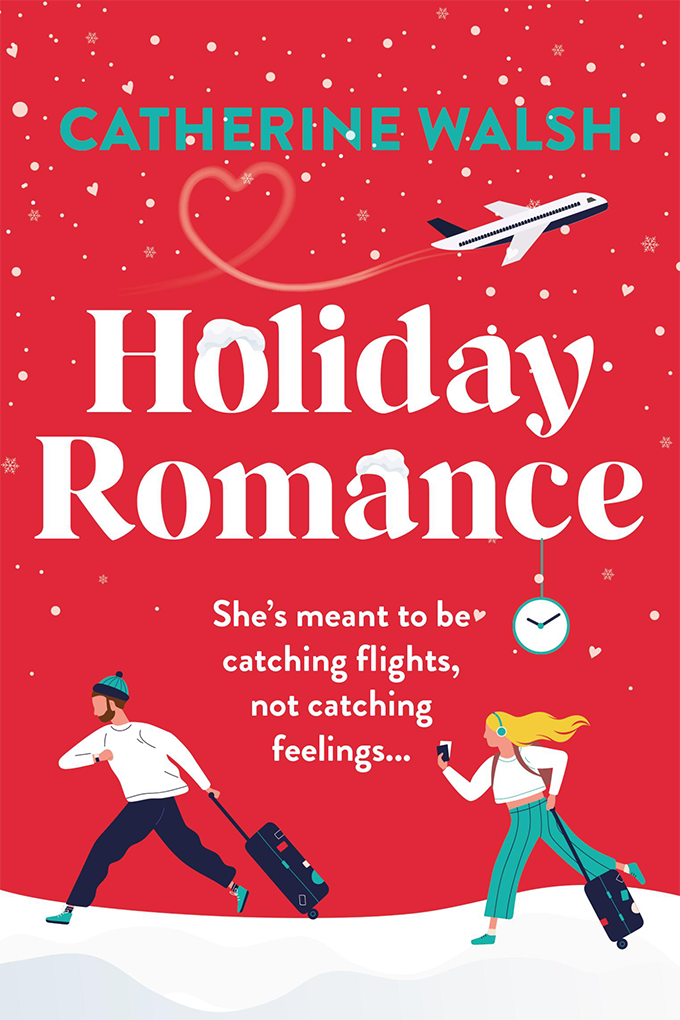
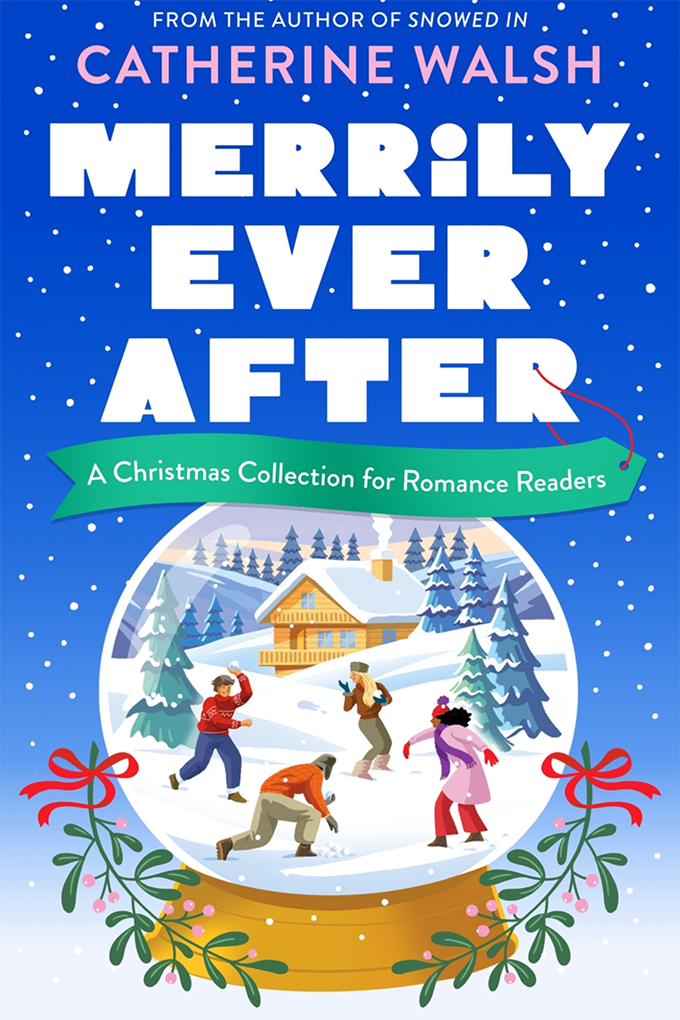
  • Merrily Ever After by Catherine Walsh
  • Told After Supper: Ghostly Tales for Christmas Eve by Jerome K. Jerome
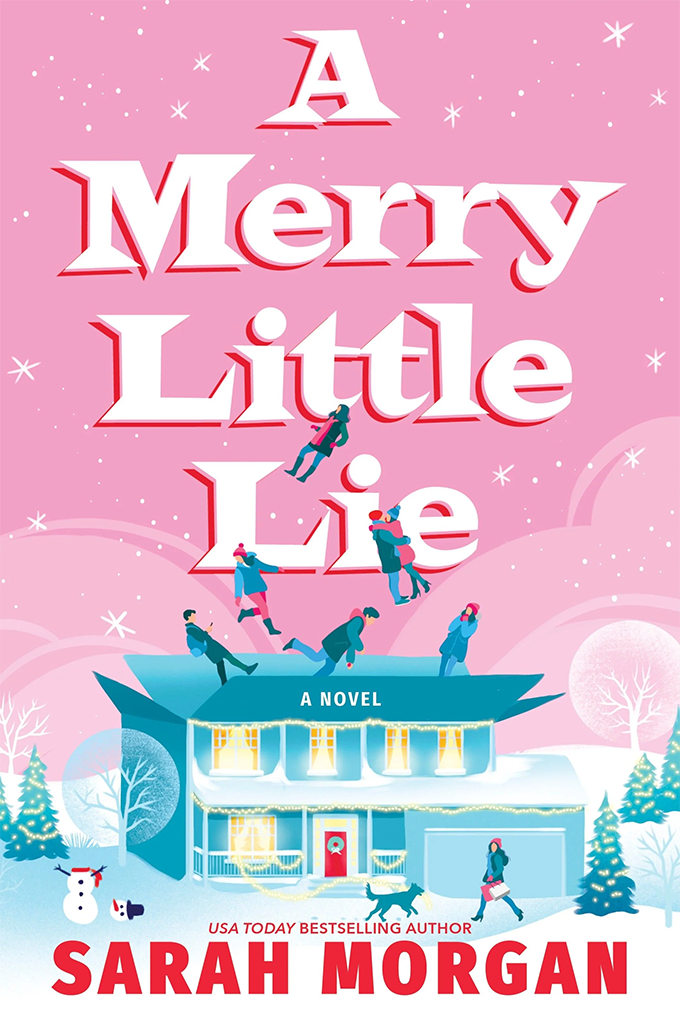
  • A Merry Little Lie by Sarah Morgan

THE NOWHERE BEAST by Leslie Vedder

This review first appeared in Booklist on December 1, 2025.

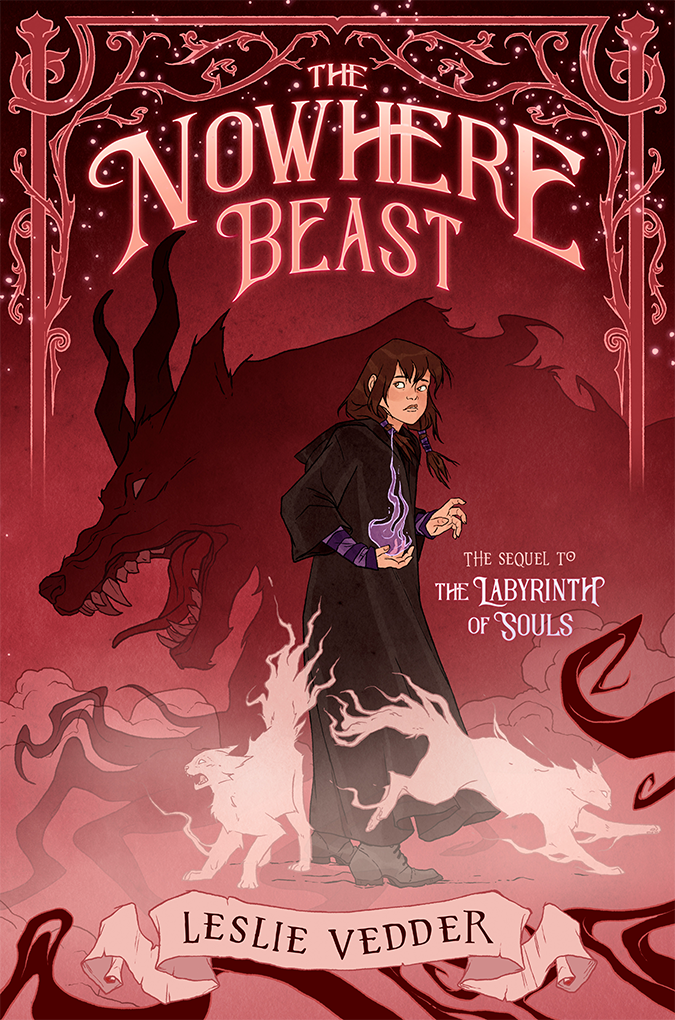
Ix Tatterfall has everything she thought she wanted: a relationship with her parents, friends (part-Nightmare Morrigan Bea and literal bookworm Oliver Pembrook), and a place to call home (the magical school of Covenant Keep). So why has she been feeling increasingly hollow inside lately? Before she can find an answer, Ix and her friends are summoned back to the school, where long-dead members of the Candle Corps are rising as ghosts, heralding the start of an ancient ritual meant to reinforce the school’s protections against threats from the Labyrinth. But the arrival of the mysterious Nowhere Beast threatens to drag not only Covenant Keep, but the whole of the Waking World, into Nothing. To save the friends and Nightmares she loves, Ix will have to face the Nothing stirring within her . . . or be devoured by it. In this ambitious sequel to The Labyrinth of Souls (2025), Vedder continues to expand her whimsical world and the characters who inhabit it, exploring themes of resentment, remorse, and the unrelenting ways we struggle to feel whole.

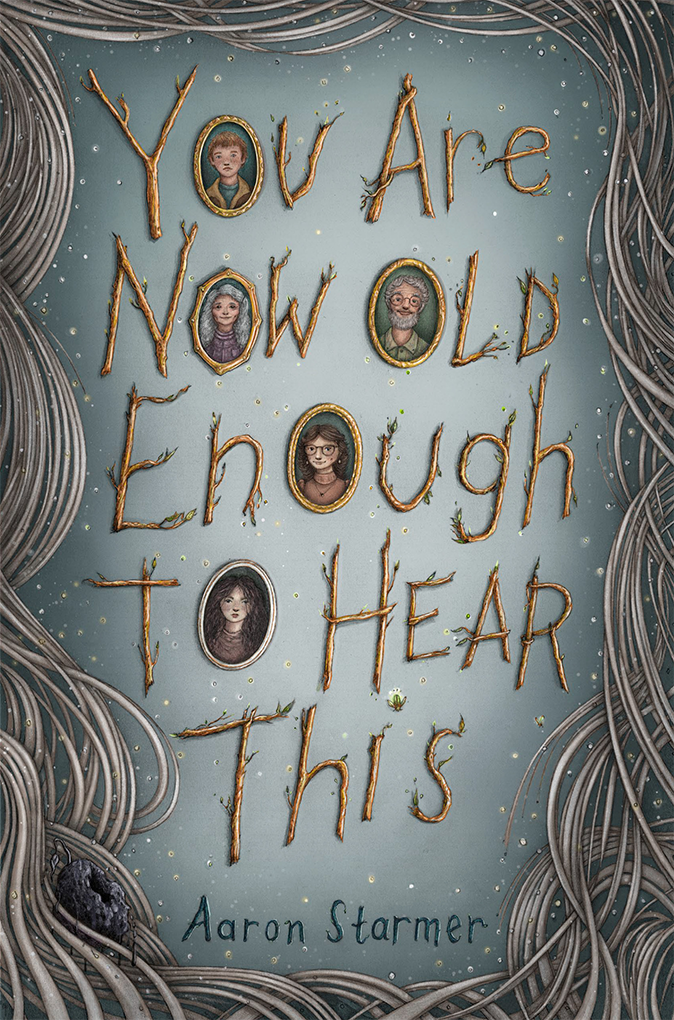
YOU ARE NOW OLD ENOUGH TO HEAR THIS by Aaron Starmer

This review first appeared in Booklist on December 1, 2025.

Twelve-year-old Roman is the youngest in a large family with a complicated history full of secrecy and mystery. Everyone appears determined to keep him in the dark about most things, leaving him feeling lonely and isolated. The only family member who truly connects with Roman is Grandpa Henry, a weird and wonderful man who loves spinning unusual yarns, the oddest of which involves the loss of his toe and how it heralded the arrival of the Toe Beast—a story that spooks Roman so much he’s never had the courage to hear it all the way through. When Grandpa Henry passes away suddenly, Roman is tasked with clearing out his old house. There, he stumbles upon a smattering of unusual objects that seem to lend credence to his grandfather’s odd tales. These discoveries set Roman on a fantastic and bewildering journey through the tangled past, where he will uncover not only the secrets that make his family extraordinary but also the courage to carve out his own place within it. Brimming with heart and creativity, Starmer’s strange and spellbinding story of family, kinship, and coming of age is a triumph of imaginative storytelling that belongs on the same shelf as other offbeat classics of children’s literature like Lemony Snicket’s A Series of Unfortunate Events and Catherynne M. Valente’s Fairyland series.

OCTOBER 2025

Hello. This was October.

“Universal Horror” by Stephen Graham Jones. A fun, quick read with a lot of eerie, urban legend vibes. I was into it. Again, I really need to read more SGJ. Perhaps a novel, even! One of these days perhaps!

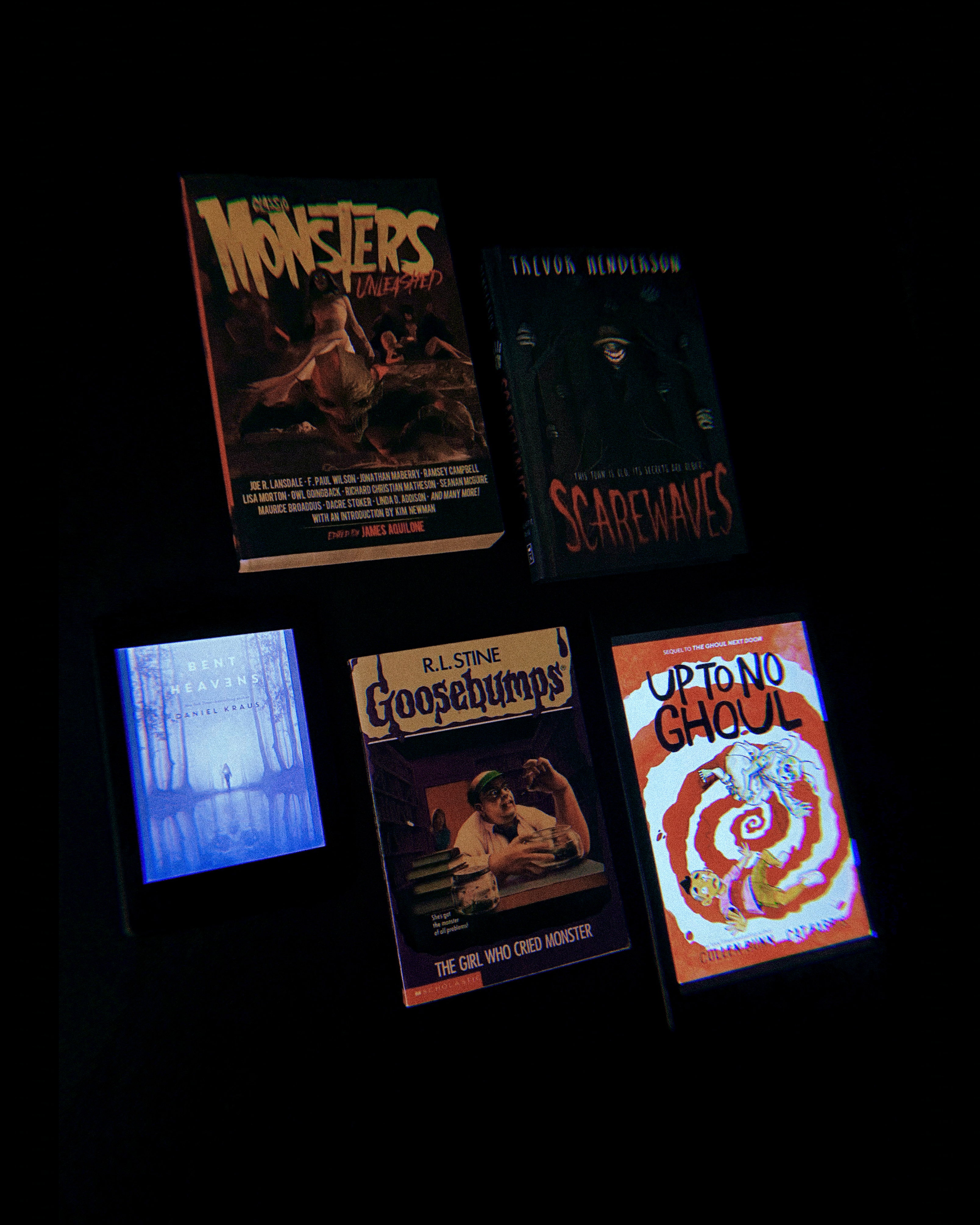
Up to No Ghoul by Cullen Bunn, Cat Farris. It’s been a few years since I read the first book in this series and, to be perfectly honest, I had forgotten most of the particulars. I do remember really enjoying it, though—especially the art. I had much the same experience with this sanguinary sequel. Bunn’s writing is always effortlessly creepy and cozy, and Farris continues to impress with her dynamic imagery—her splash pages, in particular, are always spectacular. Charming, whimsical, and wonderfully illustrated. Delightful stuff.

“Ghostmakers” by Warren Ellis. More of a flash-fiction piece, really, Ellis excels at those. This was rad and fascinating and I wish it were a more proper, fleshed-out short story.

Classic Monsters Unleashed edited by James Aquilone. The only book I read from my admittedly overly ambitious TBR for this Halloween season. I may not have felt up to tackling big books this year, but I still very much wanted to read some short stories throughout the month. This turned out to be a really fun collection, and I was thrilled to see that many of the featured authors absolutely understood the assignment. There were some duds, of course, but that’s just the nature of anthologies. Mostly, though, it’s chock-full of very clever, captivating, and surprisingly subversive takes on the famous and familiar fictional fiends. Favorites: “They Call Me Mother” by Geneve Flynn, “Dreams” by F. Paul Wilson, “Blood Hunt” by Owl Goingback, “The Viscount and the Phantom” by Lucy A. Snyder, “Modern Monsters” by Monique Snyman, “Beautiful Monster” by JG Faherty, “The Nightbird” by Michael Knost, “Moonlight Serenade” by Gaby Triana, “Dead Lions” by Richard Christian Matheson, “Hacking the Horseman’s Code” by Lisa Morton, and “You Can Have the Ground, My Love” by Carlie St. George, “God of the Razor” by Joe R. Lansdale.

The Girl Who Cried Monster by R.L. Stine. My Goosebumps book for this season! It was okay! It’s a Goosebumps book! It does have one of my all-time favorite twists in the series, I think. Just delightfully schlocky. I usually watch the corresponding episode of the TV show, but I simply forgot this time around. I’ve seen it before, of course, and I remember thinking it was one of the better episodes—mostly due to some excellent make-up effects.

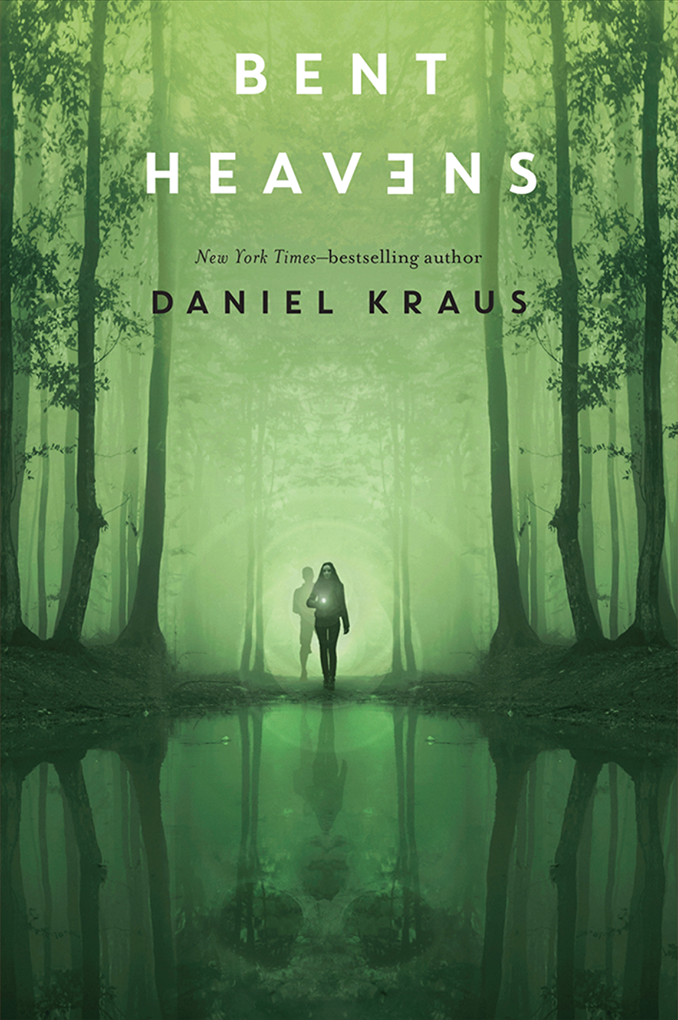
Bent Heavens by Daniel Kraus. A brutal and truly terrifying story about how far people will go to demonize what they don’t understand. This may ostensibly be a young adult novel, but some scenes are so relentless in their intensity that they disturbed me far more than much of the mature horror I’ve read over the years. This went nowhere I expected it and it’s all the better for it.

Birthday Party Demon by Wendy Dalrymple. Read this while at my nephew’s second birthday party, natch. I needed a palate cleanser after the intensity of Bent Heavens. A fun and harmless riff on the style of young adult horror that dominated the nineties. I enjoyed all the aesthetics and some of the genuinely unsettling scenarios. I also liked the inclusion—modest as it may be—of queer elements, something that certainly wouldn’t have been an explicit thing back in the nineties. And although Dalrymple wears her influences on the sleeves of her dELiA*s henley top, I was still surprised by the twist ending.

Scarewaves by Trevor Henderson. This was a blast. The Scary Stories to Tell in the Dark influence is palpable, and this reads like a slightly more focused take on that kind of collection of creepy tales. I do wish the connective throughline had been introduced earlier in the book, though—it would have gone a long way toward making it feel like a far more concrete and cohesive story, and less like an arbitrary assortment of spooky scenarios (fun as they are). That said, the true star here is Henderson’s artwork, which, as anyone who has followed his invariably viral online creations would expect, is delightfully unhinged.

“The McAlister Family Halloween Special” by Cameron Chaney. Super fun, super short story. Chaney is great at cozy-yet-consummately creepy horror. Great stuff.

“The Emissary” by Ray Bradbury. I’ve never really gelled with Bradbury’s style. It’s full of a certain grandiloquence and sentimentality that I mostly find superficial rather than sincere—which is tragic, because I know Bradbury is one of the most earnest writers of the twentieth century, but what can I tell you. So I was very much ready to shrug this story off—at least, until that rug-pull of an ending kind of blew me away. Deliciously creepy, but also very sweet in a macabre sort of way? I loved it, and sadly, I can’t say that about most of the Bradbury stories I’ve read.

Pumpkinheads by Rainbow Rowell, Faith Erin Hicks. Tradition dictates.

🎃

And that was Halloween. A lot more subdued than previous years, to be sure, but I’m still glad I managed to read a decent amount of scary stories, despite the darkness.


BOOKS BOUGHT—A MYSTIFYING MELANGE:

  • Gates of Fire by Steven Pressfield
  • American Psycho by Bret Easton Ellis
  • A Grief Observed by C.S. Lewis
  • Letters from a Stoic by Seneca
  • Lincoln in the Bardo by George Saunders
  • Scarewaves by Trevor Henderson
  • The Rose Field by Philip Pullman
  • The Haunted Looking Glass edited by Edward Gorey
  • Helloween by Duncan Ralston

THE BLACK MARKET by Jed Alexander

This review first appeared in Booklist on November 5, 2025.

When his enigmatic, globe-trotting great-aunt drops by bearing some bizarre boots, she claims to have gotten from a secret traveling bazaar, where, every Halloween, merchants meet to swap rare, forbidden, and downright dangerous items, Martin—a lover of all things spooky—immediately wishes he could see the lurid place for himself. On Halloween, Martin and his best friend, Jess, manage to find the mysterious market, and he impulsively trades his aunt’s gifts for a Bag of Dirty Tricks. At first, the Tricks seem harmless, but they soon turn meaner and darker. Concerned, the kids ditch the Bag, but when reports of strange and gruesome pranks sweep through town, they realize someone else has unearthed the sinister sack. Determined, the duo sets out to track down and stop the Bag’s new holder before the nastiest Tricks are unleashed. Accompanied by the author’s lively, expressive illustrations, this suburban Halloween romp brims with charm, playful humor, and a delightful dash of the grotesque. An ideal treat for fans of The Halloween Moon (2021), by Joseph Fink, and the Monsterstreet series, by J. H. Reynolds.

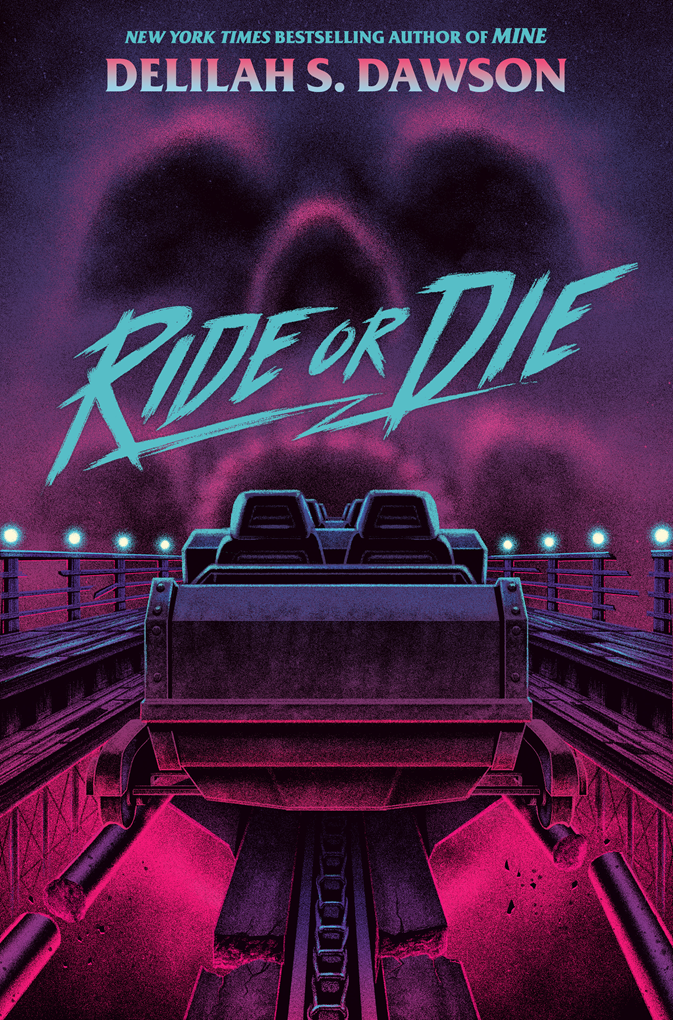
RIDE OR DIE by Delilah S. Dawson

This review first appeared in Booklist on November 5, 2025.

Brie Turner just wants to start over: new school, new friends, new priorities—a new identity. Anything to leave behind the humiliating incident involving her family that made her switch schools in the first place. So when she helps Emily—queen bee of the Ems, the most popular group of girls in school—win a field day race and gets invited to her birthday party at Wildwoods, the town’s storied amusement park, Brie hopes she’s finally found the fresh start she’s been longing for. Except the Ems play mean, and when a game of Truth or Dare goes awry, Brie ends up trapped in the park’s abandoned section, accidentally awakening a long-buried menace that quickly turns her social gamble into a full-on fight for survival. Dawson deftly blends roller-coaster thrills, scary-movie tension, and middle-school drama in this sharp, fast-paced story about friendship, family, and finding out what you’re really made of when the true monsters show up. A perfect ride for fans of other spooky, suspenseful theme-park thrills, like Kiersten White’s Wretched Waterpark (2022) and K. R. Alexander’s Escape (2022).

“THE RAVENOUS GLOOM” by Ricardo Reading

Hello. I have written another thing

My grand, lofty Halloween plans may not have come to fruition due to lack of spirit and stamina, but I still very much wanted to do something to mark the season. So here’s a piece of flash fiction, as a ghoulish little treat.

As a perpetually frustrated and easily distracted creative person, I’m forever trying out new and fresher ways to come up with ideas. For about a month last year, during a phase when I wanted to get back to drawing regularly again, I tried to do a little sketch of the most interesting image my brain had managed to conjure up during the day. One particularly gloomy evening, I drew a goblin kind of thing, and, on the opposite page, wrote about wishing there were creatures that would come and take all the negative thoughts out of my head at night while I slept. And that’s where this story came from.
May the goblins eat away the gloom in your life, too—though hopefully in a much gentler way.

Happy Halloween. 🎃

SEPTEMBER 2025

This was September.

Mystery James Digs Her Own Grave by Ally Russell. Get yourself pals who write excellent spooky stories—your reading life will be infinitely more interesting. This was great! I enjoyed it a lot, although not quite as much as I did Russell’s first endeavor (It Came From the Trees positively crackled with urgent, exhilarating energy, whereas this one feels mildly meandering). Still, there’s plenty to love here. “Plenty” being the operative word, because there are so many things going on in this story: sleep paralysis and ghosts and phantosmia and mortuary lessons and grave robbing and vampires and—! It should be entirely too much for any one author to handle, but Russell does an admirable job pulling all these seemingly disparate threads together by the end. (Knowing this is the first part of a duology certainly helps, since it means more room for these distinct themes to further coalesce.)

I continue to love seeing Russell’s deep-rooted found-footage horror influences play out: glitching ghosts make for a wonderfully terrifying visual, and the notebook interludes between chapters do a lot in terms of world-building, as well as being, you know, just plain fun. 

While I may not have found the plot of Mystery James as strong as that of her debut, Russell has clearly leveled up her character work—which is saying something, since it was already the strongest aspect of Trees. The supporting cast (from best friend Garrett to Tía Lucy to newfound acquaintance Eliza) all feel like real, rounded, grounded people, and Mystery herself is simply an immediate icon—which, of course, was the goal. In the acknowledgements, Russell writes about wanting to create a character who would not only fit seamlessly into the pantheon of iconic ghoulish girls—alongside Wednesday Addams, Fiona Phillips, and Lydia Deetz—but also give young Black and Brown girls a chance to “see themselves through her supernatural lens.” In that sense, Mystery James—the graveyard girl who smells ghosts and lives in a funeral home and keeps spiders in her hair—is a resounding success.

Amphigorey Also by Edward Gorey. Another perfectly inscrutable collection from a perfectly inscrutable individual. I didn’t find it as strong as the first Amphigorey volume, but it’s definitely wilder and weirder (which is saying something). There’s a lot here, I think, that made sense to only Gorey himself, if at all (which is, of course, how he would have liked it). The more “traditional” (for lack of a better word) little books are, naturally, perfectly intricate and fastidious affairs. Among my favorites: The Epiplectic Bicycle (a splendidly stark selection of increasingly surreal non-sequiturs); Les Passementeries Horribles (oddly ominous and exceptionally eldritch); L’heure Bleue (a strikingly stylistic, delightful doggerel); The Awdry-Gore Legacy (a marvelously meta, murderous manuscript); The Glorious Nosebleed (another absurdly amusing abecedarium); The Loathsome Couple (a lugubrious and lurid little lay); The Stupid Joke (a terrifically terrible tale); The Prune People (mesmerically Magrittean); The Tuning Fork (an uncanny, nautical narrative). 

We love Edward Gorey in this house.

Written Lives by Javier Marías, Margaret Jull Costa (translator). An okay but deeply amusing read for me. In the prologue, Marías writes about his intention to treat these large literary legends as mostly fictional figures, given that most were long dead and their biographies burdened with embellishments. In this way, I suppose I’m the ideal reader for this book, as I had only a passing knowledge, if any, of many of the distinguished dignitaries discussed in this slim volume, and so their eventful, fanciful, often extravagant lives would have read like fantastic fiction to me regardless.

In a lot of ways, Written Lives reads like a modern, more literary version of Plutarch’s Lives, sharing that classical volume’s penchant for brief biographies that are as full of sensational gossip and racy rumors as they are of irrefutable facts. This, as you might imagine, makes for a fun and fairly flippant read—but also an unexpectedly poignant one at times—since by going with this fictionalized approach, Marías actually ends up humanizing his beloved scribes with all their elaborate, likely imagined foibles and follies. It’s funny how that works.

Anyway, the entries I enjoyed most were curiously about the figures I knew next to nothing about (Giuseppe Tomasi di Lampedusa, Madame du Deffand, Vernon Lee). But it’s the final section—a sort of impromptu epilogue where Marías “reviews” the portraits of celebrated writers he’s collected over the years, drawing increasingly ludicrous and improbable conclusions from the tiniest, most arbitrary details—that I found most fascinating. More than in the preceding biographies, it’s in this segment that Marías’s genuine, almost idealistic impressions of these literary luminaries shine through, and it’s a delight to read.

Bad Dreams in the Night by Adam Ellis. I’m a huge fan of Ellis’s horror work. It often feels timeless, like early internet creepypastas or classic urban legends, but then Ellis will add these touches of modernity—present-day tech, matter-of-fact representation, contemporary colloquialisms—that make his stories feel much more immediate and engaging. Ellis’s art continues to amaze. When I first started following his work many moons ago, it leaned toward the “typical” webcomic style of the time, but has since evolved into something far more intricate and nuanced. His ability to emulate a myriad of aesthetics and moods—from Ito-esque manga to found-footage films to even Victorian-era penny dreadfuls—will never not be impressive. Great stuff. Favorites: “Me and Evangeline at the Farm,” “Bus Stop,” and the brilliantly creepy closer, “Viola Bloom.” 

And that was September. I had grand plans for October, let me tell you, but to be perfectly honest, now that it’s finally here, I find myself not feeling things at all this year. So this Halloween month may be more muted than you might have come to expect from this humble horror reader. Still, I hope to get through at least a few ghastly books this haunting season. We’ll see.


BOOKS BOUGHT—A GALLIMAUFRY:

  • No Country for Old Men by Cormac McCarthy
  • So Many Books: Reading and Publishing in an Age of Abundance by Gabriel Zaid
  • Mystery James Digs Her Own Grave by Ally Russell
  • Amphigorey Too by Edward Gorey

BEAUTIFUL BRUTAL BODIES by Linda Cheng

This review first appeared in Booklist on October 1, 2025.

After several of her fans mysteriously die during one of her livestreams, guilt weighs heavily on young singer-songwriter Tian. It doesn’t help that, due to an unusual affliction, she’s rarely allowed to leave her guardian’s estate. So when her usually austere auntie recommends a restorative retreat on an island near Hong Kong, she jumps at the opportunity. Accompanied by Liya, her devoted but distant best friend and bodyguard, and Shenyu, her enthusiastic songwriting partner, Tian looks forward to a restful reprieve from her restrictive life. Once there, however, they begin to suspect that the surreally serene resort and its congregation of attendants might be more cult than commune—and they may harbor sinister intentions toward the group of friends. The resolute trio must uncover their connection to the ethereal island before their bodies are brutally sacrificed to its legend. Cheng explores themes of love, legacy, and the redemptive act of letting go in this sapphic follow-up to Gorgeous Gruesome Faces (2023). Perfect for fans of Trang Thanh Tran’s She Is a Haunting (2023) and E. Latimer’s The Afterdark (2025).

PENNIES by Lora Senf

This review first appeared in Booklist on October 1, 2025.

The people of Blight Harbor are no strangers to strange happenings. As residents of the seventh-most haunted town in America, they’re used to the sight of ghosts and having vampires for neighbors. They’re even fine with the occasional appearance of portals to a perilous underworld—where a dark sun hangs in a bruise-colored sky—so long as those doors are quickly sealed shut by the ever-vigilant townspeople. But a recent string of disappearances has everyone on edge, and when friends Mae, Lark, Brigid, and Claret stumble upon a door that none of the adults seem to see, they can’t shake the feeling it’s somehow connected. Then Brigid’s cousin, Emilia, goes missing, and the group suspects that Johnny Pope, the local miscreant, may have used the door to hide her away in the Dark Sun Side. The girls venture through the door, hoping to find their friend before something terrible happens, and they quickly discover that the worst kind of monsters often wear a human face. Senf returns to the world of The Clackity (2022) in this imaginative prequel set 100 years prior, telling a story that beautifully balances fantastical and frightening elements with a wonderfully nuanced and heartfelt portrayal of friendship. Alive with atmosphere and character, this creepy, captivating read will appeal to both longtime fans of the established series and newcomers alike.