JANUARY 2025

Hello. This was January, when I promptly got sick right after my ordeal of a house move and remained ill for the entire duration of the month. At the time of this writing, my body is just now starting to get rid of all the crud. Fun times. Not the most auspicious of beginnings to a new year, needless to say, but it’s not the hand you’re dealt it’s how you play your cards or however the saying goes I don’t care I am just so over being sick.

Maladies notwithstanding, I still managed to get some decent reading in, because that is what I do.

“Proposal for a book to be adapted into a movie starring Dwayne The Rock Johnson” by Robin Sloan. Mentioned this in my previous wrap-up, so of course I had to read it again. An engaging and entertaining piece of short fiction—albeit a little naive in retrospect, given all we’ve learned (mostly against our will) about The Rock lately. I fully believe Johnson could still become president one day, and I am finding that notion less and less amusing.

The Fellowship: The Literary Lives of the Inklings by Philip Zaleski, Carol Zaleski. Started this one way back in August. Despite my many highlights and annotations (inevitable, given the rhetorical finesse of its subjects), I don’t think I have any substantial takeaways from this book. The Zaleskis are religious scholars, and they approach the material from a Christian perspective, which makes for some interesting interpretations—as well as some questionable conjectures. Given their evangelical predisposition, it also means that their focus fell primarily on Lewis and Tolkien, with the other Inklings—Owen Barfield and Charles Williams—getting the proverbial short shrift. (Although to be fair, this is a tome of a book, so even their “cursory” treatment still turned out to be reasonably comprehensive—the Zaleski’s are academics above all else, and their exhaustive research is evident). In the end, though, this was more of a theological biography of a couple of members of a literary circle than it was a thorough scholarly exploration of said circle, which I would have found far more preferable.

“On the Pleasures of Taking Up One’s Pen” by Hilaire Belloc. Specifically, Malcolm Guite’s wonderful reading of the short essay, which really brought it to life for me. First time coming across this passionate ode to a writing instrument, and I found it quite lovely. 

One of the things I wanted to do in the new year was pick my physical journal back up, and of course that translates to me looking up pieces that romanticize—pretty much fetishize—the act of writing itself. Happy to say that I’ve kept up with the journaling habit thus far, and it’s doing wonders for my mental health. Much needed during this, the dumbest of dystopias

The Mythmakers: The Remarkable Fellowship of C.S. Lewis & J.R.R. Tolkien by John Hendrix. An undoubtedly beautiful book. Hendrix’s illustrations are simply stunning: from his highly imaginative compositions to his spectacular use of color. As a piece of biography, though, it’s unfortunately a little lacking. It is too brief where elaboration is needed and overly detailed where succinctness would suffice. Also, a lot of the prose just falls flat, lacking any sort of flair. I understand that this volume is ostensibly meant for children, but when your subjects are two titans of the English language one can’t be faulted for expecting a bit more panache. Still, Hendrix’s love for the two legendary scribes shines through, and that, along with the spectacular artwork, makes this a worthwhile read.

Curiously, like The Fellowship, this also takes a Christian approach to its subject matter. As a certified heathen, this wasn’t at all planned, but I thought it was an interesting coincidence. 

Process: The Writing Life of Great Authors by Sarah Stodola. Loved reading this. Very similar to Mason Currey’s Daily Rituals, which I read and enjoyed a couple years back, but this felt far more focused and engaging. A spectacularly researched collection of highly engrossing and enlightening essays. Stodola’s writing is wonderful, and so vivid that even the entries featuring long-dead authors feel like actual interviews she was conducting. It’s great. Lots of standout pieces, but the one focusing on Joan Didion is probably my favorite.


I’ve also been reading Nick Hornby’s Stuff I’ve Been Reading columns for The Believer. I like that he always makes note of the book he’s bought during that particular reading season. I want to adopt this practice. For accountability, mostly: I use a Kindle, for which I buy entirely too many ebooks. For obvious reasons, I am increasingly loath to give Amazon more of my money, so I definitely want to work on curtailing that particular habit. There are practical reasons, too, of course: I have literally thousands of unread books on my Paperwhite, and I don’t really need to keep adding to that digital pile. 

That’s the ideal, anyway. We’ll see how things actually pan out.

Still bought a ridiculous amount of books in January:

  • The Reformatory by Tananarive Due
  • Incidents Around the House by Josh Malerman
  • This Appearing House by Ally Malinenko
  • Vampires of El Norte by Isabel Cañas 
  • Adventures of a Cat-Whiskered Girl by Daniel Pinkwater 
  • The Yggysey by Daniel Pinkwater
  • The Neddiad by Daniel Pinkwater
  • Three Act Tragedy by Agatha Christie
  • Dumb Witness by Agatha Christie
  • Taken at the Flood by Agatha Christie
  • The Labors of Hercules by Agatha Christie
  • What I Talk About When I Talk About Running by Haruki Murakami
  • Dungeon Academy: No Humans Allowed! by Madeleine Roux
  • The Fiction Writer by Jillian Cantor
  • The Book That No One Wanted to Read by Richard Ayoade
  • Glamorous Notions by Megan Chance
  • The Race to the Future by Kassia St. Clair
  • The Unstrung Harp by Edward Gorey
  • Still Writing: The Perils and Pleasures of a Creative Life by Dani Shapiro 
  • Slouching Towards Bethlehem by Joan Didion

Like I said: an ideal.

THE LABYRINTH OF SOULS by Leslie Vedder

This review first appeared in Booklist on January 1, 2025.

Ix Tatterfall can see Nightmares—something that makes her an outcast in her small hometown but a considerable asset for the Candle Corps, who guard the kingdom of Spinar against the fearsome Nightmares that sometimes crawl out of the legendary Labyrinth of Souls. The mysterious maze has grown increasingly unstable due to the schemes of a terrifying scarecrow figure calling himself Jack, and it’s up to Ix and her newfound friends to embrace their budding powers and save not only the Labyrinth but their own Waking World as well. Vedder offers a fantasy full of intrigue, countless imaginative creatures, and instantly endearing characters. While the world building can be a little overwhelming, it’s sure to ignite the imagination of readers and leave them wanting more. Hand The Labyrinth of Souls to fans of magic-school series such as Shannon Messenger’s Keeper of the Lost Cities (2012) and Jessica Townsend’s Nevermoor (2017) and watch them devour this book.

IT’S WATCHING by Lindsay Currie

This review first appeared in Booklist on January 1, 2025.

Best friends and budding reporters Josie, Alison, and Jackson want to write a groundbreaking article for their school newspaper. So, on Halloween night, they head to their town’s old cemetery, hoping to prove the existence of ghosts. Their efforts seem fruitless at first, and the friends walk out with nothing but damp, dirty clothes and shattered nerves following a close call with a security guard. Then they start receiving sinister messages on their phones, and weird things keep happening wherever they go. An angry ghost has followed them out of the cemetery, they soon realize, and the intrepid trio must figure out why it’s haunting them before the ominous countdown that’s appeared on their phones runs out—or else. Brimming with creepy imagery and unsettling scenarios, Currie’s latest supernatural mystery is bound to thrill. Historical details are woven naturally into the plot, adding a fascinating layer of fact on top of the haunted happenings, making this story appealing to fans of the curious and unusual. Pair with Holly Black’s Doll Bones (2013) and India Hill Brown’s The Forgotten Girl (2019).

DECEMBER 2024

Hello. This was December—a month full of Christmas cheer and sheer chaos, in that particular order. Most of these were read early in the month, mostly because I spent the latter half of it slowly losing my mind. 

Anyway!

Skipping Christmas by John Grisham. Well, this was absolutely joyless. It was published in the early aughts, although you wouldn’t know it by the attitudes and social mores portrayed here, which seem to belong more to the Mad Men era than the 21st century. I tend to enjoy stories of contemporary Christmas chaos, but this was just relentless in its mirthless mundanity. I felt the same way about the film adaptation, which I watched for the first time last Christmas season, so I’m not entirely surprised by my reaction, but I was hoping the book, as is often the case, would at least be better. Unfortunately, this is one of those rare instances where the book is just as bland.

I listened to this on audiobook, and the narrator—actor Dennis Boutsikaris—does a marvelous job of making a mostly intolerable book somewhat tolerable (though I suppose it helps that the book is blessedly short). His lively, playful narration the only saving grace of this tedious reading experience.

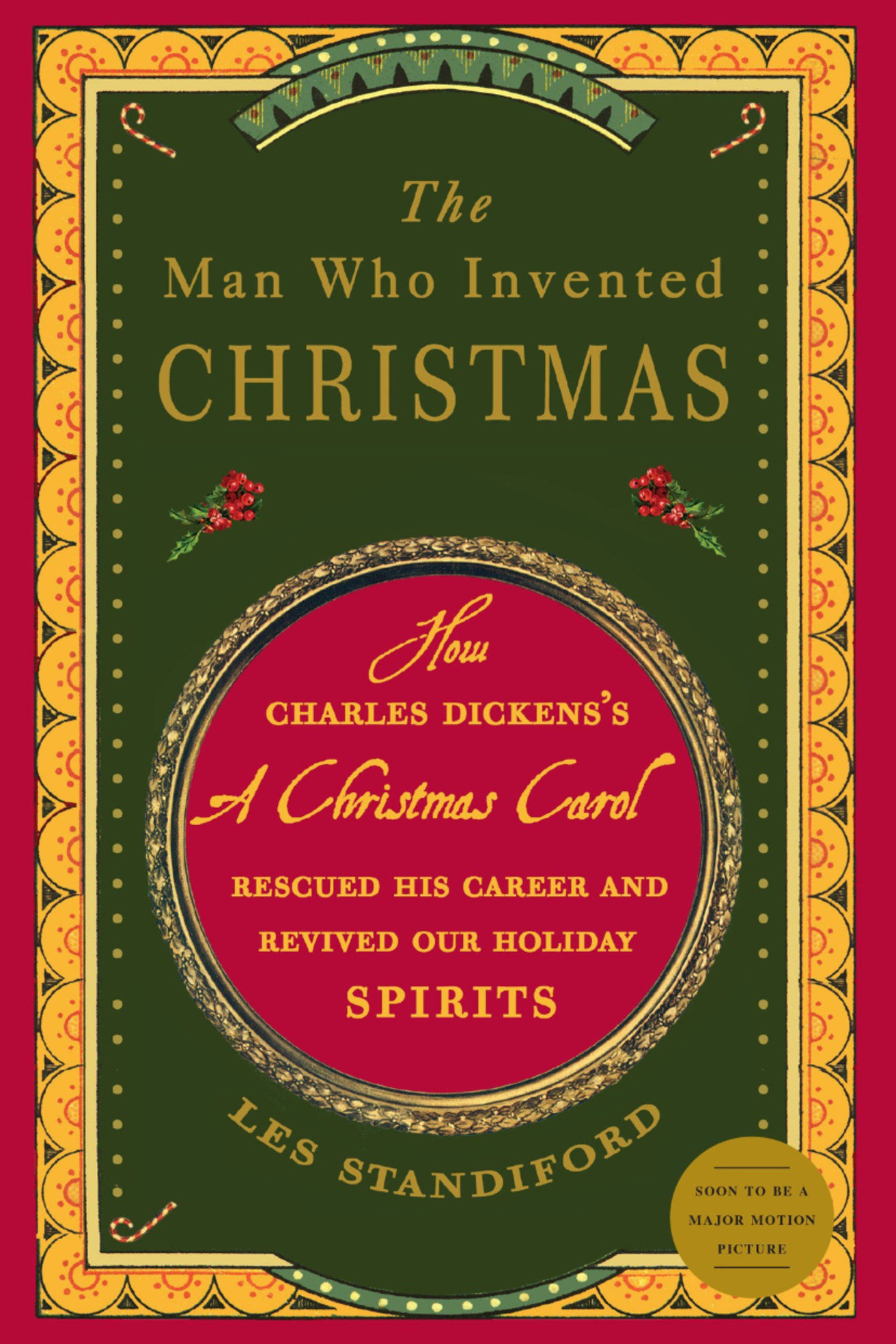
The Man Who Invented Christmas by Les Standiford. A nice and eminently readable little volume. I don’t think I gleaned any new knowledge or insights into A Christmas Carol from it, but Sandiford’s love for the story and its author is clear and captivating.

“Only Santas in the Building” by Alexis Daria. Good at what it set out to do, I suppose, but this is the sort of spicy romance I’m not really into. The instalove trope just comes across as overly goofy to me. Undoubtedly sexy and festive, though, which is, of course, the entire point.

“Krampuslauf” by Holly Black. Read this on Krampusnacht, natch. Liked the concept of this story quite a bit, but Black’s style just doesn’t do it for me. Her writing is full of fae, witchy vibes, which would normally be right up my alley, but there’s a certain superficiality to it that I find bothersome. I don’t know!

One Big Happy Family by Susan Mallery. The sort of Christmas book that I, for some godforsaken reason that a therapist can uncover for me somewhere down the line, enjoy reading the most: full of familial fracas, domestic drama, petty grievances, and needless secrets set against a festive, cozy background. Were some of the character choices maddening? Absolutely. Everyone and their literal mothers talked like therapists here, but then they would go on and take the most asinine action possible, thus undermining an already silly trait and making the characters more frustrating than they needed to be. 

But, by god, did I still relish in the messiness of it all. Due to some deep-rooted trauma, I’m sure.

I did find the ending entirely too abrupt, though, but I do wonder if that is just the author setting up a possible sequel. I would be down to read it if that turns out to be the case.

Friday, Book One: The First Day of Christmas by Ed Brubaker, Marcos Martín, Muntsa Vicente. Oh, this was rad. Following a former teen detective into darker, grittier adult territory is not a novel concept by any means, but in the hands of crime fiction masterminds like Brubaker and his crew of usual artists, it makes for a striking, arresting book. I particularly loved its New England port town setting, brought to glorious Gothic life by illustrator Marcos Martín and colorist Muntsa Vicente. Brubaker’s notes at the end of this volume mention he wanted a place that was equal parts Lovecraftian and Goreyesque, and the art absolutely nails it. It’s an excruciatingly short book, as graphic novels tend to be, but I’m definitely picking up the following installments. 

“Holiday Hideaway” by Mary Kay Andrews. I’m becoming increasingly aware that these sorts of holiday romcom short stories are not for me. Again, I can’t deal with the instalove trope in the best of cases, and much less when the two love interests have the personalities of a brick and a potato, respectively.

“Resting Scrooge Face” by Meghan Quinn. Of course I would enjoy another holiday-themed romance right after writing smack about them earlier. Barring some nonsense prose, this was great. I think I would have enjoyed it a lot more if it was written entirely in epistolary form, since that was the best, most engaging part of the story. As it is, though, it’s a perfectly fine, fun story full of slapstick and heart.

Landline by Rainbow Rowell. Enjoyed reading this because it’s Rainbow Rowell, and Rowell writes great situations and even greater characters. Half of that is true here (this has a great premise), but I had a much harder time finding this cast compelling. Believable? Certainly. Likeable? Not so much. Not that characters have to be endearing for a story to work, but, given that the cover proclaims this “a Christmas love story,” having something to cheer for might have been nice to include. Instead, we get a seemingly thankless relationship, which, despite how much time is spent looking at it through the rose-tinted lens of nostalgia, still seems very much sad and tragic. Because while Georgie definitely has her faults, we can all be in agreement that Neal absolutely sucks, right? Like just pick up the phone dude it’s your wife and it’s the holidays holy shit— 

Sorry, but that aspect of the novel was particularly infuriating. Especially since we’re meant to feel like Georgie is the most at fault for their relationship troubles by putting her career ahead of her family so much, but we’re supposed to swoon for a milquetoast manboy who willingly gave up on his dreams and then has the gall to resent his successful wife? I’m sorry, but no. With most of Rowell’s books, even those that don’t particularly resonate with me, I can understand their popularity and appeal—but I genuinely can’t fathom how so many people could find this story the least bit romantic. 

Hotel Splendide by Ludwig Bemelmans. I had to take a break from Christmas. A short, breezy read. Full of the urbane, cosmopolitan wit and verve I’ve come to admire from writers of the Jazz Age and its sister eras. Very fun, and it made me want to read more of Bemelmans’s work. 

The Uncommon Reader by Alan Bennett. This was The Crown’s fault—I may have started rewatching it on a stress-induced whim. An interesting if slightly thankless thought experiment. The romanticized depiction of Queen Elizabeth brought to mind The West Wing, another narrative that dealt with real world issues through the eyes of idealized leaders. Less a “what if” and more of a “if only” kind of fable. (It also reminded me, curiously, of Robin Sloan’s fantastic “Proposal for a book to be adapted into a movie starring Dwayne The Rock Johnson,” his short story about The Rock becoming president. Uncommon Reader reads very much like an inversion of that story.)

Sherlock Holmes & the Christmas Demon by James Lovegrove. A fun Yuletide yarn, though a bit overlong. Personally, I would have liked it to be more Krampus-centric than it was, since really the Christmas Demon of the title barely figures into the plot, with Holmes more or less dismissing it out of hand in the first few chapters. While I understand that one of most appealing aspects of the Holmes stories is how grounded in reality they often are, there is a precedent of pastiches with a more fantastical, supernatural bent. and I was fairly sure that’s the direction Lovegrove was heading towards, particularly when he mentions the village of Wold Newton and its famous meteorite more than once. But it was not to be. Alas. The story is undoubtedly Christmassy, though, and for that I have to give it credit. 

“The Wood at Midwinter” by Susanna Clarke. Clarke is one of my absolute favorite authors, so I was all too ready to love this. Unfortunately, the story left me feeling somewhat underwhelmed. But even a slightly disappointing Susanna Clarke story is infinitely better than the output of most other writers, and this was still full of the lovely, lyrical language one has come to expect of her writing. The afterword, where Clarke writes about the inspiration behind the story, helped me understand and appreciate it more, in either case. Author notes are often my favorite part of short story collections, and I wish more writers would do them. 

YEAR IN REVIEW ○ 2024

The very best I can say for 2024 is that it was a good reading year. Personal? Not so much. But this blog, despite all my rantings and diatribes, is about the more literary aspect of my precious little life, so we’re going to focus on that, instead of… the rest.

(The one great thing that happens to overlap both aspects of my life is the fact that I started writing for Booklist, something that makes me incredibly happy and proud. It’s been a great experience thus far, and I think I’ve already learned a lot in the few months I’ve been with them. Exciting!)

I read some really fine books this year. These are some of them:

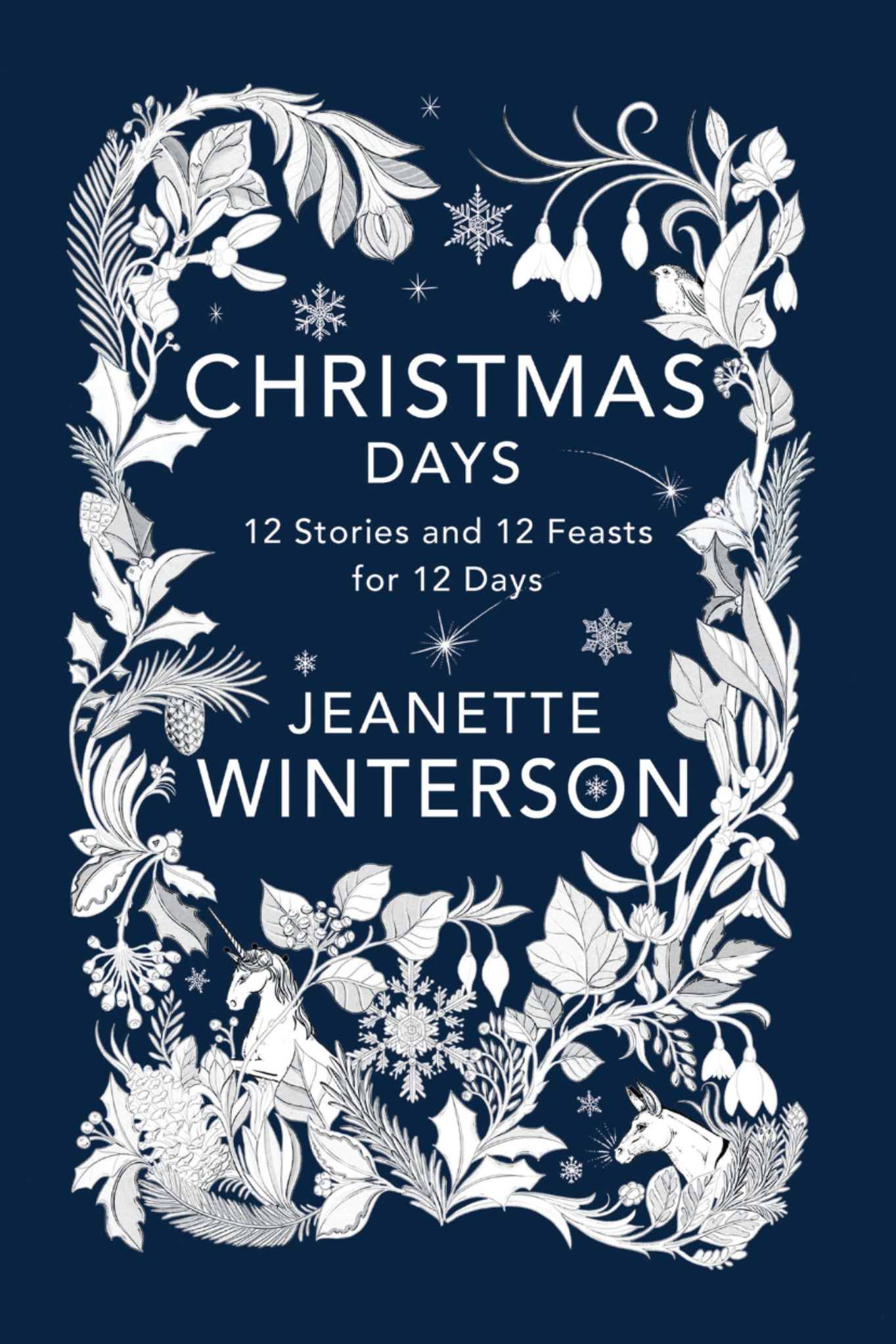
CHRISTMAS DAYS by Jeanette Winterson

This is, so far, the only Jeanette Winterson book I’ve read, but I was ready to call her a favorite author upon finishing it. I fell absolutely head-over-heels in love with her writing—so much so that I found the vignettes written before the recipes she’s included here almost as beautiful as the short stories themselves. (It’s a true testament to her skill that she took what was essentially a meme in the online culinary world—the drawn-out preambles before cooking instructions—and made wonderful art with it.)⠀

A true Christmas collection, in the purest sense of the term, as Winterson runs through the absolute gamut of wintry tales: from unsettling ghost stories down to charming, sickly-sweet romances—all written with sublime grace and aplomb. Christmas Days quickly became synonymous with the holiday season for me, and I may just make it an annual tradition to read it. Wonderful stuff.

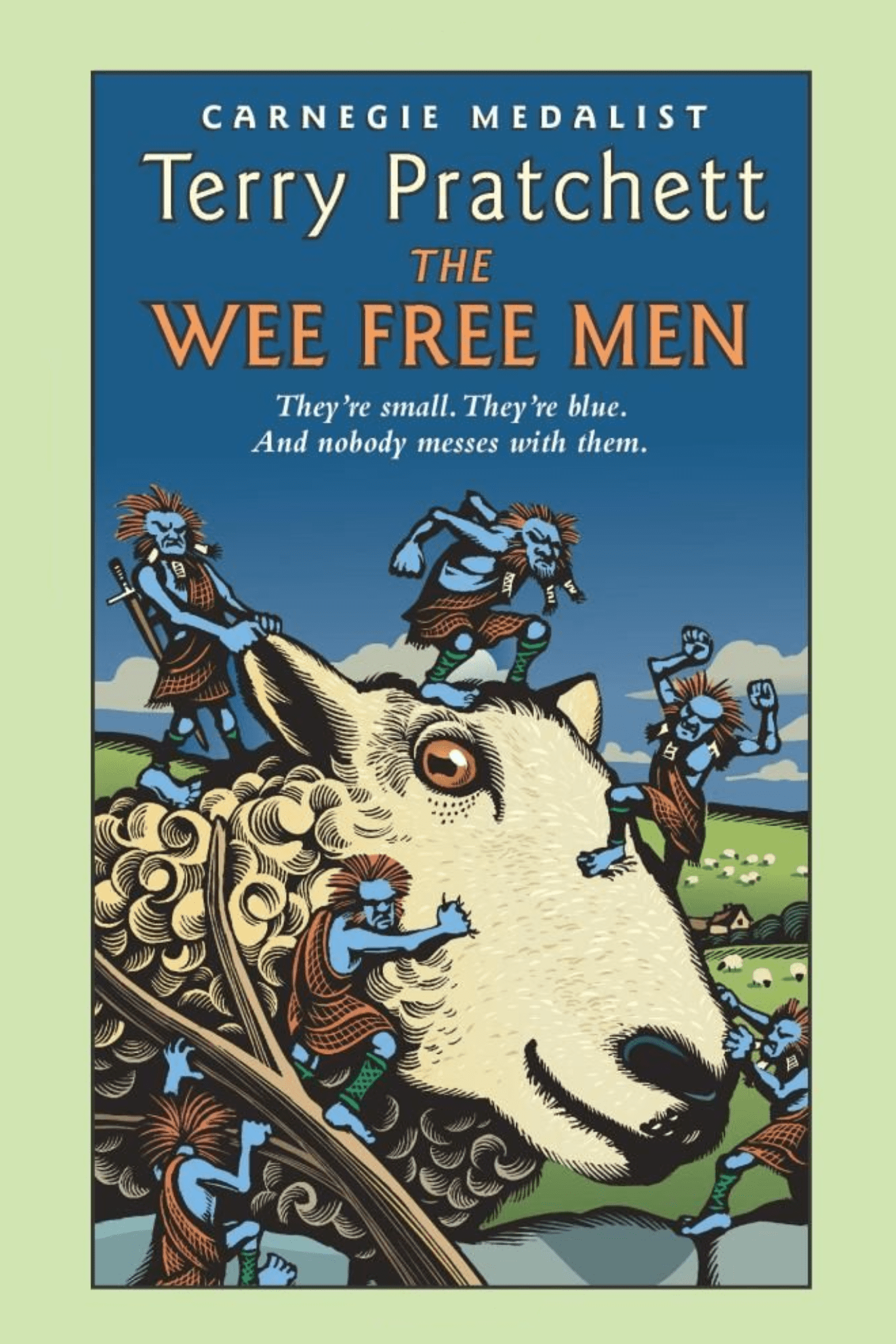
THE WEE FREE MEN by Terry Pratchett

Genuinely don’t know why I torture myself by depriving myself of these wonderful books for such long intervals. This was my first Pratchett book in a handful of years, and reading it felt like coming back to a home full of love and understanding that was also, maybe, just a tiny bit disappointed in me.⠀

Because The Wee Free Men is a brilliant showcase of Pratchett’s famous righteous anger. Tiffany Aching, like her creator, is an angry person, positively full of rage. She just uses that rage to make the world a better, more compassionate place—if only to spite the darkness. Beautiful and necessary. 

MY FATHER, THE PORNOGRAPHER by Chris Offutt

Chris Offutt’s less-than-flattering portrait of his flawed father is a challenging, thought-provoking, and undoubtedly fascinating read. I flew through this in a day, despite the difficult subject matter. It helps that Offutt writes a hell of a sentence, crafting with them a tale of obsession, melancholy, and forgiveness that’s equal parts insightful and heartbreaking. A hell of a read.

DUNE by Frank Herbert

A mesmerizing reading experience through and through. What really drew me in was the writing, which I found to be the complete opposite of its reputation for being dense and dry. “Organic” was the word that kept coming to mind. This book felt like a living, breathing thing. It helped that Herbert’s world-building was downright virtuosic—the sheer scope of the thing is truly staggering, and I was captivated throughout its countless psychedelic pages. 

Also, once again: big worms!

TRIGGER MORTIS by Anthony Horowitz

While I genuinely adore Ian Fleming’s writing (in particular his exceptional eye for detail), I find Anthony Horowitz’s Bond books, in general, much better constructed. Which is probably a sacrilegious thing to say. But where Fleming was a brilliant stylist, Horowitz is a master craftsman. The man simply lives and breathes thrillers.

Enjoyed this one a little less than Forever and a Day, his first Bond outing, but found it brilliant all the same. Can’t wait to read his final 007 story.

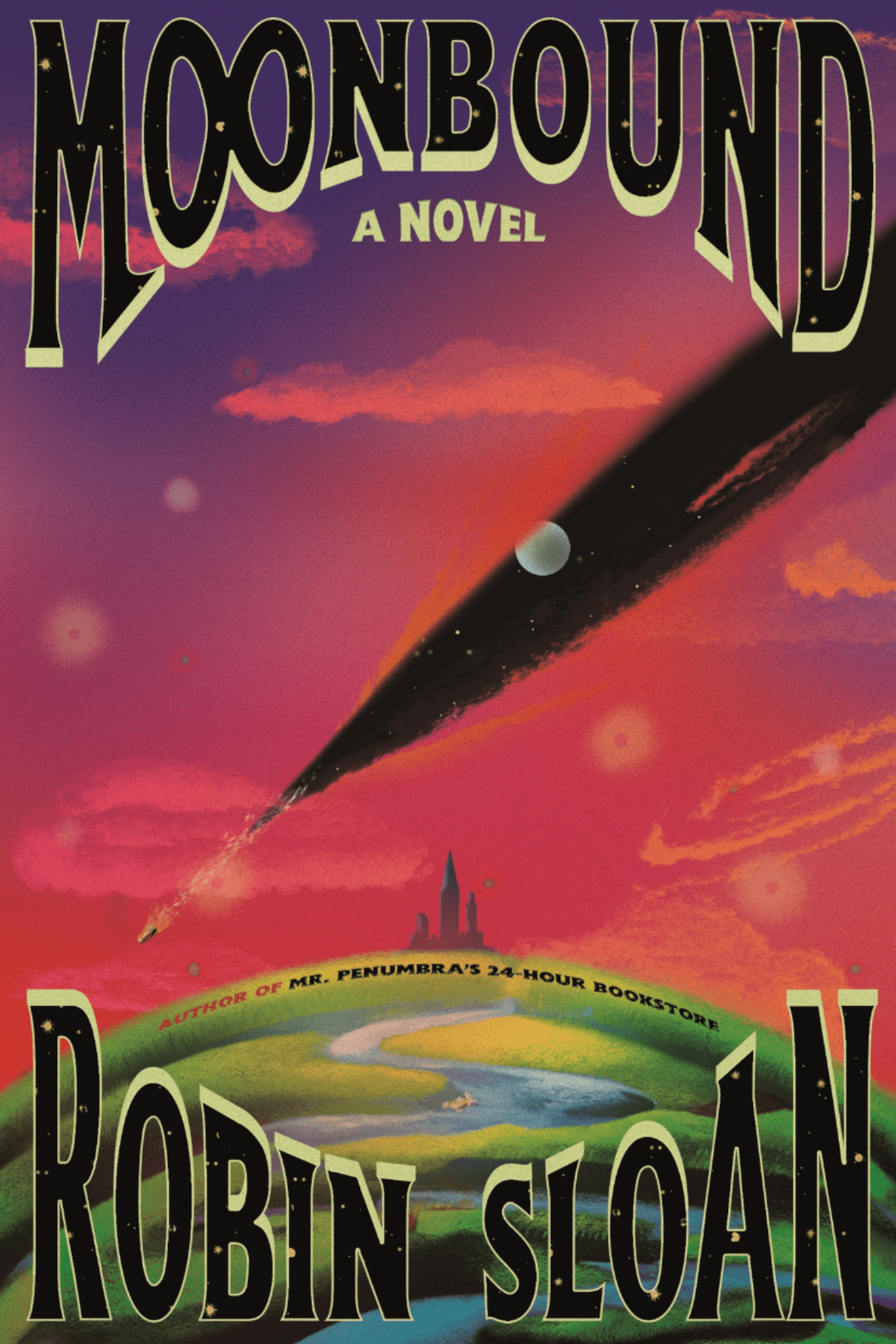
MOONBOUND by Robin Sloan

I loved Moonbound in a way I haven’t loved a book since probably Becky Chambers’s A Psalm for the Wild-Built. Which is apt, seeing as how they’re both stories that are inherently optimistic about humanity and what the future holds in store for us. Despite my deep-rooted cynicism, stories about radical optimism always resonate with me in profound and lasting ways.⠀

This is also a story about stories, which have always been my favorite kind of stories. Sloan plays around with a lot of tropes and archetypes here, and the fun he has with it all is palpable and infectious.⠀

Also, this book has the literary equivalent of a cinematic needle-drop, and it is, without hyperbole, one of the raddest moments I’ve ever read.⠀

My favorite book of the year.

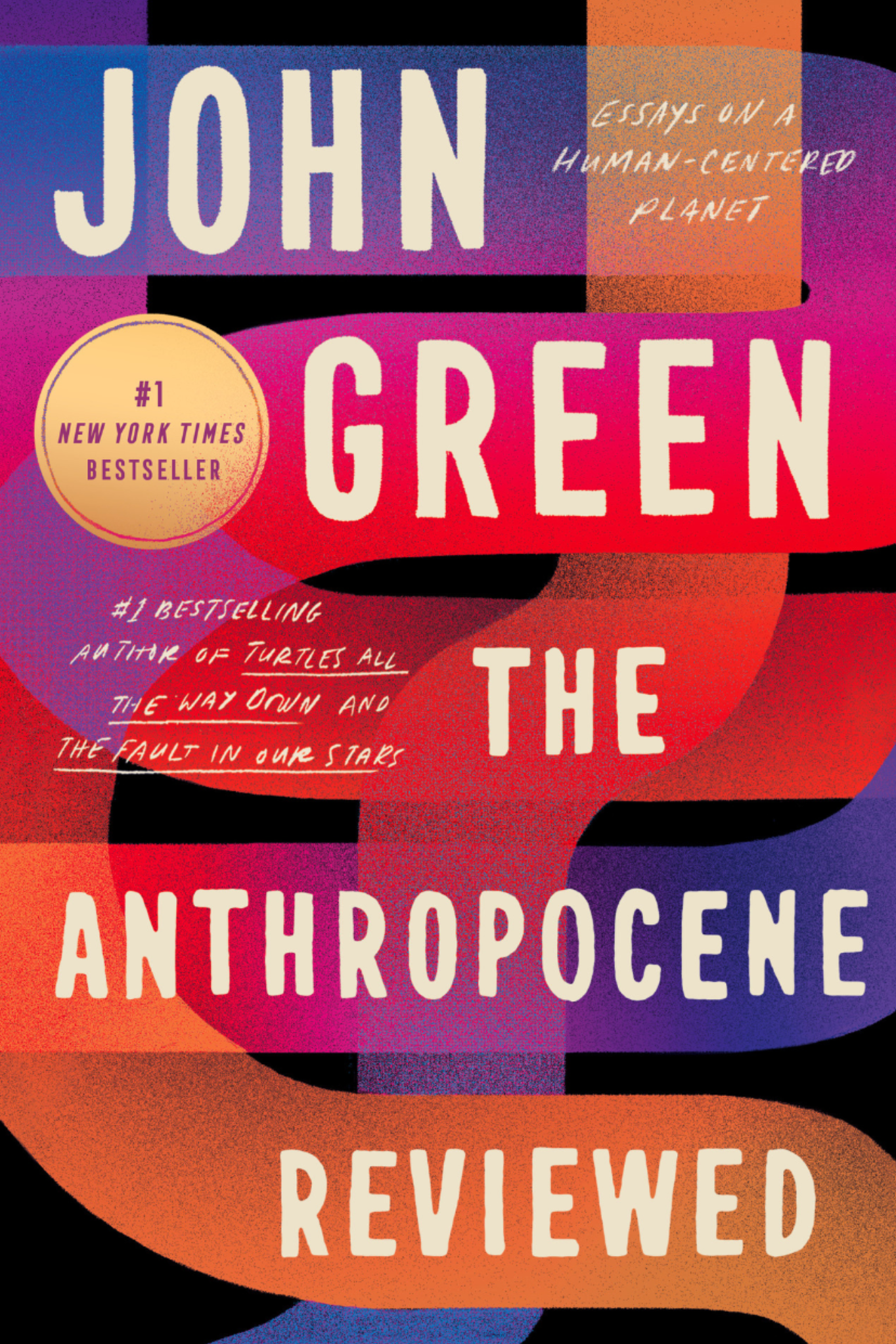
THE ANTHROPOCENE REVIEWED by John Green

That pesky radical optimism again (hi Dua Lipa was my top artist on Spotify Wrapped this year). John Green delivers a wonderful collection of essays reviewing the myriad ways humans have–for better or worse–made an impact on this planet–and then proceeds to rank them on a five-star scale. The premise may be slightly facetious, but Green never fails to consider his subjects in a thoughtful, measured, and inherently hopeful manner. ⠀

A humorous and heartfelt celebration of humanity, I give The Anthropocene Reviewed five out of five stars.⠀

DIAVOLA by Jennifer Thorne

My favorite Hallowe’en read not actually read during the Hallowe’en season. A Gothic and thoroughly modern ghost story that explores family dynamics in a more visceral and brutally honest manner than most high-brow contemporary novels. ⠀

I loved a lot of things about Diavola, but mainly I adored its Dumpster-fire protagonist, a veritable harbinger of chaos, and how the story proceeded to validate her nature rather than condemn it, making this an exceedingly fun and cathartic read.⠀

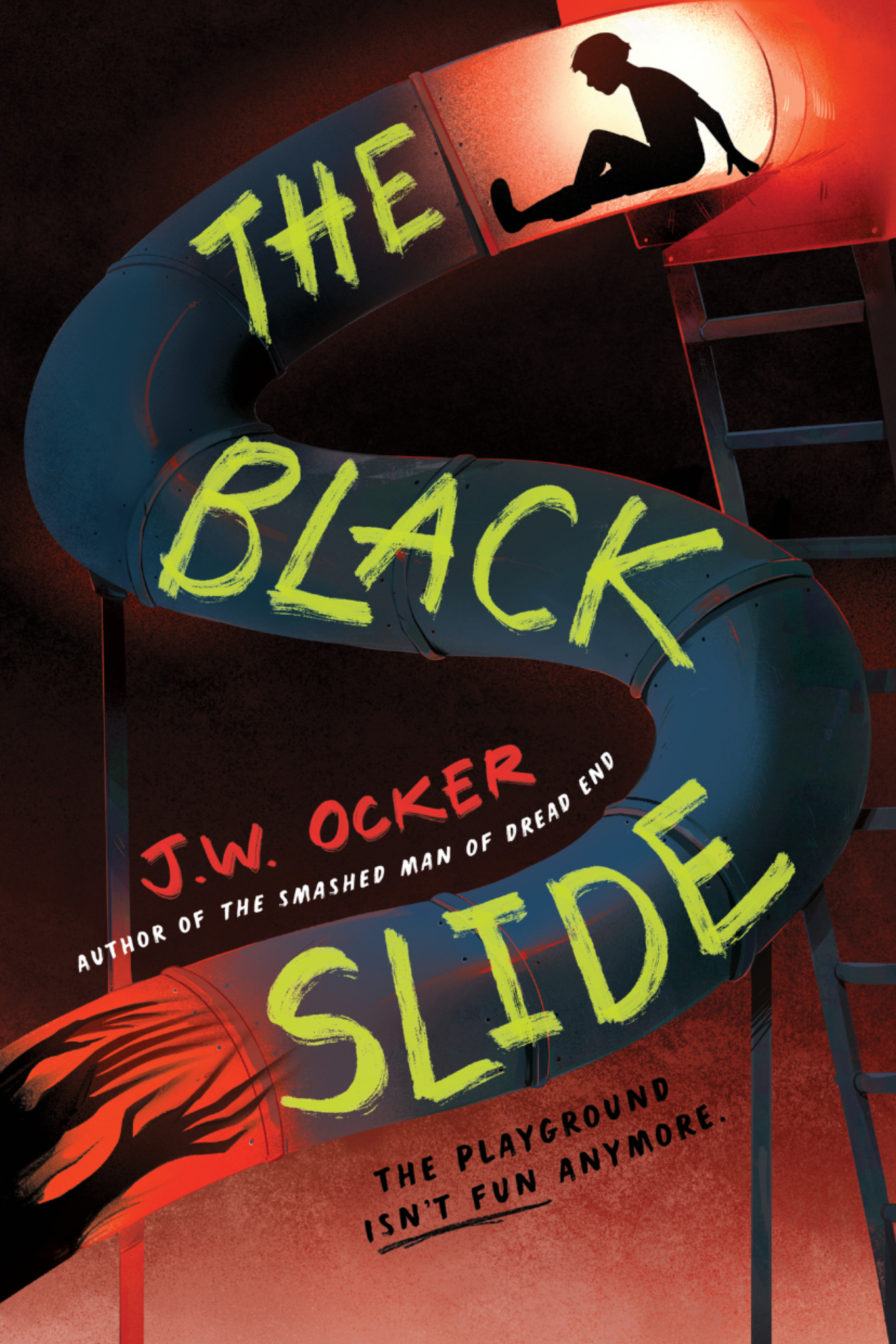
THE BLACK SLIDE by J.W. Ocker

There are few things I respect more than children’s horror novels that aren’t afraid to go dark and still remain full of heart. J.W. Ocker’s middle grade work is characterized by this trait, but he took it up a few considerable notches with The Black Slide, and it’s all the better for it. Harrowing, haunting, and heartfelt. More children’s horror like this, please. 

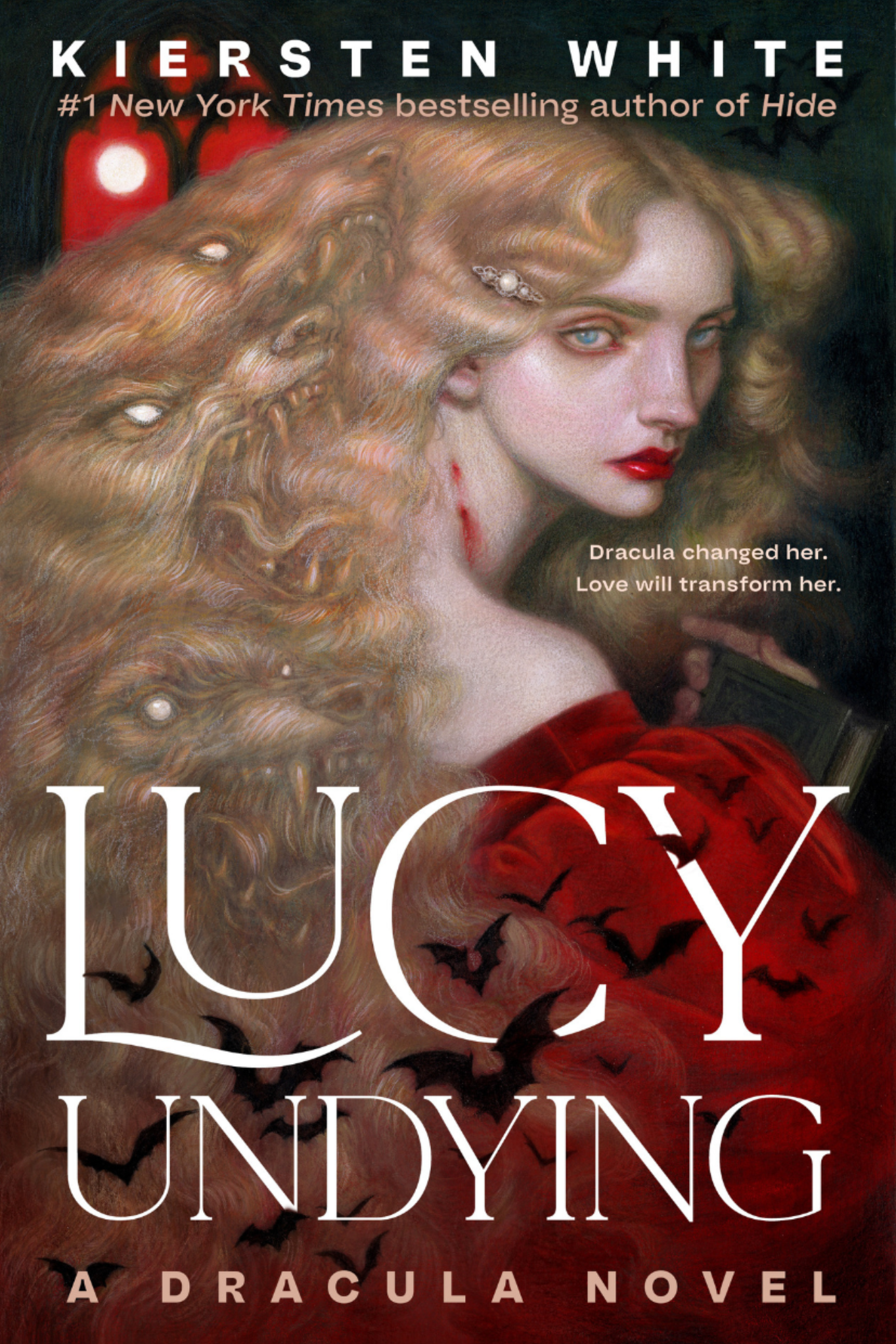
LUCY UNDYING by Kiersten White

My favorite Hallowe’en read actually read during the Hallowe’en season. I just loved the hell out of this. Very much a spiritual companion to Kiersten White’s previous novel, The Dark Descent of Elizabeth Frankenstein. Lucy Undying is likewise gloriously Gothic, unreservedly feminist, and meandering in the most interesting, fascinating ways. A hell of a read.


I hope you all had a great year, and I hope the next one treats us well.

See you on the other side.

📖

NOVEMBER 2024

Hello. Here’s what I read in November. It was a hectic sort of month. I’m dealing with a move and that has taken up most of my brain these last handful of weeks. Still found time to read, though, because otherwise I would have certainly gone insane. As my bio says, escapism is kind of my thing, etc.

“On the First of November, the Ghosts Arrive” by Nina MacLaughlin. Not at all fiction, but wanted to highlight it because it’s a wonderful, gorgeous piece about death, remembrance, and the waning days of the year. The closing paragraph, in particular, took my breath away: 

It’s November now and there’s something different afoot. In November, when the nights get long and the days get cold, as we approach the long dark that is winter, we feel that hand following us down the hall. We feel death’s presence and are therefore more alert to our own. November makes us know, at the edges of our mind, that for each of us, looming winter will one day stretch into eternal darkness. So we welcome the dead among us, remember them, invite them back, and we eat and drink and let the boundaries dissolve, and we are more certain that we’re alive. That’s what’s on offer in November. It makes us know, at the edges of our mind, that we still cast shadows, that we are still bones and blood, that for now, for now, our heft is still heated. Feel it?

I want to set a reminder to read this every November. 

“Some Other Animal’s Meat” by E.M. Caroll. This comic served as the basis for “The Outside,” an episode of Guillermo del Toro’s Cabinet of Curiosities. My Culture Chronicles email reminded me I had watched it on that given day a couple years back, so I figured it was only appropriate to look up the original and read it then. Stunning work by Carroll, as per usual, although I have to say I was a bit disappointed by the ending. (As much as I love Carroll’s work, I’ve noticed they do tend to struggle with endings. But then again, so does Stephen King, so I suppose there are worse problems to have.)

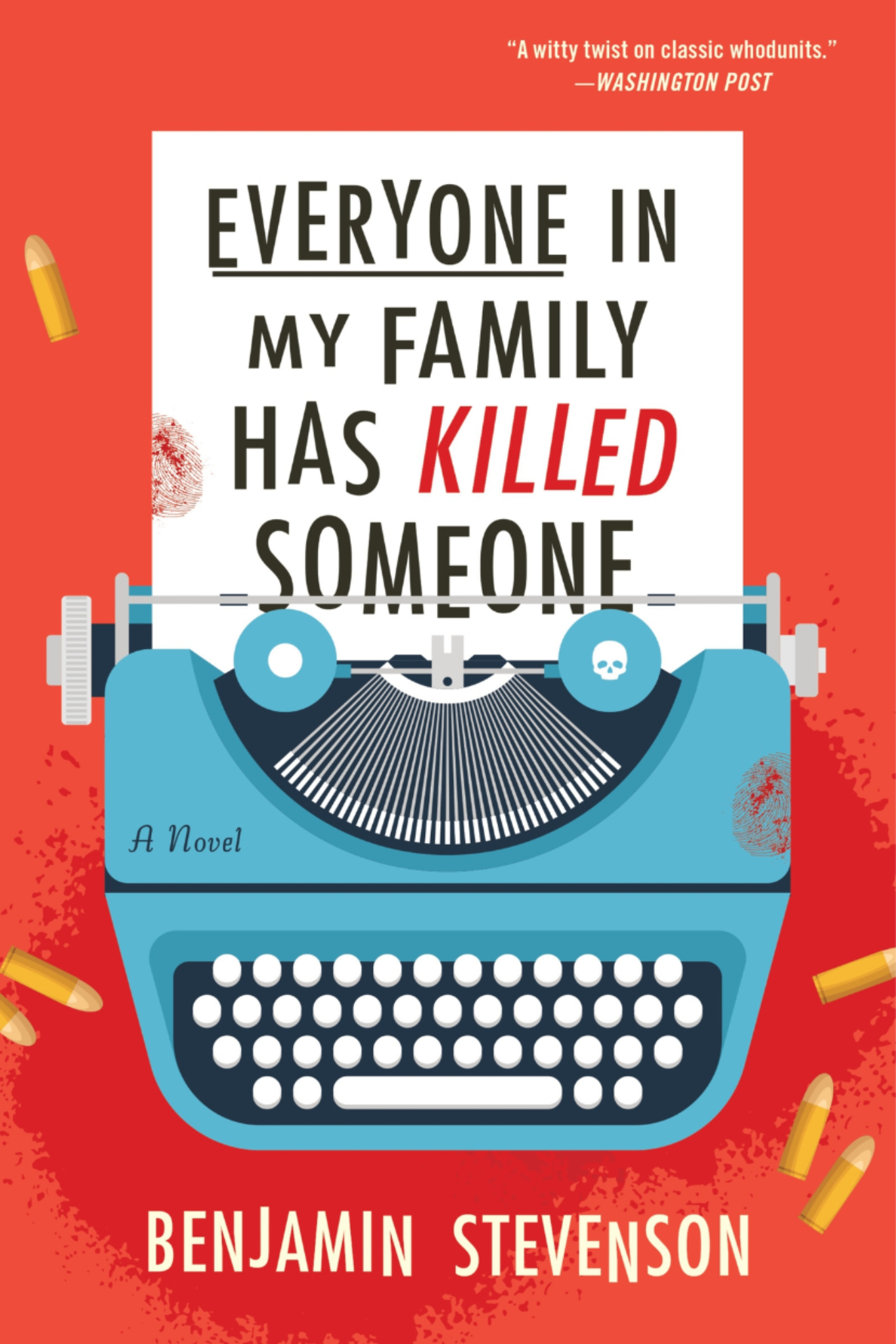
Everyone in My Family Has Killed Someone by Benjamin Stevenson. It’s no secret that the film Knives Out is essentially my lodestar when it comes to mystery fiction, so I’m always on the lookout for clever, self-referential crime stories. I’ve read some fine ones that meet this criteria, but I don’t think any of them were as loaded as this one, full of fun asides and references to the act of writing a mystery story itself. It’s all delightfully meta, and I was very into it. The conceit does end up somewhat overstaying its welcome, though, thanks to a whodunnit that’s convoluted from the start and only grows increasingly more complex and absurd as the novel goes on, leading to an ending that, while entirely fair and adheres to every single rule laid out by the author at the beginning of the book, falls a little bit flat. But I enjoyed this enough to still want to read the sequel (it’s set on a train!), and immediately purchased the third to read during the holiday season—because of course there would be a Christmas mystery in this series.

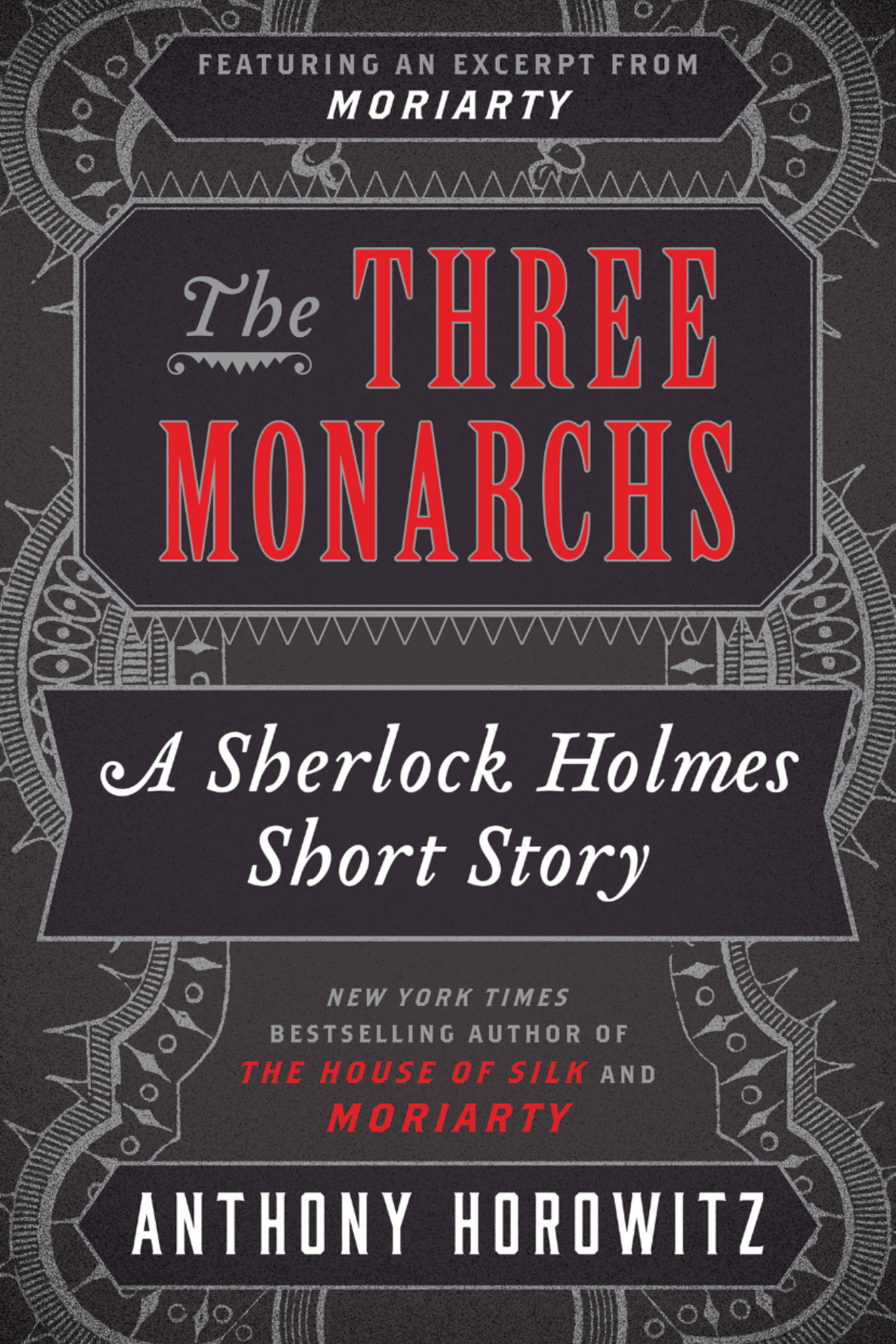
“The Three Monarchs” by Anthony Horowitz. A fun, if inconsequential, Holmes story. I don’t think Horowitz captured Doyle’s voice nearly as well as he did Fleming’s, but he is undoubtedly the finest of craftsmen.

The Bullet That Missed by Richard Osman. Enjoyed this one a bit less than the other two books, but I’ll be damned if it still didn’t make me cry more than once. I just wholeheartedly love these characters. The main mystery, while fun, wasn’t really my favorite, though I did like that it showcased the individual skills of the club members better than their previous cases. The plot is secondary in this series, anyway, used by Osman as a means to throw more and more ridiculous, outrageous, and instantly endearing characters into the mix—and I am absolutely all for it. 

By sheer cosmic coincidence, I happened to finish this on the same date as I did the first novel in the series three years back, and I think that’s neat.

A Very Perry Wedding by Marie Landry. I had read and enjoyed A Very Perry Christmas a couple of years ago, so I figured I would have a good time with this fall-themed follow-up as well—and I was correct. I quite like the Perrys and the friends who orbit them, finding them perfectly endearing and believably flawed characters. 

This one follows Jasper, who was a fairly insufferable character in the first book but gets to absolutely shine here. I found myself relating to his struggles with anxiety quite a bit (while at the same time wishing I had his organizational skills). Willow, our lively, vivacious narrator, is a charmer, and I really liked the chemistry that formed between these two polar opposites. 

A Very Perry Wedding is a slow burner of a romance, but it’s also cozy and charming as hell—at least right up until the final act, when we’re suddenly met with a very forced conflict and given an equally forced resolution to accompany it. Slightly disappointing, given how grounded the rest of this novel was.

Still, I didn’t hate reading this, and would be perfectly fine following this family on further forays.

Up next, properly: Christmas.

THE PUMPKIN PRINCESS AND THE FOREVER NIGHT by Steven Banbury

This review first appeared in Booklist on November 20, 2024.

Eve has spent much of her young life running away, be it from a cruel orphanage, an identity that never felt like her own, or loneliness and fear. Her repeated efforts to escape this dreary existence finally find success when she meets the Pumpkin King, an imposing figure with a jack-o’-lantern head, who helps Eve not only by giving her a proper name and a royal title but also by spiriting her away to the lands of the undead. In the bewitching Hallowell Valley, Eve hopes to find friendship, family, and a place to finally call home—though not without first facing the many challenges that come with bearing the noble rank of Pumpkin Princess. Full of wonderful world building, clever conceits, and autumnal abundance, debut author Banbury has written a cozy, heartwarming story that has all the makings of a seasonal staple. Reminiscent of books like Ray Bradbury’s The Halloween Tree and Joseph Fink’s The Halloween Moon (2021), readers will find similar festive delights here.


Oh hey here’s something new: I’m writing for Booklist. Continue reading “THE PUMPKIN PRINCESS AND THE FOREVER NIGHT by Steven Banbury”

OCTOBER 2024

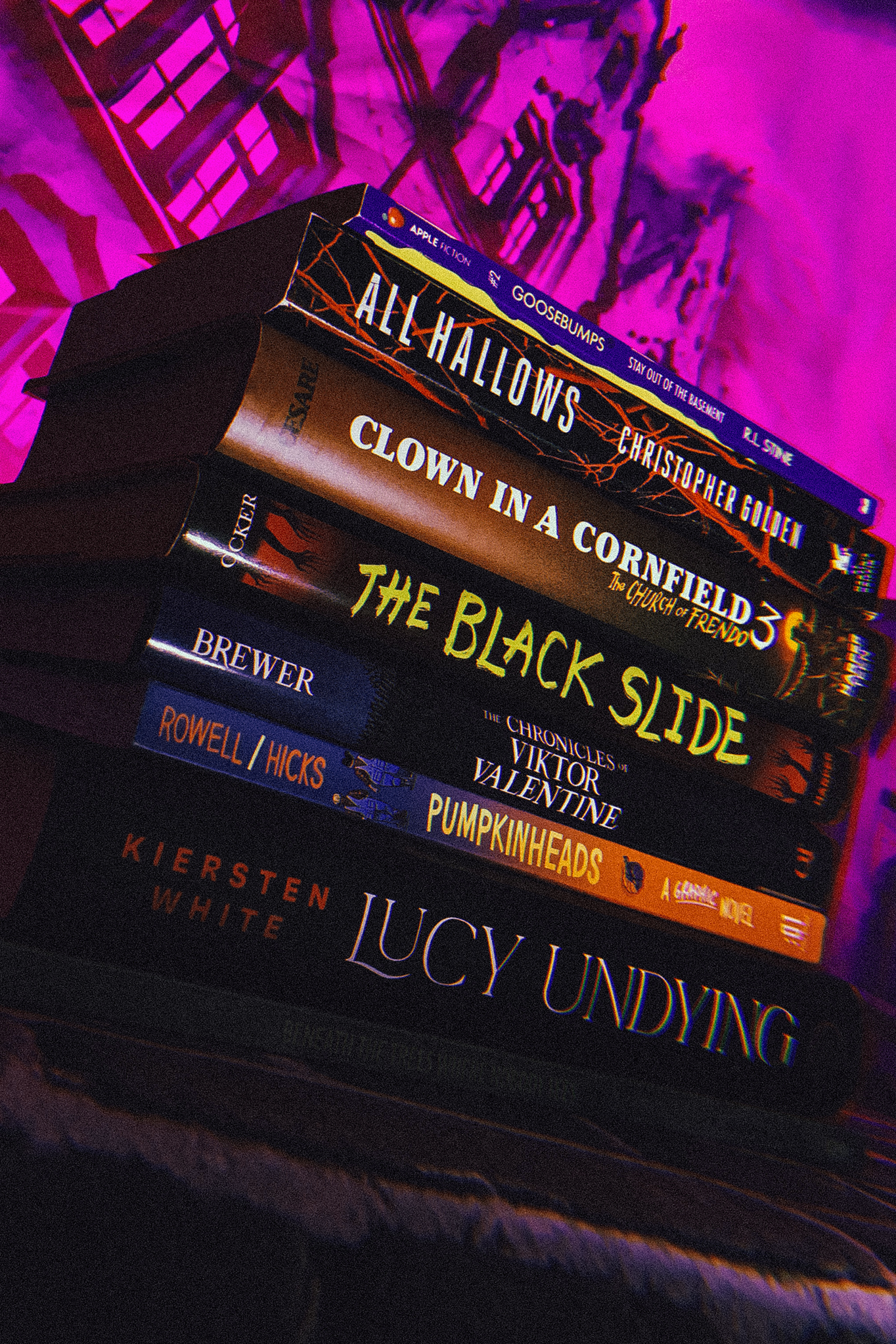
Hello. You know the books I read during the month of October because I did an individual review for every single one of them. Like a madman. But I also managed to read a bunch of short stories throughout the month, and I want to talk about them, too. So here we are. (Also it gives me an excuse to post a picture of a very satisfying pile of books. My gloriously garish Hallowe’en display.)

The books, in case you missed them: 

Beneath the Trees Where Nobody Lives by Patrick Horvath. Wonderful!

The Chronicles of Viktor Valentine by Z Brewer. Fine!

Clown in a Cornfield 3: The Church of Frendo by Adam Cesare. Disappointing!

The Black Slide by J.W. Ocker. Amazing!

Lucy Undying by Kiersten White. Glorious!

Stay Out of the Basement by R.L. Stine. Fun!

All Hallows by Christopher Golden. Great!

The short stories:

“Parthenogenesis” / “Wait for Night” by Stephen Graham Jones. Would you believe that these are the only things I’ve read by Jones? Neither can I. Really need to get on that. Anyway, “Parthenogenesis” was a fun story with a super creepy atmosphere, but I felt like the ending was a bit of a cop-out. “Wait for Night” was just a simple and super rad vampire tale. 

“A Stranger Knocks” by Tananarive Due. Didn’t realize this was a vampire story when I first picked it up, but I do love a serendipitous theme. Similar to the Jones situation, this is the first story I’ve read by Tananarive Due. Definitely need to pick up more of her stuff because this was excellent.

“The Tell-Tale Heart” by Edgar Allan Poe. My shameful secret that would surely get my goth card revoked if it ever got out is that I’ve barely read any of Poe’s actual work. “The Raven,” sure, the odd story here and there—but, like with most artists I admire, I’m far more interested in their cult of personality first and their work second. It’s something I’ve been gradually realizing is a serious disservice to said artists, so I’m working on fixing that. Anyway—this was brilliant, obviously. I read it in a collection called Darkness There, a Kindle in Motion affair that I’ve had on my tablet for years. It’s a neat concept, and features some wonderful art by M.S. Gorley, whose work—and name—evokes Edward Gorey’s (another cult of personality from my personal canon).

“Lantern Jack” by Christopher Fowler. More of a monologue than a proper short story—but it’s a damn good monologue, which made it a delight to read. Very cool, very clever, very macabre. Very into it. Read from The Mammoth Book of Halloween Stories.

“Everybody Is in the Place” by Emma J. Gibson. Some great atmosphere here, but I found the writing style seriously grating. There’s this constant repetition of words that I guess is supposed to evoke some sort of whimsicality (“We’re running, running, running!”) but it only comes across as awkward and annoying, particularly when it’s done so often in such a limited amount of space.

“A Forest, or A Tree” by Tegan Moore. Impeccable and creepy atmosphere throughout, along with some good character work. It’s too bad that it’s all undermined by an abrupt, hasty ending. As is the case with a lot of Tor.com Originals, this felt too much like the opening of a novel, rather than the closing chapter of one.

“The V*mpire” by P H Lee. This is a short story about Tumblr, of all things. It’s also a story about identity and community. And it’s a story about vampires. It should be a mess, by all accounts, but this was a surprisingly intense and impactful piece. Of course, it probably affected me more because Tumblr was such an integral, formative part of my 20s. I was too old to be part of the social circles depicted here, but I was certainly aware of them and can say that, for better or worse, their representation here is entirely accurate—from the compassion right down to the toxicity. This is also a story about how easily predators can exploit the openness of these often vulnerable communities by appropriating their particular language for their own malicious means. The vampires in this story may be fictional bloodsuckers, but that doesn’t make them any less real.

“Bone Fire” by Storm Constantine. Another one from The Mammoth Book of Halloween Stories. My notes for this story read, “A fae and dusky little story. This very much felt like what I imagine a huge bonfire on Samhain must have felt like.” I have absolutely no idea what that means, but let’s go with it. 

(I should note that I often write my notes immediately after I finish reading a story, so they are very much a first impression kind of thing. It also means that they are almost always nonsense. Alas.)

“The Folding Man” by Joe R. Lansdale. A truly outlandish mix between an odd urban legend and, like, The Terminator. Simple, straightforward, and at times seriously savage story. I was super into it. Read from The Mammoth Book of Halloween Stories.

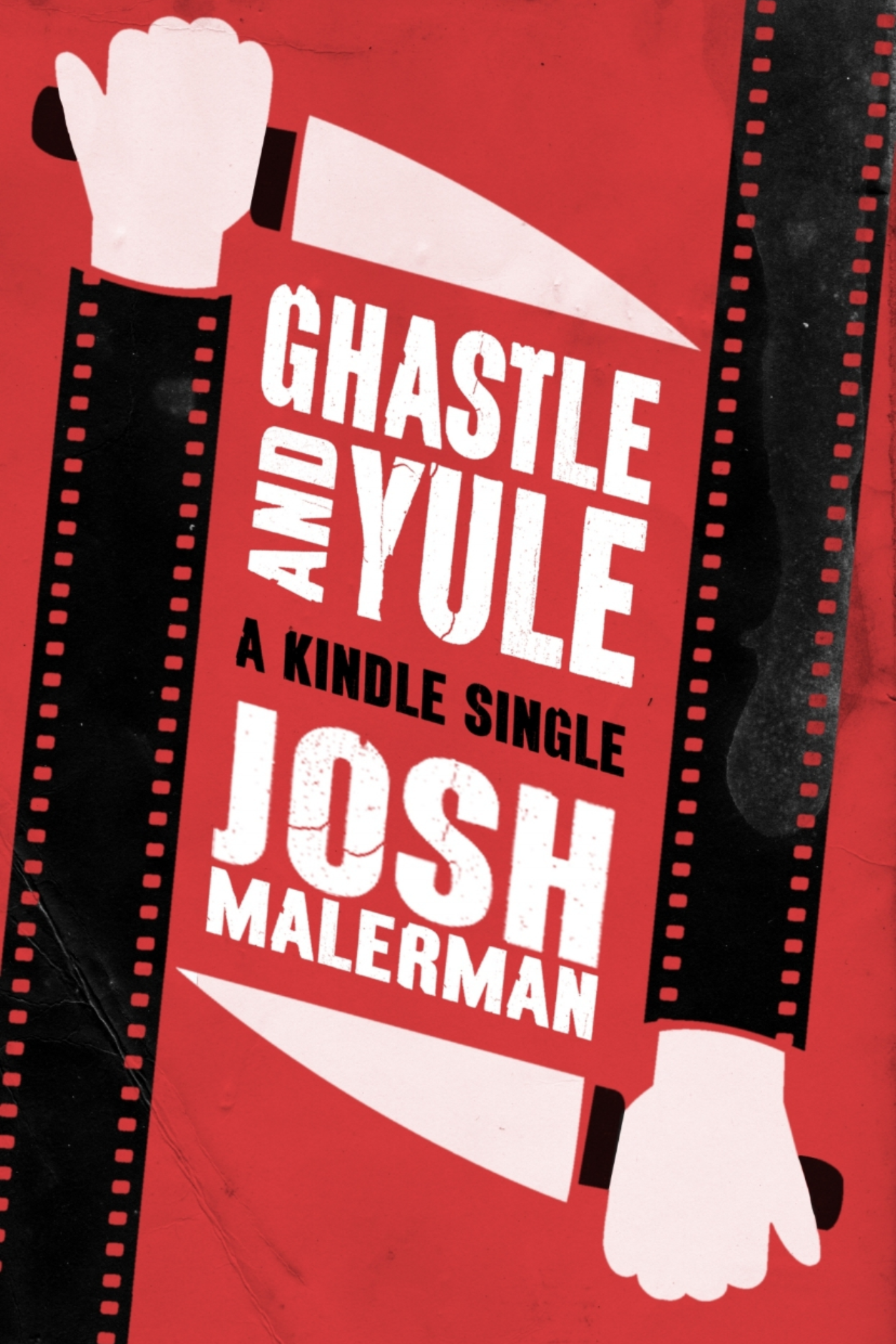
“Ghastle and Yule” by Josh Malerman. Despite its name, this was not a creepy Christmas story as I originally expected. Instead, it’s a tale about two rival horror filmmakers and their obsessions with both their craft and with one another. I enjoyed it a lot. The writing does leave a lot to be desired, at times—there’s more than a fair share of clunky, awkwardly phrased sentences—but the story itself is fascinating enough that I can easily forgive those shortcomings. I’ve always loved stories about film productions, particularly of the Old Hollywood and Mid-Century eras. This skews heavily towards the latter half of the fifties and early sixties, but it hit all the right notes for me. I was particularly impressed with Malerman’s world-building, which is so thorough and convincing that I found myself Googling the names of the characters and some of the film titles to see if they were real. Intriguing, morbid, and a lot of fun.

“The Ultimate Halloween Party App” by Lisa Morton. This one has a great and pretty terrifying premise, but it ultimately didn’t do much for me. The world-building felt cobbled together from interesting but half-formed ideas that never really meshed well. The ending, in particular, felt like a huge non-sequitur—as if the author got bored with her own story. Very baffling. Read from The Mammoth Book of Halloween Stories.
And finally, one book I did not do an individual review for, because I’ve written about it more than enough times

Pumpkinheads by Rainbow Rowell, Faith Erin Hicks. A seasonal staple, obviously. I used to pick this one up at the very beginning of October but have since realized that it’s actually the perfect transitional read, being set on the last day of the month and all about endings and new beginnings. It literally concludes with the characters talking about taking up seasonal jobs during the holidays. Which brings me, once again, to ask Rowell and Hicks for a Christmas sequel to this beautiful book. Please. I beg. I implore.

And that’s another Hallowe’en season come and gone. I hope you all had a good one. I did, despite feeling at times as if I was forcing it a bit too much. (Really, is there anything more horrific than Life getting in the way of your enjoyment of frivolous things? I submit that there is not.) But in the end, I watched some fun movies, read some damn fine stories—even wrote one of my own—and I can’t ask for anything more than that.

“THE APARTMENT NEXT DOOR” by Ricardo Reading

Hullo. I have written a thing.⠀

A couple of years ago, I wrote a story for Hallowe’en. It was a decision made, as these things are wont to be, on a complete whim—literally as I was about to upload my first post on the first day of October. I figured it’d be fun to do a serialized thing, to write a small chapter to go along with every post throughout the month. And it was fun. And exhausting. Mostly I was proud that I followed through with it. Me! The most fickle of writers! I resolved to make it a tradition—to share a short story every Hallowe’en. I was looking forward to the next year.  ⠀

I didn’t do anything the following year. Mostly because Life, frankly, kicked my ass. I told myself the next year would be different.⠀

Life is still very much a lot lately, to be perfectly candid, but I managed to get this one written and done well before the season. It’s a lot less whimsical than my previous offering—more straightforward horror than quirky fantasy, but I’m just as proud of it.

It was inspired by real life, more or less. That same October from a couple of years ago, during the last week of the month, I noticed that the apartment next to mine was open. It had been empty ever since I had moved into the building earlier that year, so I figured someone was finally settling in or cleaning the place up.⠀

Nobody settled in. Nobody, as far as I could tell, cleaned anything up. The place just stayed open like that for about a month. Then, one day, it was just closed up again.⠀

I told some friends about it, and we amused ourselves by coming up with the wildest, creepiest stories about the empty apartment (it was the week of Hallowe’en, after all). It was all good fun until I started having nightmares about the place—the most vivid of which served as the basis for the climax of this story. ⠀

I hope you enjoy it, if you do read it.⠀

Nobody has moved into the apartment next door, by the way. And it’s remained closed for most of the last two years.⠀

I say “most” because, just last week, I found it open again.⠀

Just a weird coincidence, I’m sure.⠀

Happy Hallowe’en, everyone. 🎃

ALL HALLOWS by Christopher Golden

Publisher’s summary: It’s Halloween night, 1984, in Coventry, Massachusetts, and two families are unraveling. Up and down the street, secrets are being revealed, and all the while, mixed in with the trick-or-treaters of all ages, four children who do not belong are walking door to door, merging with the kids of Parmenter Road. Children in vintage costumes with faded, eerie makeup. They seem terrified and beg the neighborhood kids to hide them away, to keep them safe from The Cunning Man.

There’s a small clearing in the woods now that was never there before, and a blackthorn tree that doesn’t belong at all. These odd children claim that The Cunning Man is coming for them… and they want the local kids to protect them. But with families falling apart and the neighborhood splintered by bitterness, who will save the children of Parmenter Road?

🎃

All Hallows is a definite slow burn. Author Christopher Golden takes the Stephen King approach here, allowing us to get up close and personal with his sizable suburban cast—introducing first their personal demons before letting loose all the literal hellions.

The focus on interpersonal relationships might not resonate with some readers, though, as it does mean that for a large portion of the book, the horror is much more of the domestic kind, with the supernatural elements only really kicking in well into the second half. While the social drama is very much the heart of the story—it’s compelling and, at times, considerably more harrowing than any of the horrific happenings that follow—the novel could have certainly benefited from a better balance overall. The otherworldly aspects are alluring and fascinating, but they also feel somewhat tacked on, with Golden throwing in a lot of lore significantly late in the game. Horror often thrives on mystery and ambiguity, yes, but if the goal is to establish a larger mythology, you’re probably going to need more than a handful of cursory paragraphs.

Still, the sudden supernatural shift sets us up for some seriously shocking scenes, made all the more impactful by the considerable amount of time we’ve already spent with these characters and their struggles. We empathize, and thus we are horrified. I found the Cunning Man and, in particular, the old-fashioned trick-or-treaters exceedingly creepy. The preternatural principles of the story may be a bit vague, but they do bring a lot of dark folkloric flair. They work for me.

That shadowy atmosphere is the best thing this book has going for it—something I fully expected after reading Baltimore, Christopher Golden’s magnificently Gothic collaboration with Mike Mignola, last year. Golden completely captures both the informal, ephemeral nature of the holiday and its more arcane, ethereal facet. The end result is a lot of ghoulish fun—a novel that evokes the playful spirit of Spirit Halloween just as much as it does the mythical essence of Samhain—making All Hallows, for this reader at least, the perfect read to close out the All Hallows season.