
Hello. This was December—a month full of Christmas cheer and sheer chaos, in that particular order. Most of these were read early in the month, mostly because I spent the latter half of it slowly losing my mind.
Anyway!



Skipping Christmas by John Grisham. Well, this was absolutely joyless. It was published in the early aughts, although you wouldn’t know it by the attitudes and social mores portrayed here, which seem to belong more to the Mad Men era than the 21st century. I tend to enjoy stories of contemporary Christmas chaos, but this was just relentless in its mirthless mundanity. I felt the same way about the film adaptation, which I watched for the first time last Christmas season, so I’m not entirely surprised by my reaction, but I was hoping the book, as is often the case, would at least be better. Unfortunately, this is one of those rare instances where the book is just as bland.
I listened to this on audiobook, and the narrator—actor Dennis Boutsikaris—does a marvelous job of making a mostly intolerable book somewhat tolerable (though I suppose it helps that the book is blessedly short). His lively, playful narration the only saving grace of this tedious reading experience.
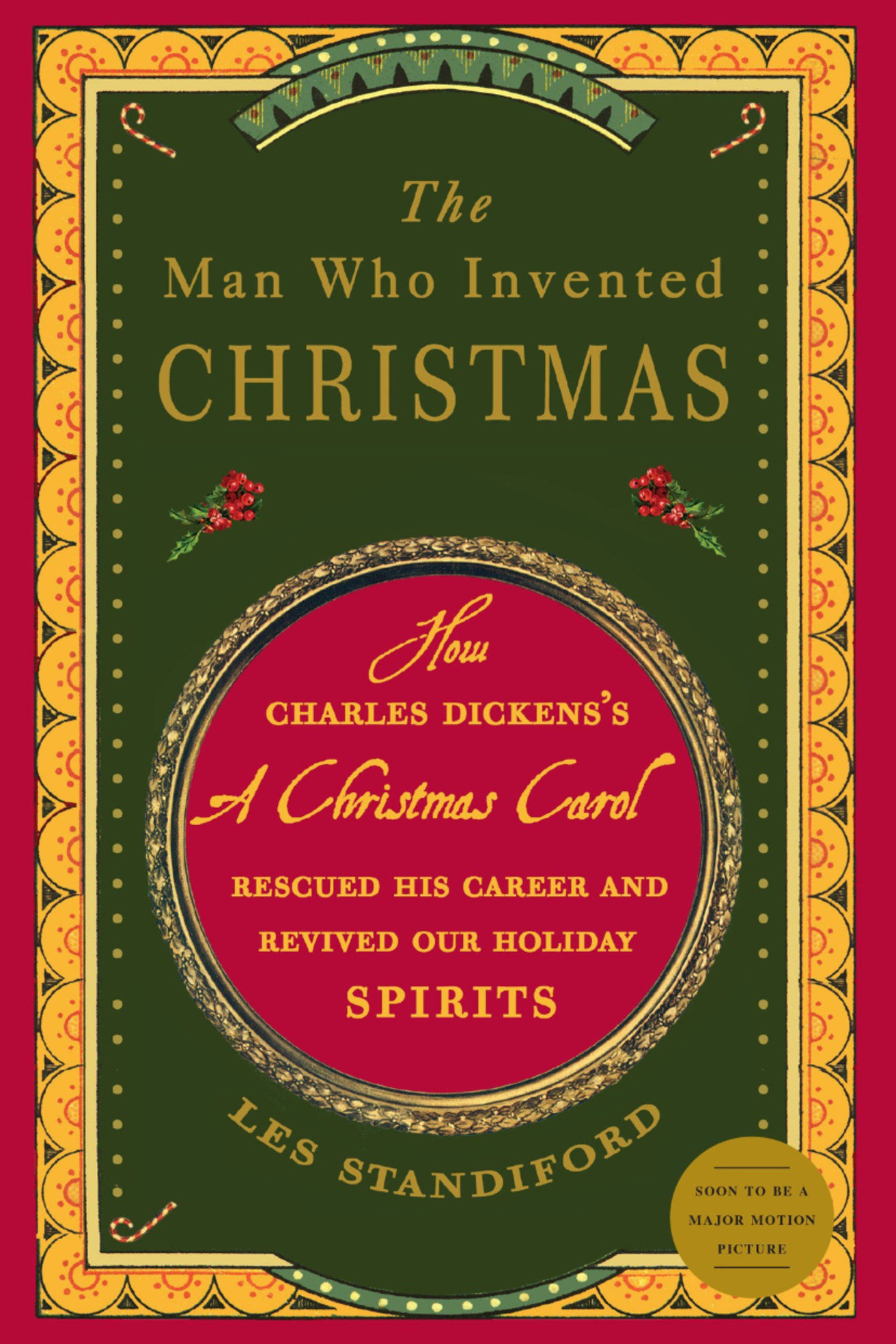
The Man Who Invented Christmas by Les Standiford. A nice and eminently readable little volume. I don’t think I gleaned any new knowledge or insights into A Christmas Carol from it, but Sandiford’s love for the story and its author is clear and captivating.
“Only Santas in the Building” by Alexis Daria. Good at what it set out to do, I suppose, but this is the sort of spicy romance I’m not really into. The instalove trope just comes across as overly goofy to me. Undoubtedly sexy and festive, though, which is, of course, the entire point.
“Krampuslauf” by Holly Black. Read this on Krampusnacht, natch. Liked the concept of this story quite a bit, but Black’s style just doesn’t do it for me. Her writing is full of fae, witchy vibes, which would normally be right up my alley, but there’s a certain superficiality to it that I find bothersome. I don’t know!
One Big Happy Family by Susan Mallery. The sort of Christmas book that I, for some godforsaken reason that a therapist can uncover for me somewhere down the line, enjoy reading the most: full of familial fracas, domestic drama, petty grievances, and needless secrets set against a festive, cozy background. Were some of the character choices maddening? Absolutely. Everyone and their literal mothers talked like therapists here, but then they would go on and take the most asinine action possible, thus undermining an already silly trait and making the characters more frustrating than they needed to be.
But, by god, did I still relish in the messiness of it all. Due to some deep-rooted trauma, I’m sure.
I did find the ending entirely too abrupt, though, but I do wonder if that is just the author setting up a possible sequel. I would be down to read it if that turns out to be the case.
Friday, Book One: The First Day of Christmas by Ed Brubaker, Marcos Martín, Muntsa Vicente. Oh, this was rad. Following a former teen detective into darker, grittier adult territory is not a novel concept by any means, but in the hands of crime fiction masterminds like Brubaker and his crew of usual artists, it makes for a striking, arresting book. I particularly loved its New England port town setting, brought to glorious Gothic life by illustrator Marcos Martín and colorist Muntsa Vicente. Brubaker’s notes at the end of this volume mention he wanted a place that was equal parts Lovecraftian and Goreyesque, and the art absolutely nails it. It’s an excruciatingly short book, as graphic novels tend to be, but I’m definitely picking up the following installments.
“Holiday Hideaway” by Mary Kay Andrews. I’m becoming increasingly aware that these sorts of holiday romcom short stories are not for me. Again, I can’t deal with the instalove trope in the best of cases, and much less when the two love interests have the personalities of a brick and a potato, respectively.
“Resting Scrooge Face” by Meghan Quinn. Of course I would enjoy another holiday-themed romance right after writing smack about them earlier. Barring some nonsense prose, this was great. I think I would have enjoyed it a lot more if it was written entirely in epistolary form, since that was the best, most engaging part of the story. As it is, though, it’s a perfectly fine, fun story full of slapstick and heart.
Landline by Rainbow Rowell. Enjoyed reading this because it’s Rainbow Rowell, and Rowell writes great situations and even greater characters. Half of that is true here (this has a great premise), but I had a much harder time finding this cast compelling. Believable? Certainly. Likeable? Not so much. Not that characters have to be endearing for a story to work, but, given that the cover proclaims this “a Christmas love story,” having something to cheer for might have been nice to include. Instead, we get a seemingly thankless relationship, which, despite how much time is spent looking at it through the rose-tinted lens of nostalgia, still seems very much sad and tragic. Because while Georgie definitely has her faults, we can all be in agreement that Neal absolutely sucks, right? Like just pick up the phone dude it’s your wife and it’s the holidays holy shit—
Sorry, but that aspect of the novel was particularly infuriating. Especially since we’re meant to feel like Georgie is the most at fault for their relationship troubles by putting her career ahead of her family so much, but we’re supposed to swoon for a milquetoast manboy who willingly gave up on his dreams and then has the gall to resent his successful wife? I’m sorry, but no. With most of Rowell’s books, even those that don’t particularly resonate with me, I can understand their popularity and appeal—but I genuinely can’t fathom how so many people could find this story the least bit romantic.
Hotel Splendide by Ludwig Bemelmans. I had to take a break from Christmas. A short, breezy read. Full of the urbane, cosmopolitan wit and verve I’ve come to admire from writers of the Jazz Age and its sister eras. Very fun, and it made me want to read more of Bemelmans’s work.
The Uncommon Reader by Alan Bennett. This was The Crown’s fault—I may have started rewatching it on a stress-induced whim. An interesting if slightly thankless thought experiment. The romanticized depiction of Queen Elizabeth brought to mind The West Wing, another narrative that dealt with real world issues through the eyes of idealized leaders. Less a “what if” and more of a “if only” kind of fable. (It also reminded me, curiously, of Robin Sloan’s fantastic “Proposal for a book to be adapted into a movie starring Dwayne The Rock Johnson,” his short story about The Rock becoming president. Uncommon Reader reads very much like an inversion of that story.)
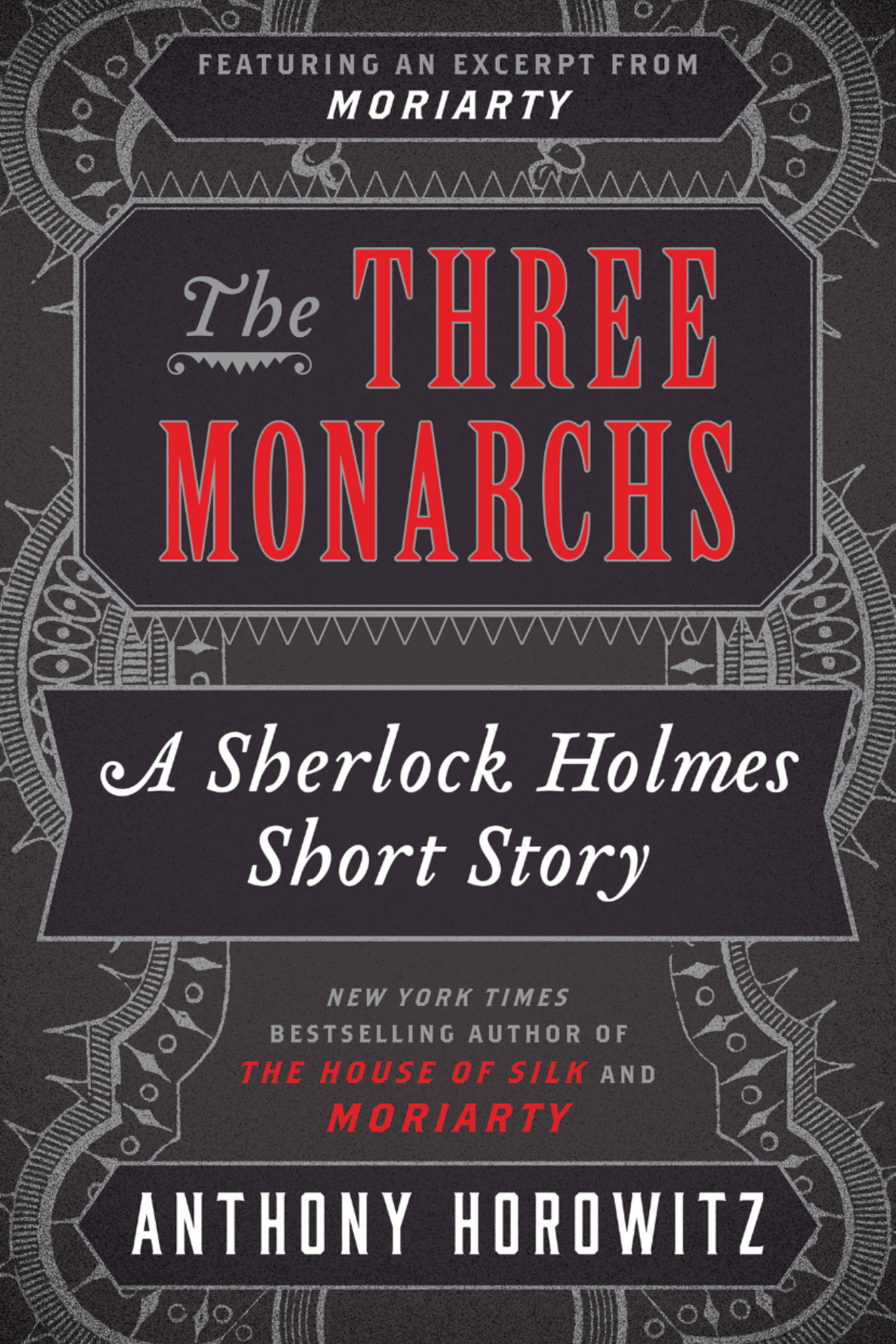
Sherlock Holmes & the Christmas Demon by James Lovegrove. A fun Yuletide yarn, though a bit overlong. Personally, I would have liked it to be more Krampus-centric than it was, since really the Christmas Demon of the title barely figures into the plot, with Holmes more or less dismissing it out of hand in the first few chapters. While I understand that one of most appealing aspects of the Holmes stories is how grounded in reality they often are, there is a precedent of pastiches with a more fantastical, supernatural bent. and I was fairly sure that’s the direction Lovegrove was heading towards, particularly when he mentions the village of Wold Newton and its famous meteorite more than once. But it was not to be. Alas. The story is undoubtedly Christmassy, though, and for that I have to give it credit.
“The Wood at Midwinter” by Susanna Clarke. Clarke is one of my absolute favorite authors, so I was all too ready to love this. Unfortunately, the story left me feeling somewhat underwhelmed. But even a slightly disappointing Susanna Clarke story is infinitely better than the output of most other writers, and this was still full of the lovely, lyrical language one has come to expect of her writing. The afterword, where Clarke writes about the inspiration behind the story, helped me understand and appreciate it more, in either case. Author notes are often my favorite part of short story collections, and I wish more writers would do them.













 ricardo reading