BROKEN DOLLS by Ally Malinenko

This review first appeared in Booklist on September 1, 2025.

Kaye is struggling with the death of her beloved grandfather, her grief manifesting in unexpected ways: compulsive counting and selective mutism. These habits help soothe her anxious mind but make it difficult to express her growing melancholy to a family that already seems to have moved on. It’s a lot for any young person to handle, and it threatens to make this summer—spent helping renovate Grampa’s old house—emotionally overwhelming. And then the dolls arrive. The first one is creepy enough—a porcelain poppet that looks eerily like her younger sister, Holly—but before long, the house is overrun with grotesque, frightening figures. Most disturbingly, the dolls seem alive; Kaye sees them moving around at night and hears them whispering in the dark. Soon, it becomes clear that these twisted toys have sinister schemes in mind for Holly—and that Kaye must reckon with her sorrow in order to save her sister’s life. This thoughtful, profoundly compassionate exploration of anxiety and grief also serves up some serious scares. Malinenko (This Appearing House, 2022) portrays Kaye’s emotional journey in a way that feels real, relatable, and resonant, without ever sacrificing the story’s suspense. A perfect pick for fans of Katherine Arden’s Small Spaces (2018) and Lindsay Currie’s What Lives in the Woods (2021).

LET’S SPLIT UP by Bill Wood

This review first appeared in Booklist on September 1, 2025.

When the mutilated bodies of two popular students turn up inside an ancient, decrepit mansion on the outskirts of Sanera, California, rumors spread like wildfire—chief among them that the gruesome deed was the work of the malevolent spirit said to haunt the historic house. Friends Amber, Cam, and Jonesy are particularly shaken by the news of their murdered classmates. With encouragement from Buffy—the new girl in town, eager to make a good impression—they set out to unravel the mystery. Whether the culprit is a supernatural slayer or a living, breathing killer, the bodies begin to pile up. And when the intrepid friends become targets themselves, they must come together as a group . . . or die. Debut author Wood wears his influences on his bloody sleeves, delivering a fast-paced homage to the slasher genre, brimming with knowing winks and genuine thrills. While it treads familiar ground, Wood’s enthusiasm for the material is evident and infectious, making for a lively read. Readers who enjoy horror with a healthy dose of playful self-awareness will have a great time solving mysteries with these meddling kids.

THE SILENCED by Diana Rodriguez Wallach

This review first appeared in Booklist on September 1, 2025.

Hazel Perez thinks the worst part of her latest school project is being grouped with her ex–best friend, Becca. But then a research trip to their chosen subject—the long-abandoned Oakwell Farms School for Girls—ends with Hazel falling through a roof. She wakes up in the hospital with a broken arm, a concussion, and a ghostly hitchhiker. An angry, vengeful spirit has latched onto her, and it’s threatening to take over. Desperate to break free, Hazel starts digging into the Farm’s past, soon uncovering decades of unspeakable abuse by the men who ran the place unchecked. With help from family, renewed friendships, and budding romance, Hazel works to expose the Farm’s cruel history, hoping to restore the voices of silenced women and bring peace to the restless spirits that were left behind. Blending supernatural suspense with harrowing historical fact, Wallach shines a scathing spotlight on the deeply disturbing troubled-teen industry through a haunting tale of justice and grief, where the true terror lies not in the ghosts but in the atrocities that created them. 

JULY 2025

Hello. This was July—a month in which I did little personal reading because life lately has been nothing but relentless. Let’s not dwell on that, though. 

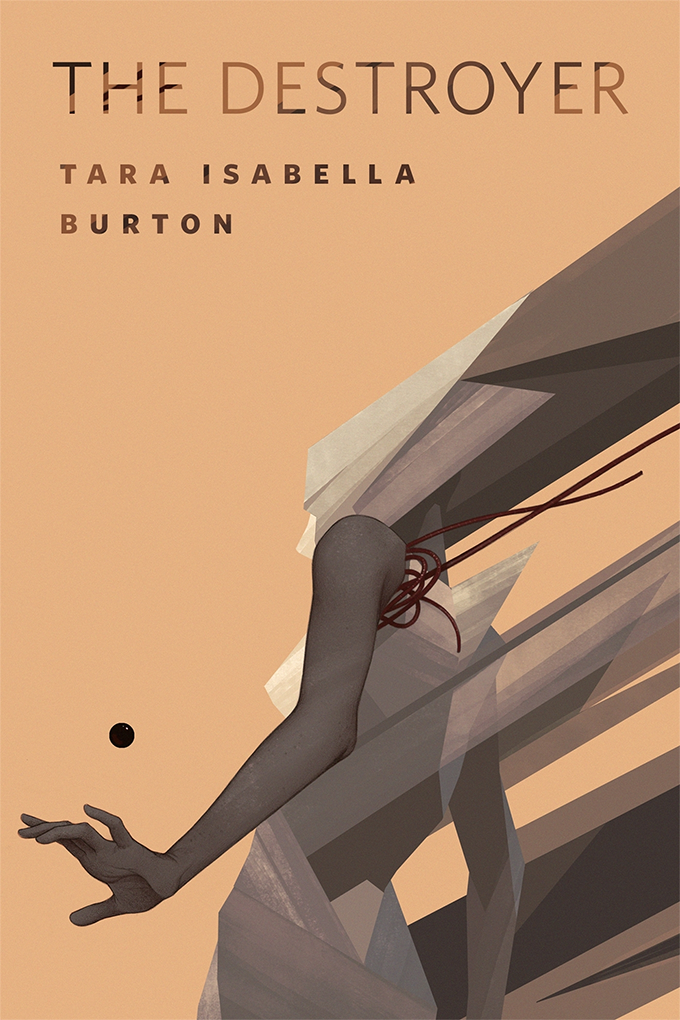
“The Destroyer” by Tara Isabella Burton. This short story about mothers, daughters, the future and fascism was, like life, utterly relentless. But my god was it beautifully, devastatingly written. I loved everything about this, and I wouldn’t be at all surprised if it ends up being my favorite short story read this year. 

I also listened to the LeVar Burton Reads episode on it, and it was, of course, excellent. Recommended.

The Talented Mr. Ripley by Patricia Highsmith. Oh, that Tom Ripley—what an anxious little weirdo. The only novel I managed to read recreationally this past month, but it was my main summer book, so I’m glad I got to it. I actually just recently watched the 1999 film adaptation for the first time last year, and my notes for it mostly consist of me regretting that it took me so damn long, since its mid-century murder vibes are so up my alley. I ended up feeling the same way about the book—even enjoying it slightly more than the movie, mostly because we got to bask in its opulent Mediterranean atmosphere for much longer. Highsmith was a great character writer, and Tom Ripley is one of the most fascinating fictional figures I’ve ever come across. I finished this wanting not only to check out the Ripley sequels, but Highsmith’s other works as well (Strangers on a Train, in particular). Excellent stuff. 

And that was July. We’re barely a week into August, but it’s already dealt some devastating blows that have left me not only drained but well and truly broken, so apologies if this write-up is a little lacking. We carry on, though. Until next time.


BOOKS BOUGHT—HALLOWEEN LOOMS:

  • The Work of Art: How Something Comes from Nothing by Adam Moss
  • Double or Nothing by Kim Sherwood
  • Poe’s Children edited by Peter Straub
  • Terror in Tiny Town by A.G. Cascone
  • The Girl Who Cried Monster by R.L. Stine
  • The Curse of the Mummy’s Tomb by R.L. Stine
  • Cycle of the Werewolf by Stephen King
  • Classic Monsters Unleashed edited by James Aquilone
  • Bride of the Castle by John DeChancie
  • Anno Dracula by Kim Newman

SONGS FOR GHOSTS by Clara Kumagai

This review first appeared in Booklist on August 1, 2025.

For Adam, life feels like a series of struggles. At home, tensions with his distant father and wary stepmother are coming to a head. At school, with college looming, there’s pressure to decide his future—particularly whether he wants to pursue music professionally, which he enjoys but doesn’t feel especially passionate about. Emotionally, he feels heartbroken and adrift, unsure if he truly belongs anywhere. Then he finds a kindred spirit in a diary written a century ago by a passionate, independent young woman whose experiences seem to mirror his own. But she also writes about ghosts that come to her in the night, seeking solace. Adam assumes this is mere metaphor—until he’s suddenly haunted by the woman’s own restless, sullen spirit. Hoping to give her peace, Adam embarks on a journey to unravel not only the mysteries of a tangled past but also those of his own tumultuous present. Lyrical and haunting, Kumagai’s ghostly tale of love and identity is a testament to the healing power of story and its capacity to bridge divides between cultures and generations. Based on Giacomo Puccini’s Madama Butterfly, this is an act of reclamation, telling the story from the perspective of the opera’s most marginalized character and illuminating often overlooked aspects of Japanese life in the early twentieth century. A beautiful and necessary work.

THE PUMPKIN PRINCESS AND THE BURIED CASTLE by Steven Banbury

This review first appeared in Booklist on August 1, 2025.

Peculiar things have been happening to Eve ever since the events of the Forever Night transpired nearly a year ago—when, thanks to the undead denizens of Hallowell Valley, her life changed forever. Or was it her death? The Pumpkin Princess isn’t quite sure anymore. Now she’s dealing with some weird and magical changes: breathing fire like her adoptive father, the Pumpkin King; drifting through walls like her ghostly neighbors; and, apparently, being the only one who can see the mysterious shadow with glowing green eyes lurking around town. Then, on All Hallows’ Eve, the shady specter approaches her, presenting her with a tempting but impossible choice—one that comes with catastrophic consequences no matter what she decides. In the disastrous aftermath, Eve must steadfastly step into her role as princess and steward to save not only the land of the undead but also the world of the living. In this sequel to The Pumpkin Princess and the Forever Night (2024), Banbury significantly expands his enchanting world with fresh faces, new dangers, and remarkable revelations. While the numerous additions make the plot feel a little convoluted at times, they also offer ample opportunities for meaningful character growth, particularly among the supporting cast, which truly gets to shine in this bewitching tale of friendship, family, and fairness. Another fantastic fall fable.

JUNE 2025

Hello. This was June. A month that somehow felt both interminable and entirely too short. But that’s par for the course these days, isn’t it? Everything is weird—why shouldn’t time also feel odd? Anyway. I managed to read a few things:

Carte Blanche by Jeffery Deaver. I planned on spending my summer reading a bunch of thrillers, and this was a good one with which to start. It’s a James Bond affair, so of course I would have fun with it. Definitely overlong, though, and the plot was far too convoluted for what the villainous scheme ultimately turned out to be. But again: it’s Bond. 

Carte Blanche was one of Ian Fleming Publications’ many attempts to reboot and modernize their literary character, which is always a bit of a mixed-bag endeavor. I liked Deaver’s present-day interpretation of 007 for the most part, but the image of Bond constantly checking his cell phone can’t help but feel a bit silly—even the current films avoid doing that too much. At times, the writing did genuinely feel like an update of Fleming’s, though, and that’s not the easiest thing in the world to pull off, so it’s a shame Deaver didn’t go on to write more Bond novels. I would have liked to see him play around in this world some more.

The Woman in Cabin 10 by Ruth Ware. This locked-room mystery set on a luxury cruise was… very lackluster. I just found the protagonist exasperating, and the overall plot—particularly the way it unraveled—even more so. There’s never any real sense of menace besides the main character’s pronounced paranoia. Still, it kept me turning the pages and made for a quick read, which is sometimes the most you can ask of these mass-market mysteries.

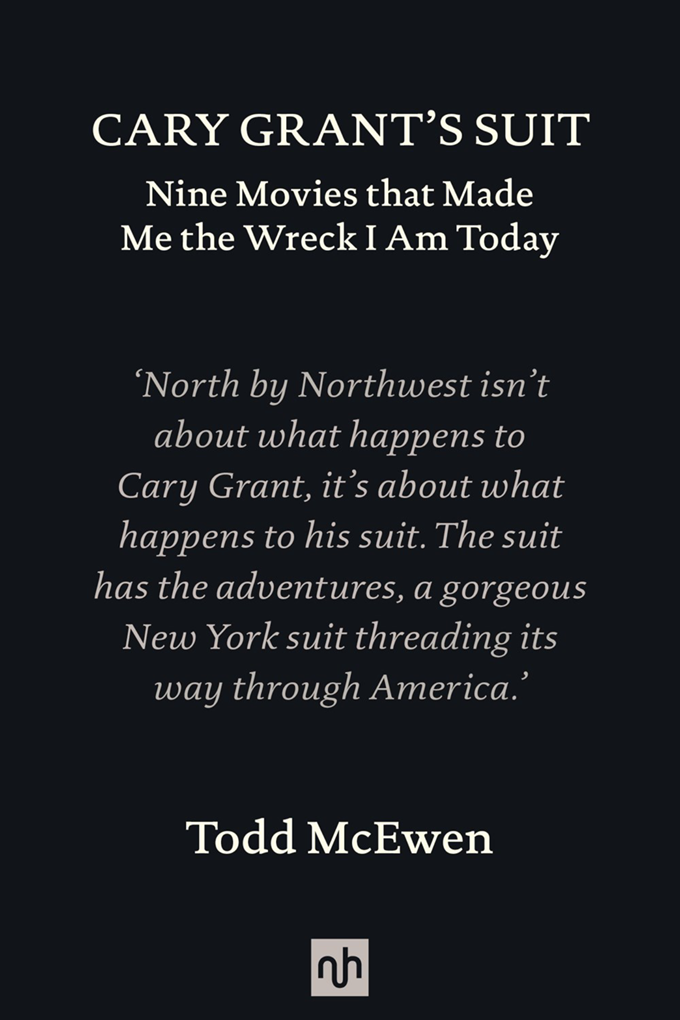
Cary Grant’s Suit by Todd McEwen. Bought this collection of essays mostly because of the title, to be perfectly honest. But also, unconventional nonfiction books focusing on Very Specific Things are some of my favorite reads. This one turned out to be more memoir than movie musings, though, which diminished my enjoyment a bit. McEwen is a very stylistic writer (O, but the Tom Wolfe influence is palpable!!!). He’s also very funny—which is good because I found myself disagreeing with him a lot. At this point in my reading life, though, I find that increasingly delightful. Have you ever ranted at a book? Highly recommend. Very cathartic.

Some solid pieces here, but the titular essay is, naturally, the best. Also, I picked this up right after rewatching To Catch a Thief, so I figure it must follow that I rewatch North by Northwest now. That suit! Cary Grant—genuinely one of the best to ever wear clothes.

“Bullet in the Brain” by Tobias Wolff. Robin Sloan shouted out this story in his newsletter a few months back, saying that all good short stories are essentially about death—making this incredibly brief piece from Tobias Wolff, by definition, a perfect short story. I don’t disagree. A man is shot and his life flashes before his eyes is definitely a cliché, but stories like this are a testament to how powerfully tired tropes can still resonate in the hands of skillful writers. Straight and to the point, with not a single line or word wasted.

And that was June. See you next month.


BOOKS BOUGHT—SUMMERY VIBES CLEARLY SOUGHT:

  • The Woman in Cabin 10 by Ruth Ware
  • The Beach by Alex Garland
  • Trick Mirror by Jia Tolentino
  • The Moving Target by Ross Macdonald
  • Weekend by Christopher Pike

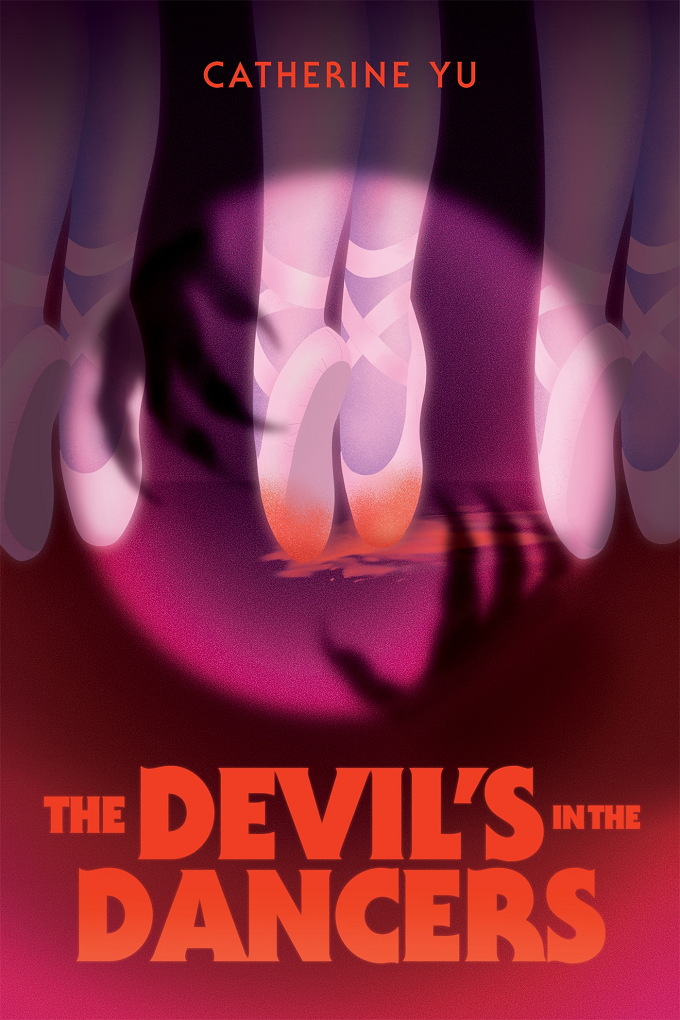
THE DEVIL’S IN THE DANCERS by Catherine Yu

This review first appeared in Booklist on July 1, 2025.

Mars Chang has just landed a summer scholarship at the Allegra Academy, a prestigious ballet institution that could open many distinguished doors for the young, ambitious dancer. Once there, however, she’s met with disdain due to her modest background, quickly learning that at this esteemed institution, class and legacy matter more than talent and skill. But she presses on, dancing through the derision gracefully enough to catch the attention of the school’s venal, venerated founder. Mars is soon thrust into a corrupt choreography, perilously pirouetting around the academy’s darker deeds. When these nefarious affairs put the life of her budding crush in danger, Mars must decide whether her passions and aspirations are worth sacrificing her conscience and sense of self. Yu’s intense ballet drama is as much a critique of class divisions as it is an adolescent melodrama of ambition and moral conflict, and the feints and flourishes will keep readers riveted. Present alongside other visceral stagings of elitism and entitlement, such as A. K. Small’s Bright Burning Stars (2019) and Erica Ridley’s The Protégée (2025).

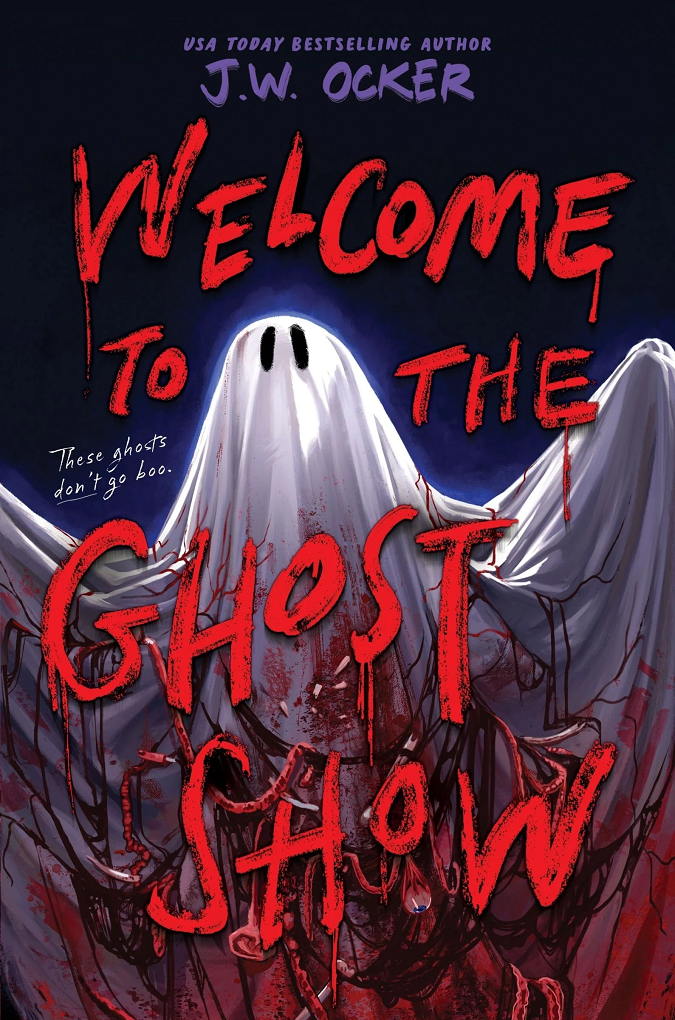
WELCOME TO THE GHOST SHOW by J.W. Ocker

This review first appeared in Booklist on July 1, 2025.

Hazel “Zel” Gold longs to see ghosts. Along with her friends and fellow aficionados of the weird, Theo and Lucien, she forms the Creepy Club, a group dedicated to exploring the lurid and eerie corners of their small Maryland town in search of anything remotely paranormal. One day, ominous posters appear around town, heralding the arrival of the Ghost Show, a mysterious traveling attraction that claims to feature real ghosts. The Creepy Club jumps at the chance to finally witness some supernatural spectacle, only to find the show spearheaded by the imposing and enigmatic Everest Nocturama Mancer, a self-professed ghost catcher who plans to exploit the town’s tragic, haunted history for his own ghastly purposes. It’s up to Zel and her friends to save not only their bereaved community but also the suffering spirits ensnared in Mancer’s grasp. Ocker conjures a magnificently macabre and gleefully grotesque tale that’s as much a celebration of the odd and the peculiar as it is a thoughtful and affecting meditation on mortality, grief, and the painful process of letting go.

MAY 2025

Hello. This was May. A criminal month.

The Human Bullet by Benjamin Percy. Genuinely, my only gripe is that I wish it had been a longer story. The premise is phenomenal (man wakes up from a coma after being shot in the head, dreaming all the while of a vastly different life—his reality, consequently, blurs), but Percy’s pitch-perfect pulp prose is pretty much the star of the show. This was just fantastic. I enjoyed it so much that I immediately went searching for anything else Percy has written. (Turns out I had already read something of his before, and I just didn’t remember: the Black Box arc of Dynamite’s James Bond comic, which I also quite enjoyed.)

American Criminal by Benjamin Percy. Percy is two for two. This was brilliant. A story about a heist artist who rips off other heist artists that reads like a modernized, infinitely more personable version of Richard Stark’s Parker character. I dug every single page of it. Percy is two for two, and he might just be a new favorite author.

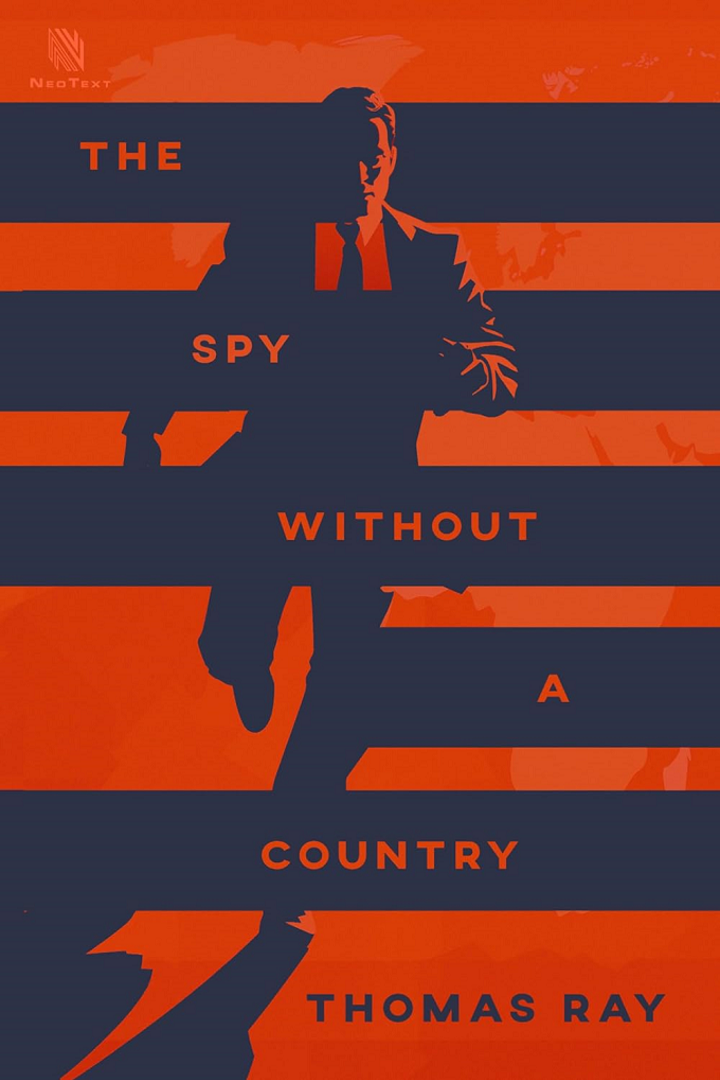
The Spy Without a Country by Thomas Ray. A US intelligence officer wakes up in the middle of a car wreck full of dead bodies with no memory of how he got there. Reasoning that his cover has been blown, he opts to come in from the cold—only to find that his handlers and fellow agents have no idea who he is. This is Black Mirror meets The Bourne Identity, and I was absolutely into it. Outlandish, to be sure, but made palatable thanks to Ray’s stark, straightforward style. It does get a little repetitive, though—particularly at the halfway mark, which is inherently circuitous—but overall, a very solid, sly spy story.

Heat 2 by Michael Mann, Meg Gardiner. Promptly going to shove this book into the hands of anyone and everyone who says novels can’t be as visceral, heart-pounding, and immediate as the best of thrillers. There are sequences here (multiple!) that rival scenes from the original classic film. I literally had to put it down a couple of times (multiple!) just to catch my bearings. What a ride. And what an inadvertent homage to Val Kilmer. His portrayal of Shiherlis was instantly iconic, and the character is considerably fleshed out and humanized in this epic novel.

Also, Michael Mann’s directorial style is so distinctive and visual that you wouldn’t expect it to translate well into prose—but I’ll be damned if he and Gardiner didn’t pull it off. Heat 2 is stylish as hell. It just exudes cool.

I know a film adaptation is inevitable—and I am certainly interested in seeing how that pans out—but what a brilliant move to do this story as a novel first. There’s so much going on here—enough to fuel multiple movies, let alone one. A wonderful, relentless beast of a novel. I loved the hell out of this.

Y2K: How the 2000s Became Everything (Essays on the Future That Never Was) by Colette Shade. I watched the original Bourne trilogy for the first time recently and found it to be such a perfect portrayal of a particular point in time that it sent me down a serious rabbit hole of early-aughts nostalgia—in particular, the aesthetics of the era. This, in turn, led me to learn about this recently released collection of essays. So, I had to get it. Obviously.

Of course, this turned out to be less about the visuals and vibes of a bygone era and more about the cultural anxieties and preoccupations of the time—and it is so much better for it. While I initially went into it for the nostalgia (and, to be perfectly fair, there is plenty of it here), I came to appreciate Shade’s surprisingly nuanced observations on many of the political choices and social mores of the era that would, eventually and inevitably, come to shape our modern Western malaise. (Spoiler alert: it was mostly capitalism’s fault.)

Obviously, though, this couldn’t truly be a work about the Millennial condition without some cringe involved. Shade comes from a relatively privileged background (her upbringing was solidly middle class, and she was gifted Nokia stock to help pay for college), and some of her takes can read, at best, a little naive, and at worst, entitled. 

Shade demonstrates enough self-awareness to acknowledge her oversights, and they’re never severe enough to undermine her core argument, which is, essentially: our generation was promised a vibrant, flourishing future—and it was denied to us. Shade distills the shared anger and resentment stemming from that betrayal into a potent, poignant, and exceptionally readable volume.

I can’t really listen to music while I’m working my way through a book, but whenever I wasn’t reading, I was playing TLC’s “No Scrubs” and Moby’s “Porcelain” on a loop, pretty much. Seemed like the appropriate thing to do.

“The Havana Run” by Ace Atkins. I wanted a short story with summery, Caribbean vibes to close out the month, and this seemed to fit the bill. It had a solid premise—two down-on-their-luck former journalists take on a job retrieving some valuables from Cuba, only to find themselves caught in a criminal web of conspiracy and deceit—but I found the execution a bit lacking. It’s a light crime caper, but it never quite struck the right balance between humor and intensity. Still, Atkins’s writing is lively and sleek, and it kept the story moving along at a modest clip.

And those were the month’s misdeeds.


BOOKS BOUGHT—A THEME EMERGES SOMEWHAT:

  • American Criminal by Benjamin Percy
  • North Border by Benjamin Percy
  • Bystanders by Benjamin Percy
  • High by Adam Roberts
  • Stealing for the Sky by Adam Roberts
  • The Spy Without a Country by Thomas Ray
  • Monk and Robot by Becky Chambers
  • Slayground by Richard Stark
  • The Talented Mr. Ripley by Patricia Highsmith
  • The Bourne Identity by Robert Ludlum
  • Y2K: How the 2000s Became Everything (Essays on the Future That Never Was) by Colette Shade