DECEMBER 2025

Hello. This was December. In sharp contrast to Halloween, when I was still very much in the bowels of what I tend to call The Gloom, I was starting to feel a lot more like myself as the Christmas season approached. Which meant I was able to get more into the spirit of things. Which meant, of course, a lot of themed reading. 
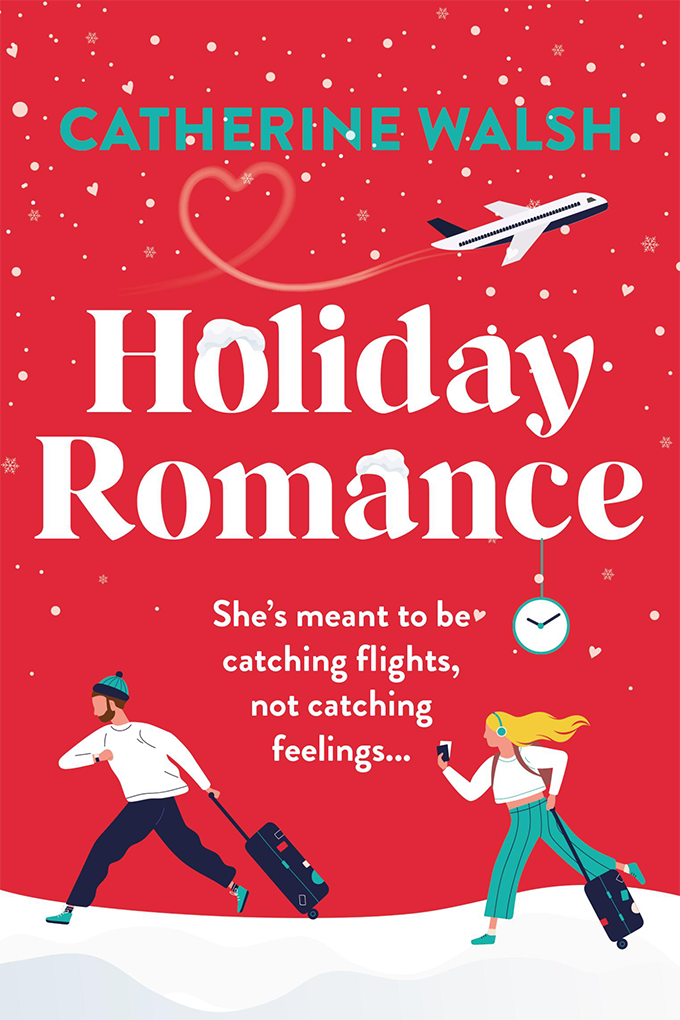
Holiday Romance by Catherine Walsh.This had a great premise, but I feel it wasn’t used as effectively as it could have been. Some chapters that felt like they should have a bit of breathing room are rushed through, whereas other, somewhat more trivial scenes tended to drag on and on. The characters are charming as anything, though, and I liked it enough to pick up the sort-of sequel announced at the end of this book. Sometimes you just want to read hokey stuff for the holidays, what can I tell you.

A Mistletoe Kiss” by Catherine Walsh. A short epilogue to Holiday Romance. I liked it more than the actual book. It was cute as hell, what can I tell you.

“The Stranger Things They Carried” by Casey McConahay. This was written for McSweeney’s, so it’s definitely meant to be satirical and irreverent, but it’s also genuinely good. Despite some of my criticisms and misgivings (I found the final season mostly bland do not @ me), I’m entirely too fond of this show and its characters.

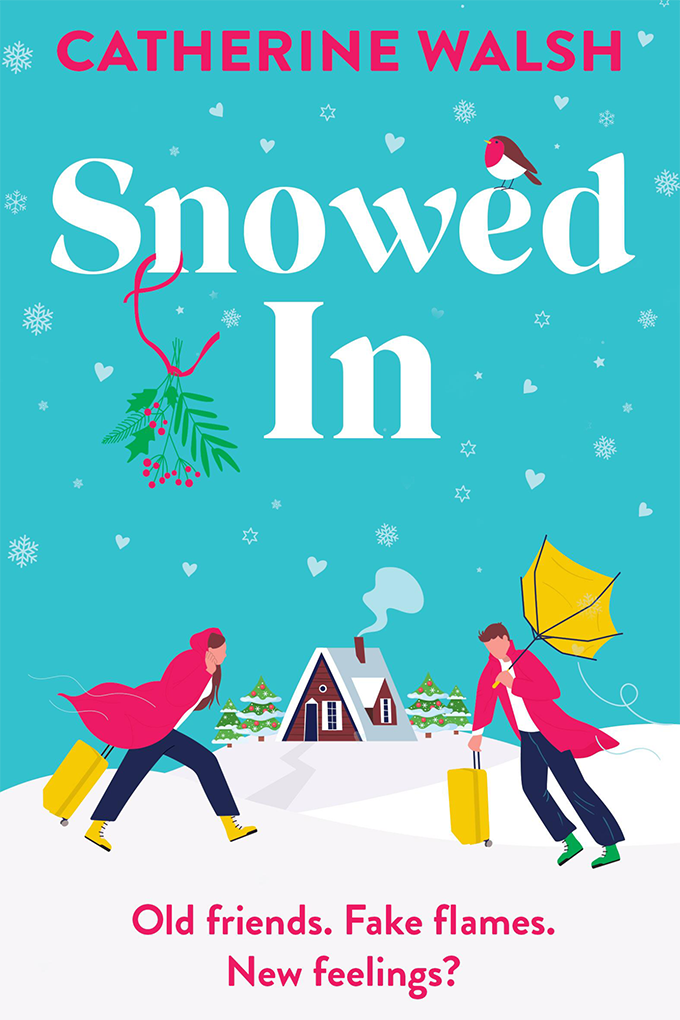
Snowed In by Catherine Walsh. And I liked this one a hell of a lot better than its predecessor. The characters were much more to my liking, and their chemistry felt much more believable. I’ve thought I’d find the fake-dating trope unappealing and tedious, but I guess that, like every other trope in existence, it entirely depends on how it’s executed, and I thought it was done exceptionally well here. I certainly bought into it. It does feel a tad overlong, though, something that it shares with Holiday Romance, but I enjoy spending time with the fictional Fitzpatrick family, what can I tell you.

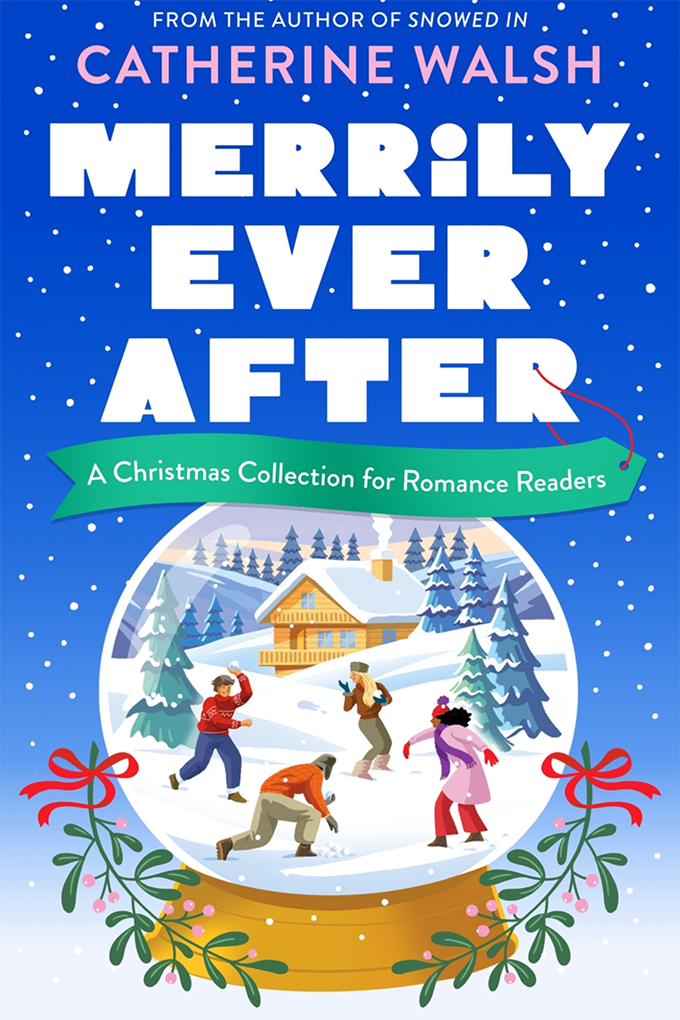
Merrily Ever After by Catherine Walsh. …So much so that I immediately bought the short story collection after finishing Snowed In. So, fine, I suppose I’m a Catherine Walsh fan now. Again, I just really like the Fitzpatricks and their friends, and this was a delightful, appropriately cheerful, and charming collection of stories. Zoe’s was my favorite, naturally, because Zoe’s great. Oliver’s was my second favorite, which caught me by surprise, because I found him to be a somewhat forgettable character in Holiday Romance. Sean’s was entirely too sweet for me not to fall for it. Hannah’s story was the weakest, I found, but still a lot of fun. Walsh’s dialogue is warm and witty, and I enjoy reading about warm and witty characters who handle everything like adults, even amidst all the Christmas shenanigans. I liked this collection a lot, what can I tell you.

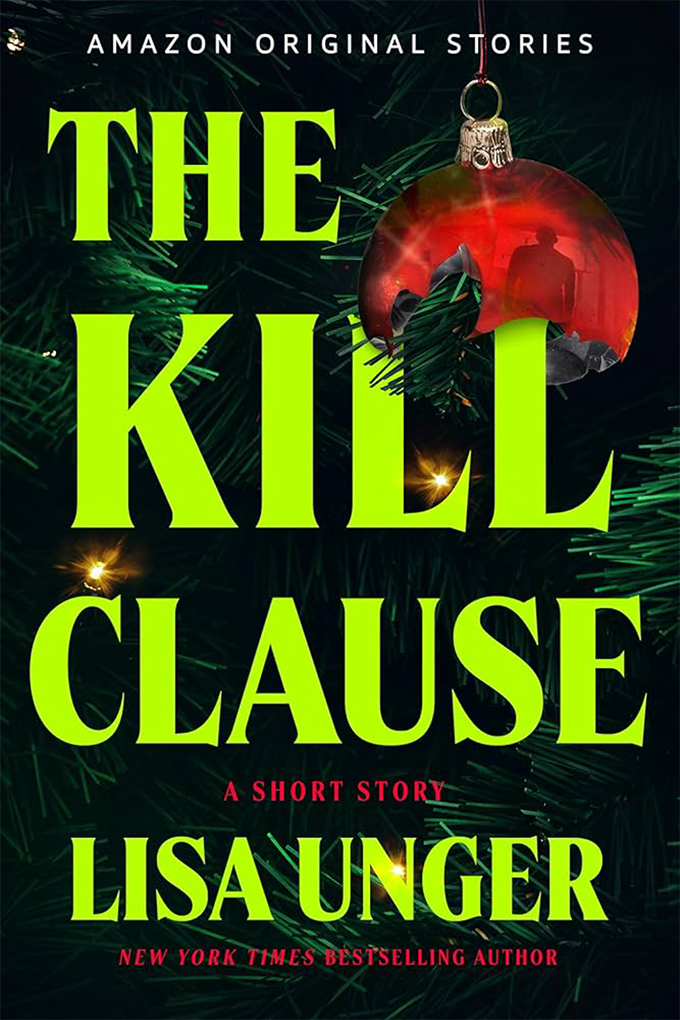
“The Kill Clause” by Lisa Unger. Not an original premise by any means (it felt like an episode of Mr. & Mrs. Smith), but competently written and told. I wish this were a bit more Christmassy, though. I didn’t really feel the holiday vibes. Undoubtedly entertaining, though.

“The Adventure of the Blue Carbuncle” by Arthur Conan Doyle. For the life of me I can’t recall if I had ever read this before. It feels like I have, but if I did, I had forgotten all of the particulars. I didn’t even remember what a carbuncle was. Anyway. A short but super fun Holmes affair with a great wintry atmosphere (there’s little I love more than reading about coats and scarves and gaslight). Bit of a nothing ending, though. 

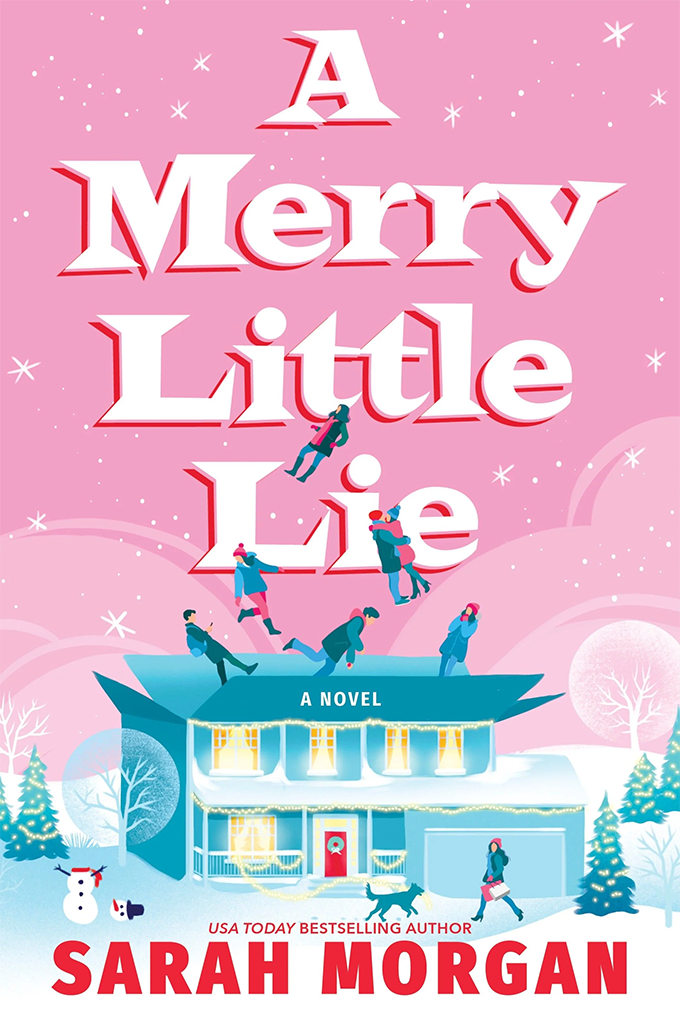
A Merry Little Lie by Sarah Morgan. This turned out to be something of a lackluster read, unfortunately. A shame, since stories of Christmas chaos tend to be among my favorite things to read during the holiday season. In many ways, it reminded me of One Big Happy Family, another seasonal novel full of familial chaos, with the inexplicable tendency for nearly every character to talk and act like a therapist—often letting the steam out of what might otherwise have been a pressure-cooker plot. At least that story had something of an edge and a semblance of stakes. Merry Little Lie, in contrast, had little going for it. Everyone in this novel had secrets, to be sure, but even before they are revealed, the other characters have not only mostly figured them out, but also completely understood where they are coming from. This kind of empathetic behavior is commendable and, indeed, ideal in real life, but it is deathly dull in the realm of fiction, again serving only to eliminate what little tension your plot might have had. Alas. Still, it wasn’t without its charm, so I didn’t loathe my experience with it. I simply expected more.

“Understanding the Science” by Camille Bordas. Like most short stories with a literary fiction bent, I had no idea what to think about this one, other than I enjoyed its melancholy, reflective vibe.

Told After Supper: Ghostly Tales for Christmas Eve by Jerome K. Jerome. A sort of send-up of the storied tradition of telling ghost tales at Christmastime by the famed humorist. It’s charmingly and cleverly written, but I wish I had enjoyed this parody as much as I enjoy the tradition it so affectionately spoofed. This little volume is filled with marvelously macabre illustrations by the magnificently named late-Victorian illustrator K.M. Skeaping, which do as much as the text in creating atmosphere. Delightful work.

And that was December. And that was 2025. It was mostly a lovely holiday season, for a change. As for the year… well, it can just go straight to hell. 

The blog will be looking a bit different in 2026, as I’ll be stepping away from monthly wrap-ups and focusing mainly on my Booklist reviews. I love doing these summaries, but I often found myself speeding through books just for the sake of having more to write about, or picking up volumes I didn’t much want to read at the time, simply because I figured they would make for a nice feature. And that’s just a poor way to go about reading. I want to return to how I read before the dominance of  blogs and social media: intrepidly and intentionally, caring for little else than fully and wholly enjoying the stories before me, rather than appeasing an algorithm or an imagined, exacting audience. I don’t know. We shall see.

Until next time.


BOOKS BOUGHT—AND ANYWAY IT’S CHRISTMAS: 

  • Snowed In by Catherine Walsh
  • A Christmas Menagerie by Keith Simpkins
  • The Friday Afternoon Club by Griffin Dunne
  • Castle Skull by John Dickson Carr
  • The Corpse in the Waxwork by John Dickson Carr
  • Mystery in White by J. Jefferson Farjeon

(This is the last we’ll be seeing of this segment, too—I believe I’ve held myself accountable enough.)

NOVEMBER 2025

This was November.

November was for murder.

Mostly.

No Country for Old Men by Cormac McCarthy. My first McCarthy. By all accounts, the easiest of his books to get into, which I guess is why I went with it. Still a fairly dense read, though—at least thematically. I thought I would find his famously unconventional writing style off-putting, but I actually loved it. Which, of course, I would: I went from reading stuff like Harry Potter in my early adolescence right into distinctive, experimental books like A Heartbreaking Work of Staggering Genius and The People of Paper in my angsty teenage years. The sheer stylization of these books is a huge part of why I fell in love with them, and I got a similar sensation with this one.

This is, of course, a bleak-as-hell narrative—though not without its heart or charm. I found it quite funny at times. At others, profound. At others still, disturbing. The segment near the end where Moss picks up a teenage hitchhiker and forms a strange and worrying rapport with her that leads—spoilers, I suppose—to both their deaths was unsettling to read in light of the recent revelations concerning McCarthy’s own youthful muse. Something to reckon with when reading the works of proficient, problematic, painfully flawed people.

The Last Devil to Die by Richard Osman. I thought the plot was a bit too meandering and all over the place at first, and it seemed to be on track to become my least-enjoyed Murder Club adventure. But then we got to the halfway point—the literal heart of the book, as it were—and I could not stop bawling for the next scattering of chapters, so of course I ended up absolutely loving it. It helps, too, that the twists were all genuinely thrilling and deeply satisfying. Again, some of the most beautiful characters I’ve ever come across. What a gift they all are.

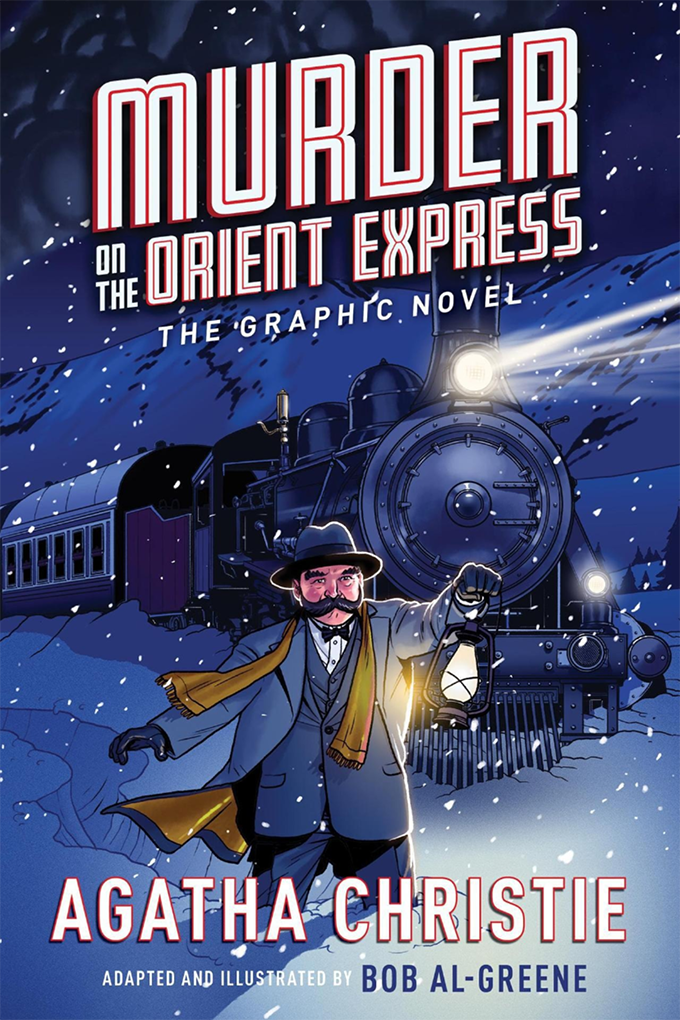
Murder on the Orient Express: The Graphic Novel by Agatha Christie, adapted and illustrated by Bob Al-Greene. A very solid adaptation. I really dug Al-Greene’s portrayal of Poirot, which seems to pay homage to every interpretation of the character: David Suchet’s intense stare, Peter Ustinov’s stocky build, Kenneth Branagh’s ridiculous and amazing mustache. I was very into it. I liked the art style, for the most part, though it did feel somewhat static, at times. I realize these books are mostly just people standing around and talking, but there are, I think, more dynamic ways to portray that. Overall, very good. I was once again reminded how, despite pretty much every adaptation of this story treating it as this huge, sensational case that makes Poirot question the very nature of morality, the book version is very much like, “There’s another case solved. Anyway!” and I’ve always found that discrepancy between renditions highly amusing.

The Impossible Fortune by Richard Osman. Again, I enjoyed reading this because I love these characters so much, but I definitely found this the weakest book yet. It’s overlong and a little aimless. Osman is usually very good at juggling large casts, but with this one, he probably had too many up in the air—he didn’t seem to know quite what to do with them. Characters would unceremoniously disappear for chapters at a time, only to be brought back and contribute next to nothing. Joyce was the most egregious example here—her throughline with Jasper was lovely and thematically rich, and it felt like it was going to play a larger part, only to be more or less put on the back burner. Joyce has always been the beating heart and soul of these stories, so this treatment was fairly disappointing.

That said, I loved everything with Connie, Tia, and Ibrahim. And I particularly loved the subplot with the Ritchies. Kendrick is a wonderful character, and it’s about time Ron got to properly shine in one of these, although all the mentions of his failing health kept breaking my heart. One thing I love about this series is its treatment of its elderly characters: they’re proper grafters and go-getters—roles we don’t normally see people their age in—and that’s always a fun and thrilling thing. But it doesn’t shy away from the reality of aging. These are people in their twilight years, after all, and their bodies and minds are slowly but surely giving out on them. That doesn’t mean they shouldn’t have their dignity, however, and Osman does his damnedest to give it to them. It’s the most poignant aspect of these books, and a large part of why I will keep returning to them.

Medium Raw by Anthony Bourdain. At least once a year, I find myself intensely missing Bourdain’s voice. Usually, I just watch one of his shows again (the underappreciated—even by Bourdain himself—The Layover remains one of my comfort shows). This time I went for another of his books. This is actually only my second Bourdain book. I don’t know why it’s taken me so long to get to them. (That’s not exactly true—the reality is that they make me sad.)
This is more a collection of essays, and the balance can sometimes leave a lot to be desired. There are some “hit pieces” that fall flat, mostly because they feel like Bourdain holding on to the remnants of a past, rowdier self. There are others that ring more true, because the anger behind them comes from a righteous place. But, as always, Bourdain is at his best when he writes outside of himself. He was, above all, an enthusiast, and that comes through the most in the pieces that focus on fellow culinary figures and past colleagues he still admires and respects.

The best of these essays happen to come back-to-back: his particularly professional profile of David Chang and his affectionately tender and reverent ode to Justo Thomas, the fish butcher at Le Bernardin. My absolute favorite piece, though, is “Lust,” a rapturous, orgiastic, around-the-world tour in which Bourdain tells us about some of the great dishes he’s had, the places that influenced them, and, most importantly, the people who made them. A bloody valentine indeed.

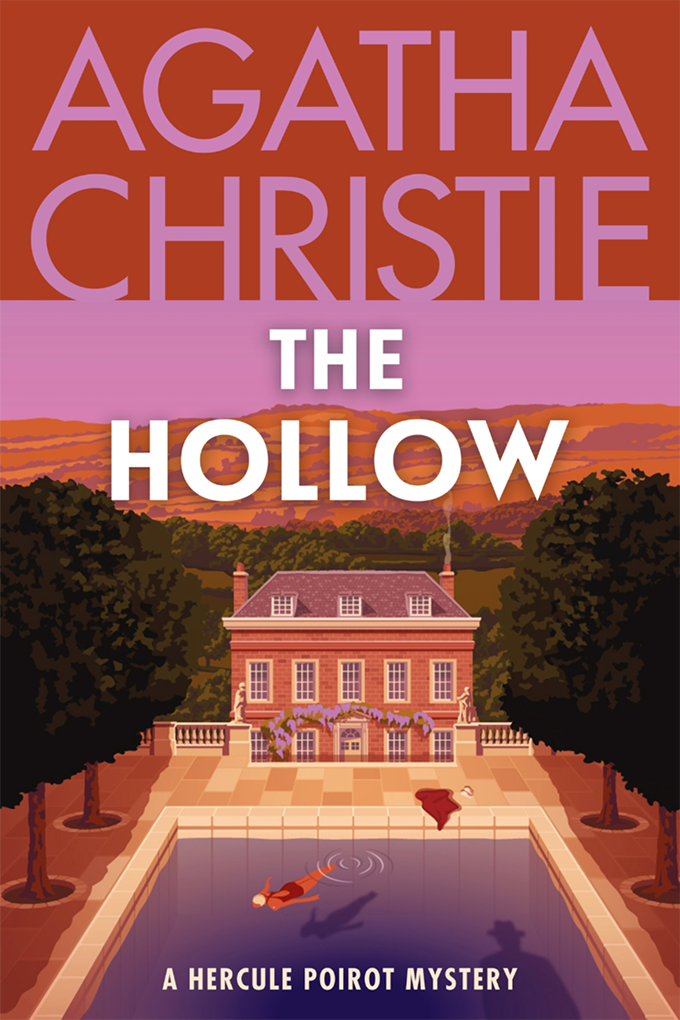
The Hollow by Agatha Christie. This one took a while to get going, but once it did, I found it to be one of Christie’s most thought-provoking and psychologically nuanced books—of the ones I’ve read so far, at least. There are a lot of interesting attitudes and viewpoints explored here. Lady Angkatell is the most conspicuous example, of course. She’s so very clearly a neurodivergent character, and it’s fascinating to read about this from the perspective of someone who never really had the proper language for it. It’s an empathetic portrayal, to be sure, but also a condescending one, what with all the talk of the matriarch’s nature being childlike and ethereal, almost like a faerie—not a proper person, in other words. I did love that she was a bit of an asshole, though, rather than an ingénue. Neuroatypical folks can be assholes! (The role of the ingénue is instead fulfilled by the victim’s precocious son.)
Then there’s Henrietta, whom Christie uses to explore how creative people can sometimes feel disconnected from their emotions and reality, as though they’re observing their own lives from a distance. It’s a theme I’ve read a lot about, but I love Christie’s approach here: somewhat tortured, somewhat bohemian, all charm. Everyone in this book turns out to be a terrible person, in varying degrees (the victim most of all—being a controlling, misogynist creep, yet beloved and idolized by everyone, including the author, which was only slightly infuriating), but it can’t be said they were not fascinating. And, of course, there’s Poirot, who’s portrayed in a rather puckish fashion here, witnessing it all from a distance with a macabre sort of glee (which is another theme in the story). I liked it a lot.

“On the First of November, the Ghosts Arrive” / “The Dark Feels Different in November” / “The Alchemy of November” / “All This Blood and Love” / “Death’s Footsteps” by Nina MacLaughlin. I read “On the First of November, the Ghosts Arrive,” the opening essay in a meditative series about the nature of November, last year, and was so struck by it that I resolved to make it a tradition to read it every year. This time around, I thought it would be a fine idea to read the rest of the “Novemberance” pieces throughout the month—and it was. MacLaughlin’s writing is nothing if not spellbinding and soulful, perfectly encapsulating the ethereal essence of this most haunting of months.

And that was my bloody November. Probably my best reading month in this entire annus horribilis. Certainly the most enjoyable. I’m finally feeling my spirits lifting somewhat, which is about damn time. I would very much like to close the year out feeling at least a little like my old self. 

Up next, properly: Christmas.


BOOKS BOUGHT—MURDER MOST MERRY:

  • Murder on the Orient Express: The Graphic Novel by Agatha Christie, adapted and illustrated by Bob Al-Greene
  • The Impossible Fortune by Richard Osman
  • The Meaning of Night by Malcolm Cox
  • Christmas Sweater Weather by Jacqueline Snowe
  • Merrily Ever After by Catherine Walsh
  • Told After Supper: Ghostly Tales for Christmas Eve by Jerome K. Jerome
  • A Merry Little Lie by Sarah Morgan

OCTOBER 2025

Hello. This was October.

“Universal Horror” by Stephen Graham Jones. A fun, quick read with a lot of eerie, urban legend vibes. I was into it. Again, I really need to read more SGJ. Perhaps a novel, even! One of these days perhaps!

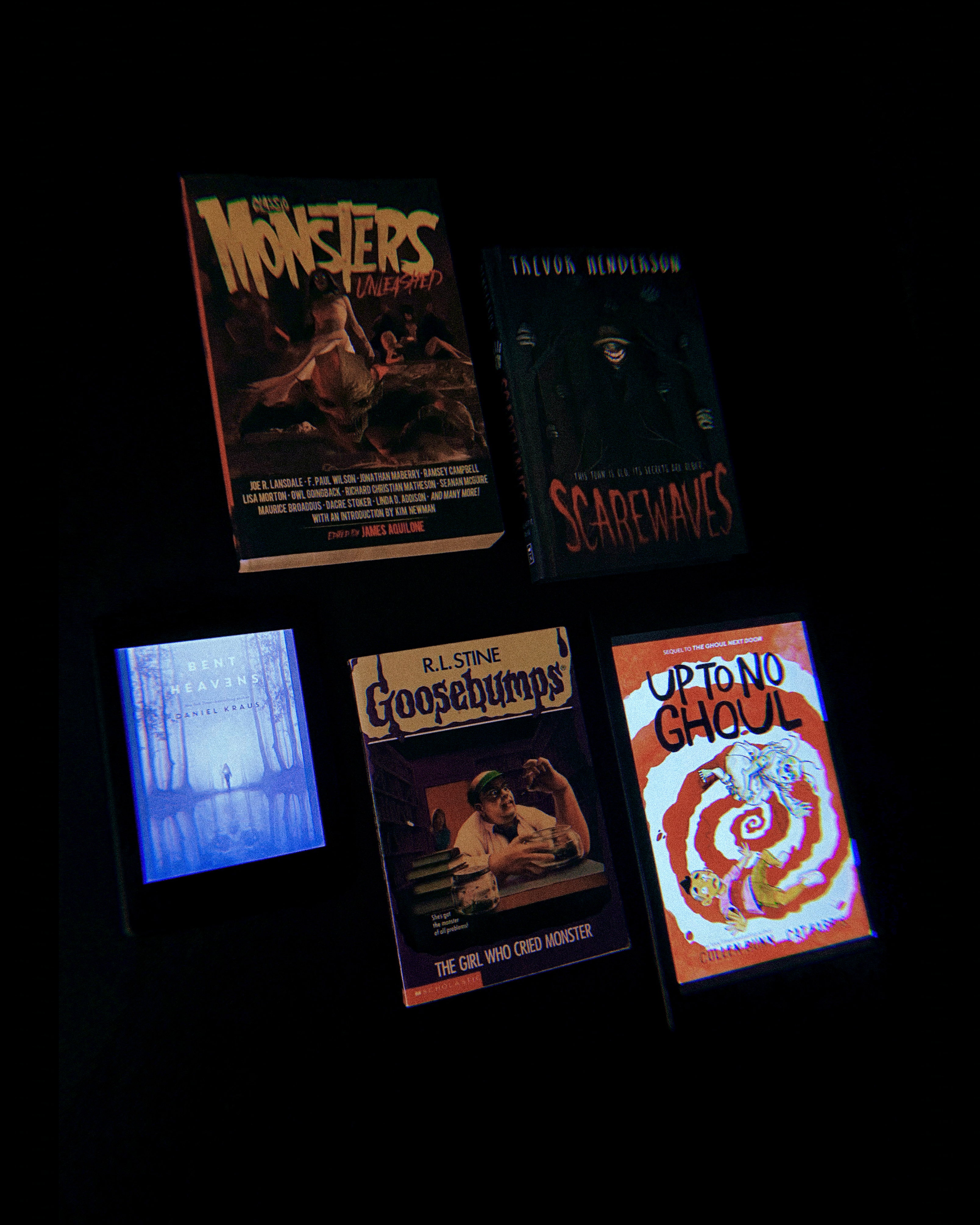
Up to No Ghoul by Cullen Bunn, Cat Farris. It’s been a few years since I read the first book in this series and, to be perfectly honest, I had forgotten most of the particulars. I do remember really enjoying it, though—especially the art. I had much the same experience with this sanguinary sequel. Bunn’s writing is always effortlessly creepy and cozy, and Farris continues to impress with her dynamic imagery—her splash pages, in particular, are always spectacular. Charming, whimsical, and wonderfully illustrated. Delightful stuff.

“Ghostmakers” by Warren Ellis. More of a flash-fiction piece, really, Ellis excels at those. This was rad and fascinating and I wish it were a more proper, fleshed-out short story.

Classic Monsters Unleashed edited by James Aquilone. The only book I read from my admittedly overly ambitious TBR for this Halloween season. I may not have felt up to tackling big books this year, but I still very much wanted to read some short stories throughout the month. This turned out to be a really fun collection, and I was thrilled to see that many of the featured authors absolutely understood the assignment. There were some duds, of course, but that’s just the nature of anthologies. Mostly, though, it’s chock-full of very clever, captivating, and surprisingly subversive takes on the famous and familiar fictional fiends. Favorites: “They Call Me Mother” by Geneve Flynn, “Dreams” by F. Paul Wilson, “Blood Hunt” by Owl Goingback, “The Viscount and the Phantom” by Lucy A. Snyder, “Modern Monsters” by Monique Snyman, “Beautiful Monster” by JG Faherty, “The Nightbird” by Michael Knost, “Moonlight Serenade” by Gaby Triana, “Dead Lions” by Richard Christian Matheson, “Hacking the Horseman’s Code” by Lisa Morton, and “You Can Have the Ground, My Love” by Carlie St. George, “God of the Razor” by Joe R. Lansdale.

The Girl Who Cried Monster by R.L. Stine. My Goosebumps book for this season! It was okay! It’s a Goosebumps book! It does have one of my all-time favorite twists in the series, I think. Just delightfully schlocky. I usually watch the corresponding episode of the TV show, but I simply forgot this time around. I’ve seen it before, of course, and I remember thinking it was one of the better episodes—mostly due to some excellent make-up effects.

Bent Heavens by Daniel Kraus. A brutal and truly terrifying story about how far people will go to demonize what they don’t understand. This may ostensibly be a young adult novel, but some scenes are so relentless in their intensity that they disturbed me far more than much of the mature horror I’ve read over the years. This went nowhere I expected it and it’s all the better for it.

Birthday Party Demon by Wendy Dalrymple. Read this while at my nephew’s second birthday party, natch. I needed a palate cleanser after the intensity of Bent Heavens. A fun and harmless riff on the style of young adult horror that dominated the nineties. I enjoyed all the aesthetics and some of the genuinely unsettling scenarios. I also liked the inclusion—modest as it may be—of queer elements, something that certainly wouldn’t have been an explicit thing back in the nineties. And although Dalrymple wears her influences on the sleeves of her dELiA*s henley top, I was still surprised by the twist ending.

Scarewaves by Trevor Henderson. This was a blast. The Scary Stories to Tell in the Dark influence is palpable, and this reads like a slightly more focused take on that kind of collection of creepy tales. I do wish the connective throughline had been introduced earlier in the book, though—it would have gone a long way toward making it feel like a far more concrete and cohesive story, and less like an arbitrary assortment of spooky scenarios (fun as they are). That said, the true star here is Henderson’s artwork, which, as anyone who has followed his invariably viral online creations would expect, is delightfully unhinged.

“The McAlister Family Halloween Special” by Cameron Chaney. Super fun, super short story. Chaney is great at cozy-yet-consummately creepy horror. Great stuff.

“The Emissary” by Ray Bradbury. I’ve never really gelled with Bradbury’s style. It’s full of a certain grandiloquence and sentimentality that I mostly find superficial rather than sincere—which is tragic, because I know Bradbury is one of the most earnest writers of the twentieth century, but what can I tell you. So I was very much ready to shrug this story off—at least, until that rug-pull of an ending kind of blew me away. Deliciously creepy, but also very sweet in a macabre sort of way? I loved it, and sadly, I can’t say that about most of the Bradbury stories I’ve read.

Pumpkinheads by Rainbow Rowell, Faith Erin Hicks. Tradition dictates.

🎃

And that was Halloween. A lot more subdued than previous years, to be sure, but I’m still glad I managed to read a decent amount of scary stories, despite the darkness.


BOOKS BOUGHT—A MYSTIFYING MELANGE:

  • Gates of Fire by Steven Pressfield
  • American Psycho by Bret Easton Ellis
  • A Grief Observed by C.S. Lewis
  • Letters from a Stoic by Seneca
  • Lincoln in the Bardo by George Saunders
  • Scarewaves by Trevor Henderson
  • The Rose Field by Philip Pullman
  • The Haunted Looking Glass edited by Edward Gorey
  • Helloween by Duncan Ralston

SEPTEMBER 2025

This was September.

Mystery James Digs Her Own Grave by Ally Russell. Get yourself pals who write excellent spooky stories—your reading life will be infinitely more interesting. This was great! I enjoyed it a lot, although not quite as much as I did Russell’s first endeavor (It Came From the Trees positively crackled with urgent, exhilarating energy, whereas this one feels mildly meandering). Still, there’s plenty to love here. “Plenty” being the operative word, because there are so many things going on in this story: sleep paralysis and ghosts and phantosmia and mortuary lessons and grave robbing and vampires and—! It should be entirely too much for any one author to handle, but Russell does an admirable job pulling all these seemingly disparate threads together by the end. (Knowing this is the first part of a duology certainly helps, since it means more room for these distinct themes to further coalesce.)

I continue to love seeing Russell’s deep-rooted found-footage horror influences play out: glitching ghosts make for a wonderfully terrifying visual, and the notebook interludes between chapters do a lot in terms of world-building, as well as being, you know, just plain fun. 

While I may not have found the plot of Mystery James as strong as that of her debut, Russell has clearly leveled up her character work—which is saying something, since it was already the strongest aspect of Trees. The supporting cast (from best friend Garrett to Tía Lucy to newfound acquaintance Eliza) all feel like real, rounded, grounded people, and Mystery herself is simply an immediate icon—which, of course, was the goal. In the acknowledgements, Russell writes about wanting to create a character who would not only fit seamlessly into the pantheon of iconic ghoulish girls—alongside Wednesday Addams, Fiona Phillips, and Lydia Deetz—but also give young Black and Brown girls a chance to “see themselves through her supernatural lens.” In that sense, Mystery James—the graveyard girl who smells ghosts and lives in a funeral home and keeps spiders in her hair—is a resounding success.

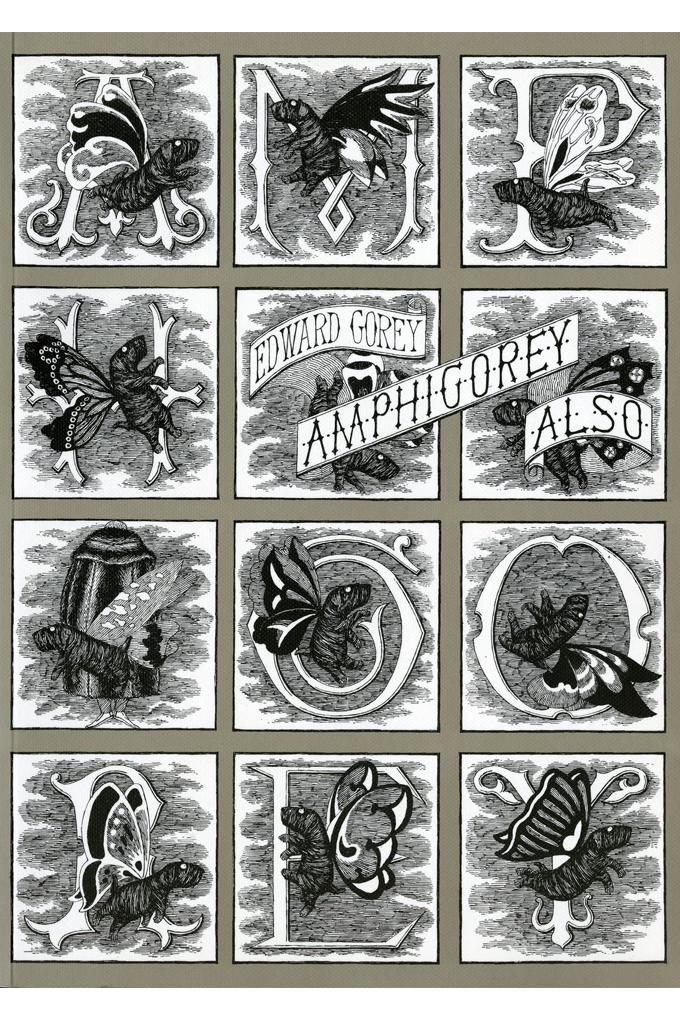
Amphigorey Also by Edward Gorey. Another perfectly inscrutable collection from a perfectly inscrutable individual. I didn’t find it as strong as the first Amphigorey volume, but it’s definitely wilder and weirder (which is saying something). There’s a lot here, I think, that made sense to only Gorey himself, if at all (which is, of course, how he would have liked it). The more “traditional” (for lack of a better word) little books are, naturally, perfectly intricate and fastidious affairs. Among my favorites: The Epiplectic Bicycle (a splendidly stark selection of increasingly surreal non-sequiturs); Les Passementeries Horribles (oddly ominous and exceptionally eldritch); L’heure Bleue (a strikingly stylistic, delightful doggerel); The Awdry-Gore Legacy (a marvelously meta, murderous manuscript); The Glorious Nosebleed (another absurdly amusing abecedarium); The Loathsome Couple (a lugubrious and lurid little lay); The Stupid Joke (a terrifically terrible tale); The Prune People (mesmerically Magrittean); The Tuning Fork (an uncanny, nautical narrative). 

We love Edward Gorey in this house.

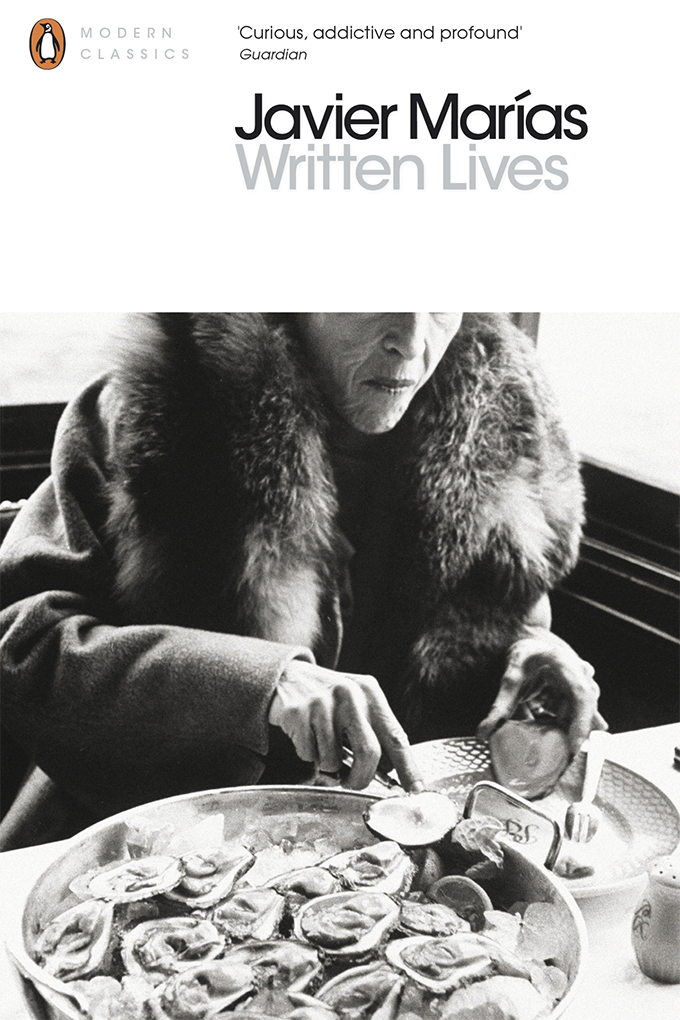
Written Lives by Javier Marías, Margaret Jull Costa (translator). An okay but deeply amusing read for me. In the prologue, Marías writes about his intention to treat these large literary legends as mostly fictional figures, given that most were long dead and their biographies burdened with embellishments. In this way, I suppose I’m the ideal reader for this book, as I had only a passing knowledge, if any, of many of the distinguished dignitaries discussed in this slim volume, and so their eventful, fanciful, often extravagant lives would have read like fantastic fiction to me regardless.

In a lot of ways, Written Lives reads like a modern, more literary version of Plutarch’s Lives, sharing that classical volume’s penchant for brief biographies that are as full of sensational gossip and racy rumors as they are of irrefutable facts. This, as you might imagine, makes for a fun and fairly flippant read—but also an unexpectedly poignant one at times—since by going with this fictionalized approach, Marías actually ends up humanizing his beloved scribes with all their elaborate, likely imagined foibles and follies. It’s funny how that works.

Anyway, the entries I enjoyed most were curiously about the figures I knew next to nothing about (Giuseppe Tomasi di Lampedusa, Madame du Deffand, Vernon Lee). But it’s the final section—a sort of impromptu epilogue where Marías “reviews” the portraits of celebrated writers he’s collected over the years, drawing increasingly ludicrous and improbable conclusions from the tiniest, most arbitrary details—that I found most fascinating. More than in the preceding biographies, it’s in this segment that Marías’s genuine, almost idealistic impressions of these literary luminaries shine through, and it’s a delight to read.

Bad Dreams in the Night by Adam Ellis. I’m a huge fan of Ellis’s horror work. It often feels timeless, like early internet creepypastas or classic urban legends, but then Ellis will add these touches of modernity—present-day tech, matter-of-fact representation, contemporary colloquialisms—that make his stories feel much more immediate and engaging. Ellis’s art continues to amaze. When I first started following his work many moons ago, it leaned toward the “typical” webcomic style of the time, but has since evolved into something far more intricate and nuanced. His ability to emulate a myriad of aesthetics and moods—from Ito-esque manga to found-footage films to even Victorian-era penny dreadfuls—will never not be impressive. Great stuff. Favorites: “Me and Evangeline at the Farm,” “Bus Stop,” and the brilliantly creepy closer, “Viola Bloom.” 

And that was September. I had grand plans for October, let me tell you, but to be perfectly honest, now that it’s finally here, I find myself not feeling things at all this year. So this Halloween month may be more muted than you might have come to expect from this humble horror reader. Still, I hope to get through at least a few ghastly books this haunting season. We’ll see.


BOOKS BOUGHT—A GALLIMAUFRY:

  • No Country for Old Men by Cormac McCarthy
  • So Many Books: Reading and Publishing in an Age of Abundance by Gabriel Zaid
  • Mystery James Digs Her Own Grave by Ally Russell
  • Amphigorey Too by Edward Gorey

AUGUST 2025

This was August.

Monk and Robot by Becky Chambers. The two novellas that make up this volume—A Psalm for the Wild-Built and A Prayer for the Crown-Shy—are pretty much the only books from the past decade that I keep returning to time and time again. They’re stories that speak to me on a molecular level, that put many of the fears and doubts and anxieties that haunt me into solid, sober, mercifully soothing words. They’re a comforting presence in my life, and in these recent times of doubt, fear, and anxiety, that comfort is something I find myself constantly seeking. I’m not at all religious, but I’m grateful that there are still psalms and prayers I can turn to in times of need.

And oh, do I wish Chambers would continue Monk and Robot’s journey. Lovely and beautiful and true though it may be, I can’t help but feel that it remains incomplete. The part of my brain obsessed with narrative can’t help but anticipate an undoubtedly forthcoming third entry in the series (the Promise cycle, I always thought—Psalm, Prayer, Promise). But then again, that’s one of the central themes in these novellas: the inscrutable, serendipitous nature of life. Mosscap and Dex, like you and me, have no actual idea what comes next, but they’re perfectly willing—like you and I should—to be okay with not knowing. It’s enough to just exist in the moment, prepared to embrace whatever, if anything, the next chapter might bring.

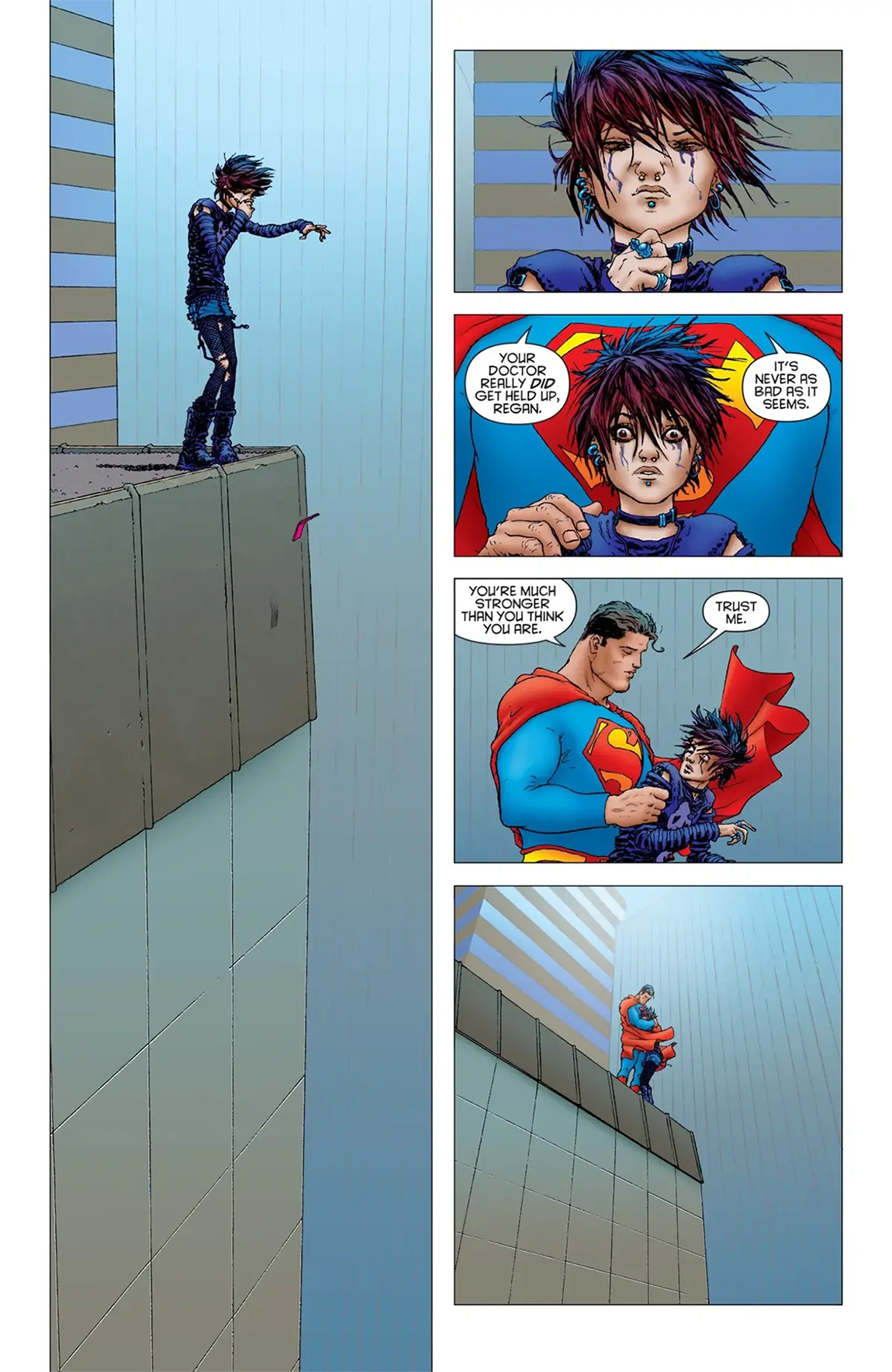
All-Star Superman by Grant Morrison, Frank Quitely. August was bleak and draining. At the beginning of the month, my tío—a man who helped shape nearly every aspect of my being, down to the name we shared—passed away suddenly and senselessly. It was a blow I’m still struggling to recover from, and it meant I spent much of the month in a fog of melancholy and a state of profound anhedonia. It’s why I did so little reading during that time. I found it difficult to enjoy much of anything.

Then I watched the new Superman film, and it was the first time in weeks that I felt any real, unadulterated sense of joy. I watched it a total of three times. When I couldn’t stop thinking about it, I figured I might as well revisit the original masterpiece that influenced it in the first place.

In my grief, I clung to this silly superhero stuff like a lifeline.

There’s not a lot I can say about this staggering achievement of sequential art, other than I’ve read it countless times over the years and it still manages to surprise and astonish me. Quitely’s art remains revelatory, and his rendition of Clark is still my favorite. I’ve marveled at—and delighted in—the sheer inventiveness and anarchic glee of Morrison’s writing for ages now. This book has the single best page in all of comics history. I don’t know. It’s just a beautiful, wonderful work of art, man.

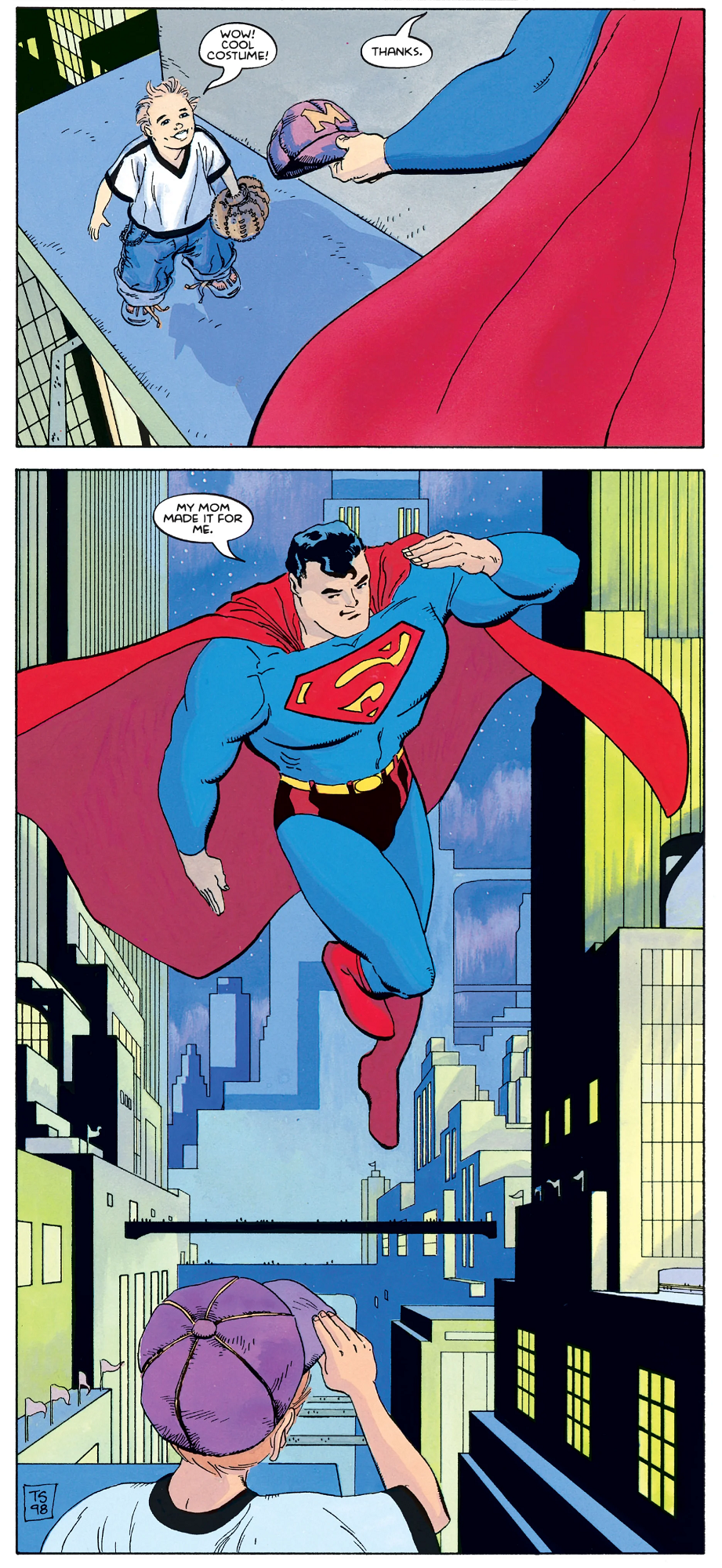
Superman for All Seasons by Jeph Loeb, Tim Sale, Bjarne Hansen. It’s been ages since I last read this so I had forgotten a great deal of it. But, man, is it still one of my absolute favorite Superman stories. Sale’s art along with Bjarne Hansen’s stunning color work already make this a gorgeous comic, but it’s Loeb’s sincere, folksy, down-to-earth writing that makes this book special for me—it captures the essence of the character more deeply and more profoundly than many other narratives featuring the Big Blue Boy Scout. Just an exceptionally endearing book.

This silly superhero stuff. 

I’ve been thinking a lot about heroes lately.

The day my uncle died, my siblings and I rushed to the hospital to be by our mother’s side. “I know your uncle was your hero,” was the first thing she told us. “He loved you so very much.”

My tío was not Superman. He was a flawed, fallible man who would sometimes make promises he couldn’t keep, a man prone to distraction, at times carelessly so. And yet. He was always there, regardless, at every single stage of my life. And still. He always—without exception, without fail—believed in his namesake, even when his namesake didn’t believe in himself. He was my hero and I love him and I miss him.


JULY 2025

Hello. This was July—a month in which I did little personal reading because life lately has been nothing but relentless. Let’s not dwell on that, though. 

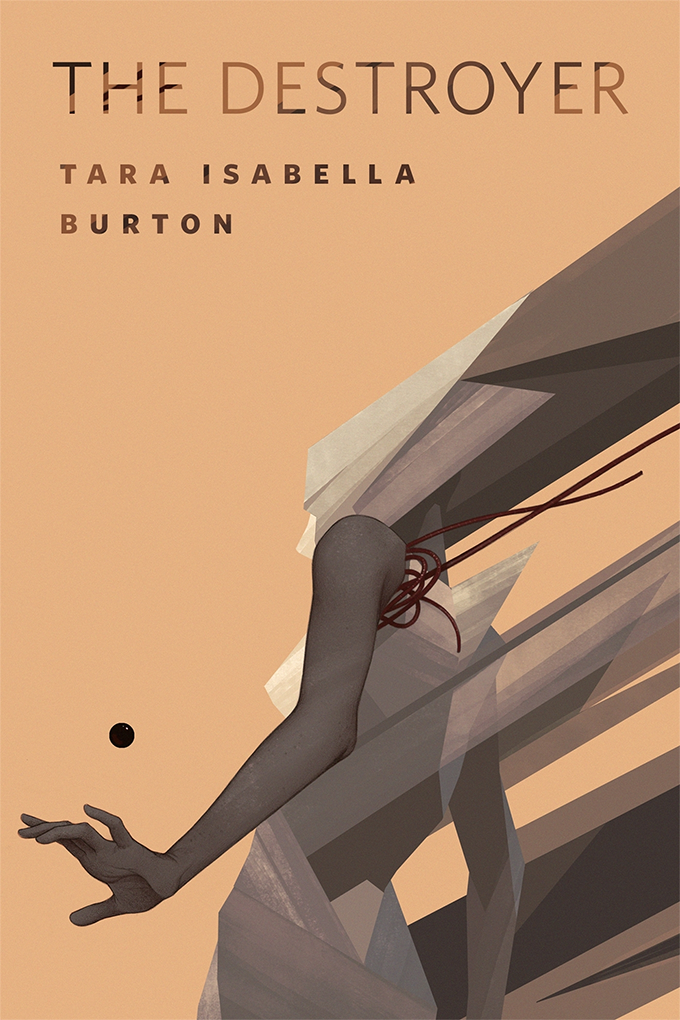
“The Destroyer” by Tara Isabella Burton. This short story about mothers, daughters, the future and fascism was, like life, utterly relentless. But my god was it beautifully, devastatingly written. I loved everything about this, and I wouldn’t be at all surprised if it ends up being my favorite short story read this year. 

I also listened to the LeVar Burton Reads episode on it, and it was, of course, excellent. Recommended.

The Talented Mr. Ripley by Patricia Highsmith. Oh, that Tom Ripley—what an anxious little weirdo. The only novel I managed to read recreationally this past month, but it was my main summer book, so I’m glad I got to it. I actually just recently watched the 1999 film adaptation for the first time last year, and my notes for it mostly consist of me regretting that it took me so damn long, since its mid-century murder vibes are so up my alley. I ended up feeling the same way about the book—even enjoying it slightly more than the movie, mostly because we got to bask in its opulent Mediterranean atmosphere for much longer. Highsmith was a great character writer, and Tom Ripley is one of the most fascinating fictional figures I’ve ever come across. I finished this wanting not only to check out the Ripley sequels, but Highsmith’s other works as well (Strangers on a Train, in particular). Excellent stuff. 

And that was July. We’re barely a week into August, but it’s already dealt some devastating blows that have left me not only drained but well and truly broken, so apologies if this write-up is a little lacking. We carry on, though. Until next time.


BOOKS BOUGHT—HALLOWEEN LOOMS:

  • The Work of Art: How Something Comes from Nothing by Adam Moss
  • Double or Nothing by Kim Sherwood
  • Poe’s Children edited by Peter Straub
  • Terror in Tiny Town by A.G. Cascone
  • The Girl Who Cried Monster by R.L. Stine
  • The Curse of the Mummy’s Tomb by R.L. Stine
  • Cycle of the Werewolf by Stephen King
  • Classic Monsters Unleashed edited by James Aquilone
  • Bride of the Castle by John DeChancie
  • Anno Dracula by Kim Newman

JUNE 2025

Hello. This was June. A month that somehow felt both interminable and entirely too short. But that’s par for the course these days, isn’t it? Everything is weird—why shouldn’t time also feel odd? Anyway. I managed to read a few things:

Carte Blanche by Jeffery Deaver. I planned on spending my summer reading a bunch of thrillers, and this was a good one with which to start. It’s a James Bond affair, so of course I would have fun with it. Definitely overlong, though, and the plot was far too convoluted for what the villainous scheme ultimately turned out to be. But again: it’s Bond. 

Carte Blanche was one of Ian Fleming Publications’ many attempts to reboot and modernize their literary character, which is always a bit of a mixed-bag endeavor. I liked Deaver’s present-day interpretation of 007 for the most part, but the image of Bond constantly checking his cell phone can’t help but feel a bit silly—even the current films avoid doing that too much. At times, the writing did genuinely feel like an update of Fleming’s, though, and that’s not the easiest thing in the world to pull off, so it’s a shame Deaver didn’t go on to write more Bond novels. I would have liked to see him play around in this world some more.

The Woman in Cabin 10 by Ruth Ware. This locked-room mystery set on a luxury cruise was… very lackluster. I just found the protagonist exasperating, and the overall plot—particularly the way it unraveled—even more so. There’s never any real sense of menace besides the main character’s pronounced paranoia. Still, it kept me turning the pages and made for a quick read, which is sometimes the most you can ask of these mass-market mysteries.

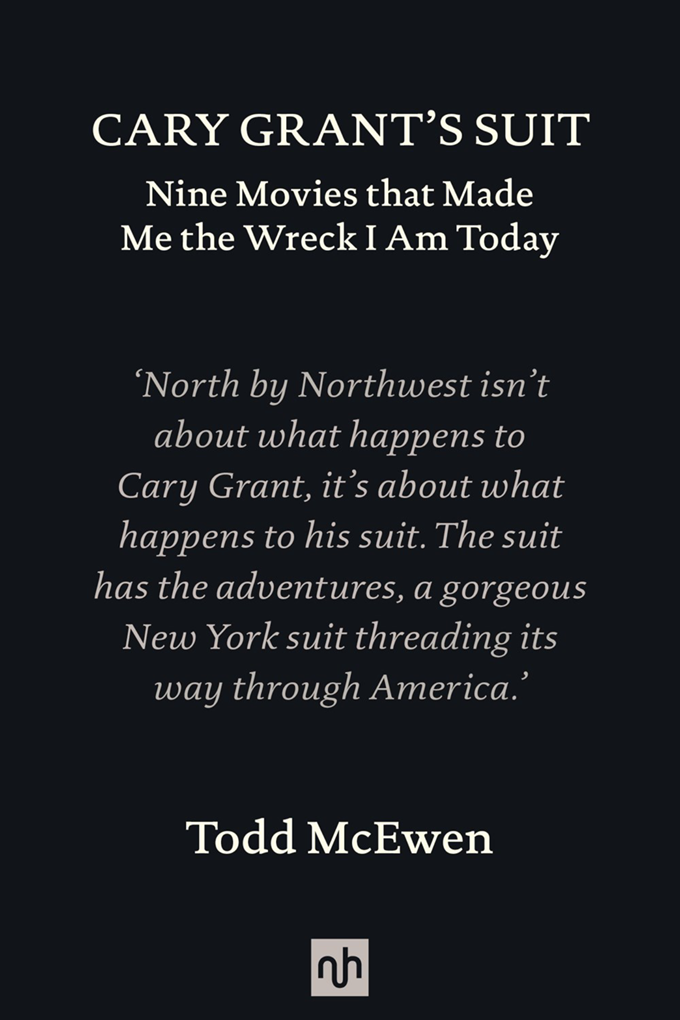
Cary Grant’s Suit by Todd McEwen. Bought this collection of essays mostly because of the title, to be perfectly honest. But also, unconventional nonfiction books focusing on Very Specific Things are some of my favorite reads. This one turned out to be more memoir than movie musings, though, which diminished my enjoyment a bit. McEwen is a very stylistic writer (O, but the Tom Wolfe influence is palpable!!!). He’s also very funny—which is good because I found myself disagreeing with him a lot. At this point in my reading life, though, I find that increasingly delightful. Have you ever ranted at a book? Highly recommend. Very cathartic.

Some solid pieces here, but the titular essay is, naturally, the best. Also, I picked this up right after rewatching To Catch a Thief, so I figure it must follow that I rewatch North by Northwest now. That suit! Cary Grant—genuinely one of the best to ever wear clothes.

“Bullet in the Brain” by Tobias Wolff. Robin Sloan shouted out this story in his newsletter a few months back, saying that all good short stories are essentially about death—making this incredibly brief piece from Tobias Wolff, by definition, a perfect short story. I don’t disagree. A man is shot and his life flashes before his eyes is definitely a cliché, but stories like this are a testament to how powerfully tired tropes can still resonate in the hands of skillful writers. Straight and to the point, with not a single line or word wasted.

And that was June. See you next month.


BOOKS BOUGHT—SUMMERY VIBES CLEARLY SOUGHT:

  • The Woman in Cabin 10 by Ruth Ware
  • The Beach by Alex Garland
  • Trick Mirror by Jia Tolentino
  • The Moving Target by Ross Macdonald
  • Weekend by Christopher Pike

MAY 2025

Hello. This was May. A criminal month.

The Human Bullet by Benjamin Percy. Genuinely, my only gripe is that I wish it had been a longer story. The premise is phenomenal (man wakes up from a coma after being shot in the head, dreaming all the while of a vastly different life—his reality, consequently, blurs), but Percy’s pitch-perfect pulp prose is pretty much the star of the show. This was just fantastic. I enjoyed it so much that I immediately went searching for anything else Percy has written. (Turns out I had already read something of his before, and I just didn’t remember: the Black Box arc of Dynamite’s James Bond comic, which I also quite enjoyed.)

American Criminal by Benjamin Percy. Percy is two for two. This was brilliant. A story about a heist artist who rips off other heist artists that reads like a modernized, infinitely more personable version of Richard Stark’s Parker character. I dug every single page of it. Percy is two for two, and he might just be a new favorite author.

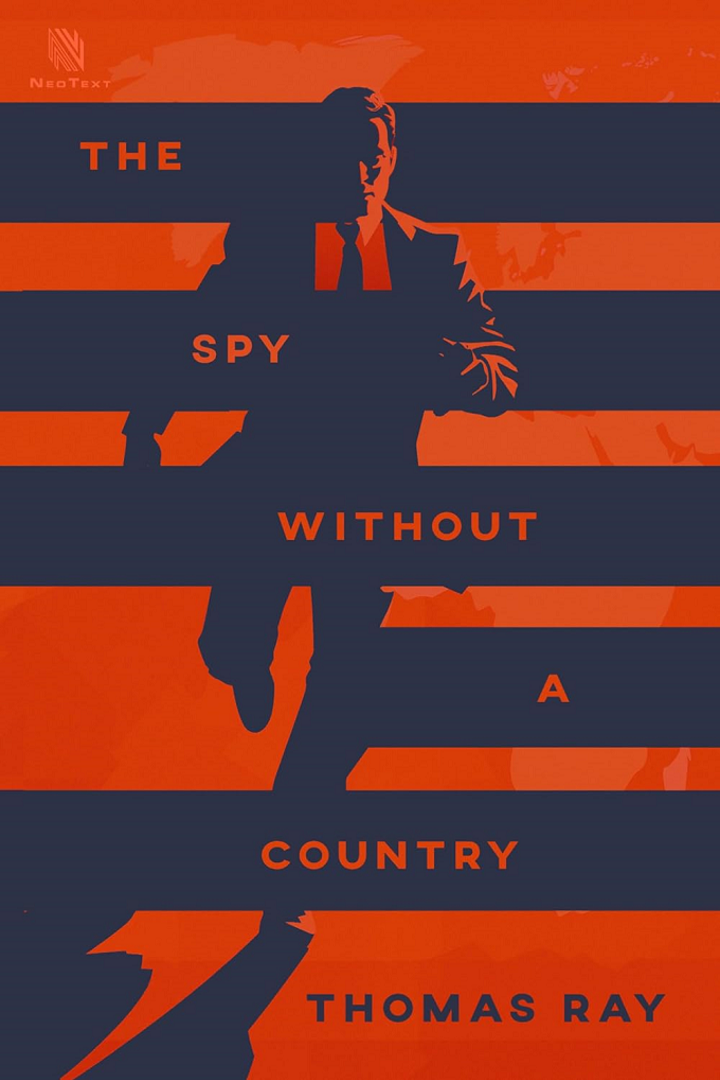
The Spy Without a Country by Thomas Ray. A US intelligence officer wakes up in the middle of a car wreck full of dead bodies with no memory of how he got there. Reasoning that his cover has been blown, he opts to come in from the cold—only to find that his handlers and fellow agents have no idea who he is. This is Black Mirror meets The Bourne Identity, and I was absolutely into it. Outlandish, to be sure, but made palatable thanks to Ray’s stark, straightforward style. It does get a little repetitive, though—particularly at the halfway mark, which is inherently circuitous—but overall, a very solid, sly spy story.

Heat 2 by Michael Mann, Meg Gardiner. Promptly going to shove this book into the hands of anyone and everyone who says novels can’t be as visceral, heart-pounding, and immediate as the best of thrillers. There are sequences here (multiple!) that rival scenes from the original classic film. I literally had to put it down a couple of times (multiple!) just to catch my bearings. What a ride. And what an inadvertent homage to Val Kilmer. His portrayal of Shiherlis was instantly iconic, and the character is considerably fleshed out and humanized in this epic novel.

Also, Michael Mann’s directorial style is so distinctive and visual that you wouldn’t expect it to translate well into prose—but I’ll be damned if he and Gardiner didn’t pull it off. Heat 2 is stylish as hell. It just exudes cool.

I know a film adaptation is inevitable—and I am certainly interested in seeing how that pans out—but what a brilliant move to do this story as a novel first. There’s so much going on here—enough to fuel multiple movies, let alone one. A wonderful, relentless beast of a novel. I loved the hell out of this.

Y2K: How the 2000s Became Everything (Essays on the Future That Never Was) by Colette Shade. I watched the original Bourne trilogy for the first time recently and found it to be such a perfect portrayal of a particular point in time that it sent me down a serious rabbit hole of early-aughts nostalgia—in particular, the aesthetics of the era. This, in turn, led me to learn about this recently released collection of essays. So, I had to get it. Obviously.

Of course, this turned out to be less about the visuals and vibes of a bygone era and more about the cultural anxieties and preoccupations of the time—and it is so much better for it. While I initially went into it for the nostalgia (and, to be perfectly fair, there is plenty of it here), I came to appreciate Shade’s surprisingly nuanced observations on many of the political choices and social mores of the era that would, eventually and inevitably, come to shape our modern Western malaise. (Spoiler alert: it was mostly capitalism’s fault.)

Obviously, though, this couldn’t truly be a work about the Millennial condition without some cringe involved. Shade comes from a relatively privileged background (her upbringing was solidly middle class, and she was gifted Nokia stock to help pay for college), and some of her takes can read, at best, a little naive, and at worst, entitled. 

Shade demonstrates enough self-awareness to acknowledge her oversights, and they’re never severe enough to undermine her core argument, which is, essentially: our generation was promised a vibrant, flourishing future—and it was denied to us. Shade distills the shared anger and resentment stemming from that betrayal into a potent, poignant, and exceptionally readable volume.

I can’t really listen to music while I’m working my way through a book, but whenever I wasn’t reading, I was playing TLC’s “No Scrubs” and Moby’s “Porcelain” on a loop, pretty much. Seemed like the appropriate thing to do.

“The Havana Run” by Ace Atkins. I wanted a short story with summery, Caribbean vibes to close out the month, and this seemed to fit the bill. It had a solid premise—two down-on-their-luck former journalists take on a job retrieving some valuables from Cuba, only to find themselves caught in a criminal web of conspiracy and deceit—but I found the execution a bit lacking. It’s a light crime caper, but it never quite struck the right balance between humor and intensity. Still, Atkins’s writing is lively and sleek, and it kept the story moving along at a modest clip.

And those were the month’s misdeeds.


BOOKS BOUGHT—A THEME EMERGES SOMEWHAT:

  • American Criminal by Benjamin Percy
  • North Border by Benjamin Percy
  • Bystanders by Benjamin Percy
  • High by Adam Roberts
  • Stealing for the Sky by Adam Roberts
  • The Spy Without a Country by Thomas Ray
  • Monk and Robot by Becky Chambers
  • Slayground by Richard Stark
  • The Talented Mr. Ripley by Patricia Highsmith
  • The Bourne Identity by Robert Ludlum
  • Y2K: How the 2000s Became Everything (Essays on the Future That Never Was) by Colette Shade

APRIL 2025

Hello. This was April: a month of artists, assassins, and authoritarians.

“Five Views of the Planet Tartarus” by Rachael K. Jones. Simple. Effective. Brutal. Can see why this has been getting so much award buzz. 

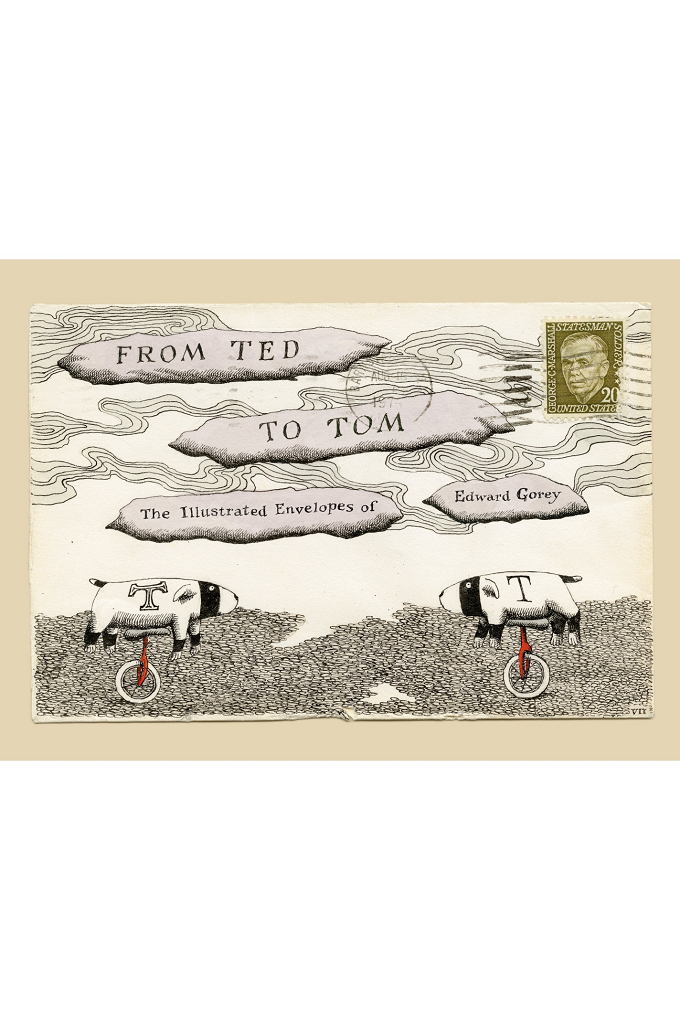
From Ted to Tom: The Illustrated Envelopes of Edward Gorey edited by Tom Fitzharris. Had this also included Mr. Fitzharris’s side of the conversation, this little volume would be as invaluable as Floating Worlds, that other gorgeous and considerably more intimate collection of letters between Gorey and fellow author Peter F. Neumeyer. Lacking the epistolary context, though, Gorey’s missives—full of cleverness and charisma though they may be—feel a bit cold and detached. (Although, to be fair, that is probably how Gorey would have liked it—the last thing the man wanted was to be scruted.) 

But this is mainly meant as a showcase for Gorey’s endlessly evocative envelope art, and in that regard, it is a resounding success. A stunning collection. 

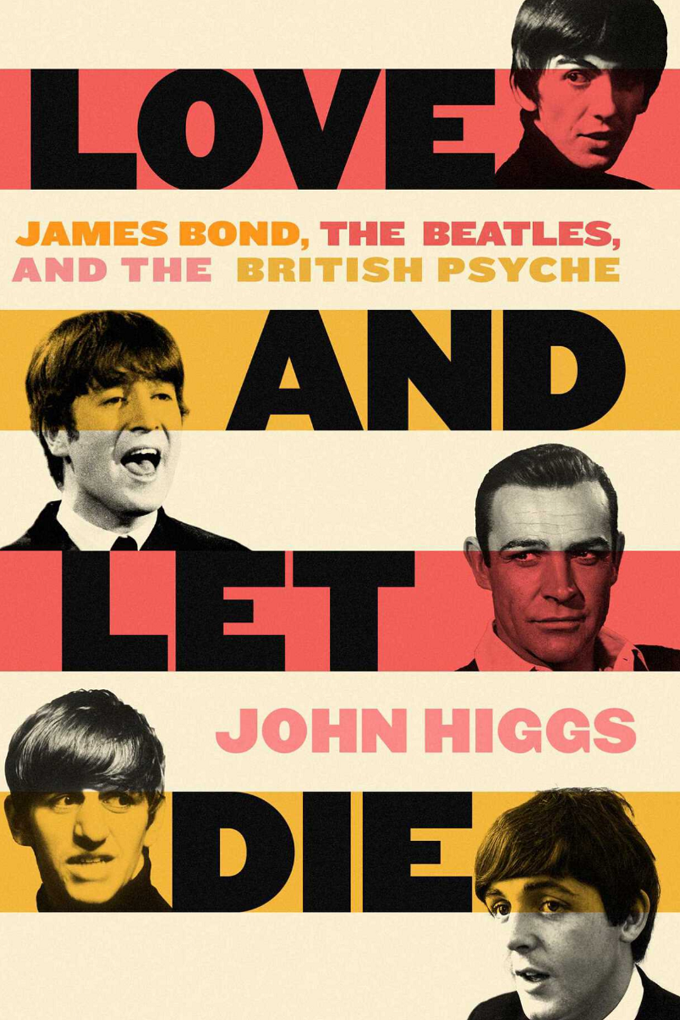
Love and Let Die: James Bond, The Beatles, and the British Psyche by John Higgs. The central conceit of this book—Bond embodies Death; the Beatles embody Love—is absolutely delicious, and I all but devoured it in just a couple of days. Bond is what drew me to it initially, of course. While I’ve always enjoyed and appreciated the Beatles, I’ve never exactly been what you might call an active aficionado of the group. It’s definitely fair to say that I’m much more a proper Bond enthusiast overall, and Higgs’s commentary on the character—and his insights into the 007 stories—are among the finest, most perceptive I’ve come across. You can tell it comes from a place of deep fondness and appreciation, too, even when Higgs isn’t holding back on his criticism of the more objectionable elements of Fleming’s famous fictional fabrication.

Despite finding the “Bond is Death” premise evocative from the outset, I wasn’t entirely sold on it until literally the final chapter, with its discussion of the transformative nature of myths through the unlikely lens of the shamanic ritual tradition of the death and resurrection show—which is the kind of analysis you get from a book that insists on juxtaposing such incongruous legendary figures as Double-O Seven and the Fab Four. (It also, surprisingly, made me excited and hopeful for the future of the character—we tend to keep our myths around, after all.)

I wish I had more to say about the Beatles. Despite running a negligible MP3 blog in my early twenties, music commentary has never really been my forte. But the love Higgs has for the group and its individual members is palpable, and it made me revisit much of their music throughout my reading of this. It’s also simply astonishing how, for a group that’s been a fundamental component of pop culture for sixty years now, there is still so much left to discuss. Even this volume, which does not purport to be an exhaustive history of the band, offered some surprising insights and intriguing details I had never come across before. It was one of those sobering realizations: we’ll never truly comprehend just how much—and how utterly—these four lads changed the course of history.

But obviously, my favorite part of the whole thing was discovering the countless surprising ways these two icons of modern mythology intersected—and how their respective legacies continue to shape not just the culture of Britain, but that of the world. A perfect piece of pop punditry.

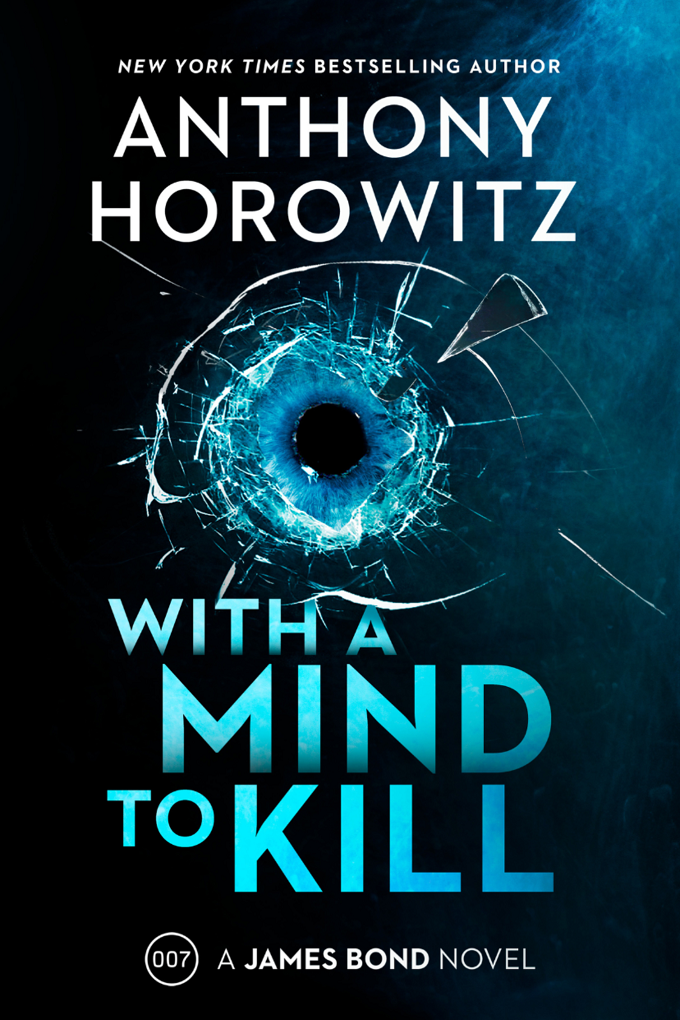
With a Mind to Kill by Anthony Horowitz. Horowitz may just be my favorite Bond writer—though that could simply be because he emulates Fleming’s distinct style so effortlessly and flawlessly. His 007 novels are excellent, and this is probably the most mature and well-written of the lot. I flew through this. I loved that the story was a direct continuation of The Man with the Golden Gun, which I still maintain would have been an excellent send-off for Bond had Fleming lived to do a final pass. That Horowitz expands and fleshes out that narrative here is a fine tribute—and indeed one that makes that particular novel retroactively better. 

Horowitz has a flair for character work, and, appropriately, Bond’s portrayal here is superb—positively brimming with the acedia its original author bestowed upon the character. I appreciated that his battles were as much mental as they were physical, a device that has always suited the literary Bond so much better. Katya is a fascinating love interest, and her story—true to this series—is suitably shocking and tragic. Colonel Boris could have been a real contender for most vile villain if only he had been fleshed out more. In a way, it was fitting that the horrendous things he did to Bond and others were merely hinted at, letting our morbid minds fill in the rest—but it would have benefited the story more to see some evidence of the character’s depravity, the better to truly loathe him. 

Still, a magnificent end to a magnificent trilogy.

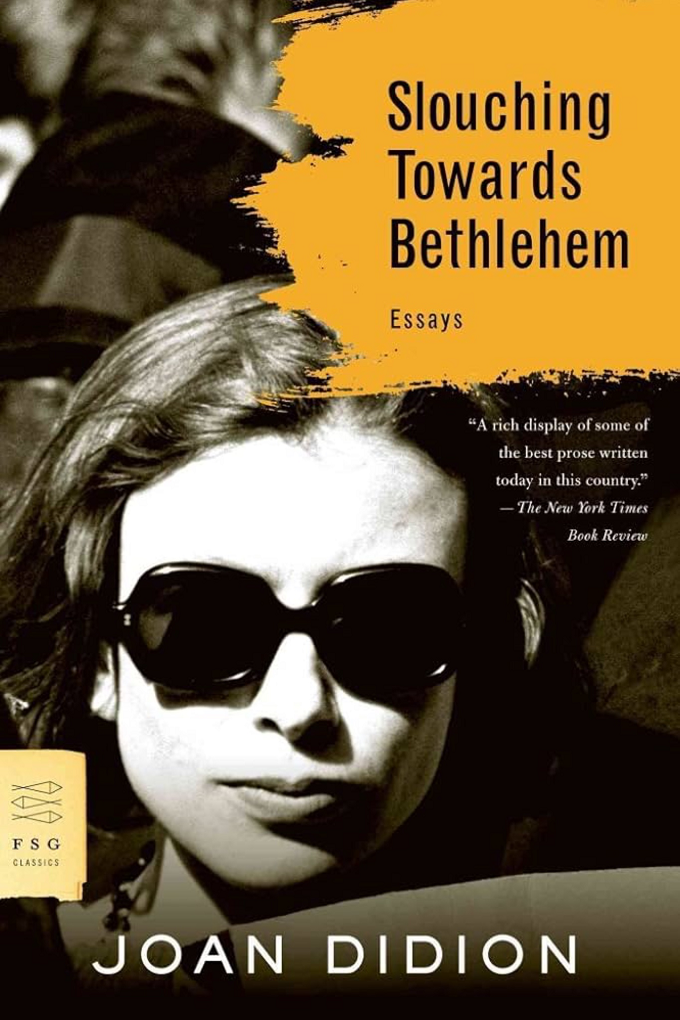
Slouching Towards Bethlehem by Joan Didion. My first Didion! Finally! It was fine!

Didion was undoubtedly a Writer, and she had a way of crafting sentences that were both beautiful and breathtaking, making her prose read almost like poetry, at times. Technical admiration aside, though, I feel like a lot of these essays didn’t do much for me, unfortunately. This collection is divided into three parts: the first is devoted to pieces about California, the Culture, and The Times; the second to personal musings—more journal entries than straight-up reportage; and the third to an assortment of abstract and introspective pieces exploring more psychological and emotional terrains, along with some additional diary-type entries.

For me, each section came with diminishing returns, with the first, “Life Styles in the Golden Land,” being the strongest. Didion’s wanderings through the rapidly changing cultural landscape of the sixties—and her insights into the whys and wherefores of the psychedelic age—were nothing short of fascinating. My favorite piece was “Some Dreamers of the Golden Dream,” mostly because it read like a particularly noir episode of Mad Men and reminded me that I should really give Double Indemnity a watch. A close second was the titular essay, of course—that powerhouse of zeitgeist writing. Brilliant, bold stuff. 

Despite some truly wonderful writing, I’m sad to say that I found most of the other essays largely forgettable—mainly because many of their subjects were figures who may have, I’m sure, loomed large at the time but have since become minor historical footnotes, their triumphs and follies virtually faded and forgotten, and not even Didion’s sparkling, novelistic prose could make them resonate for this twenty-first century reader. 

Required reading, regardless. Didion was an absolute force.

And that was April. See you next month.


BOOKS BOUGHT LOOK I WAS DOING WELL UNTIL ABOUT HALFWAY THROUGH THE MONTH BUT HONESTLY I’M CONSIDERING THAT PROGRESS:

  • Death of the Author by Nnedi Okorafor
  • Cary Grant’s Suit by Todd McEwen
  • My Life with Bob by Pamela Paul
  • The Spy Who Loved Me by Ian Fleming
  • Heat 2 by Michael Mann, Meg Gardiner
  • The Chinatown Death Cloud Peril by Paul Malmont
  • Whalefall by Daniel Kraus

MARCH 2025

Hello. This was March.

Mr. Penumbra’s 24-Hour Bookstore by Robin Sloan. The Great Sloan Re-Reading Spree continues! Second time reading this book, I think. Still love it, of course, but it’s probably my least favorite of his novels. Mostly because his hyper-idealized portrayal of Google always felt a little bit naive to me, even back when I first read it. And of course it can’t help but feel even more naive now, given the state of things. But that’s the progress of time for you. Sloan’s enthusiasm for technology and its infinite potential will never not be infectious, though, and his deep and abiding appreciation for traditional craftsmanship will always be aspirational.

Ajax Penumbra 1969 by Robin Sloan. Had read this one before, back when I first picked up Penumbra, but I confess that I have no real recollection of it, so this very much felt like reading it anew. I quite liked it, unsurprisingly enough. I think I enjoyed it more than the original novel, even? It had more of a swashbuckling adventure vibe that I was just really into. Also: lots of great names! Sloan is great at great names.

“Harriet Amber in the Conan Arcade” by Robin Sloan. Fairly sure no one can write chill, vibey, feel-good stories quite like Sloan. Or maybe they do, and I just don’t like ‘em as much. A sweet, droll little tale about life and how it’s never too late to change everything about it all..

“Author’s Note” by Robin Sloan. Another one of Sloan’s writing-with-large-language-models experiments—this one written with Wordcraft, Google’s AI-powered “writing assistant.” It’s successful in the sense that you can’t tell which words were written by Sloan and which ones were suggested by Wordcraft, I suppose, but fails by lacking Sloan’s usual stylistic flair and just by being an unsatisfying story overall.

I’m still deeply unconvinced by AI’s potential role in art (and even less so after Meta’s most recent fiasco), but Sloan is one of the few writers I know who is actively engaging with it—both technically and philosophically—in a way that feels prudent and circumspect. The complete opposite of what every single one of these callous, capitalistic conglomerates are currently doing, essentially.

Sloan is pretty good at this whole thinking about the internet thing, so I think his is a voice worth listening to.

“The Conspiracy Museum” by Robin Sloan. Again: Sloan is one of the most interesting and insightful writers/thinkers of the Internet Age. Had read this one before, but it apparently never registered that this was part of his burgeoning ““The Rock is President” universe because I cackled when I finally clocked it. 

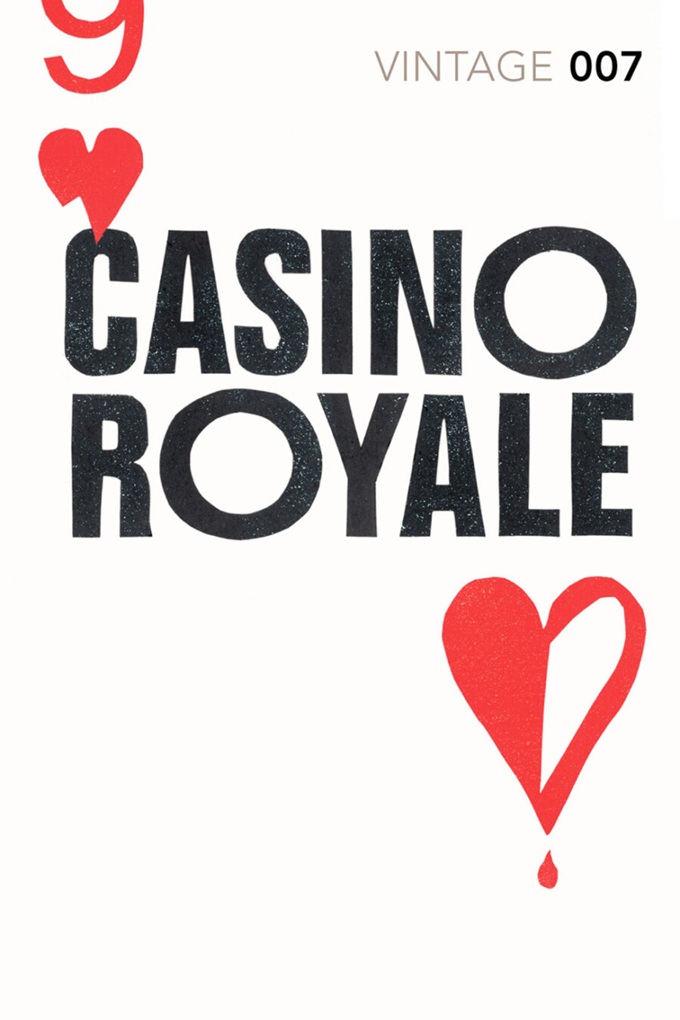
Casino Royale by Ian Fleming. Another re-read because why the hell not? A great book dripping with atmosphere and stellar writing. Fleming penned some veritable bangers here.

Mathis opened the door and stopped on the threshold.

“Surround yourself with human beings, my dear James. They are easier to fight for than principles.”

He laughed. “But don’t let me down and become human yourself. We would lose such a wonderful machine.”

I first read this one back in 2023, before I had any real appreciation for these stories and the film franchise that followed, and so my notes for it were amusingly bare bones. Apparently I thought the first half was mostly fluff? Hilarious considering my current enthusiasm for this series. Ah, the naivete of youth. 

Could this be the beginning of another Great 007 Readthrough? I doubt it! I may pick some of my favorite stories back up, though. Or maybe I’ll continue with the continuation novels? Who knows! I don’t! I just follow my capricious whims!

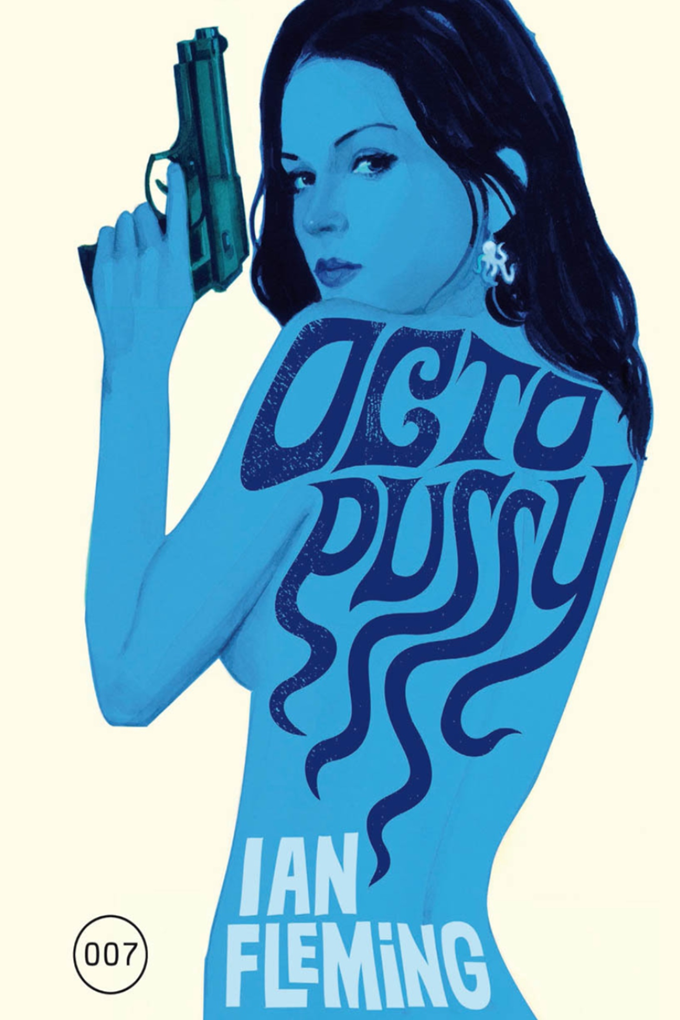
“Octopussy” by Ian Fleming. Another of my favorite Bond stories—even though the man himself isn’t around for most of the thing. Really just a fascinating character study—both of the story’s protagonist, and of the author himself. This story was clearly written while Fleming was on the decline, health-wise, and his deep melancholy—that inescapable acedia—is positively palpable. It’s borderline autobiographical: It even takes place in Goldeneye.  

The Seventh by Richard Stark. Man, when Westlake was firing on all cylinders, he was unstoppable. I’ve enjoyed pretty much every Parker novel I’ve read, but I tend to really love the ones that have Parker teaming up with a large cast of characters. Despite his silent, stoic demeanor, he bounces off other people surprisingly well—particularly when they are lively little lowlives. Westlake knows this, so he doesn’t miss an opportunity to imbue pretty much every single supporting player with as much verve and flair as possible. This novel is chock-full of brilliantly particular and peculiar personalities, and it’s a pleasure to watch them all go—before they’re all suddenly and shockingly offed, of course.

The heist is a lot of fun, but—as is often the case with these novels—it’s the aftermath where the really interesting stuff happens. One of my favorites so far.

Tomorrow Never Dies by Raymond Benson. A surprisingly solid novelization of my favorite film from the Brosnan era. Really enjoyed Benson’s pulpy writing, even though it tended to get unnecessarily technical at times, letting the story get lost in the jargon of it all. Bond continuation writers tend to struggle when emulating Fleming’s flair for specificity, I’ve found. It wasn’t just naming the precise model of this gun or that particular class of ship that made Fleming’s writing engaging and appealing—it’s what those names and terms evoked. In Fleming’s case, it was almost always a sense of opulence and sophistication. Benson’s approach, more often than not, had all the dry, clinical air of a product launch—a far cry from the lavish, luxurious vibes we’ve come to expect from 007 stories.

Still, much like the film it’s based on, this was a hell of a lot of fun. I particularly liked the extra scenes and added details Benson included to help ground some of the film’s more outlandish aspects. And I appreciated his valiant attempt at weaving a coherent continuity between Fleming’s original Bond, the cinematic version, and his own take—even when it didn’t always make perfect sense.

And that was March. Bye.


BOOKS BOUGHT LOOK I AM GENUINELY TRYING BUT PANGOBOOKS IS PROBABLY THE BEST WORST THING THAT COULD HAVE EVER HAPPENED TO ME OKAY:

  • Coolest American Stories 2025 edited by Mark Wish, Elizabeth Coffey
  • The Collectors by Lorien Lawrence
  • The Best American Mystery and Suspense 2024 edited by S.A. Cosby
  • Carte Blanche by Jeffery Deaver
  • Die Another Day by Raymond Benson
  • Octopussy and the Living Daylights by Ian Fleming
  • Forever and a Death by Donald E. Westlake
  • James Bond: Choice of Weapons by Raymond Benson
  • James Bond: The Union Trilogy by Raymond Benson
  • This Beautiful, Ridiculous City by Kay Sohini