FEBRUARY 2025

Hi. This was February. What can I tell you.

Frank Sinatra Has a Cold by Gay Talese, Phil Stern. I’ve read Talese’s renowned profile a handful of times before, but this book’s lavish, elegant production proved hard to resist. The inclusion of high-resolution reproductions of many of the notes taken by Talese while researching the story, presented alongside Stern’s striking snapshots, makes this not just an invaluable volume but a visually stunning one as well.

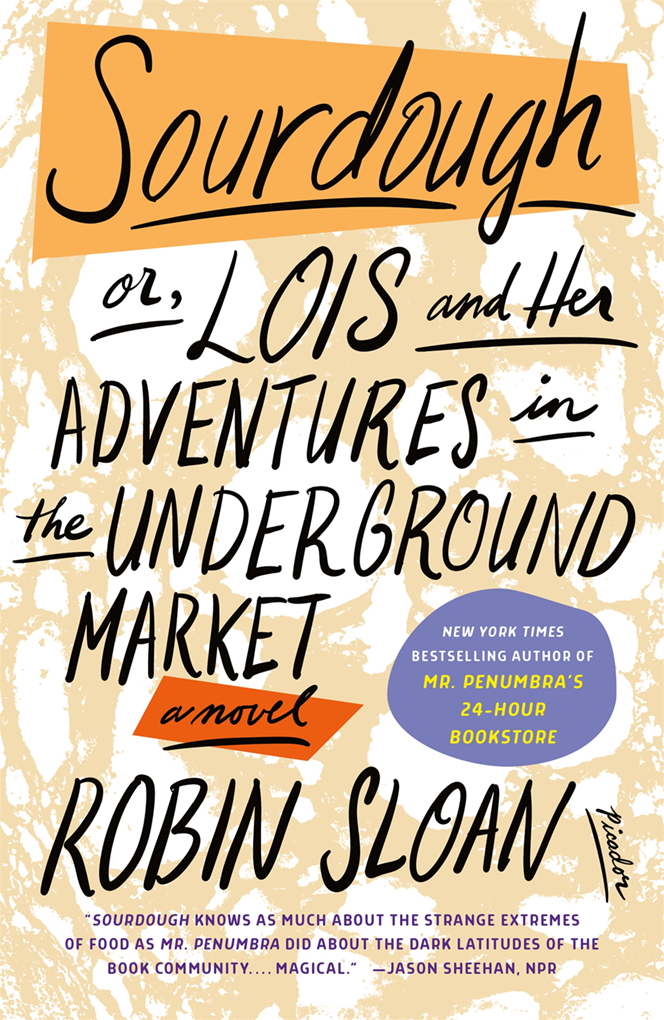
Sourdough by Robin Sloan. A re-read. A favorite, for sure. It just has such a cozy, feel-good vibe. I’ve always admired Sloan’s sheer willingness to follow his already far-out ideas down the weirdest, most fascinating rabbit holes. Mostly, though, I love how loyal Sloan is to his quirky, sentient fungi creation. That this book is a direct predecessor to Moonbound is absolutely wild, considering how vastly different they are as stories. But it also makes perfect sense. Good stuff.

The Suitcase Clone by Robin Sloan. Reading this right after finishing Sourdough was the right move, as I caught connections and references that went completely over my head the first time I picked this up. A really fun, lively caper. In the same way its parent novel makes me want to be a bread bro, this makes me want to be a wine guy.

“In the Stacks (Maisie’s Tune)” by Robin Sloan. I first read this a couple of years ago during my lunch break at work, whereupon it reduced me to tears. Since I am apparently re-reading the entirety of Sloan’s oeuvre, I decided to give it another read (also at work, though not during my lunch break) (don’t tell on me). Again: I was reduced to tears. Possibly the most heart-warming, life-affirming story I’ve ever read. Possibly my favorite short story of the past decade.

“The Vanishing Man” / “On Enemy Ground” / “Shaken, Not Stirred” by Alma Katsu. When I finished the first short story in this terse trilogy, I was ready to condescendingly commend Katsu for her obvious love and enthusiasm for James Bond and spy fiction in general. Then I read her biography and learned that she actually worked in the intelligence community for more than thirty years. Assuming is how you make an ass out of yourself, etc. Anyway, this is a great set of short series, with a protagonist who serves as a perfect counterpoint for Bond—a spy who’s got the looks and the killer instinct, but lacks the sophistication and finesse. What Bond would be if here simply just a blunt instrument (that happened to be wielded by the Soviets). The third entry was probably my favorite, if mostly because of all the little nods to Fleming and 007, particularly with having Jamaica as the setting for the climax. Good show. 

“Elyse Flayme and the Final Flood” by Robin Sloan. Another of my favorite things about Sloan’s writing is how he uses it not only to expound and expand on his ideas, but to discover them, as well. In the contrivances of this plot, you can clearly see the seeds that would develop into other stories of his: Moonbound, most notably, but also Annabel Scheme and the Adventure of the New Golden Gate—all entirely different yarns, but thematically linked. It’s the kind of writing I wish I could do.

“Mr. Penumbra’s 24-Hour Bookstore” by Robin Sloan. The Sloan spree continues. I must have read this one ages ago, but I have no real memory of it. Reading it made me realize just how little I recall from the actual novel, too, so it’s a good thing a paperback copy is on its way here. The short story itself was just fine—early Sloan, of course, but his distinct style was already very much on display.

“The Hildebrand Rarity” by Ian Fleming. Very fitting that I happened to have been reading this most excellent of Bond short stories when the not-so-excellent film news dropped. Still one of my favorite Bond tales—basically a showcase for Fleming’s exceptional use of location and atmosphere. Just some really solid storytelling. 

I also read two other books to be discussed at a later date.


Books Bought:

  • The Writing Retreat by Julia Bartz
  • Book Lovers by Emily Henry
  • Slow Dance by Rainbow Rowell
  • From Ted to Tom: The Illustrated Envelopes of Edward Gorey by Edward Gorey, edited by Tom Fitzharris
  • Casino Royale by Ian Fleming
  • Mr. Penumbra’s 24-Hour Bookstore by Robin Sloan
  • The Best American Science Fiction and Fantasy 2023 edited by R.F. Kuang
  • Busy Doing Nothing by Rekka Bellum, Devine Lu Linvega
  • The Tatami Galaxy by Tomihiko Morimi, translated by Emily Balistrieri

Until next time.

JANUARY 2025

Hello. This was January, when I promptly got sick right after my ordeal of a house move and remained ill for the entire duration of the month. At the time of this writing, my body is just now starting to get rid of all the crud. Fun times. Not the most auspicious of beginnings to a new year, needless to say, but it’s not the hand you’re dealt it’s how you play your cards or however the saying goes I don’t care I am just so over being sick.

Maladies notwithstanding, I still managed to get some decent reading in, because that is what I do.

“Proposal for a book to be adapted into a movie starring Dwayne The Rock Johnson” by Robin Sloan. Mentioned this in my previous wrap-up, so of course I had to read it again. An engaging and entertaining piece of short fiction—albeit a little naive in retrospect, given all we’ve learned (mostly against our will) about The Rock lately. I fully believe Johnson could still become president one day, and I am finding that notion less and less amusing.

The Fellowship: The Literary Lives of the Inklings by Philip Zaleski, Carol Zaleski. Started this one way back in August. Despite my many highlights and annotations (inevitable, given the rhetorical finesse of its subjects), I don’t think I have any substantial takeaways from this book. The Zaleskis are religious scholars, and they approach the material from a Christian perspective, which makes for some interesting interpretations—as well as some questionable conjectures. Given their evangelical predisposition, it also means that their focus fell primarily on Lewis and Tolkien, with the other Inklings—Owen Barfield and Charles Williams—getting the proverbial short shrift. (Although to be fair, this is a tome of a book, so even their “cursory” treatment still turned out to be reasonably comprehensive—the Zaleski’s are academics above all else, and their exhaustive research is evident). In the end, though, this was more of a theological biography of a couple of members of a literary circle than it was a thorough scholarly exploration of said circle, which I would have found far more preferable.

“On the Pleasures of Taking Up One’s Pen” by Hilaire Belloc. Specifically, Malcolm Guite’s wonderful reading of the short essay, which really brought it to life for me. First time coming across this passionate ode to a writing instrument, and I found it quite lovely. 
One of the things I wanted to do in the new year was pick my physical journal back up, and of course that translates to me looking up pieces that romanticize—pretty much fetishize—the act of writing itself. Happy to say that I’ve kept up with the journaling habit thus far, and it’s doing wonders for my mental health. Much needed during this, the dumbest of dystopias

The Mythmakers: The Remarkable Fellowship of C.S. Lewis & J.R.R. Tolkien by John Hendrix. An undoubtedly beautiful book. Hendrix’s illustrations are simply stunning: from his highly imaginative compositions to his spectacular use of color. As a piece of biography, though, it’s unfortunately a little lacking. It is too brief where elaboration is needed and overly detailed where succinctness would suffice. Also, a lot of the prose just falls flat, lacking any sort of flair. I understand that this volume is ostensibly meant for children, but when your subjects are two titans of the English language one can’t be faulted for expecting a bit more panache. Still, Hendrix’s love for the two legendary scribes shines through, and that, along with the spectacular artwork, makes this a worthwhile read.

Curiously, like The Fellowship, this also takes a Christian approach to its subject matter. As a certified heathen, this wasn’t at all planned, but I thought it was an interesting coincidence. 

Process: The Writing Life of Great Authors by Sarah Stodola. Loved reading this. Very similar to Mason Currey’s Daily Rituals, which I read and enjoyed a couple years back, but this felt far more focused and engaging. A spectacularly researched collection of highly engrossing and enlightening essays. Stodola’s writing is wonderful, and so vivid that even the entries featuring long-dead authors feel like actual interviews she was conducting. It’s great. Lots of standout pieces, but the one focusing on Joan Didion is probably my favorite.


I’ve also been reading Nick Hornby’s Stuff I’ve Been Reading columns for The Believer. I like that he always makes note of the book he’s bought during that particular reading season. I want to adopt this practice. For accountability, mostly: I use a Kindle, for which I buy entirely too many ebooks. For obvious reasons, I am increasingly loath to give Amazon more of my money, so I definitely want to work on curtailing that particular habit. There are practical reasons, too, of course: I have literally thousands of unread books on my Paperwhite, and I don’t really need to keep adding to that digital pile. 

That’s the ideal, anyway. We’ll see how things actually pan out.

Still bought a ridiculous amount of books in January:

  • The Reformatory by Tananarive Due
  • Incidents Around the House by Josh Malerman
  • This Appearing House by Ally Malinenko
  • Vampires of El Norte by Isabel Cañas 
  • Adventures of a Cat-Whiskered Girl by Daniel Pinkwater 
  • The Yggysey by Daniel Pinkwater
  • The Neddiad by Daniel Pinkwater
  • Three Act Tragedy by Agatha Christie
  • Dumb Witness by Agatha Christie
  • Taken at the Flood by Agatha Christie
  • The Labors of Hercules by Agatha Christie
  • What I Talk About When I Talk About Running by Haruki Murakami
  • Dungeon Academy: No Humans Allowed! by Madeleine Roux
  • The Fiction Writer by Jillian Cantor
  • The Book That No One Wanted to Read by Richard Ayoade
  • Glamorous Notions by Megan Chance
  • The Race to the Future by Kassia St. Clair
  • The Unstrung Harp by Edward Gorey
  • Still Writing: The Perils and Pleasures of a Creative Life by Dani Shapiro 
  • Slouching Towards Bethlehem by Joan Didion

Like I said: an ideal.

DECEMBER 2024

Hello. This was December—a month full of Christmas cheer and sheer chaos, in that particular order. Most of these were read early in the month, mostly because I spent the latter half of it slowly losing my mind. 

Anyway!

Skipping Christmas by John Grisham. Well, this was absolutely joyless. It was published in the early aughts, although you wouldn’t know it by the attitudes and social mores portrayed here, which seem to belong more to the Mad Men era than the 21st century. I tend to enjoy stories of contemporary Christmas chaos, but this was just relentless in its mirthless mundanity. I felt the same way about the film adaptation, which I watched for the first time last Christmas season, so I’m not entirely surprised by my reaction, but I was hoping the book, as is often the case, would at least be better. Unfortunately, this is one of those rare instances where the book is just as bland.

I listened to this on audiobook, and the narrator—actor Dennis Boutsikaris—does a marvelous job of making a mostly intolerable book somewhat tolerable (though I suppose it helps that the book is blessedly short). His lively, playful narration the only saving grace of this tedious reading experience.

The Man Who Invented Christmas by Les Standiford. A nice and eminently readable little volume. I don’t think I gleaned any new knowledge or insights into A Christmas Carol from it, but Sandiford’s love for the story and its author is clear and captivating.

“Only Santas in the Building” by Alexis Daria. Good at what it set out to do, I suppose, but this is the sort of spicy romance I’m not really into. The instalove trope just comes across as overly goofy to me. Undoubtedly sexy and festive, though, which is, of course, the entire point.

“Krampuslauf” by Holly Black. Read this on Krampusnacht, natch. Liked the concept of this story quite a bit, but Black’s style just doesn’t do it for me. Her writing is full of fae, witchy vibes, which would normally be right up my alley, but there’s a certain superficiality to it that I find bothersome. I don’t know!

One Big Happy Family by Susan Mallery. The sort of Christmas book that I, for some godforsaken reason that a therapist can uncover for me somewhere down the line, enjoy reading the most: full of familial fracas, domestic drama, petty grievances, and needless secrets set against a festive, cozy background. Were some of the character choices maddening? Absolutely. Everyone and their literal mothers talked like therapists here, but then they would go on and take the most asinine action possible, thus undermining an already silly trait and making the characters more frustrating than they needed to be. 

But, by god, did I still relish in the messiness of it all. Due to some deep-rooted trauma, I’m sure.

I did find the ending entirely too abrupt, though, but I do wonder if that is just the author setting up a possible sequel. I would be down to read it if that turns out to be the case.

Friday, Book One: The First Day of Christmas by Ed Brubaker, Marcos Martín, Muntsa Vicente. Oh, this was rad. Following a former teen detective into darker, grittier adult territory is not a novel concept by any means, but in the hands of crime fiction masterminds like Brubaker and his crew of usual artists, it makes for a striking, arresting book. I particularly loved its New England port town setting, brought to glorious Gothic life by illustrator Marcos Martín and colorist Muntsa Vicente. Brubaker’s notes at the end of this volume mention he wanted a place that was equal parts Lovecraftian and Goreyesque, and the art absolutely nails it. It’s an excruciatingly short book, as graphic novels tend to be, but I’m definitely picking up the following installments. 

“Holiday Hideaway” by Mary Kay Andrews. I’m becoming increasingly aware that these sorts of holiday romcom short stories are not for me. Again, I can’t deal with the instalove trope in the best of cases, and much less when the two love interests have the personalities of a brick and a potato, respectively.

“Resting Scrooge Face” by Meghan Quinn. Of course I would enjoy another holiday-themed romance right after writing smack about them earlier. Barring some nonsense prose, this was great. I think I would have enjoyed it a lot more if it was written entirely in epistolary form, since that was the best, most engaging part of the story. As it is, though, it’s a perfectly fine, fun story full of slapstick and heart.

Landline by Rainbow Rowell. Enjoyed reading this because it’s Rainbow Rowell, and Rowell writes great situations and even greater characters. Half of that is true here (this has a great premise), but I had a much harder time finding this cast compelling. Believable? Certainly. Likeable? Not so much. Not that characters have to be endearing for a story to work, but, given that the cover proclaims this “a Christmas love story,” having something to cheer for might have been nice to include. Instead, we get a seemingly thankless relationship, which, despite how much time is spent looking at it through the rose-tinted lens of nostalgia, still seems very much sad and tragic. Because while Georgie definitely has her faults, we can all be in agreement that Neal absolutely sucks, right? Like just pick up the phone dude it’s your wife and it’s the holidays holy shit— 

Sorry, but that aspect of the novel was particularly infuriating. Especially since we’re meant to feel like Georgie is the most at fault for their relationship troubles by putting her career ahead of her family so much, but we’re supposed to swoon for a milquetoast manboy who willingly gave up on his dreams and then has the gall to resent his successful wife? I’m sorry, but no. With most of Rowell’s books, even those that don’t particularly resonate with me, I can understand their popularity and appeal—but I genuinely can’t fathom how so many people could find this story the least bit romantic. 

Hotel Splendide by Ludwig Bemelmans. I had to take a break from Christmas. A short, breezy read. Full of the urbane, cosmopolitan wit and verve I’ve come to admire from writers of the Jazz Age and its sister eras. Very fun, and it made me want to read more of Bemelmans’s work. 

The Uncommon Reader by Alan Bennett. This was The Crown’s fault—I may have started rewatching it on a stress-induced whim. An interesting if slightly thankless thought experiment. The romanticized depiction of Queen Elizabeth brought to mind The West Wing, another narrative that dealt with real world issues through the eyes of idealized leaders. Less a “what if” and more of a “if only” kind of fable. (It also reminded me, curiously, of Robin Sloan’s fantastic “Proposal for a book to be adapted into a movie starring Dwayne The Rock Johnson,” his short story about The Rock becoming president. Uncommon Reader reads very much like an inversion of that story.)

Sherlock Holmes & the Christmas Demon by James Lovegrove. A fun Yuletide yarn, though a bit overlong. Personally, I would have liked it to be more Krampus-centric than it was, since really the Christmas Demon of the title barely figures into the plot, with Holmes more or less dismissing it out of hand in the first few chapters. While I understand that one of most appealing aspects of the Holmes stories is how grounded in reality they often are, there is a precedent of pastiches with a more fantastical, supernatural bent. and I was fairly sure that’s the direction Lovegrove was heading towards, particularly when he mentions the village of Wold Newton and its famous meteorite more than once. But it was not to be. Alas. The story is undoubtedly Christmassy, though, and for that I have to give it credit. 

“The Wood at Midwinter” by Susanna Clarke. Clarke is one of my absolute favorite authors, so I was all too ready to love this. Unfortunately, the story left me feeling somewhat underwhelmed. But even a slightly disappointing Susanna Clarke story is infinitely better than the output of most other writers, and this was still full of the lovely, lyrical language one has come to expect of her writing. The afterword, where Clarke writes about the inspiration behind the story, helped me understand and appreciate it more, in either case. Author notes are often my favorite part of short story collections, and I wish more writers would do them. 

NOVEMBER 2024

Hello. Here’s what I read in November. It was a hectic sort of month. I’m dealing with a move and that has taken up most of my brain these last handful of weeks. Still found time to read, though, because otherwise I would have certainly gone insane. As my bio says, escapism is kind of my thing, etc.

“On the First of November, the Ghosts Arrive” by Nina MacLaughlin. Not at all fiction, but wanted to highlight it because it’s a wonderful, gorgeous piece about death, remembrance, and the waning days of the year. The closing paragraph, in particular, took my breath away: 

It’s November now and there’s something different afoot. In November, when the nights get long and the days get cold, as we approach the long dark that is winter, we feel that hand following us down the hall. We feel death’s presence and are therefore more alert to our own. November makes us know, at the edges of our mind, that for each of us, looming winter will one day stretch into eternal darkness. So we welcome the dead among us, remember them, invite them back, and we eat and drink and let the boundaries dissolve, and we are more certain that we’re alive. That’s what’s on offer in November. It makes us know, at the edges of our mind, that we still cast shadows, that we are still bones and blood, that for now, for now, our heft is still heated. Feel it?

I want to set a reminder to read this every November. 

“Some Other Animal’s Meat” by E.M. Caroll. This comic served as the basis for “The Outside,” an episode of Guillermo del Toro’s Cabinet of Curiosities. My Culture Chronicles email reminded me I had watched it on that given day a couple years back, so I figured it was only appropriate to look up the original and read it then. Stunning work by Carroll, as per usual, although I have to say I was a bit disappointed by the ending. (As much as I love Carroll’s work, I’ve noticed they do tend to struggle with endings. But then again, so does Stephen King, so I suppose there are worse problems to have.)

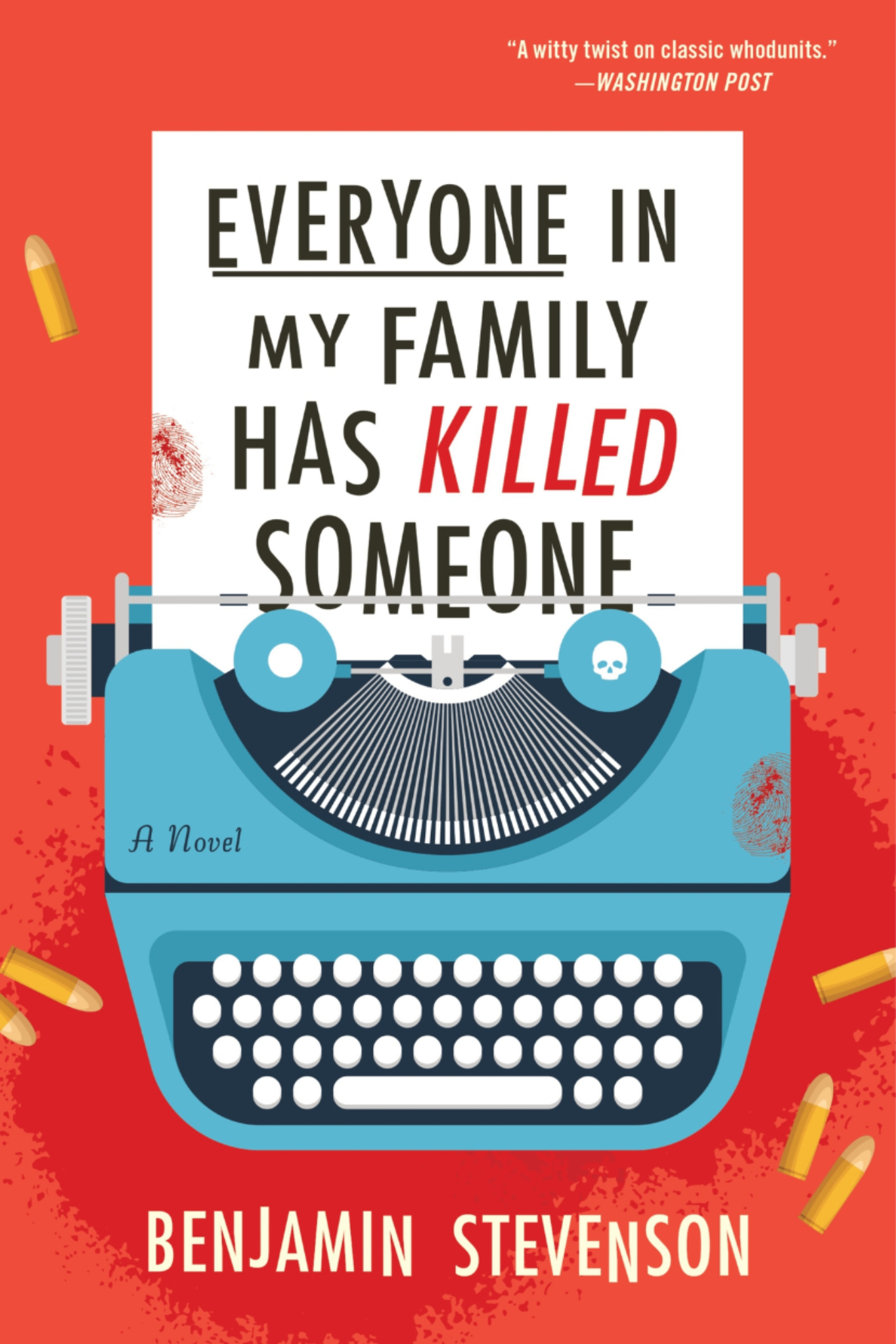
Everyone in My Family Has Killed Someone by Benjamin Stevenson. It’s no secret that the film Knives Out is essentially my lodestar when it comes to mystery fiction, so I’m always on the lookout for clever, self-referential crime stories. I’ve read some fine ones that meet this criteria, but I don’t think any of them were as loaded as this one, full of fun asides and references to the act of writing a mystery story itself. It’s all delightfully meta, and I was very into it. The conceit does end up somewhat overstaying its welcome, though, thanks to a whodunnit that’s convoluted from the start and only grows increasingly more complex and absurd as the novel goes on, leading to an ending that, while entirely fair and adheres to every single rule laid out by the author at the beginning of the book, falls a little bit flat. But I enjoyed this enough to still want to read the sequel (it’s set on a train!), and immediately purchased the third to read during the holiday season—because of course there would be a Christmas mystery in this series.

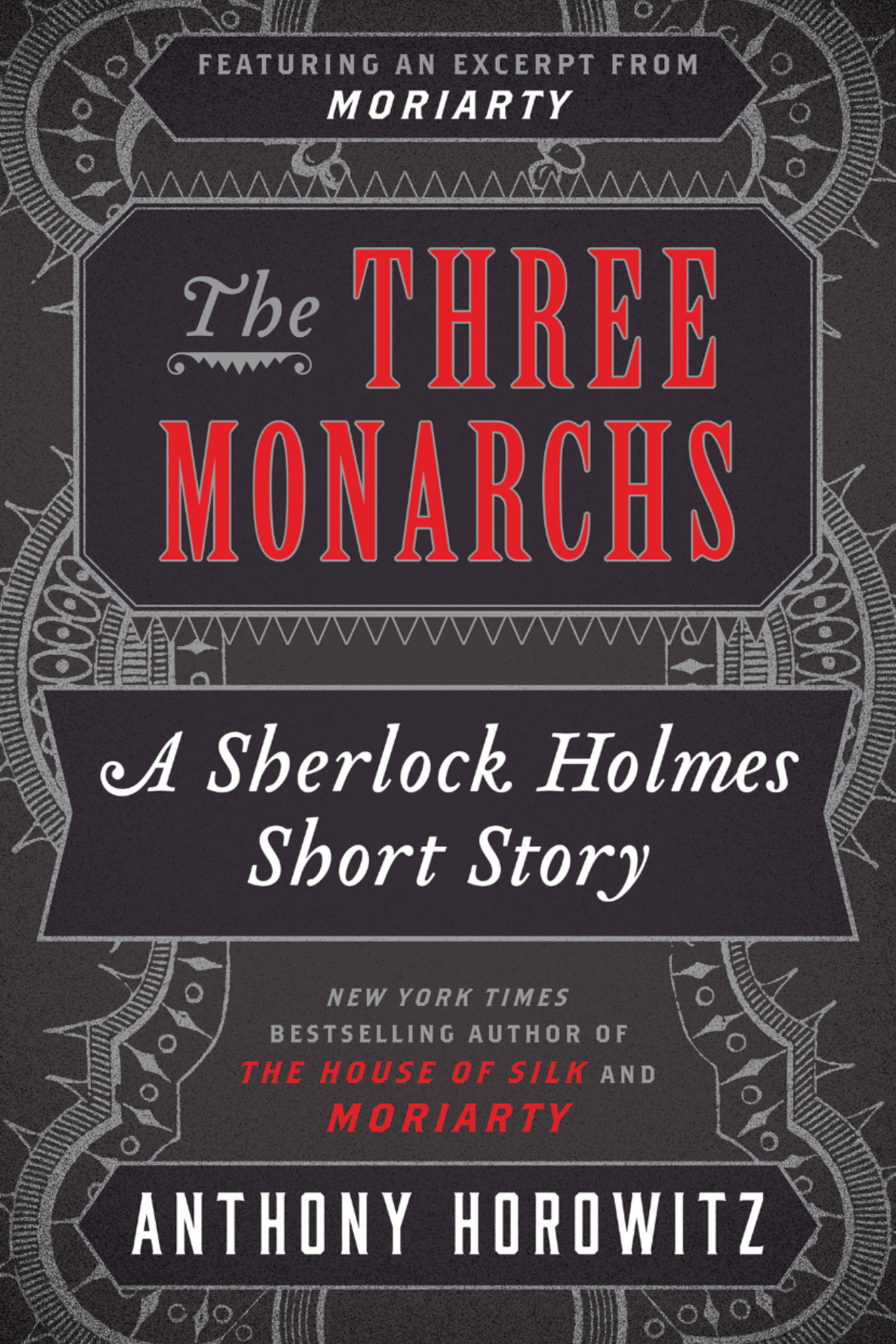
“The Three Monarchs” by Anthony Horowitz. A fun, if inconsequential, Holmes story. I don’t think Horowitz captured Doyle’s voice nearly as well as he did Fleming’s, but he is undoubtedly the finest of craftsmen.

The Bullet That Missed by Richard Osman. Enjoyed this one a bit less than the other two books, but I’ll be damned if it still didn’t make me cry more than once. I just wholeheartedly love these characters. The main mystery, while fun, wasn’t really my favorite, though I did like that it showcased the individual skills of the club members better than their previous cases. The plot is secondary in this series, anyway, used by Osman as a means to throw more and more ridiculous, outrageous, and instantly endearing characters into the mix—and I am absolutely all for it. 

By sheer cosmic coincidence, I happened to finish this on the same date as I did the first novel in the series three years back, and I think that’s neat.

A Very Perry Wedding by Marie Landry. I had read and enjoyed A Very Perry Christmas a couple of years ago, so I figured I would have a good time with this fall-themed follow-up as well—and I was correct. I quite like the Perrys and the friends who orbit them, finding them perfectly endearing and believably flawed characters. 

This one follows Jasper, who was a fairly insufferable character in the first book but gets to absolutely shine here. I found myself relating to his struggles with anxiety quite a bit (while at the same time wishing I had his organizational skills). Willow, our lively, vivacious narrator, is a charmer, and I really liked the chemistry that formed between these two polar opposites. 

A Very Perry Wedding is a slow burner of a romance, but it’s also cozy and charming as hell—at least right up until the final act, when we’re suddenly met with a very forced conflict and given an equally forced resolution to accompany it. Slightly disappointing, given how grounded the rest of this novel was.

Still, I didn’t hate reading this, and would be perfectly fine following this family on further forays.

Up next, properly: Christmas.

OCTOBER 2024

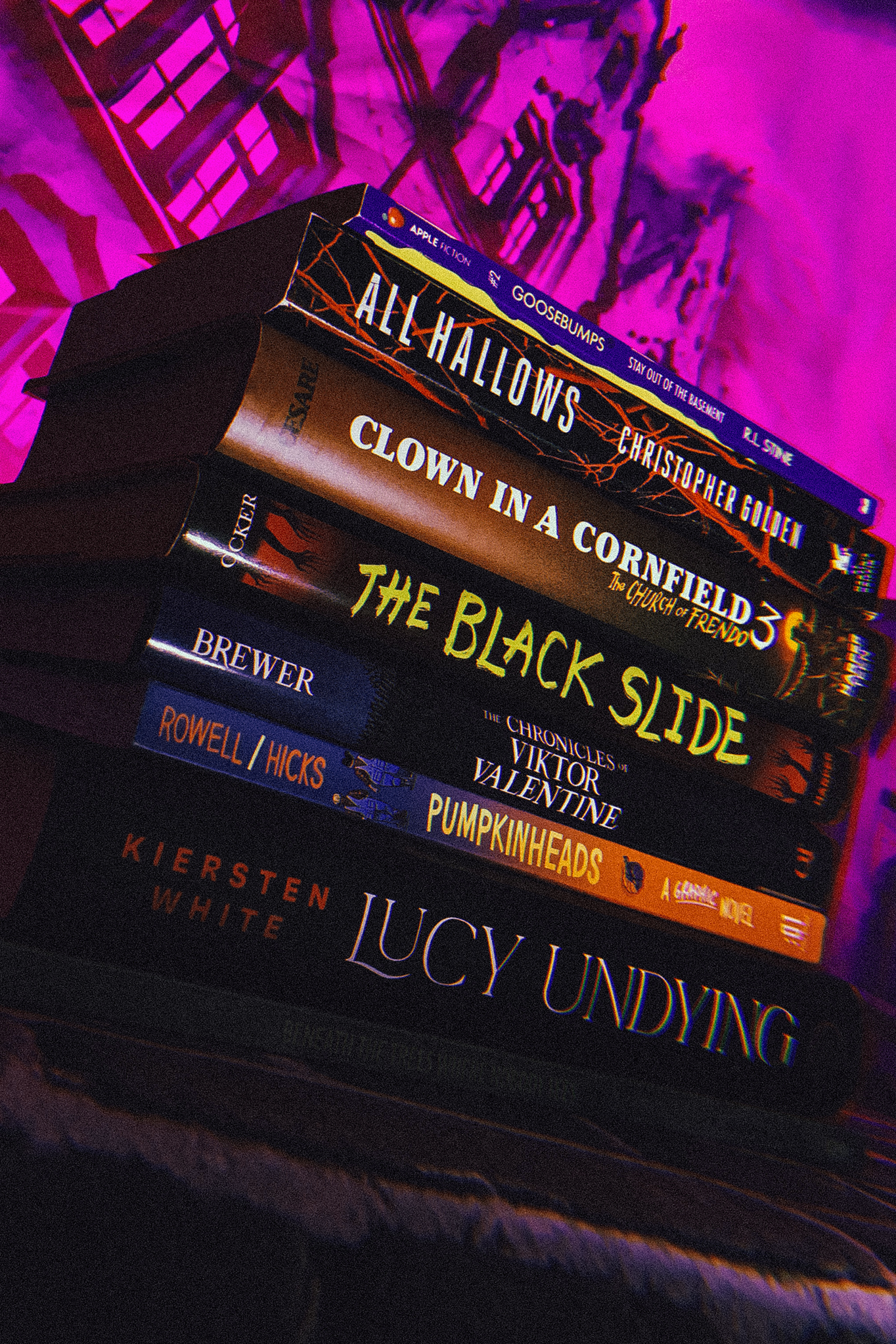
Hello. You know the books I read during the month of October because I did an individual review for every single one of them. Like a madman. But I also managed to read a bunch of short stories throughout the month, and I want to talk about them, too. So here we are. (Also it gives me an excuse to post a picture of a very satisfying pile of books. My gloriously garish Hallowe’en display.)

The books, in case you missed them: 

Beneath the Trees Where Nobody Lives by Patrick Horvath. Wonderful!

The Chronicles of Viktor Valentine by Z Brewer. Fine!

Clown in a Cornfield 3: The Church of Frendo by Adam Cesare. Disappointing!

The Black Slide by J.W. Ocker. Amazing!

Lucy Undying by Kiersten White. Glorious!

Stay Out of the Basement by R.L. Stine. Fun!

All Hallows by Christopher Golden. Great!

The short stories:

“Parthenogenesis” / “Wait for Night” by Stephen Graham Jones. Would you believe that these are the only things I’ve read by Jones? Neither can I. Really need to get on that. Anyway, “Parthenogenesis” was a fun story with a super creepy atmosphere, but I felt like the ending was a bit of a cop-out. “Wait for Night” was just a simple and super rad vampire tale. 

“A Stranger Knocks” by Tananarive Due. Didn’t realize this was a vampire story when I first picked it up, but I do love a serendipitous theme. Similar to the Jones situation, this is the first story I’ve read by Tananarive Due. Definitely need to pick up more of her stuff because this was excellent.

“The Tell-Tale Heart” by Edgar Allan Poe. My shameful secret that would surely get my goth card revoked if it ever got out is that I’ve barely read any of Poe’s actual work. “The Raven,” sure, the odd story here and there—but, like with most artists I admire, I’m far more interested in their cult of personality first and their work second. It’s something I’ve been gradually realizing is a serious disservice to said artists, so I’m working on fixing that. Anyway—this was brilliant, obviously. I read it in a collection called Darkness There, a Kindle in Motion affair that I’ve had on my tablet for years. It’s a neat concept, and features some wonderful art by M.S. Gorley, whose work—and name—evokes Edward Gorey’s (another cult of personality from my personal canon).

“Lantern Jack” by Christopher Fowler. More of a monologue than a proper short story—but it’s a damn good monologue, which made it a delight to read. Very cool, very clever, very macabre. Very into it. Read from The Mammoth Book of Halloween Stories.

“Everybody Is in the Place” by Emma J. Gibson. Some great atmosphere here, but I found the writing style seriously grating. There’s this constant repetition of words that I guess is supposed to evoke some sort of whimsicality (“We’re running, running, running!”) but it only comes across as awkward and annoying, particularly when it’s done so often in such a limited amount of space.

“A Forest, or A Tree” by Tegan Moore. Impeccable and creepy atmosphere throughout, along with some good character work. It’s too bad that it’s all undermined by an abrupt, hasty ending. As is the case with a lot of Tor.com Originals, this felt too much like the opening of a novel, rather than the closing chapter of one.

“The V*mpire” by P H Lee. This is a short story about Tumblr, of all things. It’s also a story about identity and community. And it’s a story about vampires. It should be a mess, by all accounts, but this was a surprisingly intense and impactful piece. Of course, it probably affected me more because Tumblr was such an integral, formative part of my 20s. I was too old to be part of the social circles depicted here, but I was certainly aware of them and can say that, for better or worse, their representation here is entirely accurate—from the compassion right down to the toxicity. This is also a story about how easily predators can exploit the openness of these often vulnerable communities by appropriating their particular language for their own malicious means. The vampires in this story may be fictional bloodsuckers, but that doesn’t make them any less real.

“Bone Fire” by Storm Constantine. Another one from The Mammoth Book of Halloween Stories. My notes for this story read, “A fae and dusky little story. This very much felt like what I imagine a huge bonfire on Samhain must have felt like.” I have absolutely no idea what that means, but let’s go with it. 

(I should note that I often write my notes immediately after I finish reading a story, so they are very much a first impression kind of thing. It also means that they are almost always nonsense. Alas.)

“The Folding Man” by Joe R. Lansdale. A truly outlandish mix between an odd urban legend and, like, The Terminator. Simple, straightforward, and at times seriously savage story. I was super into it. Read from The Mammoth Book of Halloween Stories.

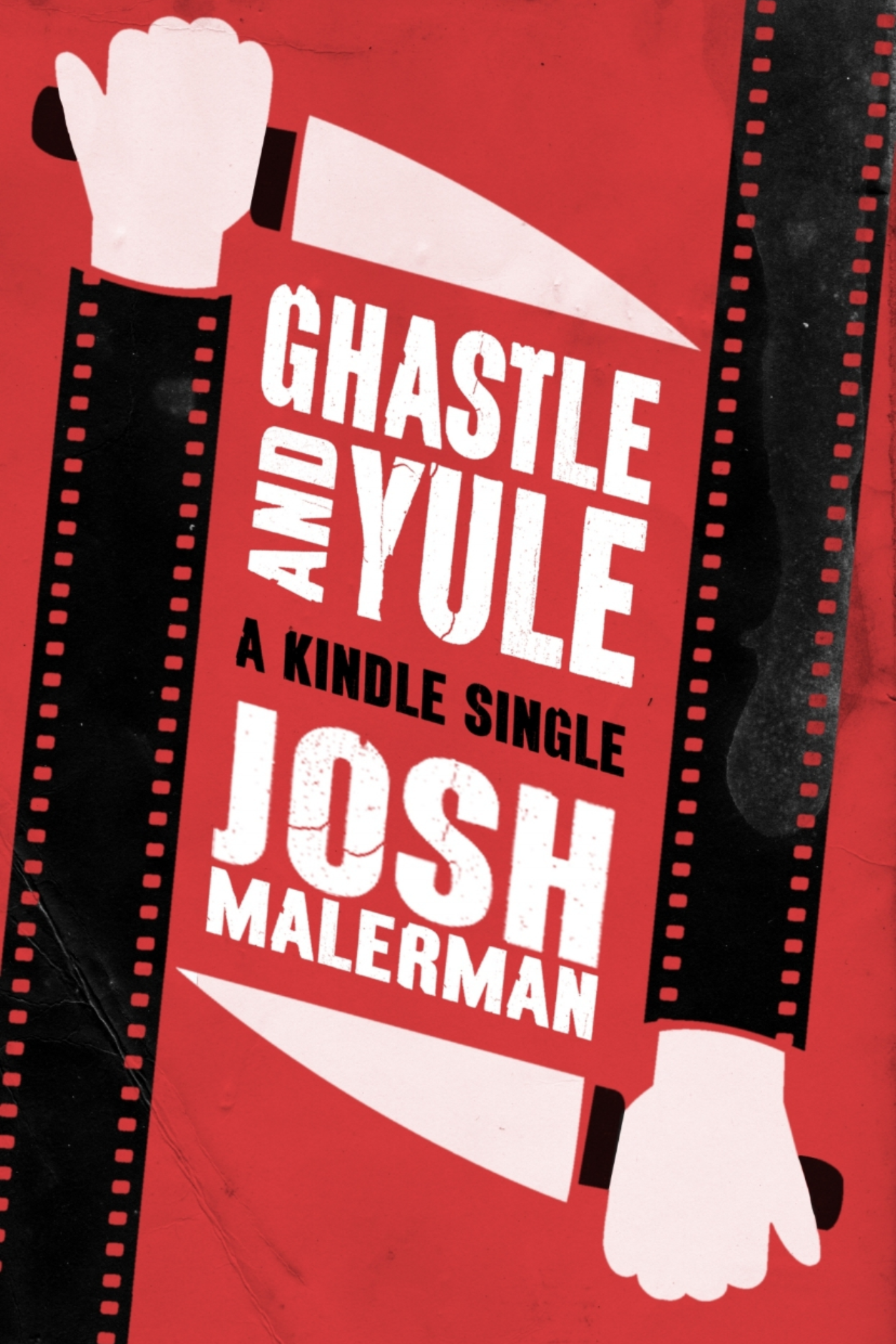
“Ghastle and Yule” by Josh Malerman. Despite its name, this was not a creepy Christmas story as I originally expected. Instead, it’s a tale about two rival horror filmmakers and their obsessions with both their craft and with one another. I enjoyed it a lot. The writing does leave a lot to be desired, at times—there’s more than a fair share of clunky, awkwardly phrased sentences—but the story itself is fascinating enough that I can easily forgive those shortcomings. I’ve always loved stories about film productions, particularly of the Old Hollywood and Mid-Century eras. This skews heavily towards the latter half of the fifties and early sixties, but it hit all the right notes for me. I was particularly impressed with Malerman’s world-building, which is so thorough and convincing that I found myself Googling the names of the characters and some of the film titles to see if they were real. Intriguing, morbid, and a lot of fun.

“The Ultimate Halloween Party App” by Lisa Morton. This one has a great and pretty terrifying premise, but it ultimately didn’t do much for me. The world-building felt cobbled together from interesting but half-formed ideas that never really meshed well. The ending, in particular, felt like a huge non-sequitur—as if the author got bored with her own story. Very baffling. Read from The Mammoth Book of Halloween Stories.

And finally, one book I did not do an individual review for, because I’ve written about it more than enough times

Pumpkinheads by Rainbow Rowell, Faith Erin Hicks. A seasonal staple, obviously. I used to pick this one up at the very beginning of October but have since realized that it’s actually the perfect transitional read, being set on the last day of the month and all about endings and new beginnings. It literally concludes with the characters talking about taking up seasonal jobs during the holidays. Which brings me, once again, to ask Rowell and Hicks for a Christmas sequel to this beautiful book. Please. I beg. I implore.

And that’s another Hallowe’en season come and gone. I hope you all had a good one. I did, despite feeling at times as if I was forcing it a bit too much. (Really, is there anything more horrific than Life getting in the way of your enjoyment of frivolous things? I submit that there is not.) But in the end, I watched some fun movies, read some damn fine stories—even wrote one of my own—and I can’t ask for anything more than that.

SEPTEMBER 2024

Hello. Here’s what I read during the month of September. Mostly talking about short stories this time around. I did read two other novels, but I can’t write about them here just yet because of reasons. Anyway! Good reading month.

“The Counselor” by Robin Sloan. This was provocatively written, but I’m not exactly sure what it was trying to say. The premise of someone being asked if they were ready to die and replying in the negative despite considerable suffering reminded me of a scene from, of all things, Harry Potter and the Methods of Rationality, the famous (infamous?) work of fan-fiction, where Dumbledore talks with this world’s pretentious version of Harry about willingly accepting death one day. Harry argues that the premise is absurd, reasoning that if someone really wanted to live today, then they would, barring some truly terrible circumstances, also want to live tomorrow, and beyond, ad infinitum. That always stuck with me, because I happen to think similarly. Anyway, fairly sure this story is more about the ethics of using generative artificial intelligence in the medical field than it is about that, though.

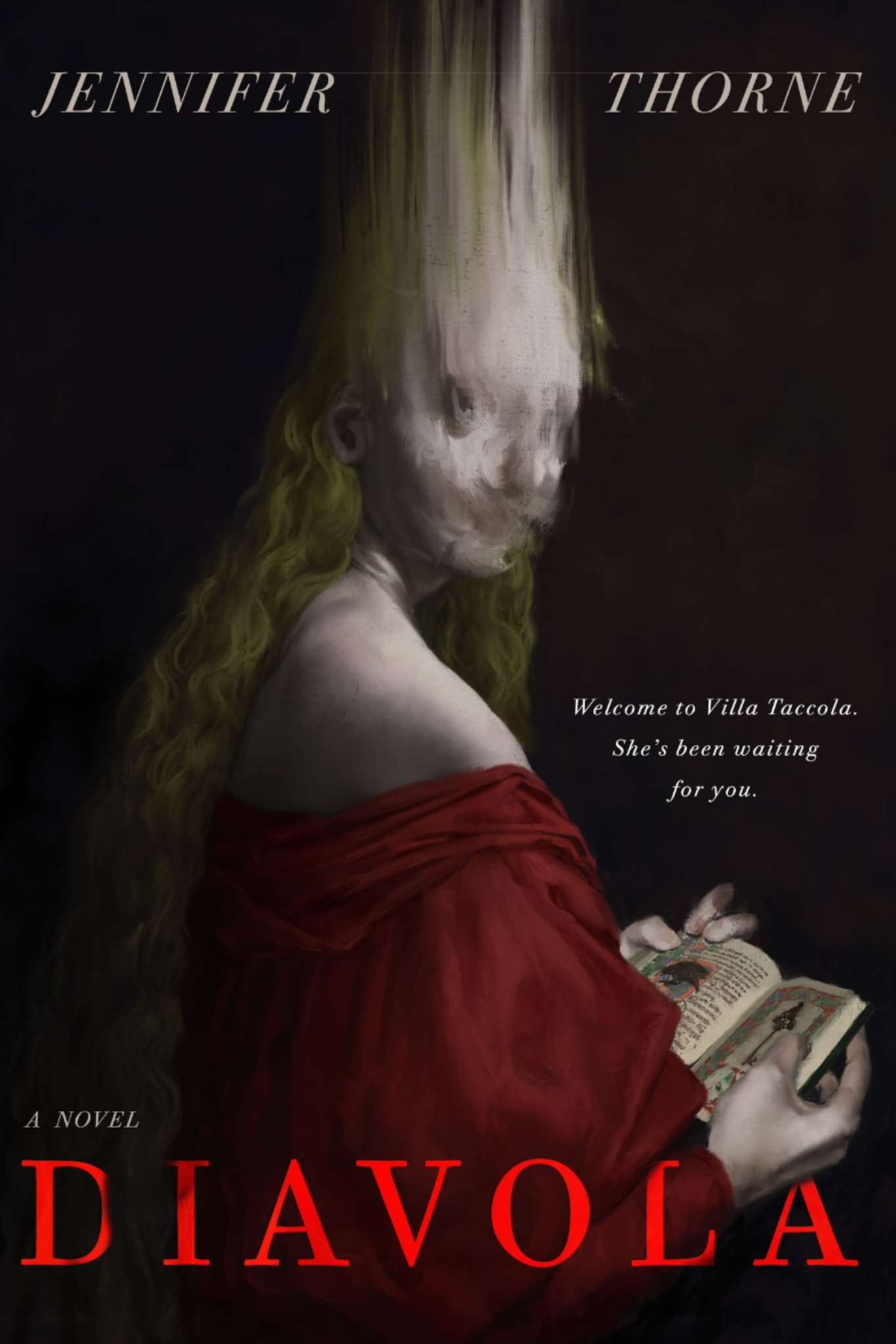
Diavola by Jennifer Thorne. Well, I loved this. So much that I’m now wishing I had saved it for the Hallowe’en season. As it is, though, this was really the perfect read for the summer-to-fall transition. This is touted as Gothic horror, which I suppose it is, but it’s the most thoroughly modern Gothic horror story I have ever read. Sounds contradictory, but author Jennifer Thorne really managed to transport that classic, old-word feel of the genre into the present day, and the result is a veritable thrill ride — in particular, that third act, which stands among the finest I’ve ever read with its relentless, brutal, and inevitably cathartic pace. Anna herself is such a refreshing protagonist, as well — smart and sardonic but never coming across as pedantic or annoying. To say that she’s one of the most relatable characters I’ve read lately feels like an obscene thing to say, given her arc here, but it is also true. But I’m glad we got such a steadfast protagonist who, from the get-go, knew what she wanted, and I’m glad we got a story that wasn’t even remotely afraid to give it to her. A damn good read. This isn’t even mentioning La Dama Bianca, who is a fantastic and terrifying secondary villain. Secondary, of course, because the real antagonist of this story is Anna’s perfectly loathsome family, whom Thorne portrays with perfect contempt.

“Judge Dee and the Executioner of Epinal” by Lavie Tidhar. The latest Judge Dee mystery. This felt… very first draft, let us say. The writing seemed very rushed and somewhat sloppy. Most of the jokes and references didn’t land at all. (There’s a Princess Bride callback that I would have normally loved, that being one my absolute favorite stories, but it just felt forced and out of place here.) Very disappointing. Definitely the weakest of these admittedly irreverent pieces of short fiction.

“It Waits in the Woods” by Josh Malerman. Part of the Creature Feature collection on Amazon. I read a couple of the other entries for the Hallowe’en season last year and they were very hit or miss for me, as these Amazon Originals tend to be. This one turned out to be very effective, though. A little meandering, particularly in the beginning, but with a great, creepy atmosphere throughout. There’s a couple of curious errors here and there, but nothing that took me out of the story.

AUGUST 2024

August was my birthday month. I reached my Memento Mori Goodreads Reading Challenge goal of 37 books just as I turned 37, which was very apt. That it also turned out to be one of the best reading months I’ve had in a while was just a nice little bonus. I got through a fair bit, so let’s dive in.

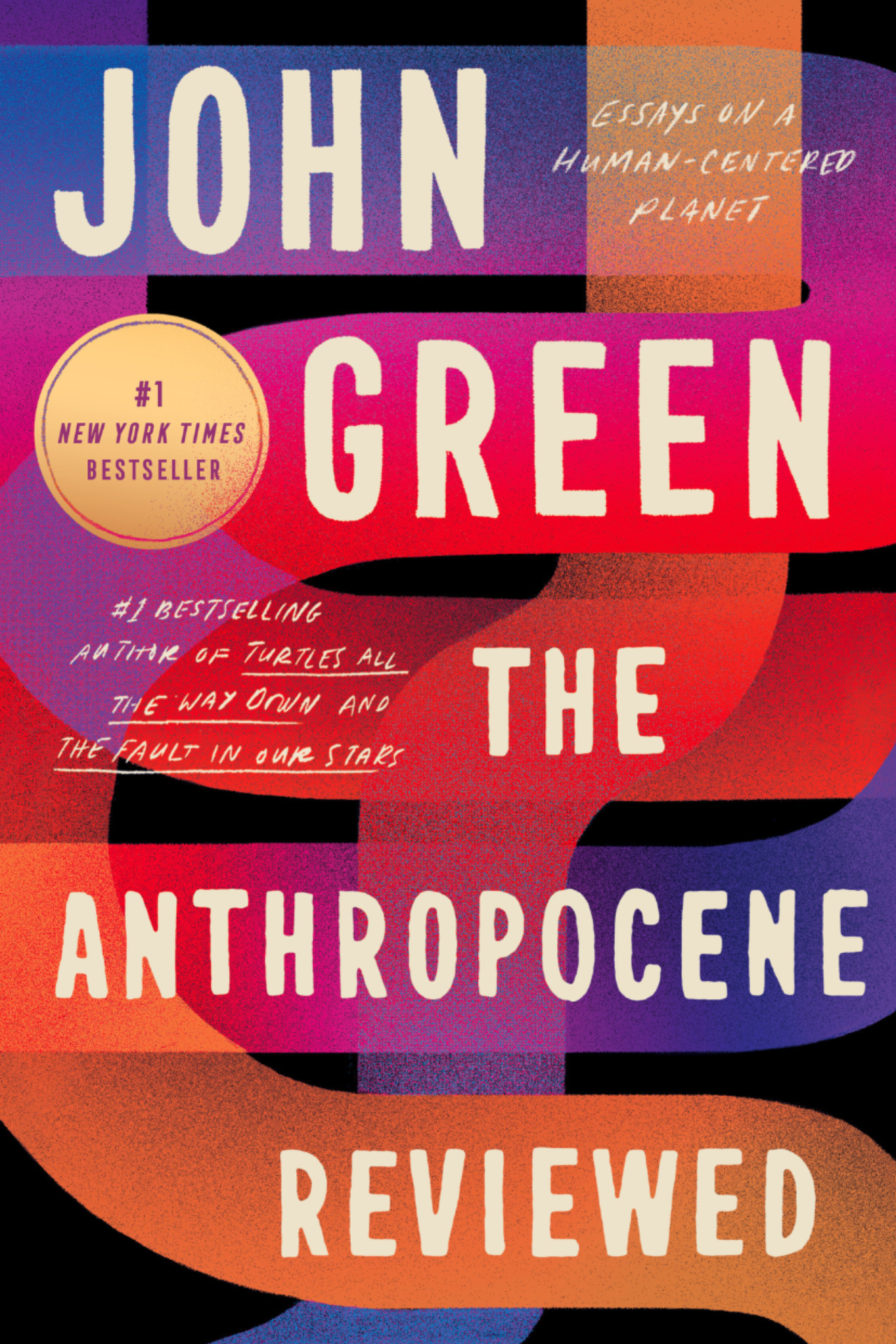
The Anthropocene Reviewed by John Green. The Green brothers have shaped and influenced my life in immeasurable ways. I love them both, but have always had a soft spot for John. Partly because, as a fellow anxious and bookish older brother who is often dealing with one existential crisis or another, I relate to him a lot. Mostly though, I’ve just always admired how he consistently chooses to tell his stories — from his books to the best of his video essays — through the fractured lenses of humanism and hope. The “Thoughts from Places” videos, which were my favorites during their Brotherhood 2.0 era, are excellent representations of John’s reflective style, and this collection of essays is essentially a continuation and expansion of that format. I took my time with this one — I started it back in January — and it’s been a delightful  companion throughout this stressful, hectic year. I give The Anthropocene Reviewed five out of five stars.

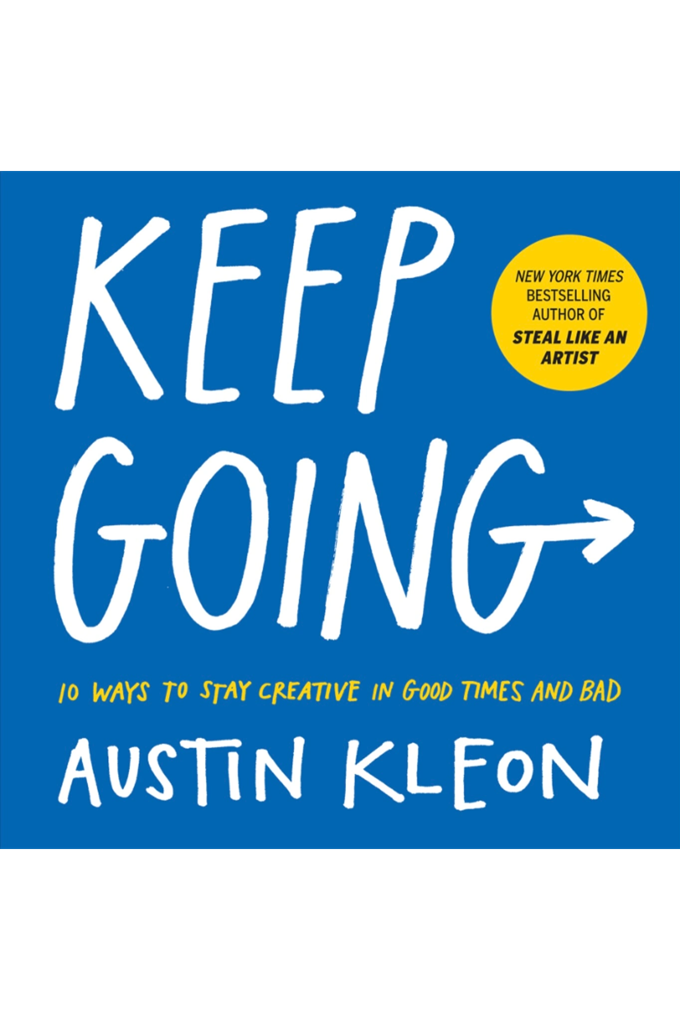
Keep Going by Austin Kleon. A re-read. I first picked this up during the pandemic, and it made that oppressive year feel a little less heavy.  This book’s focus is on the creative life, but I find that it’s infinitely more helpful to my personal life. A lovely book that I think everyone should read. Kleon, by the way, is one of the most interesting people you could ever follow online

It Came from the Trees by Ally Russell. Already wrote about this one, of course. Let’s hear it for rad friends doing rad things. 

The Good Neighbor: The Life and Work of Fred Rogers by Maxwell King. To be perfectly candid I picked this up because I was tired of reading about disappointing men. I wanted to read about someone decent, who did infinitely more good than harm, and I couldn’t think of anyone better and more appropriate than Mister Rogers. But also I just wanted to read more about this amazing man, particularly after watching A Beautiful Day in the Neighborhood at the start of the year. I didn’t grow up with Mister Rogers (to be perfectly honest, I think my younger self would have found him perfectly boring), but he’s someone who I’ve come to deeply admire the more I’ve learned about him through the years. The man was practically a saint, yes, but he was also a flawed individual who, through rigorous discipline and profound courage, tried his damnedest to be a force for good in the world. This expansive, engaging biography does an admirable job portraying this most human of humans.

I also read a bunch of short stories.

“Judge Dee and the Mystery of the Missing Manuscript” / “The Locked Coffin: A Judge Dee Mystery” by Lavie Tidhar. I really enjoy these clever, irreverent short stories. “The Mystery of the Missing Manuscript” is set in an ancient library, and Tidhar has a blast affectionately mocking obsessive bookish types. And I think “The Locked Coffin” might just be my favorite of the Judge Dee stories so far? It’s certainly the funniest — I laughed out loud multiple times. It just felt like a livelier story, with Dee himself seeming downright whimsical. Delightful stuff.

“Randomize” by Andy Weir. Super interesting premise and fun execution. Like a lot of these Kindle Single stories, though, it reads very much like the beginning of a larger, far more interesting story, rather than a thing that stands on its own.

“Emergency Skin” by N.K. Jemisin. Now this was far more like it. Much more complete and infinitely more narratively satisfying than Weir’s effort for this collection of Kindle Singles. Not necessarily the most original concept, but it was perfectly compelling and executed in an effortlessly stylish way, which goes a long way in terms of my enjoyment of a thing.

“The Penthouse” by Helen Phillips. Very effective piece of flash fiction. Enjoyed how downright sinister it felt. The closing line is a veritable banger.

“The Year Without Sunshine” / “Better Living Through Algorithms” by Naomi Kritzer. Kritzer may have turned into one of my favorite short story writers with these two offerings. Both absolutely wonderful in their own unique ways. “The Year Without Sunshine” in particular is one of those stories that fill you with hope and leave you thinking that, contrary to all current evidence, humanity’s going to be just fine, in the end. She deserves every damn Hugo she gets. 

“The Particles of Order” by Yiyun Li. Loved the atmosphere and writing here, but found the ending entirely unsatisfactory.

“A Pretty Place” by E.M. Carroll. I was looking to see if Carroll had any new work coming out. As big a fan as I am of their work, I still somehow managed to miss not only the name and pronoun change, but also this utterly unsettling and gorgeous story from last year. Obscenely good, as per usual.

“Obituary for a Quiet Life” / “The Coded Life of William Thomas Prestwood” by Jeremy B. Jones. These are narrative essays, which I never cover in these wrap-ups, but I was so struck by Jones’s writing that I had to include them. “Obituary for a Quiet Life” is a beautifully poignant piece, and “The Coded Life of William Thomas Prestwood” is just a stunning story that’s simply staggering in scope and so unlike anything I’ve read before. Wonderful, wonderful writer.

JULY 2024

Hello. Here’s what I read during the month of July:

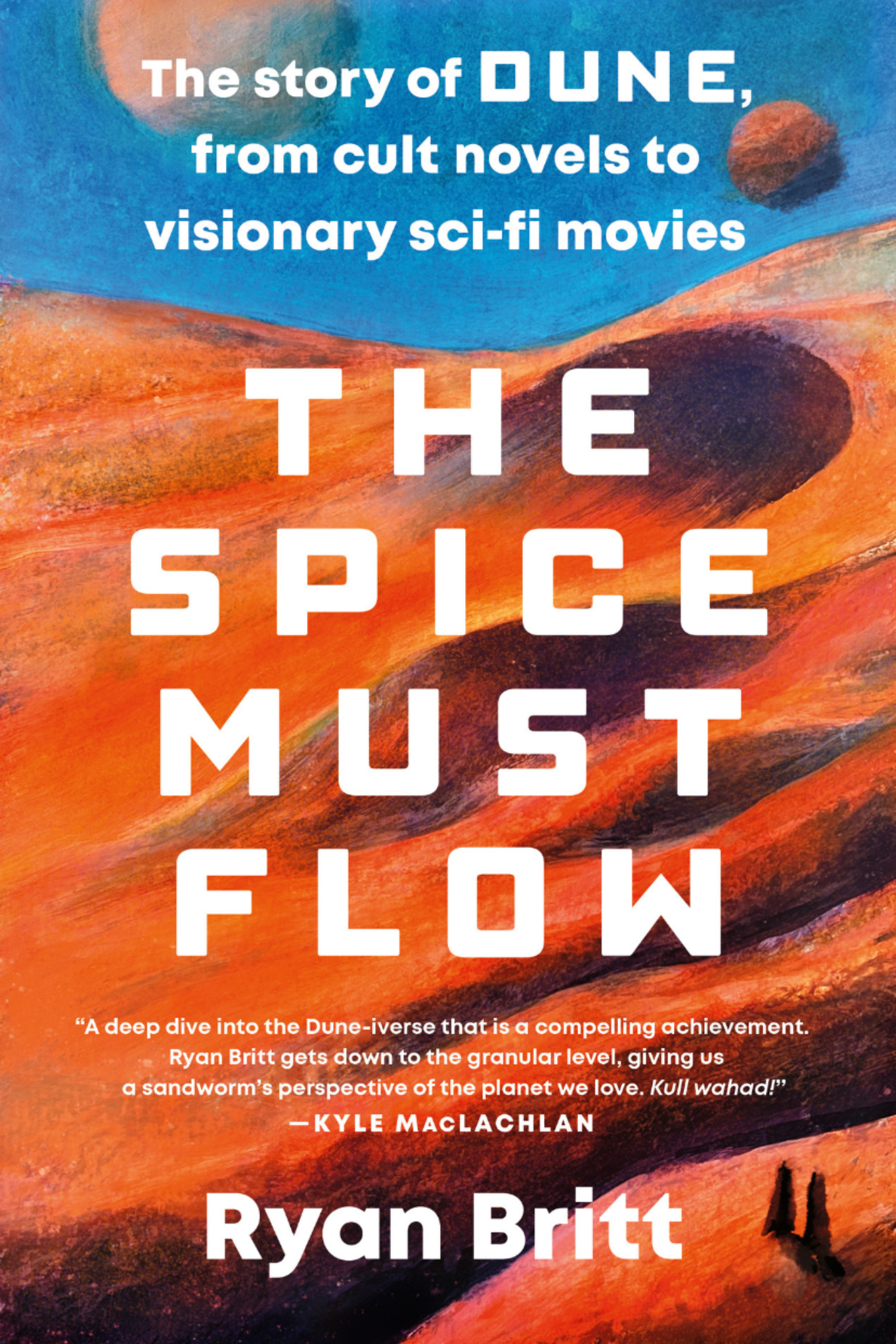
The Spice Must Flow by Ryan Britt. Books about works of art are one of my favorite things, particularly when they give a behind the scenes perspective as to how said art was made. But this is the sort of pop culture book that is meant to be a primer rather than a deep dive, and so, like the Fremen sandriders, it never really lets the worm go further below the surface. Still, Britt’s writing is punchy and highly entertaining, making this a perfectly fine and fun celebration of the revered franchise. 

This was the only book I managed to finish during the month. Did manage to squeeze in a couple of short stories, though.

“I’ll Miss Myself” by John Wiswell. Lovely little story that’s just a tiny bit too saccharine. Basically a not so subtle commentary on the online hellscape social media and its algorithms have wrought that have done such a number on our collective mental health. If anything, this story serves as a good reminder to check in on both your homies and yourself. You are so needed by everyone to do everything.

“Old Media” by Annalee Newitz. Intriguing story about fondness, friendship, and freedom with some compelling characters, but it never really quite clicked with me, unfortunately. 

And so July was… fine? Things are still somewhat hectic in my personal life, and it’s definitely affected my reading (one whole book) but I’m also not feeling like I’m in any type of slump. It’s tragic to say, but reading just hasn’t been much of a priority lately — because life. Still, I very much want to work on making it one again. Reading is as close to a meditative act as I’ve ever been able to get, and I definitely don’t want to lose that. 

JUNE 2024

Hi hi. Here’s what I read during the month of June. Unlike May, which was a A Terrible, Horrible, No Good, Very Bad Month, I actually managed to sneak in a few things this time around. It was a decent one.

The Wildman of Shaggy Creek by R.H. Grimly. After last month — which, as I’ve already said, was Terrible — I fell into a particularly bad slump.  I’ve always maintained that the best way to get out of one is to pick up a middle grade book — particularly if it’s a spooky one. Picked this up with the intention of starting my summer horror reading. That didn’t really pan out, but it did get my reading in general back on track. A nice, fun, and quick read. It’s a Goosebumps throwback, down to the format and even the spectacular cover art, which was done by Tim Jacobus, natch. It does a fine job evoking the nostalgia-laden series, stumbling only towards the end, where it wraps up everything entirely too neatly, whereas Stine would have rather died before wasting an opportunity to go with a perfectly terrible and tawdry twist.

The Suitcase Clone by Robin Sloan. Read this in anticipation of Moonbound. Sloan is at his most playful here — both in terms of the language (the fun he has with words is palpable) and plot (veritably pulpy). Like in his novel Sourdough, of which this is sort of a prequel, food and drink play integral roles here, and the descriptions are nothing short of delectable. Like, I’m in no way a wine guy, but this made me want to be a wine guy, you know? Great stuff. Sloan is a perennial fave.

Moonbound by Robin Sloan. As with most things I end up truly loving, I have no idea how to talk about this book. It grabbed me in a way no book really has since Psalm for the Wild-Built. Which is apt, I think, because in a lot of ways they are very similar: stories about a future in which, rather than succumbing to despair and desperation, people find a way to go on. My own cynical streak aside, these stories of radical optimism always resonate with me in a deep and pointed manner — second only to stories that are about stories themselves. So is it any wonder that I loved this so much, when it’s a hopeful story about an optimistic future and that it’s also, at its core, about stories and storytelling? Another kind of storytelling I’m deeply drawn to are those that deal with the metatextual and the self-referential. It’s something that Sloan has always done particularly well, and here he cranks it up in a considerable manner. And the result is an extravagantly whimsical and imaginative fable about friendship and bravery and the stories we tell ourselves to get us through the dark. I couldn’t help but adore this book. It tugged at my heartstrings from the first chapter on. I didn’t want it to end. I want to read it again.  Favorite book of the year thus far, needless to say. 

I also managed to read two short stories this time around. To be perfectly candid I had forgotten all about them after a couple of weeks, which I guess is a reflection of how I enjoyed them as a whole.

“Uncharted Waters” by Sally Hepworth. Was in the mood for a summer mystery when I picked this up. It turned out to be less of a thriller than it was a domestic drama, but the vibes were undoubtedly summery. I thought it was okay. The story and the setting were fine, but like a lot of these Kindle-exclusive short stories, the beginning was way too drawn out while the climax felt entirely rushed and anticlimactic. Which is why it ended up being so forgettable, unfortunately. 

“Tiger Chair” by Max Brooks. I am a fairly big fan of Brooks, I would say. World War Z was a formative reading experience for me, and Devolution was one of my favorite Hallowe’en reads a couple of years ago. Brooks’ books are all about world-building, something he is obscenely good at. His settings are always particular and precise. But the thing that makes his stories stand out for me is the visceral level through which we experience these meticulous environments. Brooks’ impeccable skill at setting a scene shines here,  but ultimately I found that it lacked that certain vulnerable viewpoint. It is a terrifyingly realistic tale, though, and, I’m sure, painstakingly researched. But it left me feeling cold. 

Things have been kind of hectic on my side for a couple of weeks and, even though reading hasn’t been exactly a priority lately because of that, I’m thankful to all these stories, regardless of enjoyment, for providing some much needed escapism. Onwards and upwards.

MAY 2024

Last time I complained about April being a rough month, and then May rolled around and was like ha ha ha and proceeded to kick my ass. So not much reading was done, needless to say. It was, sadly, pretty much the last thing I wanted to do.*

Butyeahanyway, I still managed to read a couple of things during the month of May, miraculously enough.

Alias Emma by Ava Glass. Really fun thriller with a stellar premise. Emma is a good character, if a little bland. The secondary characters are wonderful, though, and I wish some of their distinctiveness bled onto the protagonist. What really makes this book is its central conceit, which while contrived at times, is still believable and exciting enough to carry you on to the end. The climax proper was a bit off, though, feeling somehow both too sudden and too neat. Anyway, this is the start of a series, and the second book seems to take place abroad, and international spy stories are always fun.

This was, indeed, very much read because I was still on a spy high after finishing the original Bond series. The book suffered slightly from this because I found myself at times just wanting to read another Bond adventure. But that is, of course, entirely on me.

And that’s it from the book side of things. The only other thing I read was a short story, in keeping with my goal to read at least one every month.

“We Now Pause for Station Identification” by Gary A. Braunbeck. A considerably less whimsical version of Welcome to Night Vale. Neat little story with an effective execution but entirely too much going on. A lot of interesting ideas, but I wish the author would have stuck with one and developed it, instead of going with the throw-mud-against-the-wall-and-see-what-sticks approach that we got. Some solid, haunting imagery here, though, and I was captivated throughout.

I’m now in a bit of a slump after all that time not spent reading, but things on the personal front seem to be looking up, so fingers crossed that my reading will follow soon.

* Main Things I Wanted To Do:
       1) Rot in my bed
       2) Rot on my couch