APRIL 2025

Hello. This was April: a month of artists, assassins, and authoritarians.

“Five Views of the Planet Tartarus” by Rachael K. Jones. Simple. Effective. Brutal. Can see why this has been getting so much award buzz. 

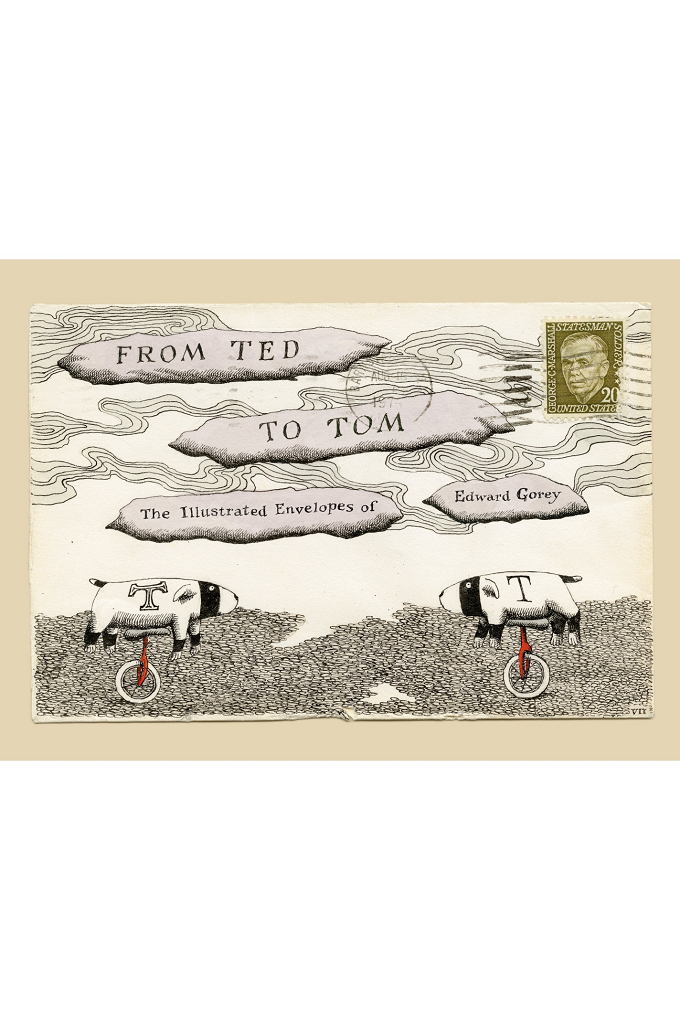
From Ted to Tom: The Illustrated Envelopes of Edward Gorey edited by Tom Fitzharris. Had this also included Mr. Fitzharris’s side of the conversation, this little volume would be as invaluable as Floating Worlds, that other gorgeous and considerably more intimate collection of letters between Gorey and fellow author Peter F. Neumeyer. Lacking the epistolary context, though, Gorey’s missives—full of cleverness and charisma though they may be—feel a bit cold and detached. (Although, to be fair, that is probably how Gorey would have liked it—the last thing the man wanted was to be scruted.) 

But this is mainly meant as a showcase for Gorey’s endlessly evocative envelope art, and in that regard, it is a resounding success. A stunning collection. 

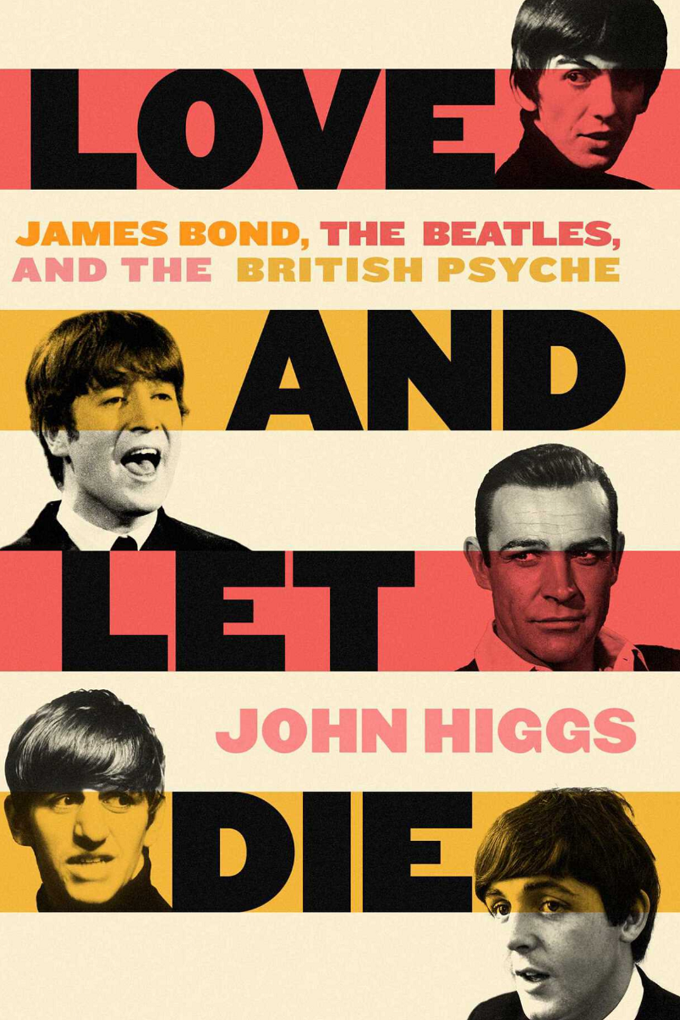
Love and Let Die: James Bond, The Beatles, and the British Psyche by John Higgs. The central conceit of this book—Bond embodies Death; the Beatles embody Love—is absolutely delicious, and I all but devoured it in just a couple of days. Bond is what drew me to it initially, of course. While I’ve always enjoyed and appreciated the Beatles, I’ve never exactly been what you might call an active aficionado of the group. It’s definitely fair to say that I’m much more a proper Bond enthusiast overall, and Higgs’s commentary on the character—and his insights into the 007 stories—are among the finest, most perceptive I’ve come across. You can tell it comes from a place of deep fondness and appreciation, too, even when Higgs isn’t holding back on his criticism of the more objectionable elements of Fleming’s famous fictional fabrication.

Despite finding the “Bond is Death” premise evocative from the outset, I wasn’t entirely sold on it until literally the final chapter, with its discussion of the transformative nature of myths through the unlikely lens of the shamanic ritual tradition of the death and resurrection show—which is the kind of analysis you get from a book that insists on juxtaposing such incongruous legendary figures as Double-O Seven and the Fab Four. (It also, surprisingly, made me excited and hopeful for the future of the character—we tend to keep our myths around, after all.)

I wish I had more to say about the Beatles. Despite running a negligible MP3 blog in my early twenties, music commentary has never really been my forte. But the love Higgs has for the group and its individual members is palpable, and it made me revisit much of their music throughout my reading of this. It’s also simply astonishing how, for a group that’s been a fundamental component of pop culture for sixty years now, there is still so much left to discuss. Even this volume, which does not purport to be an exhaustive history of the band, offered some surprising insights and intriguing details I had never come across before. It was one of those sobering realizations: we’ll never truly comprehend just how much—and how utterly—these four lads changed the course of history.

But obviously, my favorite part of the whole thing was discovering the countless surprising ways these two icons of modern mythology intersected—and how their respective legacies continue to shape not just the culture of Britain, but that of the world. A perfect piece of pop punditry.

With a Mind to Kill by Anthony Horowitz. Horowitz may just be my favorite Bond writer—though that could simply be because he emulates Fleming’s distinct style so effortlessly and flawlessly. His 007 novels are excellent, and this is probably the most mature and well-written of the lot. I flew through this. I loved that the story was a direct continuation of The Man with the Golden Gun, which I still maintain would have been an excellent send-off for Bond had Fleming lived to do a final pass. That Horowitz expands and fleshes out that narrative here is a fine tribute—and indeed one that makes that particular novel retroactively better. 

Horowitz has a flair for character work, and, appropriately, Bond’s portrayal here is superb—positively brimming with the acedia its original author bestowed upon the character. I appreciated that his battles were as much mental as they were physical, a device that has always suited the literary Bond so much better. Katya is a fascinating love interest, and her story—true to this series—is suitably shocking and tragic. Colonel Boris could have been a real contender for most vile villain if only he had been fleshed out more. In a way, it was fitting that the horrendous things he did to Bond and others were merely hinted at, letting our morbid minds fill in the rest—but it would have benefited the story more to see some evidence of the character’s depravity, the better to truly loathe him. 

Still, a magnificent end to a magnificent trilogy.

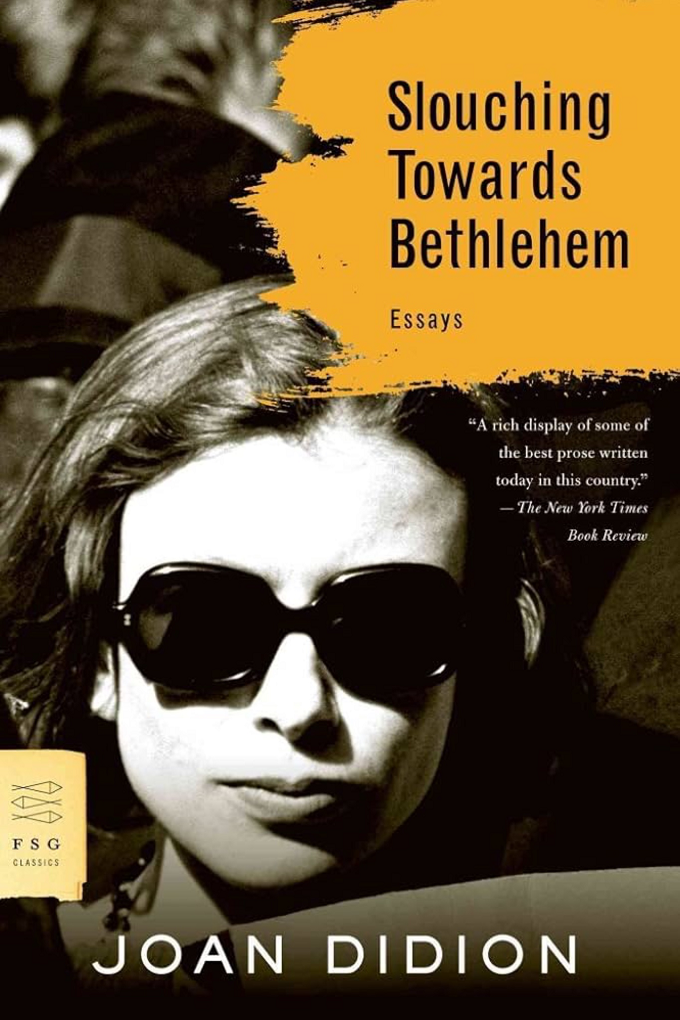
Slouching Towards Bethlehem by Joan Didion. My first Didion! Finally! It was fine!

Didion was undoubtedly a Writer, and she had a way of crafting sentences that were both beautiful and breathtaking, making her prose read almost like poetry, at times. Technical admiration aside, though, I feel like a lot of these essays didn’t do much for me, unfortunately. This collection is divided into three parts: the first is devoted to pieces about California, the Culture, and The Times; the second to personal musings—more journal entries than straight-up reportage; and the third to an assortment of abstract and introspective pieces exploring more psychological and emotional terrains, along with some additional diary-type entries.

For me, each section came with diminishing returns, with the first, “Life Styles in the Golden Land,” being the strongest. Didion’s wanderings through the rapidly changing cultural landscape of the sixties—and her insights into the whys and wherefores of the psychedelic age—were nothing short of fascinating. My favorite piece was “Some Dreamers of the Golden Dream,” mostly because it read like a particularly noir episode of Mad Men and reminded me that I should really give Double Indemnity a watch. A close second was the titular essay, of course—that powerhouse of zeitgeist writing. Brilliant, bold stuff. 

Despite some truly wonderful writing, I’m sad to say that I found most of the other essays largely forgettable—mainly because many of their subjects were figures who may have, I’m sure, loomed large at the time but have since become minor historical footnotes, their triumphs and follies virtually faded and forgotten, and not even Didion’s sparkling, novelistic prose could make them resonate for this twenty-first century reader. 

Required reading, regardless. Didion was an absolute force.

And that was April. See you next month.


BOOKS BOUGHT LOOK I WAS DOING WELL UNTIL ABOUT HALFWAY THROUGH THE MONTH BUT HONESTLY I’M CONSIDERING THAT PROGRESS:

  • Death of the Author by Nnedi Okorafor
  • Cary Grant’s Suit by Todd McEwen
  • My Life with Bob by Pamela Paul
  • The Spy Who Loved Me by Ian Fleming
  • Heat 2 by Michael Mann, Meg Gardiner
  • The Chinatown Death Cloud Peril by Paul Malmont
  • Whalefall by Daniel Kraus

THE PROTÉGÉE by Erica Ridley

This review first appeared in Booklist on May 1, 2025.

In nineteenth-century France, industrialists have replaced the aristocrats as de facto rulers of the land. Amassing unprecedented wealth by severely exploiting the working class, they simultaneously create a strict social hierarchy where the proletariat is all but forced to cater to the callous whims of the elite. Eighteen-year-old Angélique dreams of rising above this classist culture by becoming the protégée of a top modiste in Paris. Then, a barbaric, avoidable accident leaves her an orphan and the sole caretaker of her youngest sister. Vowing revenge against the cruel capitalists who tore her family apart, Angélique is determined to use her talents as a seamstress to win their favor, embedding herself in high society and positioning herself perfectly to dismantle their elitist empire—by any means necessary. Written in a lavish style befitting the haute couture–laced setting, Ridley’s fashionable tale of rhapsodic retribution is a blistering critique of capitalism and its ruthless pursuit of wealth at the expense of human dignity. Macabre and delightfully twisty, Ridley’s YA debut is perfect for fans of V. E. Schwab and Kate Alice Marshall.

WE WON’T ALL SURVIVE by Kate Alice Marshall

This review first appeared in Booklist on May 1, 2025.

Mercy Gray has always been resilient. It’s how she managed to save lives—including her younger sister’s—during a mass shooting. It’s how she went on to recover from the bullet that nearly killed her. And it’s exactly why she’s been invited to compete in a high-stakes reality show spearheaded by a tech-bro billionaire with an obsessive survival-of-the-fittest mentality. Mercy is initially skeptical, but the promise of a substantial cash prize in the face of considerable medical debt pushes her forward. When she and the other contestants arrive at the off-grid location, they find the set eerily empty. Then the automated gates trap them inside, forcing them to play an increasingly dangerous game—one that will lead to the kind of bloodshed Mercy hoped to never witness again. Marshall delivers an intense, pulse-pounding thriller that tactfully explores themes like trauma and toxic masculinity while never letting go of the throttle. Full of twists, turns, and catharsis, Marshall’s latest is comparable to her 2018 offering, I Am Still Alive, and The Woods Are Always Watching (2021), by Stephanie Perkins.

MARCH 2025

Hello. This was March.

Mr. Penumbra’s 24-Hour Bookstore by Robin Sloan. The Great Sloan Re-Reading Spree continues! Second time reading this book, I think. Still love it, of course, but it’s probably my least favorite of his novels. Mostly because his hyper-idealized portrayal of Google always felt a little bit naive to me, even back when I first read it. And of course it can’t help but feel even more naive now, given the state of things. But that’s the progress of time for you. Sloan’s enthusiasm for technology and its infinite potential will never not be infectious, though, and his deep and abiding appreciation for traditional craftsmanship will always be aspirational.

Ajax Penumbra 1969 by Robin Sloan. Had read this one before, back when I first picked up Penumbra, but I confess that I have no real recollection of it, so this very much felt like reading it anew. I quite liked it, unsurprisingly enough. I think I enjoyed it more than the original novel, even? It had more of a swashbuckling adventure vibe that I was just really into. Also: lots of great names! Sloan is great at great names.

“Harriet Amber in the Conan Arcade” by Robin Sloan. Fairly sure no one can write chill, vibey, feel-good stories quite like Sloan. Or maybe they do, and I just don’t like ‘em as much. A sweet, droll little tale about life and how it’s never too late to change everything about it all..

“Author’s Note” by Robin Sloan. Another one of Sloan’s writing-with-large-language-models experiments—this one written with Wordcraft, Google’s AI-powered “writing assistant.” It’s successful in the sense that you can’t tell which words were written by Sloan and which ones were suggested by Wordcraft, I suppose, but fails by lacking Sloan’s usual stylistic flair and just by being an unsatisfying story overall.

I’m still deeply unconvinced by AI’s potential role in art (and even less so after Meta’s most recent fiasco), but Sloan is one of the few writers I know who is actively engaging with it—both technically and philosophically—in a way that feels prudent and circumspect. The complete opposite of what every single one of these callous, capitalistic conglomerates are currently doing, essentially.

Sloan is pretty good at this whole thinking about the internet thing, so I think his is a voice worth listening to.

“The Conspiracy Museum” by Robin Sloan. Again: Sloan is one of the most interesting and insightful writers/thinkers of the Internet Age. Had read this one before, but it apparently never registered that this was part of his burgeoning ““The Rock is President” universe because I cackled when I finally clocked it. 

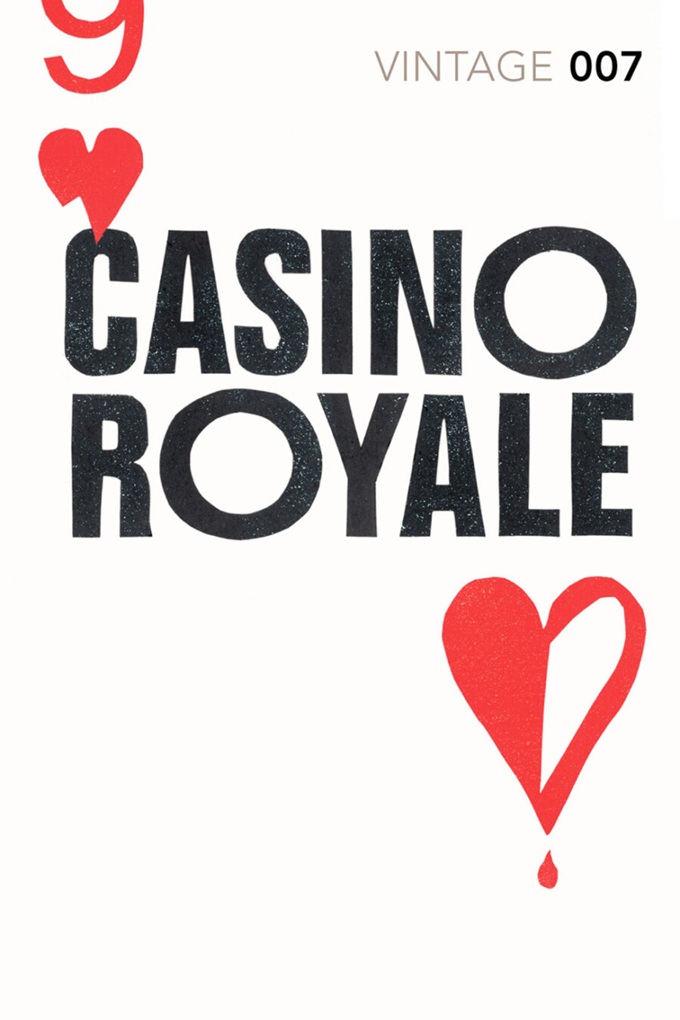
Casino Royale by Ian Fleming. Another re-read because why the hell not? A great book dripping with atmosphere and stellar writing. Fleming penned some veritable bangers here.

Mathis opened the door and stopped on the threshold.

“Surround yourself with human beings, my dear James. They are easier to fight for than principles.”

He laughed. “But don’t let me down and become human yourself. We would lose such a wonderful machine.”

I first read this one back in 2023, before I had any real appreciation for these stories and the film franchise that followed, and so my notes for it were amusingly bare bones. Apparently I thought the first half was mostly fluff? Hilarious considering my current enthusiasm for this series. Ah, the naivete of youth. 

Could this be the beginning of another Great 007 Readthrough? I doubt it! I may pick some of my favorite stories back up, though. Or maybe I’ll continue with the continuation novels? Who knows! I don’t! I just follow my capricious whims!

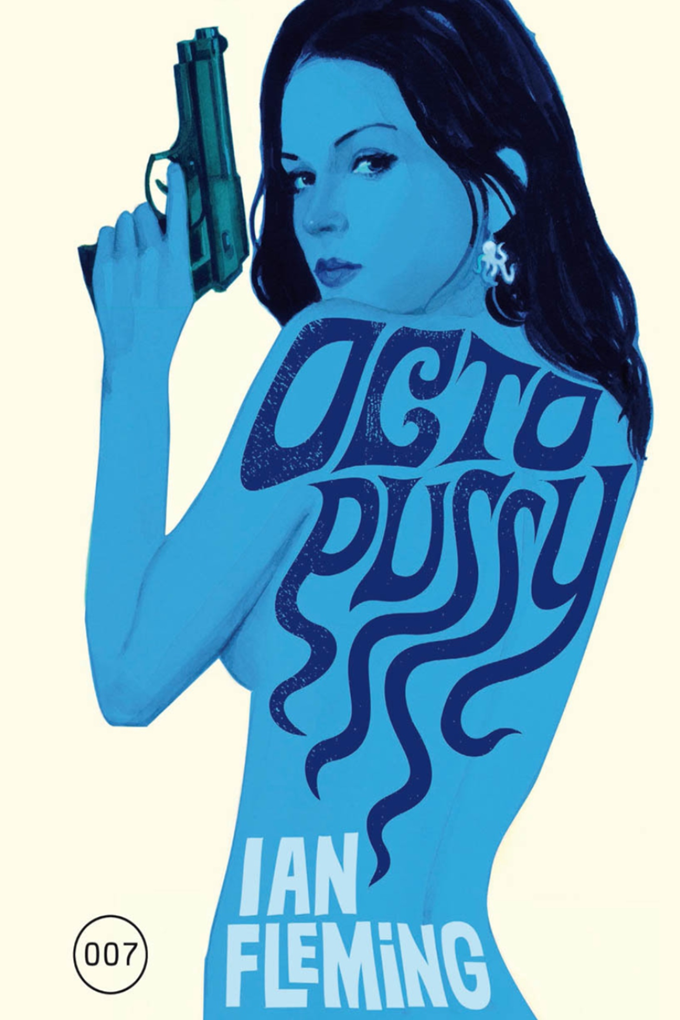
“Octopussy” by Ian Fleming. Another of my favorite Bond stories—even though the man himself isn’t around for most of the thing. Really just a fascinating character study—both of the story’s protagonist, and of the author himself. This story was clearly written while Fleming was on the decline, health-wise, and his deep melancholy—that inescapable acedia—is positively palpable. It’s borderline autobiographical: It even takes place in Goldeneye.  

The Seventh by Richard Stark. Man, when Westlake was firing on all cylinders, he was unstoppable. I’ve enjoyed pretty much every Parker novel I’ve read, but I tend to really love the ones that have Parker teaming up with a large cast of characters. Despite his silent, stoic demeanor, he bounces off other people surprisingly well—particularly when they are lively little lowlives. Westlake knows this, so he doesn’t miss an opportunity to imbue pretty much every single supporting player with as much verve and flair as possible. This novel is chock-full of brilliantly particular and peculiar personalities, and it’s a pleasure to watch them all go—before they’re all suddenly and shockingly offed, of course.

The heist is a lot of fun, but—as is often the case with these novels—it’s the aftermath where the really interesting stuff happens. One of my favorites so far.

Tomorrow Never Dies by Raymond Benson. A surprisingly solid novelization of my favorite film from the Brosnan era. Really enjoyed Benson’s pulpy writing, even though it tended to get unnecessarily technical at times, letting the story get lost in the jargon of it all. Bond continuation writers tend to struggle when emulating Fleming’s flair for specificity, I’ve found. It wasn’t just naming the precise model of this gun or that particular class of ship that made Fleming’s writing engaging and appealing—it’s what those names and terms evoked. In Fleming’s case, it was almost always a sense of opulence and sophistication. Benson’s approach, more often than not, had all the dry, clinical air of a product launch—a far cry from the lavish, luxurious vibes we’ve come to expect from 007 stories.

Still, much like the film it’s based on, this was a hell of a lot of fun. I particularly liked the extra scenes and added details Benson included to help ground some of the film’s more outlandish aspects. And I appreciated his valiant attempt at weaving a coherent continuity between Fleming’s original Bond, the cinematic version, and his own take—even when it didn’t always make perfect sense.

And that was March. Bye.


BOOKS BOUGHT LOOK I AM GENUINELY TRYING BUT PANGOBOOKS IS PROBABLY THE BEST WORST THING THAT COULD HAVE EVER HAPPENED TO ME OKAY:

  • Coolest American Stories 2025 edited by Mark Wish, Elizabeth Coffey
  • The Collectors by Lorien Lawrence
  • The Best American Mystery and Suspense 2024 edited by S.A. Cosby
  • Carte Blanche by Jeffery Deaver
  • Die Another Day by Raymond Benson
  • Octopussy and the Living Daylights by Ian Fleming
  • Forever and a Death by Donald E. Westlake
  • James Bond: Choice of Weapons by Raymond Benson
  • James Bond: The Union Trilogy by Raymond Benson
  • This Beautiful, Ridiculous City by Kay Sohini

THE SUMMER I ATE THE RICH by Maika Moulite, Maritza Moulite

This review first appeared in Booklist on April 1, 2025.

Brielle Petitfour is hungry—for success, naturally. She’s been working hard to turn her passion for cooking into a distinguished, profitable venture, hoping to finally give her ailing, selfless mother the life she rightfully deserves. For power, too: working at a restaurant catering to the uber-rich, she’s been around it long enough to know how many doors it could open for her and her struggling family. And, of course, being part zombie, she’s hungry for flesh, but she’s far too ambitious to let that particular urge dictate her life. All these cravings come together one fateful summer when Brielle finds herself thrust into la haute société, the world she’s only ever glimpsed from the outside. Inside the belly of the beast, she finds something incredibly sinister and resolves to take it down, one lurid dish at a time. Infused with Haitian folklore, The Summer I Ate the Rich is a visceral exploration of class and race that will leave you craving justice. Serve alongside Jamison Shea’s I Feed Her to the Beast and the Beast Is Me (2023).

RAVENOUS THINGS by Derrick Chow

This review first appeared in Booklist on March 4, 2025.

Reggie Wong is angry. Ever since his dad’s death, life has gotten difficult. His mother, consumed by sadness and despair, has withdrawn from the world to the point of being unable to leave their apartment. At school, he’s lonely and deals with bullying over his nerdy interests. So Reggie bottles up his emotions, and sometimes he lashes out. Tired of feeling somber and sullen, he resolves to change. That’s when the mysterious man with the flute shows up, promising to fulfill Reggie’s deepest desire. What follows is a strange underground journey into darkness, where Reggie—along with newfound friends Chantal and Gareth—must face not only morbid mechanical doppelgangers, bloodthirsty brainwashed adults, and magically mutated rats, but also their own ravenous sorrow. This delightfully twisted reimagining of “The Pied Piper” manages to be a thoughtful and poignant exploration of grief while never losing its sense of warped wonder and adventure. Full of fun and surprisingly nightmarish set pieces, this will appeal to fans of Katherine Arden’s Small Spaces Quartet and J. A. White’s Nightbooks (2018).

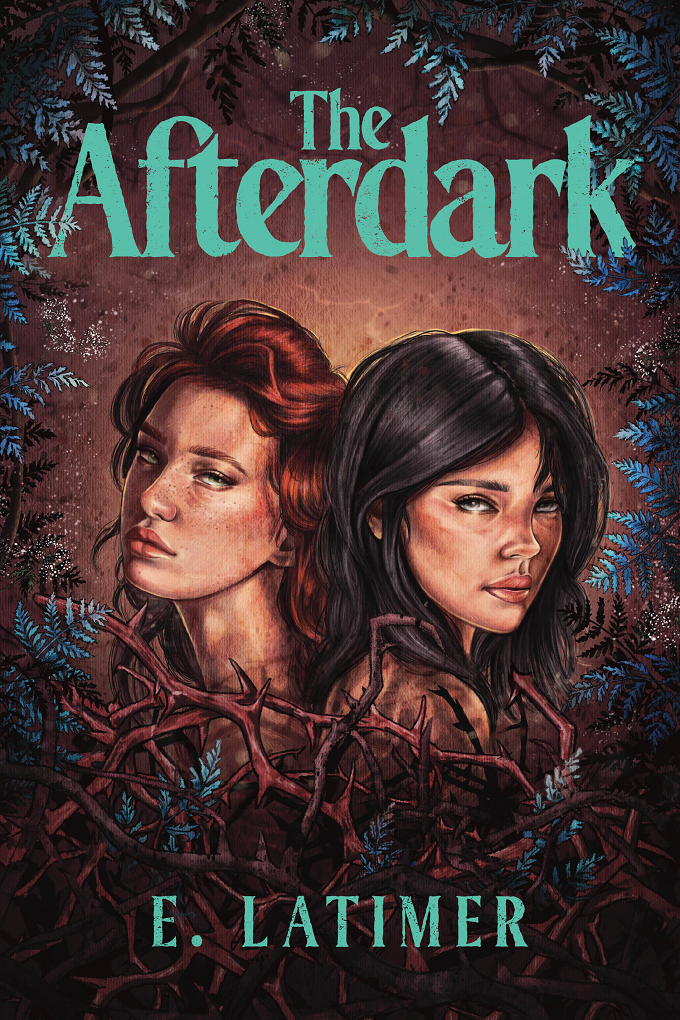
THE AFTERDARK by E. Latimer

This review first appeared in Booklist on March 4, 2025.

After her identical twin sister, Ada, dies in a lurid accident, Evie Laurent is swiftly sent to Northcroft, an elite boarding school, and away from prying eyes. Located on a remote island, the mysterious school is plagued by increasingly disturbing phenomena, all apparently connected to Hemlock Woods—the vast old-growth forest that surrounds it. Amid these strange occurrences, Evie meets Holland Morgan, a young TV star, and the two feel an instant connection. But their burgeoning romance is beset by challenges wrought by painful pasts; dangerously jealous friends; Northcroft’s sinister, cultlike secret society; and, of course, the eldritch forest itself, which seems to have a mind and will of its own and is intent on drawing the two young women deeper into its impenetrable darkness. This slow-burning thriller successfully combines contrasting genres such as romance and body horror to deliver a dark, distorted love story with enough shocking revelations to induce whiplash. Ideal for fans of Kate Alice Marshall’s YA horror, such as These Fleeting Shadows (2022) and, in particular, The Narrow (2023).

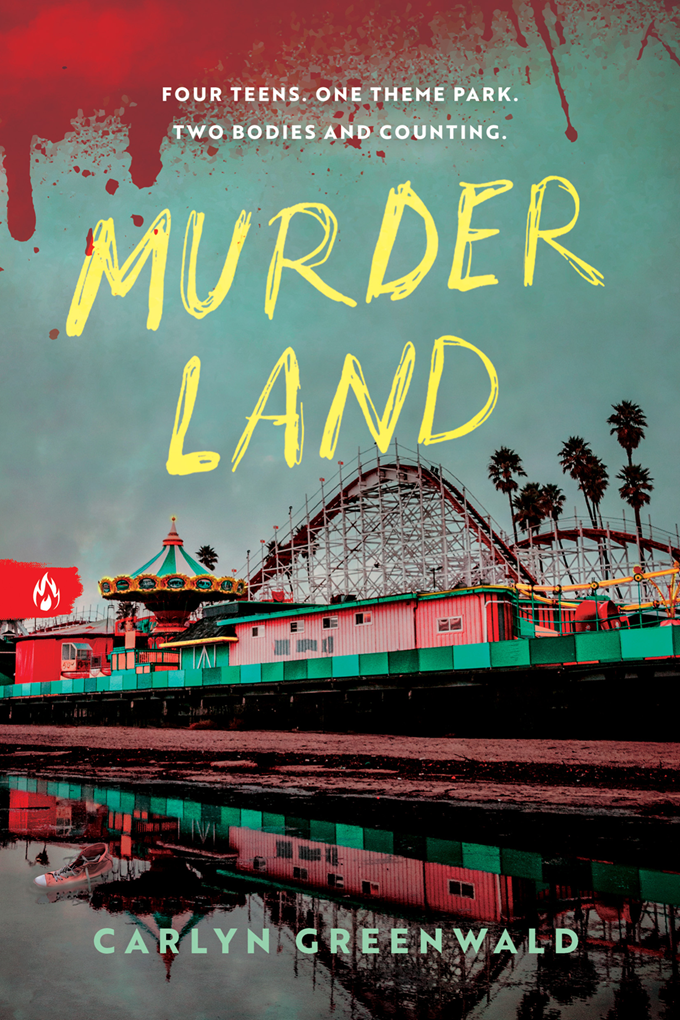
MURDER LAND by Carlyn Greenwald

This review first appeared in Booklist on March 1, 2025.

Best friends Billie and Grace love a good theme-park conspiracy—so much so that they both land jobs at Californialand, a park brimming with harrowing history and sinister secrets. When Billie is assigned to Murder Land, the park’s latest addition inspired by California’s most infamous crimes, their excitement is paramount. Then one of their coworkers ends up dead—on a ride that Billie was supposed to be operating. Things quickly go from “apparent accident” to “apparent murder,” and Billie, fearing blame, takes it upon herself to find the culprits. But she is soon overwhelmed as Murder Land lives up to its name, and the bodies begin to pile up around her. Greenwald’s debut thriller, like a roller coaster in her titular park, delivers nonstop twists and turns as we barrel through a decades-spanning mystery. While the whodunit aspect feels somewhat convoluted, the story being told through the eyes of amusement park enthusiasts and urban explorers lends a fresh perspective on a tale as old as crime. Pair with Kiersten White’s Hide (2022) for maximum theme-park thrills.

DEADSTREAM by Mar Romasco-Moore

This review first appeared in Booklist on March 1, 2025.

After the traumatic death of her best friend, Teresa finds herself living in an increasingly small and suffocating world—reduced to the size of her bedroom, though she fears it might shrink even further. Her only reprieve from these dark thoughts—and her sole connection to the outside world—comes from the streaming community she’s recently joined. This safe space is suddenly shattered when a shadowy force begins to haunt people’s live streams, inexplicably leaving its victims in an eerie, unresponsive state. When a famous streamer dies shortly after one of these incidents, and the entity starts targeting Teresa and her small group of online friends, she becomes determined to stop it—even if it means facing her fears and leaving the confines of her self-imposed isolation. Romasco-Moore perfectly captures the irreverent and intentionally inscrutable spirit of today’s internet, telling a thoroughly terrifying and viscerally modern ghost story that explores themes of grief, identity, belonging, and the double-edged nature of social media. A companion to other online-savvy thrillers like Tatiana Schlote-Bonne’s Such Lovely Skin (2024) and Adam Cesare’s Influencer (2024).

FEBRUARY 2025

Hi. This was February. What can I tell you.

Frank Sinatra Has a Cold by Gay Talese, Phil Stern. I’ve read Talese’s renowned profile a handful of times before, but this book’s lavish, elegant production proved hard to resist. The inclusion of high-resolution reproductions of many of the notes taken by Talese while researching the story, presented alongside Stern’s striking snapshots, makes this not just an invaluable volume but a visually stunning one as well.

Sourdough by Robin Sloan. A re-read. A favorite, for sure. It just has such a cozy, feel-good vibe. I’ve always admired Sloan’s sheer willingness to follow his already far-out ideas down the weirdest, most fascinating rabbit holes. Mostly, though, I love how loyal Sloan is to his quirky, sentient fungi creation. That this book is a direct predecessor to Moonbound is absolutely wild, considering how vastly different they are as stories. But it also makes perfect sense. Good stuff.

The Suitcase Clone by Robin Sloan. Reading this right after finishing Sourdough was the right move, as I caught connections and references that went completely over my head the first time I picked this up. A really fun, lively caper. In the same way its parent novel makes me want to be a bread bro, this makes me want to be a wine guy.

“In the Stacks (Maisie’s Tune)” by Robin Sloan. I first read this a couple of years ago during my lunch break at work, whereupon it reduced me to tears. Since I am apparently re-reading the entirety of Sloan’s oeuvre, I decided to give it another read (also at work, though not during my lunch break) (don’t tell on me). Again: I was reduced to tears. Possibly the most heart-warming, life-affirming story I’ve ever read. Possibly my favorite short story of the past decade.

“The Vanishing Man” / “On Enemy Ground” / “Shaken, Not Stirred” by Alma Katsu. When I finished the first short story in this terse trilogy, I was ready to condescendingly commend Katsu for her obvious love and enthusiasm for James Bond and spy fiction in general. Then I read her biography and learned that she actually worked in the intelligence community for more than thirty years. Assuming is how you make an ass out of yourself, etc. Anyway, this is a great set of short series, with a protagonist who serves as a perfect counterpoint for Bond—a spy who’s got the looks and the killer instinct, but lacks the sophistication and finesse. What Bond would be if here simply just a blunt instrument (that happened to be wielded by the Soviets). The third entry was probably my favorite, if mostly because of all the little nods to Fleming and 007, particularly with having Jamaica as the setting for the climax. Good show. 

“Elyse Flayme and the Final Flood” by Robin Sloan. Another of my favorite things about Sloan’s writing is how he uses it not only to expound and expand on his ideas, but to discover them, as well. In the contrivances of this plot, you can clearly see the seeds that would develop into other stories of his: Moonbound, most notably, but also Annabel Scheme and the Adventure of the New Golden Gate—all entirely different yarns, but thematically linked. It’s the kind of writing I wish I could do.

“Mr. Penumbra’s 24-Hour Bookstore” by Robin Sloan. The Sloan spree continues. I must have read this one ages ago, but I have no real memory of it. Reading it made me realize just how little I recall from the actual novel, too, so it’s a good thing a paperback copy is on its way here. The short story itself was just fine—early Sloan, of course, but his distinct style was already very much on display.

“The Hildebrand Rarity” by Ian Fleming. Very fitting that I happened to have been reading this most excellent of Bond short stories when the not-so-excellent film news dropped. Still one of my favorite Bond tales—basically a showcase for Fleming’s exceptional use of location and atmosphere. Just some really solid storytelling. 

I also read two other books to be discussed at a later date.


Books Bought:

  • The Writing Retreat by Julia Bartz
  • Book Lovers by Emily Henry
  • Slow Dance by Rainbow Rowell
  • From Ted to Tom: The Illustrated Envelopes of Edward Gorey by Edward Gorey, edited by Tom Fitzharris
  • Casino Royale by Ian Fleming
  • Mr. Penumbra’s 24-Hour Bookstore by Robin Sloan
  • The Best American Science Fiction and Fantasy 2023 edited by R.F. Kuang
  • Busy Doing Nothing by Rekka Bellum, Devine Lu Linvega
  • The Tatami Galaxy by Tomihiko Morimi, translated by Emily Balistrieri

Until next time.