NOVEMBER 2024

Hello. Here’s what I read in November. It was a hectic sort of month. I’m dealing with a move and that has taken up most of my brain these last handful of weeks. Still found time to read, though, because otherwise I would have certainly gone insane. As my bio says, escapism is kind of my thing, etc.
“On the First of November, the Ghosts Arrive” by Nina MacLaughlin. Not at all fiction, but wanted to highlight it because it’s a wonderful, gorgeous piece about death, remembrance, and the waning days of the year. The closing paragraph, in particular, took my breath away: 

It’s November now and there’s something different afoot. In November, when the nights get long and the days get cold, as we approach the long dark that is winter, we feel that hand following us down the hall. We feel death’s presence and are therefore more alert to our own. November makes us know, at the edges of our mind, that for each of us, looming winter will one day stretch into eternal darkness. So we welcome the dead among us, remember them, invite them back, and we eat and drink and let the boundaries dissolve, and we are more certain that we’re alive. That’s what’s on offer in November. It makes us know, at the edges of our mind, that we still cast shadows, that we are still bones and blood, that for now, for now, our heft is still heated. Feel it?

I want to set a reminder to read this every November. 

“Some Other Animal’s Meat” by E.M. Caroll. This comic served as the basis for “The Outside,” an episode of Guillermo del Toro’s Cabinet of Curiosities. My Culture Chronicles email reminded me I had watched it on that given day a couple years back, so I figured it was only appropriate to look up the original and read it then. Stunning work by Carroll, as per usual, although I have to say I was a bit disappointed by the ending. (As much as I love Carroll’s work, I’ve noticed they do tend to struggle with endings. But then again, so does Stephen King, so I suppose there are worse problems to have.)

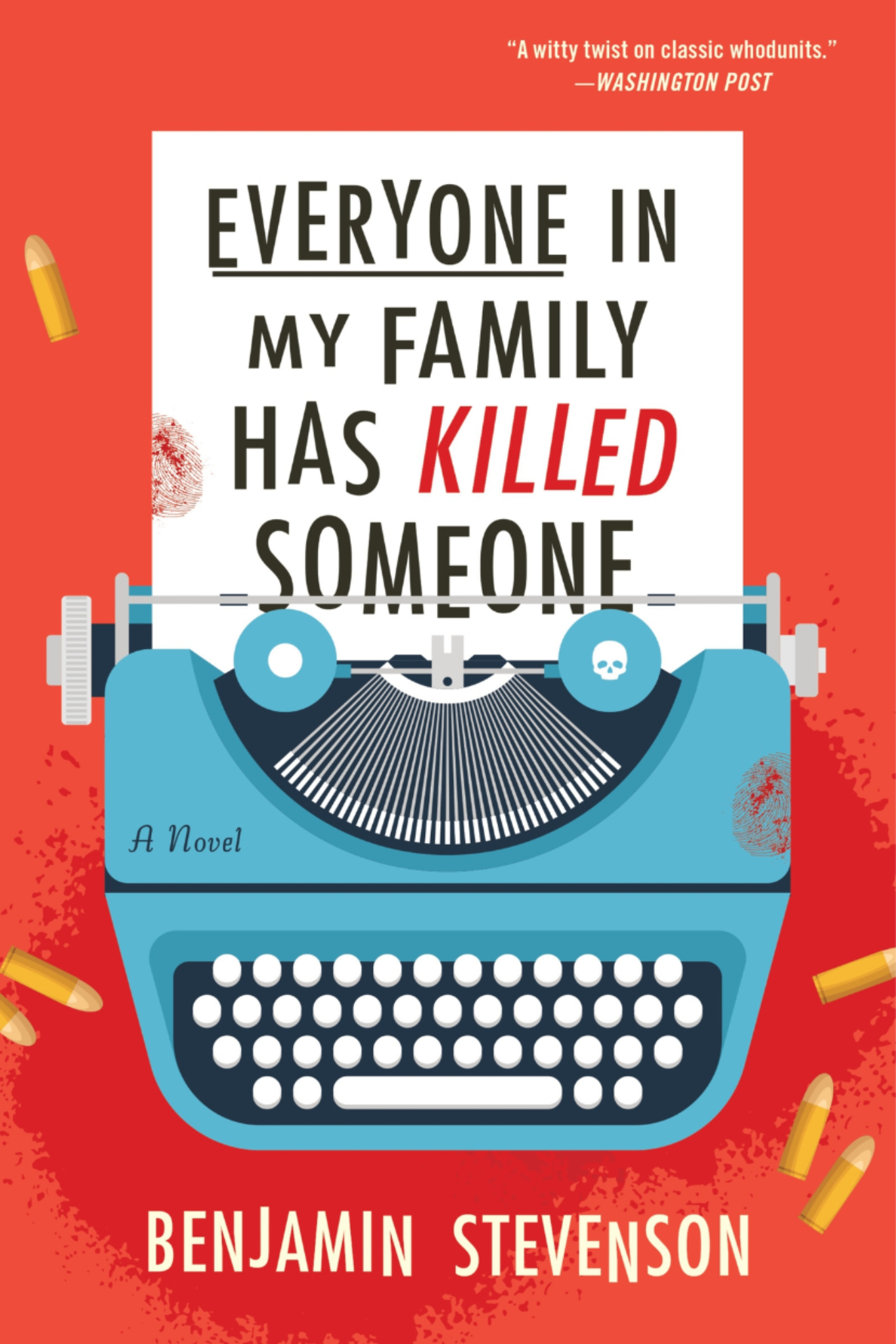
Everyone in My Family Has Killed Someone by Benjamin Stevenson. It’s no secret that the film Knives Out is essentially my lodestar when it comes to mystery fiction, so I’m always on the lookout for clever, self-referential crime stories. I’ve read some fine ones that meet this criteria, but I don’t think any of them were as loaded as this one, full of fun asides and references to the act of writing a mystery story itself. It’s all delightfully meta, and I was very into it. The conceit does end up somewhat overstaying its welcome, though, thanks to a whodunnit that’s convoluted from the start and only grows increasingly more complex and absurd as the novel goes on, leading to an ending that, while entirely fair and adheres to every single rule laid out by the author at the beginning of the book, falls a little bit flat. But I enjoyed this enough to still want to read the sequel (it’s set on a train!), and immediately purchased the third to read during the holiday season—because of course there would be a Christmas mystery in this series.

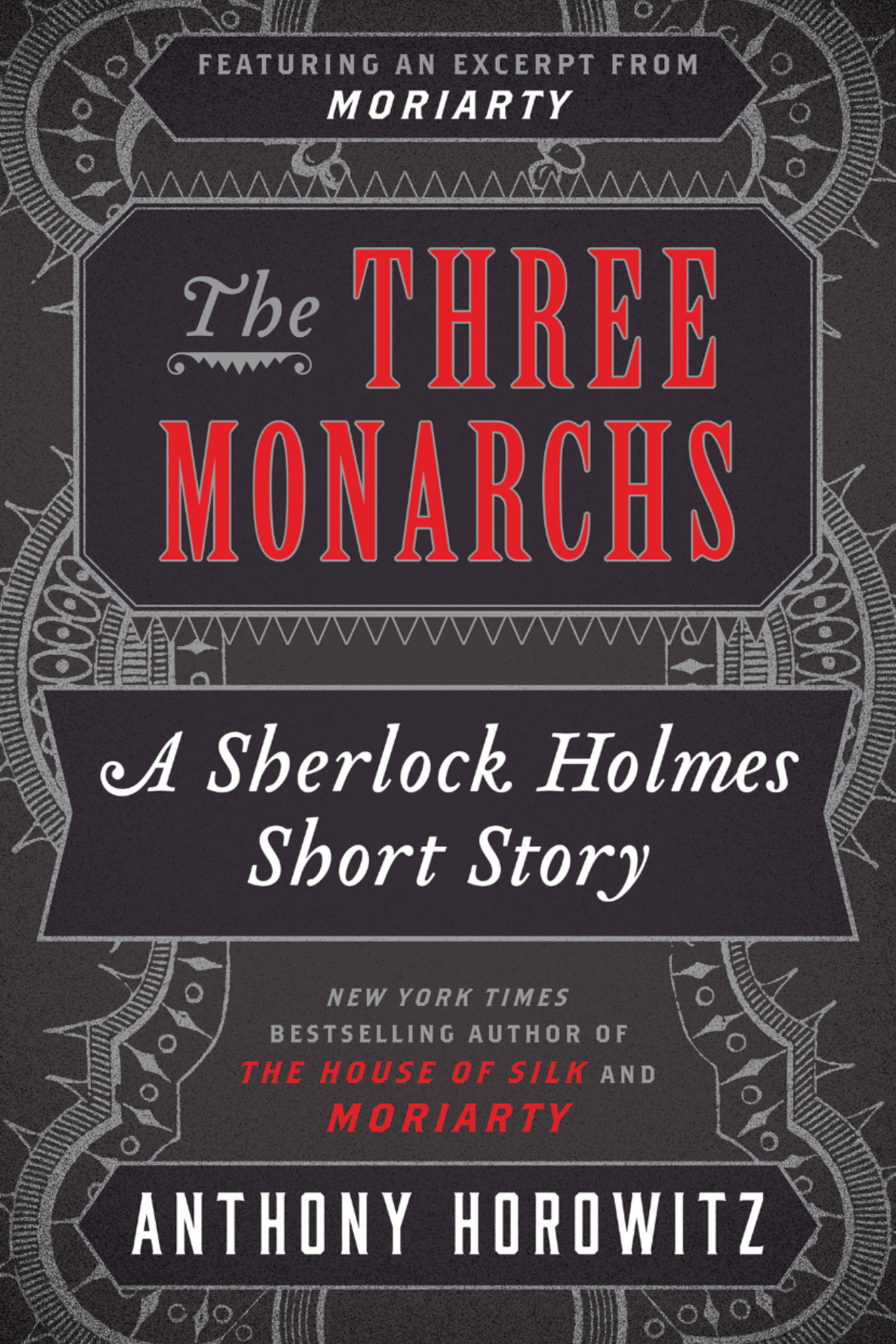
“The Three Monarchs” by Anthony Horowitz. A fun, if inconsequential, Holmes story. I don’t think Horowitz captured Doyle’s voice nearly as well as he did Fleming’s, but he is undoubtedly the finest of craftsmen.

The Bullet That Missed by Richard Osman. Enjoyed this one a bit less than the other two books, but I’ll be damned if it still didn’t make me cry more than once. I just wholeheartedly love these characters. The main mystery, while fun, wasn’t really my favorite, though I did like that it showcased the individual skills of the club members better than their previous cases. The plot is secondary in this series, anyway, used by Osman as a means to throw more and more ridiculous, outrageous, and instantly endearing characters into the mix—and I am absolutely all for it. 

By sheer cosmic coincidence, I happened to finish this on the same date as I did the first novel in the series three years back, and I think that’s neat.

A Very Perry Wedding by Marie Landry. I had read and enjoyed A Very Perry Christmas a couple of years ago, so I figured I would have a good time with this fall-themed follow-up as well—and I was correct. I quite like the Perrys and the friends who orbit them, finding them perfectly endearing and believably flawed characters. 

This one follows Jasper, who was a fairly insufferable character in the first book but gets to absolutely shine here. I found myself relating to his struggles with anxiety quite a bit (while at the same time wishing I had his organizational skills). Willow, our lively, vivacious narrator, is a charmer, and I really liked the chemistry that formed between these two polar opposites. 

A Very Perry Wedding is a slow burner of a romance, but it’s also cozy and charming as hell—at least right up until the final act, when we’re suddenly met with a very forced conflict and given an equally forced resolution to accompany it. Slightly disappointing, given how grounded the rest of this novel was.

Still, I didn’t hate reading this, and would be perfectly fine following this family on further forays.

Up next, properly: Christmas.
AUGUST 2024

August was my birthday month. I reached my Memento Mori Goodreads Reading Challenge goal of 37 books just as I turned 37, which was very apt. That it also turned out to be one of the best reading months I’ve had in a while was just a nice little bonus. I got through a fair bit, so let’s dive in.

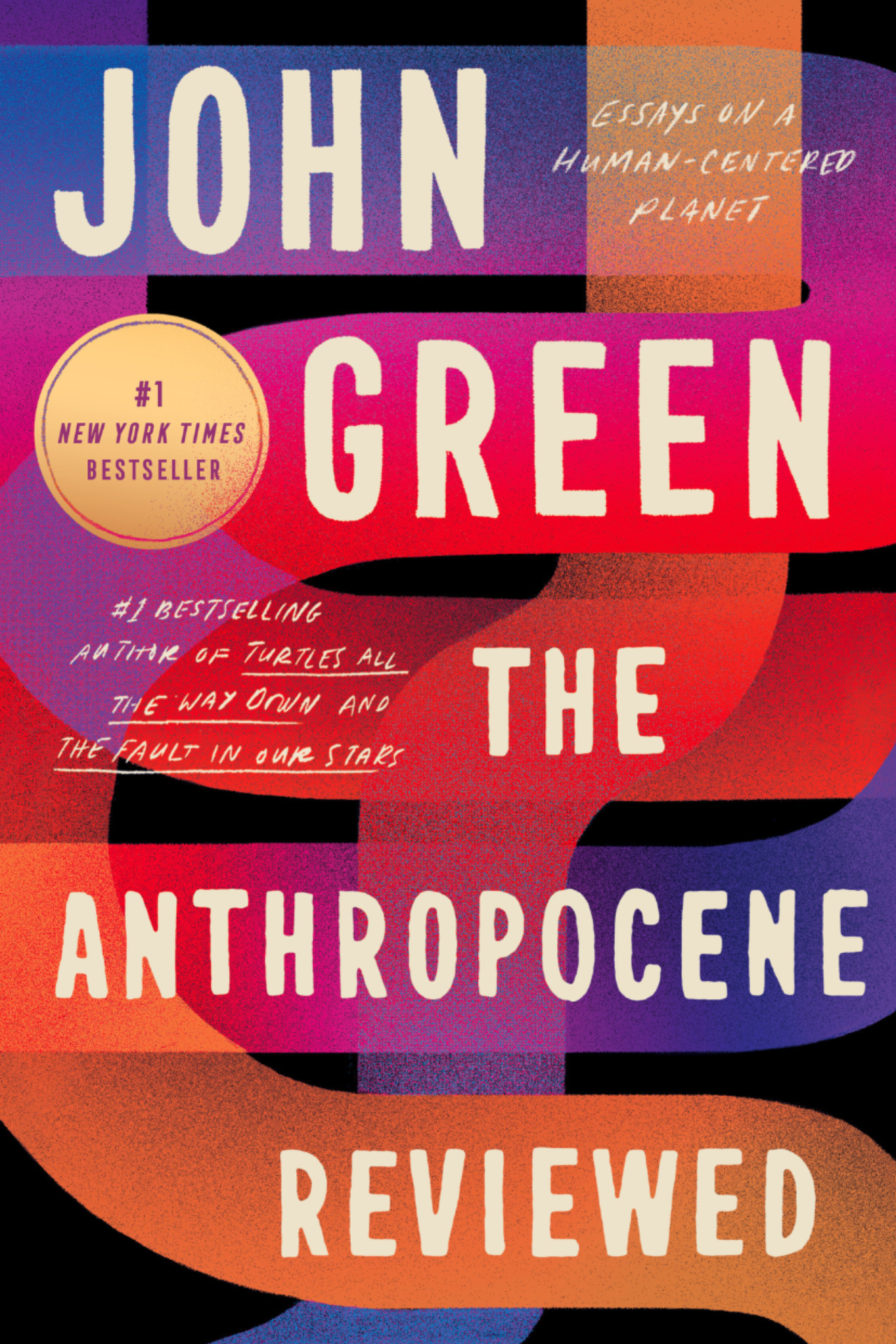
The Anthropocene Reviewed by John Green. The Green brothers have shaped and influenced my life in immeasurable ways. I love them both, but have always had a soft spot for John. Partly because, as a fellow anxious and bookish older brother who is often dealing with one existential crisis or another, I relate to him a lot. Mostly though, I’ve just always admired how he consistently chooses to tell his stories — from his books to the best of his video essays — through the fractured lenses of humanism and hope. The “Thoughts from Places” videos, which were my favorites during their Brotherhood 2.0 era, are excellent representations of John’s reflective style, and this collection of essays is essentially a continuation and expansion of that format. I took my time with this one — I started it back in January — and it’s been a delightful  companion throughout this stressful, hectic year. I give The Anthropocene Reviewed five out of five stars.

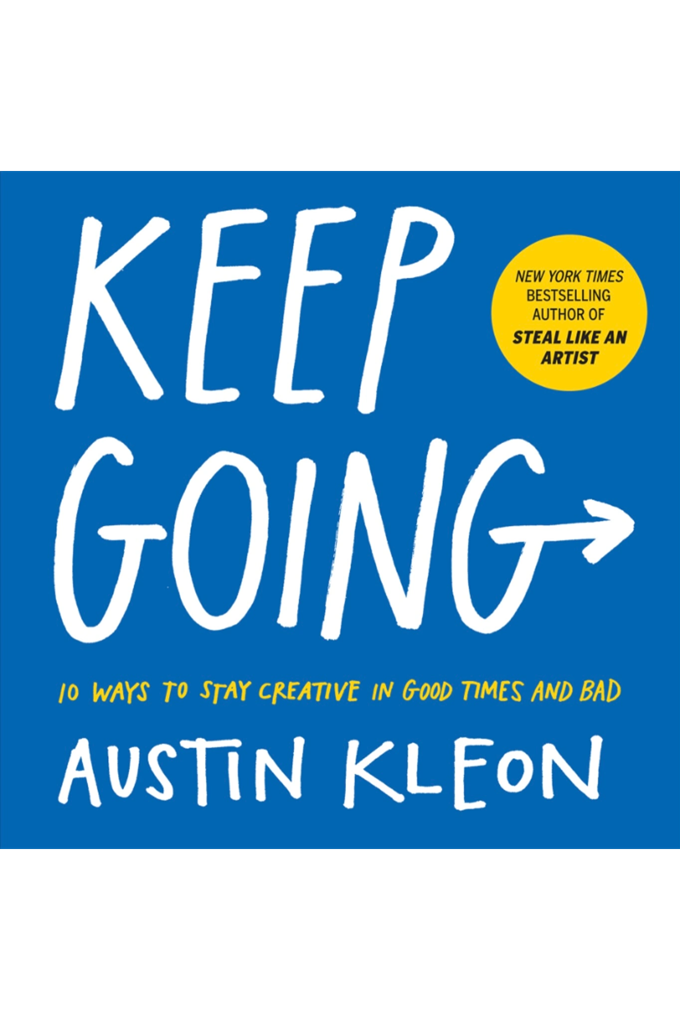
Keep Going by Austin Kleon. A re-read. I first picked this up during the pandemic, and it made that oppressive year feel a little less heavy.  This book’s focus is on the creative life, but I find that it’s infinitely more helpful to my personal life. A lovely book that I think everyone should read. Kleon, by the way, is one of the most interesting people you could ever follow online

It Came from the Trees by Ally Russell. Already wrote about this one, of course. Let’s hear it for rad friends doing rad things. 

The Good Neighbor: The Life and Work of Fred Rogers by Maxwell King. To be perfectly candid I picked this up because I was tired of reading about disappointing men. I wanted to read about someone decent, who did infinitely more good than harm, and I couldn’t think of anyone better and more appropriate than Mister Rogers. But also I just wanted to read more about this amazing man, particularly after watching A Beautiful Day in the Neighborhood at the start of the year. I didn’t grow up with Mister Rogers (to be perfectly honest, I think my younger self would have found him perfectly boring), but he’s someone who I’ve come to deeply admire the more I’ve learned about him through the years. The man was practically a saint, yes, but he was also a flawed individual who, through rigorous discipline and profound courage, tried his damnedest to be a force for good in the world. This expansive, engaging biography does an admirable job portraying this most human of humans.

I also read a bunch of short stories.

“Judge Dee and the Mystery of the Missing Manuscript” / “The Locked Coffin: A Judge Dee Mystery” by Lavie Tidhar. I really enjoy these clever, irreverent short stories. “The Mystery of the Missing Manuscript” is set in an ancient library, and Tidhar has a blast affectionately mocking obsessive bookish types. And I think “The Locked Coffin” might just be my favorite of the Judge Dee stories so far? It’s certainly the funniest — I laughed out loud multiple times. It just felt like a livelier story, with Dee himself seeming downright whimsical. Delightful stuff.

“Randomize” by Andy Weir. Super interesting premise and fun execution. Like a lot of these Kindle Single stories, though, it reads very much like the beginning of a larger, far more interesting story, rather than a thing that stands on its own.

“Emergency Skin” by N.K. Jemisin. Now this was far more like it. Much more complete and infinitely more narratively satisfying than Weir’s effort for this collection of Kindle Singles. Not necessarily the most original concept, but it was perfectly compelling and executed in an effortlessly stylish way, which goes a long way in terms of my enjoyment of a thing.

“The Penthouse” by Helen Phillips. Very effective piece of flash fiction. Enjoyed how downright sinister it felt. The closing line is a veritable banger.

“The Year Without Sunshine” / “Better Living Through Algorithms” by Naomi Kritzer. Kritzer may have turned into one of my favorite short story writers with these two offerings. Both absolutely wonderful in their own unique ways. “The Year Without Sunshine” in particular is one of those stories that fill you with hope and leave you thinking that, contrary to all current evidence, humanity’s going to be just fine, in the end. She deserves every damn Hugo she gets. 

“The Particles of Order” by Yiyun Li. Loved the atmosphere and writing here, but found the ending entirely unsatisfactory.

“A Pretty Place” by E.M. Carroll. I was looking to see if Carroll had any new work coming out. As big a fan as I am of their work, I still somehow managed to miss not only the name and pronoun change, but also this utterly unsettling and gorgeous story from last year. Obscenely good, as per usual.

“Obituary for a Quiet Life” / “The Coded Life of William Thomas Prestwood” by Jeremy B. Jones. These are narrative essays, which I never cover in these wrap-ups, but I was so struck by Jones’s writing that I had to include them. “Obituary for a Quiet Life” is a beautifully poignant piece, and “The Coded Life of William Thomas Prestwood” is just a stunning story that’s simply staggering in scope and so unlike anything I’ve read before. Wonderful, wonderful writer.