SEPTEMBER 2025

This was September.

Mystery James Digs Her Own Grave by Ally Russell. Get yourself pals who write excellent spooky stories—your reading life will be infinitely more interesting. This was great! I enjoyed it a lot, although not quite as much as I did Russell’s first endeavor (It Came From the Trees positively crackled with urgent, exhilarating energy, whereas this one feels mildly meandering). Still, there’s plenty to love here. “Plenty” being the operative word, because there are so many things going on in this story: sleep paralysis and ghosts and phantosmia and mortuary lessons and grave robbing and vampires and—! It should be entirely too much for any one author to handle, but Russell does an admirable job pulling all these seemingly disparate threads together by the end. (Knowing this is the first part of a duology certainly helps, since it means more room for these distinct themes to further coalesce.)

I continue to love seeing Russell’s deep-rooted found-footage horror influences play out: glitching ghosts make for a wonderfully terrifying visual, and the notebook interludes between chapters do a lot in terms of world-building, as well as being, you know, just plain fun. 

While I may not have found the plot of Mystery James as strong as that of her debut, Russell has clearly leveled up her character work—which is saying something, since it was already the strongest aspect of Trees. The supporting cast (from best friend Garrett to Tía Lucy to newfound acquaintance Eliza) all feel like real, rounded, grounded people, and Mystery herself is simply an immediate icon—which, of course, was the goal. In the acknowledgements, Russell writes about wanting to create a character who would not only fit seamlessly into the pantheon of iconic ghoulish girls—alongside Wednesday Addams, Fiona Phillips, and Lydia Deetz—but also give young Black and Brown girls a chance to “see themselves through her supernatural lens.” In that sense, Mystery James—the graveyard girl who smells ghosts and lives in a funeral home and keeps spiders in her hair—is a resounding success.

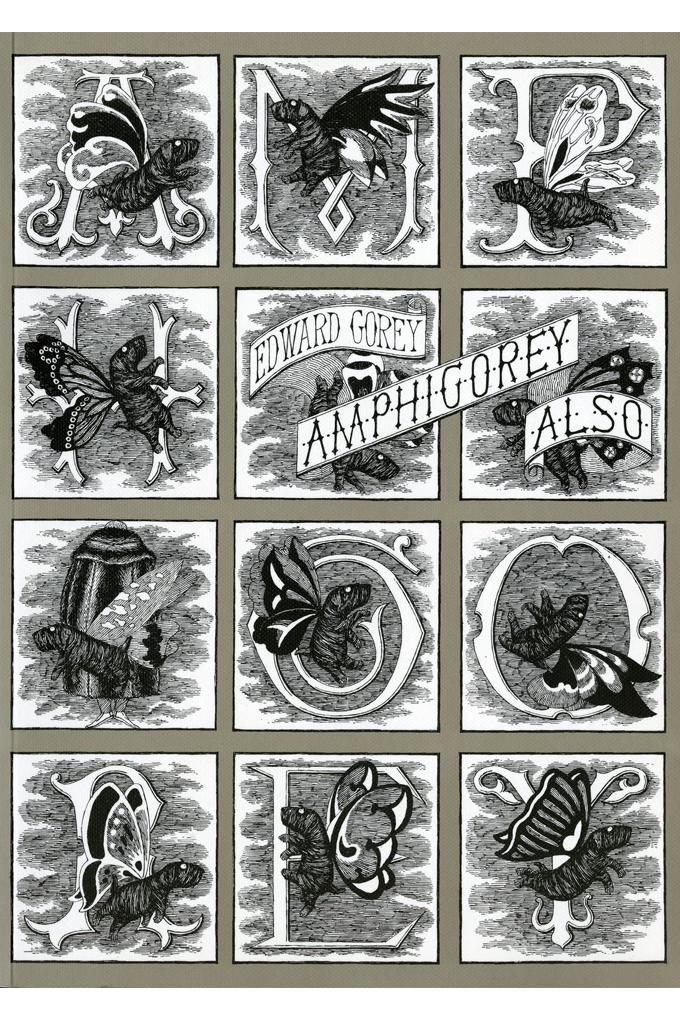
Amphigorey Also by Edward Gorey. Another perfectly inscrutable collection from a perfectly inscrutable individual. I didn’t find it as strong as the first Amphigorey volume, but it’s definitely wilder and weirder (which is saying something). There’s a lot here, I think, that made sense to only Gorey himself, if at all (which is, of course, how he would have liked it). The more “traditional” (for lack of a better word) little books are, naturally, perfectly intricate and fastidious affairs. Among my favorites: The Epiplectic Bicycle (a splendidly stark selection of increasingly surreal non-sequiturs); Les Passementeries Horribles (oddly ominous and exceptionally eldritch); L’heure Bleue (a strikingly stylistic, delightful doggerel); The Awdry-Gore Legacy (a marvelously meta, murderous manuscript); The Glorious Nosebleed (another absurdly amusing abecedarium); The Loathsome Couple (a lugubrious and lurid little lay); The Stupid Joke (a terrifically terrible tale); The Prune People (mesmerically Magrittean); The Tuning Fork (an uncanny, nautical narrative). 

We love Edward Gorey in this house.

Written Lives by Javier Marías, Margaret Jull Costa (translator). An okay but deeply amusing read for me. In the prologue, Marías writes about his intention to treat these large literary legends as mostly fictional figures, given that most were long dead and their biographies burdened with embellishments. In this way, I suppose I’m the ideal reader for this book, as I had only a passing knowledge, if any, of many of the distinguished dignitaries discussed in this slim volume, and so their eventful, fanciful, often extravagant lives would have read like fantastic fiction to me regardless.

In a lot of ways, Written Lives reads like a modern, more literary version of Plutarch’s Lives, sharing that classical volume’s penchant for brief biographies that are as full of sensational gossip and racy rumors as they are of irrefutable facts. This, as you might imagine, makes for a fun and fairly flippant read—but also an unexpectedly poignant one at times—since by going with this fictionalized approach, Marías actually ends up humanizing his beloved scribes with all their elaborate, likely imagined foibles and follies. It’s funny how that works.

Anyway, the entries I enjoyed most were curiously about the figures I knew next to nothing about (Giuseppe Tomasi di Lampedusa, Madame du Deffand, Vernon Lee). But it’s the final section—a sort of impromptu epilogue where Marías “reviews” the portraits of celebrated writers he’s collected over the years, drawing increasingly ludicrous and improbable conclusions from the tiniest, most arbitrary details—that I found most fascinating. More than in the preceding biographies, it’s in this segment that Marías’s genuine, almost idealistic impressions of these literary luminaries shine through, and it’s a delight to read.

Bad Dreams in the Night by Adam Ellis. I’m a huge fan of Ellis’s horror work. It often feels timeless, like early internet creepypastas or classic urban legends, but then Ellis will add these touches of modernity—present-day tech, matter-of-fact representation, contemporary colloquialisms—that make his stories feel much more immediate and engaging. Ellis’s art continues to amaze. When I first started following his work many moons ago, it leaned toward the “typical” webcomic style of the time, but has since evolved into something far more intricate and nuanced. His ability to emulate a myriad of aesthetics and moods—from Ito-esque manga to found-footage films to even Victorian-era penny dreadfuls—will never not be impressive. Great stuff. Favorites: “Me and Evangeline at the Farm,” “Bus Stop,” and the brilliantly creepy closer, “Viola Bloom.” 

And that was September. I had grand plans for October, let me tell you, but to be perfectly honest, now that it’s finally here, I find myself not feeling things at all this year. So this Halloween month may be more muted than you might have come to expect from this humble horror reader. Still, I hope to get through at least a few ghastly books this haunting season. We’ll see.


BOOKS BOUGHT—A GALLIMAUFRY:

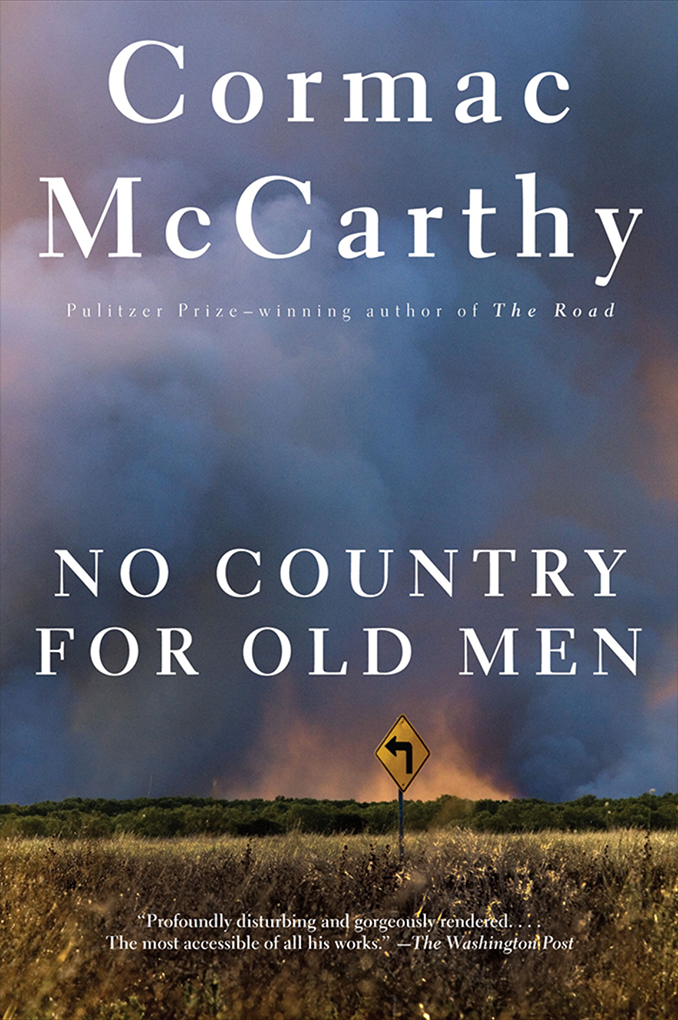
  • No Country for Old Men by Cormac McCarthy
  • So Many Books: Reading and Publishing in an Age of Abundance by Gabriel Zaid
  • Mystery James Digs Her Own Grave by Ally Russell
  • Amphigorey Too by Edward Gorey

APRIL 2025

Hello. This was April: a month of artists, assassins, and authoritarians.

“Five Views of the Planet Tartarus” by Rachael K. Jones. Simple. Effective. Brutal. Can see why this has been getting so much award buzz. 

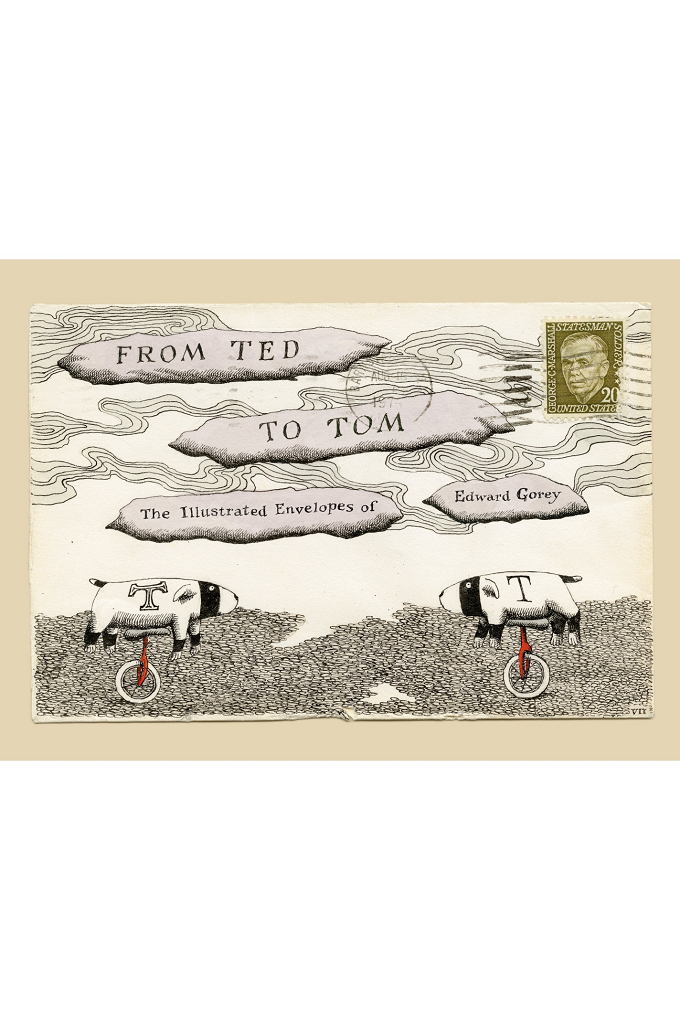
From Ted to Tom: The Illustrated Envelopes of Edward Gorey edited by Tom Fitzharris. Had this also included Mr. Fitzharris’s side of the conversation, this little volume would be as invaluable as Floating Worlds, that other gorgeous and considerably more intimate collection of letters between Gorey and fellow author Peter F. Neumeyer. Lacking the epistolary context, though, Gorey’s missives—full of cleverness and charisma though they may be—feel a bit cold and detached. (Although, to be fair, that is probably how Gorey would have liked it—the last thing the man wanted was to be scruted.) 

But this is mainly meant as a showcase for Gorey’s endlessly evocative envelope art, and in that regard, it is a resounding success. A stunning collection. 

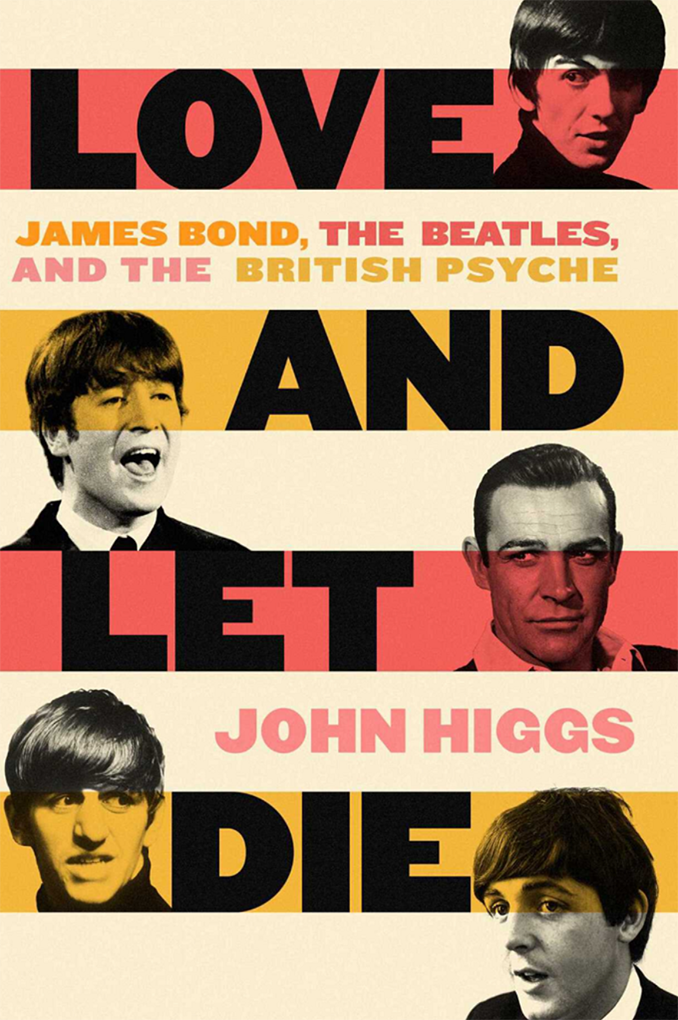
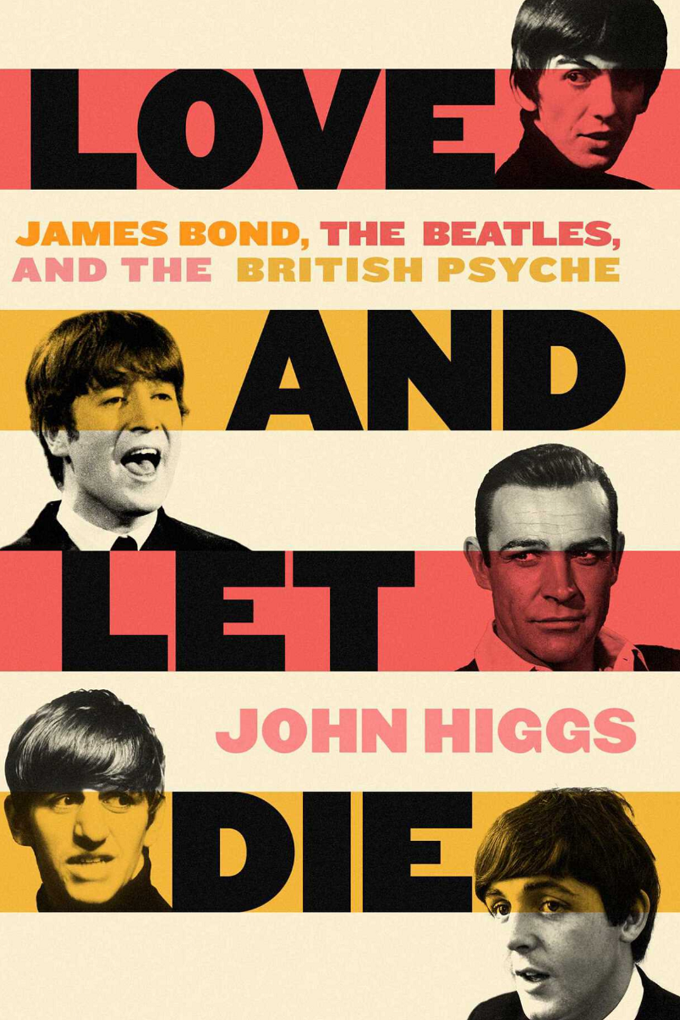
Love and Let Die: James Bond, The Beatles, and the British Psyche by John Higgs. The central conceit of this book—Bond embodies Death; the Beatles embody Love—is absolutely delicious, and I all but devoured it in just a couple of days. Bond is what drew me to it initially, of course. While I’ve always enjoyed and appreciated the Beatles, I’ve never exactly been what you might call an active aficionado of the group. It’s definitely fair to say that I’m much more a proper Bond enthusiast overall, and Higgs’s commentary on the character—and his insights into the 007 stories—are among the finest, most perceptive I’ve come across. You can tell it comes from a place of deep fondness and appreciation, too, even when Higgs isn’t holding back on his criticism of the more objectionable elements of Fleming’s famous fictional fabrication.

Despite finding the “Bond is Death” premise evocative from the outset, I wasn’t entirely sold on it until literally the final chapter, with its discussion of the transformative nature of myths through the unlikely lens of the shamanic ritual tradition of the death and resurrection show—which is the kind of analysis you get from a book that insists on juxtaposing such incongruous legendary figures as Double-O Seven and the Fab Four. (It also, surprisingly, made me excited and hopeful for the future of the character—we tend to keep our myths around, after all.)

I wish I had more to say about the Beatles. Despite running a negligible MP3 blog in my early twenties, music commentary has never really been my forte. But the love Higgs has for the group and its individual members is palpable, and it made me revisit much of their music throughout my reading of this. It’s also simply astonishing how, for a group that’s been a fundamental component of pop culture for sixty years now, there is still so much left to discuss. Even this volume, which does not purport to be an exhaustive history of the band, offered some surprising insights and intriguing details I had never come across before. It was one of those sobering realizations: we’ll never truly comprehend just how much—and how utterly—these four lads changed the course of history.

But obviously, my favorite part of the whole thing was discovering the countless surprising ways these two icons of modern mythology intersected—and how their respective legacies continue to shape not just the culture of Britain, but that of the world. A perfect piece of pop punditry.

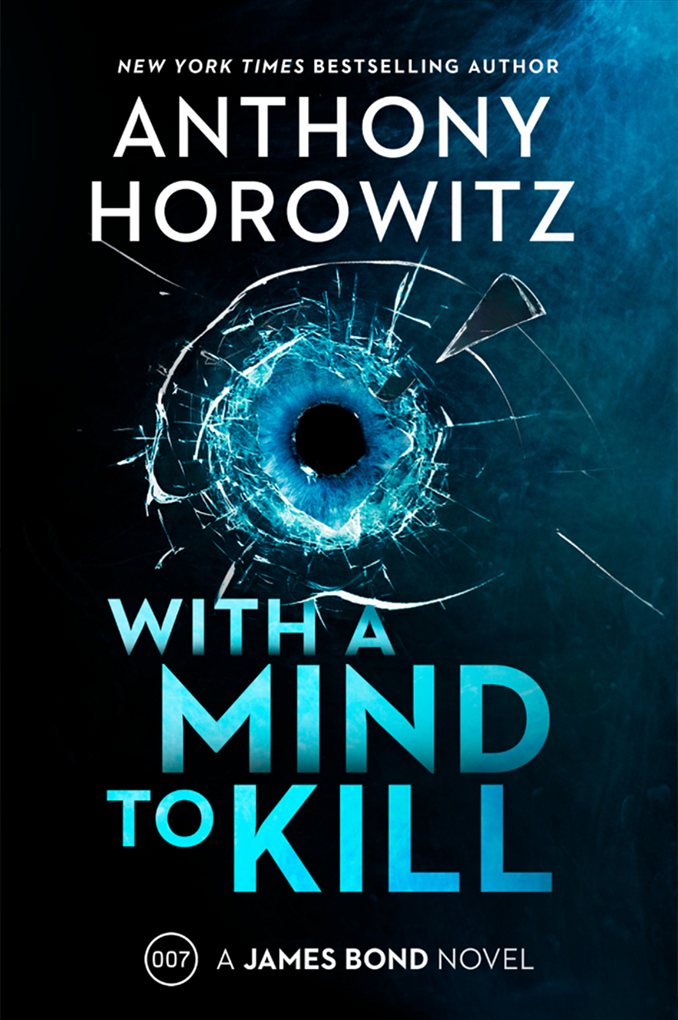
With a Mind to Kill by Anthony Horowitz. Horowitz may just be my favorite Bond writer—though that could simply be because he emulates Fleming’s distinct style so effortlessly and flawlessly. His 007 novels are excellent, and this is probably the most mature and well-written of the lot. I flew through this. I loved that the story was a direct continuation of The Man with the Golden Gun, which I still maintain would have been an excellent send-off for Bond had Fleming lived to do a final pass. That Horowitz expands and fleshes out that narrative here is a fine tribute—and indeed one that makes that particular novel retroactively better. 

Horowitz has a flair for character work, and, appropriately, Bond’s portrayal here is superb—positively brimming with the acedia its original author bestowed upon the character. I appreciated that his battles were as much mental as they were physical, a device that has always suited the literary Bond so much better. Katya is a fascinating love interest, and her story—true to this series—is suitably shocking and tragic. Colonel Boris could have been a real contender for most vile villain if only he had been fleshed out more. In a way, it was fitting that the horrendous things he did to Bond and others were merely hinted at, letting our morbid minds fill in the rest—but it would have benefited the story more to see some evidence of the character’s depravity, the better to truly loathe him. 

Still, a magnificent end to a magnificent trilogy.

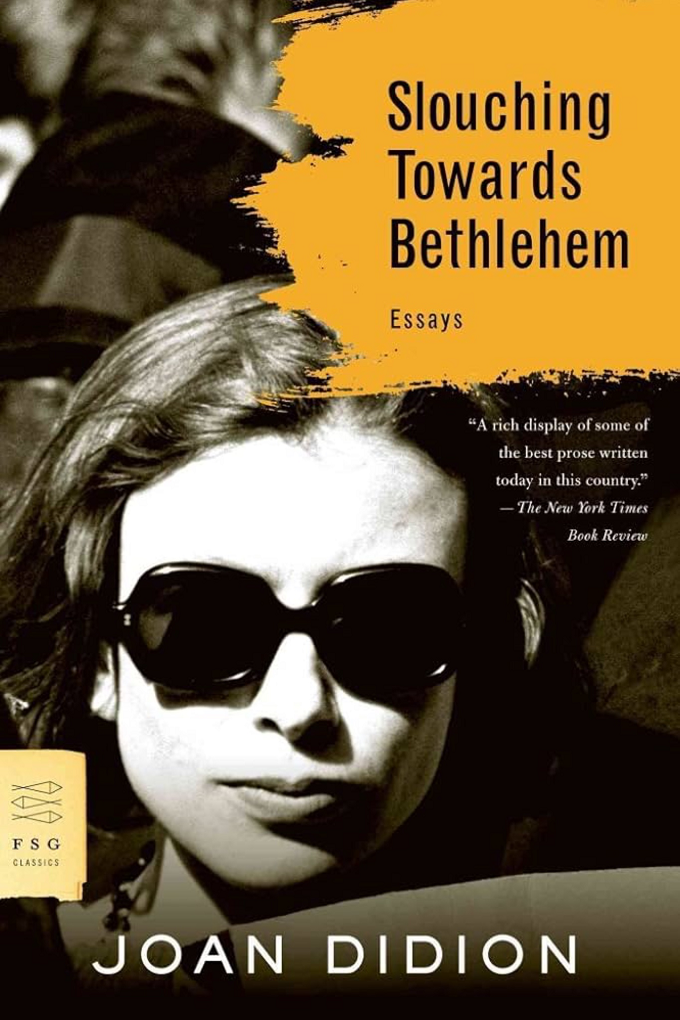
Slouching Towards Bethlehem by Joan Didion. My first Didion! Finally! It was fine!

Didion was undoubtedly a Writer, and she had a way of crafting sentences that were both beautiful and breathtaking, making her prose read almost like poetry, at times. Technical admiration aside, though, I feel like a lot of these essays didn’t do much for me, unfortunately. This collection is divided into three parts: the first is devoted to pieces about California, the Culture, and The Times; the second to personal musings—more journal entries than straight-up reportage; and the third to an assortment of abstract and introspective pieces exploring more psychological and emotional terrains, along with some additional diary-type entries.

For me, each section came with diminishing returns, with the first, “Life Styles in the Golden Land,” being the strongest. Didion’s wanderings through the rapidly changing cultural landscape of the sixties—and her insights into the whys and wherefores of the psychedelic age—were nothing short of fascinating. My favorite piece was “Some Dreamers of the Golden Dream,” mostly because it read like a particularly noir episode of Mad Men and reminded me that I should really give Double Indemnity a watch. A close second was the titular essay, of course—that powerhouse of zeitgeist writing. Brilliant, bold stuff. 

Despite some truly wonderful writing, I’m sad to say that I found most of the other essays largely forgettable—mainly because many of their subjects were figures who may have, I’m sure, loomed large at the time but have since become minor historical footnotes, their triumphs and follies virtually faded and forgotten, and not even Didion’s sparkling, novelistic prose could make them resonate for this twenty-first century reader. 

Required reading, regardless. Didion was an absolute force.

And that was April. See you next month.


BOOKS BOUGHT LOOK I WAS DOING WELL UNTIL ABOUT HALFWAY THROUGH THE MONTH BUT HONESTLY I’M CONSIDERING THAT PROGRESS:

  • Death of the Author by Nnedi Okorafor
  • Cary Grant’s Suit by Todd McEwen
  • My Life with Bob by Pamela Paul
  • The Spy Who Loved Me by Ian Fleming
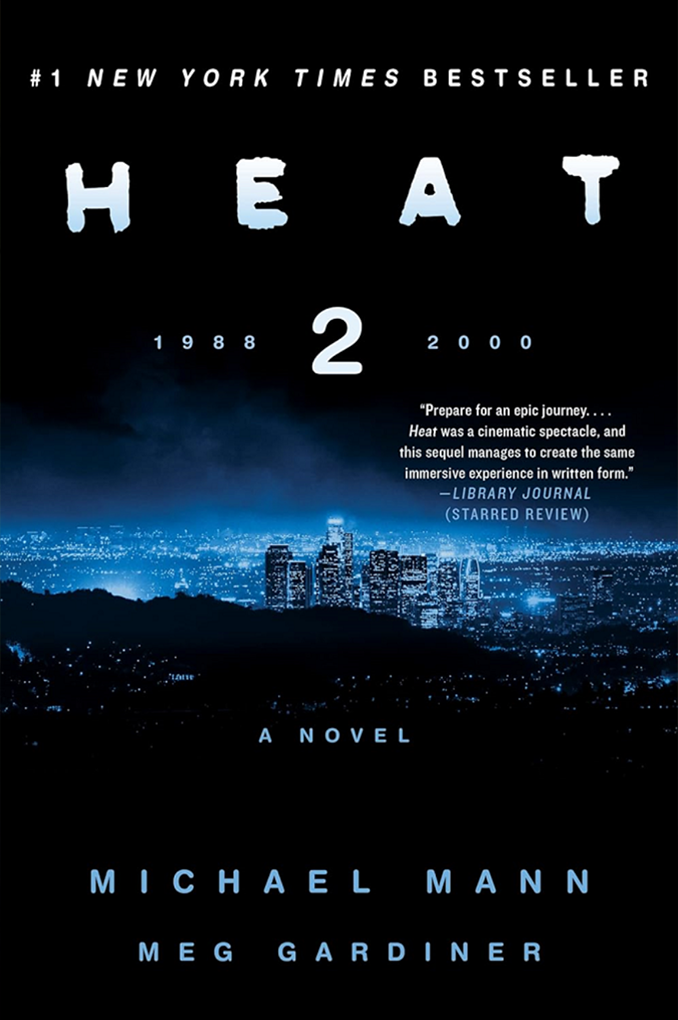
  • Heat 2 by Michael Mann, Meg Gardiner
  • The Chinatown Death Cloud Peril by Paul Malmont
  • Whalefall by Daniel Kraus

JANUARY 2024

Oh hi hello here’s what I read during the month of January.

Christmas Days by Jeanette Winterson. I observed the Twelve Days of Christmas by reading one story from this for the past, well, twelve days. It’s my first Winterson book, but it certainly won’t be the last, as I just fell absolutely head-over-heels in love with her writing. In this immaculate, gorgeous collection, Winterson runs through the gamut of the Christmas spectrum: from traditional ghost stories to whimsical fables to mawkish, sickly-sweet declarations of love — she writes it all with a poetic aplomb that I found irresistible. This extends even to her cooking instructions. In fact, a lot of the passages that affected me the most came not from the proper fictional stories themselves, but from the lengthy personal anecdotes that preceded the recipes included here (a notion that’s become something of a cultural meme, but in Winterson’s deft hands, it simply becomes another space in which to write another magical thing). Just a stunning, beautiful piece of work that I can easily see myself revisiting each year as part of my own personal Twelvetide tradition.

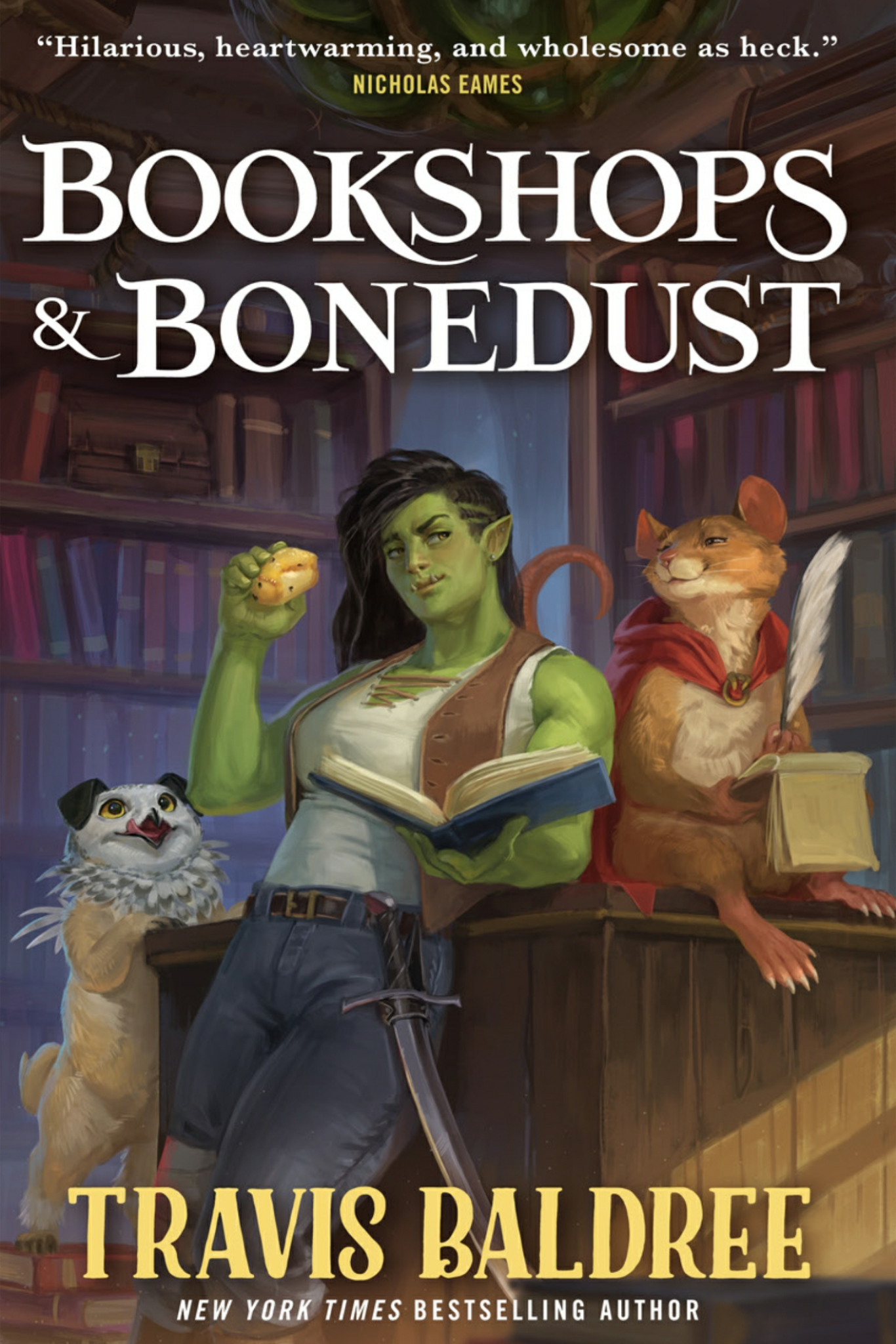
Bookshops & Bonedust by Travis Baldree. The coziest way to start the new year. Wrote about this here.

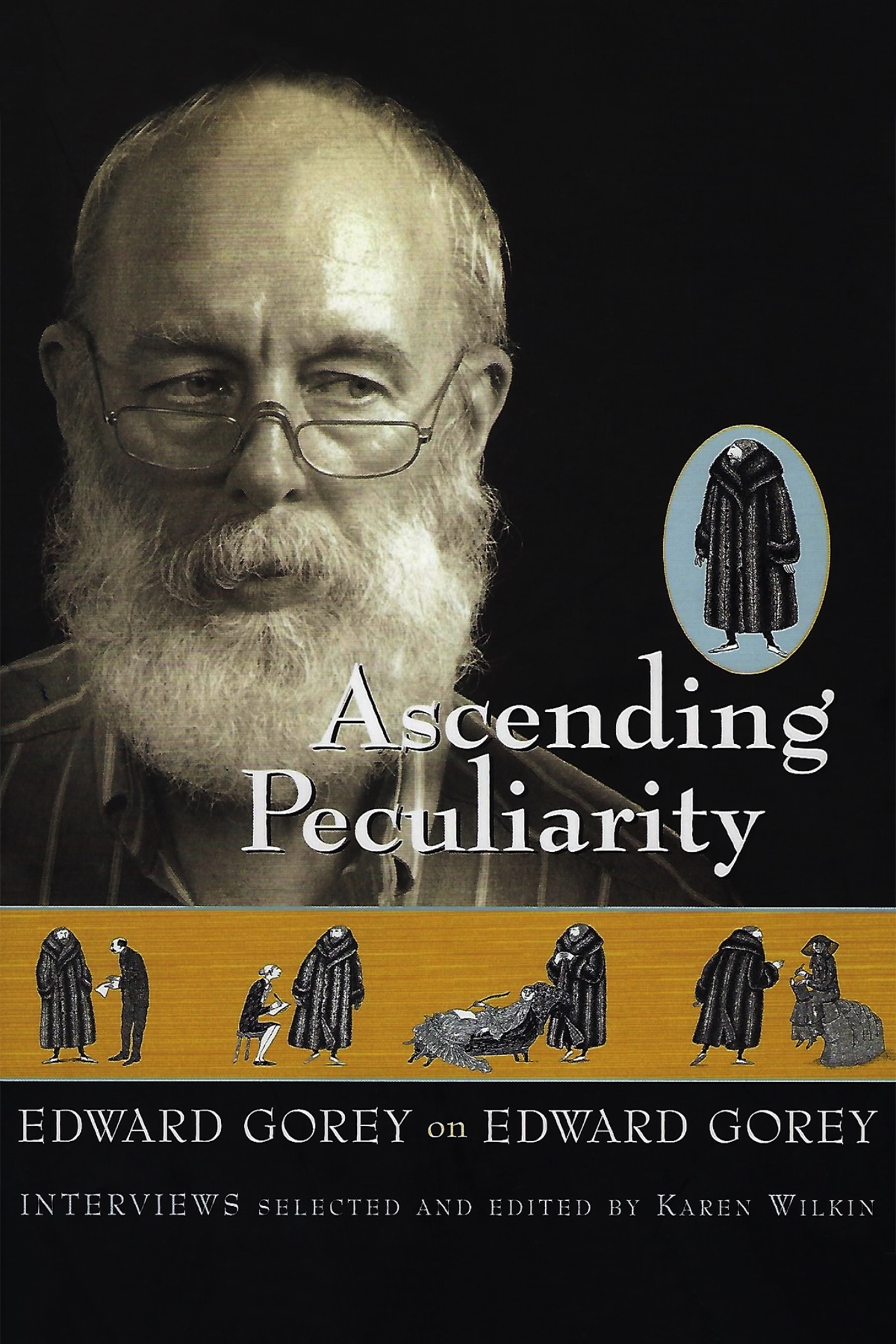
Amphigorey / Ascending Peculiarity by Edward Gorey. Gorey was a wonderful weirdo and I love him. Also wrote about this one.

Daily Rituals: How Artists Work by Mason Currey. I love reading about creative peoples’ creative habits and this was a delightful collection.

Terry Pratchett: A Life With Footnotes by Rob Wilkins. Already wrote about my experiences with this one. I miss Terry.

The Wee Free Men by Terry Pratchett. Wrote about this too. I really, really miss Terry.

My Father, the Pornographer by Chris Offutt. Heart-wrenching story about fathers and writing and obsession. One of the most fascinating memoirs I’ve ever read.

I also read some short stories:

The Beautiful People” by Robert Bloch I enjoyed mostly because at times it read like a particularly weird episode of Mad Men. An entertaining little shocker of a story, though. Nothing mind-blowing, but Bloch’s writing is effortless, making for the smoothest of reads.

“Selfies” by Lavie Tidhar had a great and creepy concept but was also entirely too short.

And that’s it. This was the best reading month I’ve had since last October. Which is surprising because January is usually a very uneven, slow period for me, characterized by reading slumps and just general exhaustion after the holiday season. But not only did I manage to read quite a bit this time around, I also ended up loving pretty much everything I picked up. It’s a nice change of pace. And a hell of a start to my reading year.