YEAR IN REVIEW ○ 2024

The very best I can say for 2024 is that it was a good reading year. Personal? Not so much. But this blog, despite all my rantings and diatribes, is about the more literary aspect of my precious little life, so we’re going to focus on that, instead of… the rest.

(The one great thing that happens to overlap both aspects of my life is the fact that I started writing for Booklist, something that makes me incredibly happy and proud. It’s been a great experience thus far, and I think I’ve already learned a lot in the few months I’ve been with them. Exciting!)

I read some really fine books this year. These are some of them:
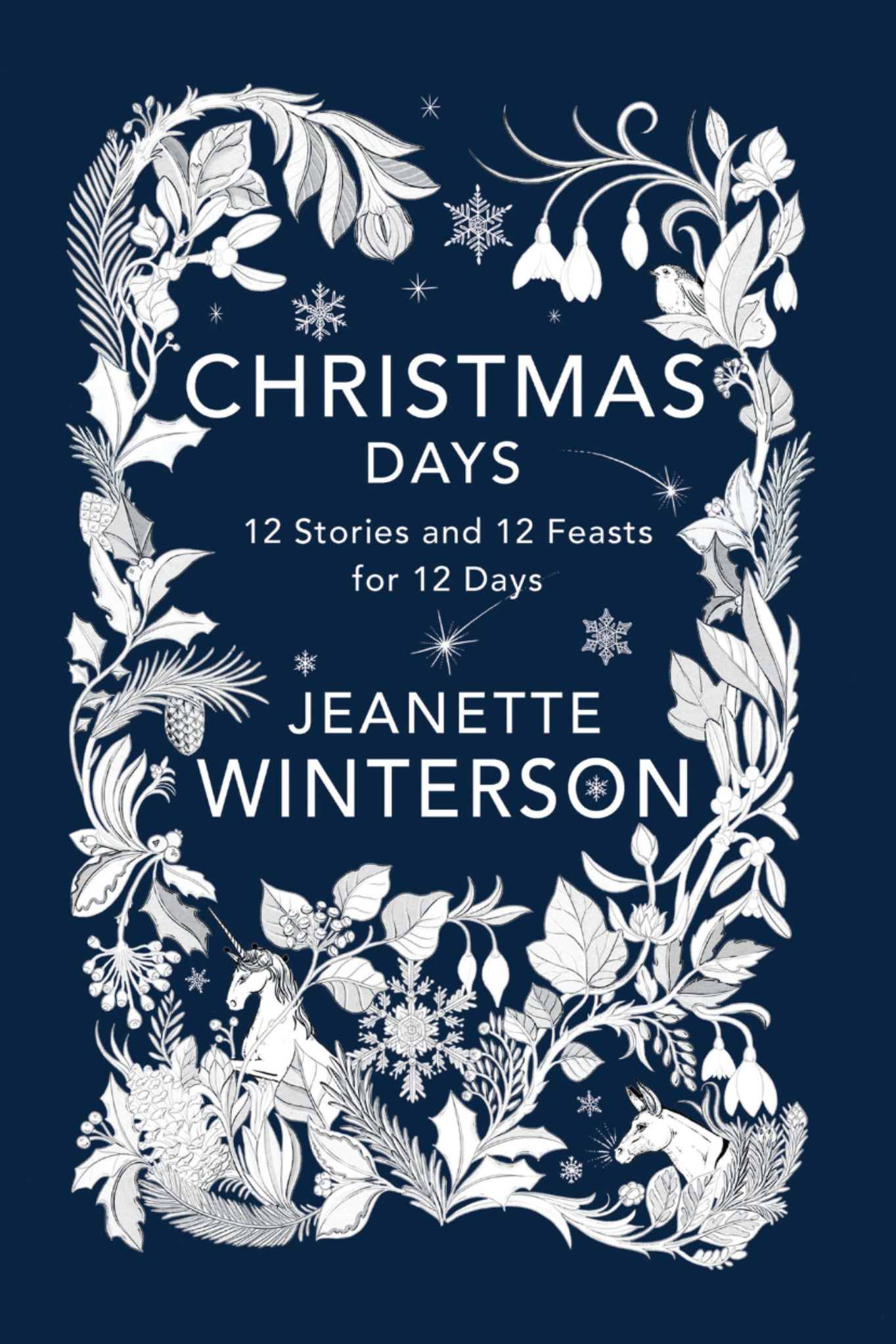
CHRISTMAS DAYS by Jeanette Winterson

This is, so far, the only Jeanette Winterson book I’ve read, but I was ready to call her a favorite author upon finishing it. I fell absolutely head-over-heels in love with her writing—so much so that I found the vignettes written before the recipes she’s included here almost as beautiful as the short stories themselves. (It’s a true testament to her skill that she took what was essentially a meme in the online culinary world—the drawn-out preambles before cooking instructions—and made wonderful art with it.)⠀

A true Christmas collection, in the purest sense of the term, as Winterson runs through the absolute gamut of wintry tales: from unsettling ghost stories down to charming, sickly-sweet romances—all written with sublime grace and aplomb. Christmas Days quickly became synonymous with the holiday season for me, and I may just make it an annual tradition to read it. Wonderful stuff.

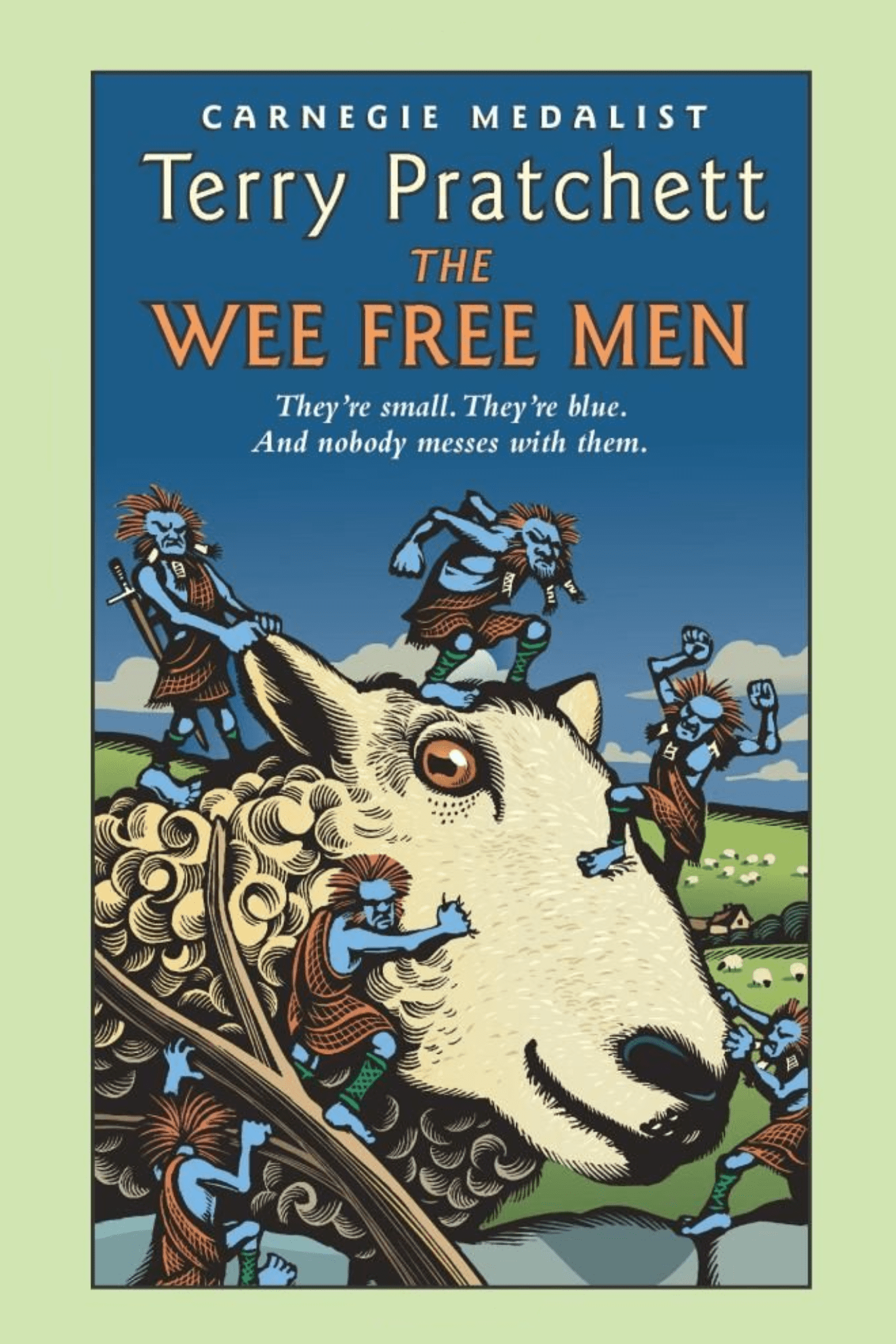
THE WEE FREE MEN by Terry Pratchett

Genuinely don’t know why I torture myself by depriving myself of these wonderful books for such long intervals. This was my first Pratchett book in a handful of years, and reading it felt like coming back to a home full of love and understanding that was also, maybe, just a tiny bit disappointed in me.⠀

Because The Wee Free Men is a brilliant showcase of Pratchett’s famous righteous anger. Tiffany Aching, like her creator, is an angry person, positively full of rage. She just uses that rage to make the world a better, more compassionate place—if only to spite the darkness. Beautiful and necessary. 

MY FATHER, THE PORNOGRAPHER by Chris Offutt

Chris Offutt’s less-than-flattering portrait of his flawed father is a challenging, thought-provoking, and undoubtedly fascinating read. I flew through this in a day, despite the difficult subject matter. It helps that Offutt writes a hell of a sentence, crafting with them a tale of obsession, melancholy, and forgiveness that’s equal parts insightful and heartbreaking. A hell of a read.

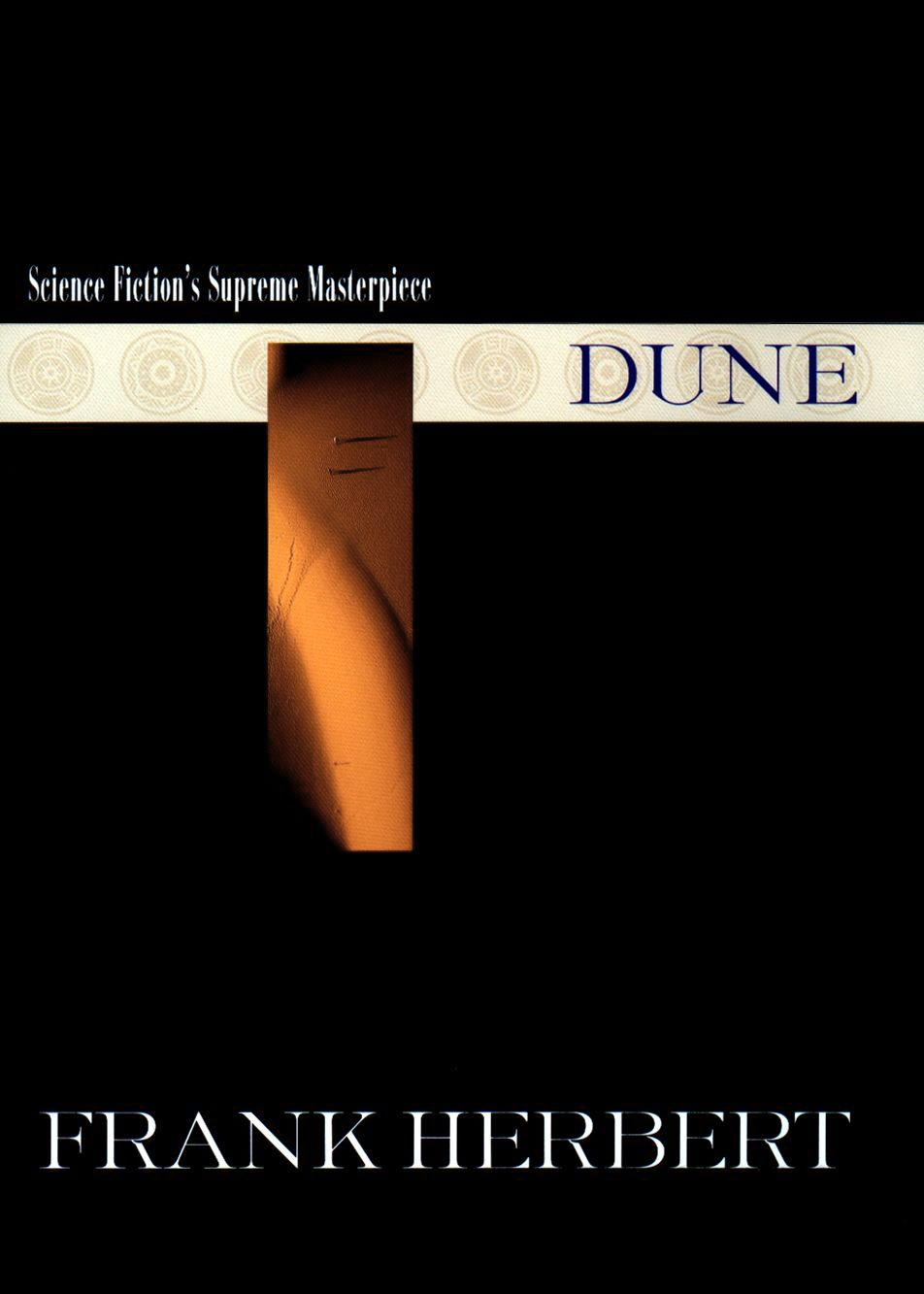
DUNE by Frank Herbert

A mesmerizing reading experience through and through. What really drew me in was the writing, which I found to be the complete opposite of its reputation for being dense and dry. “Organic” was the word that kept coming to mind. This book felt like a living, breathing thing. It helped that Herbert’s world-building was downright virtuosic—the sheer scope of the thing is truly staggering, and I was captivated throughout its countless psychedelic pages. 

Also, once again: big worms!

TRIGGER MORTIS by Anthony Horowitz

While I genuinely adore Ian Fleming’s writing (in particular his exceptional eye for detail), I find Anthony Horowitz’s Bond books, in general, much better constructed. Which is probably a sacrilegious thing to say. But where Fleming was a brilliant stylist, Horowitz is a master craftsman. The man simply lives and breathes thrillers.

Enjoyed this one a little less than Forever and a Day, his first Bond outing, but found it brilliant all the same. Can’t wait to read his final 007 story.

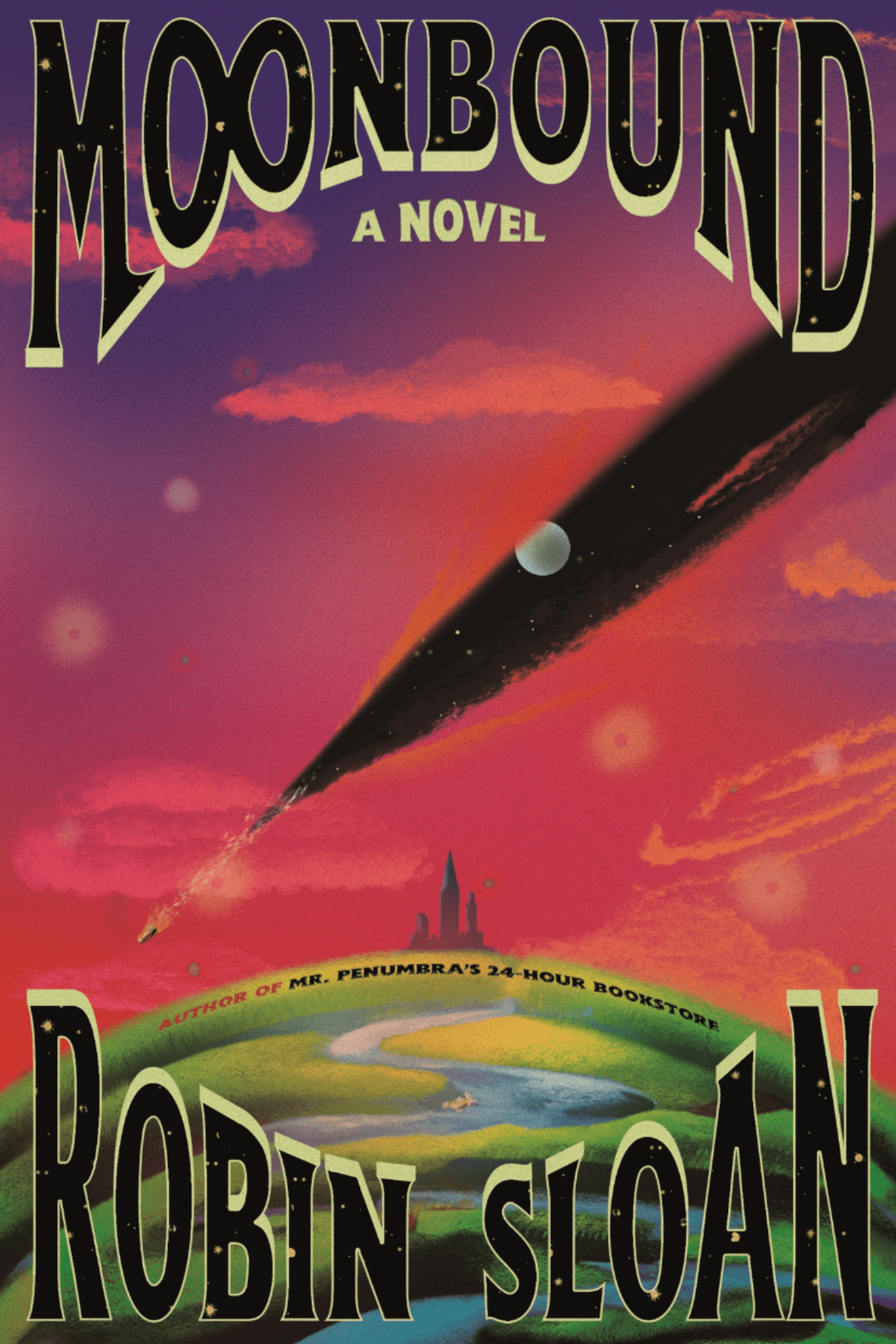
MOONBOUND by Robin Sloan

I loved Moonbound in a way I haven’t loved a book since probably Becky Chambers’s A Psalm for the Wild-Built. Which is apt, seeing as how they’re both stories that are inherently optimistic about humanity and what the future holds in store for us. Despite my deep-rooted cynicism, stories about radical optimism always resonate with me in profound and lasting ways.⠀

This is also a story about stories, which have always been my favorite kind of stories. Sloan plays around with a lot of tropes and archetypes here, and the fun he has with it all is palpable and infectious.⠀

Also, this book has the literary equivalent of a cinematic needle-drop, and it is, without hyperbole, one of the raddest moments I’ve ever read.⠀

My favorite book of the year.

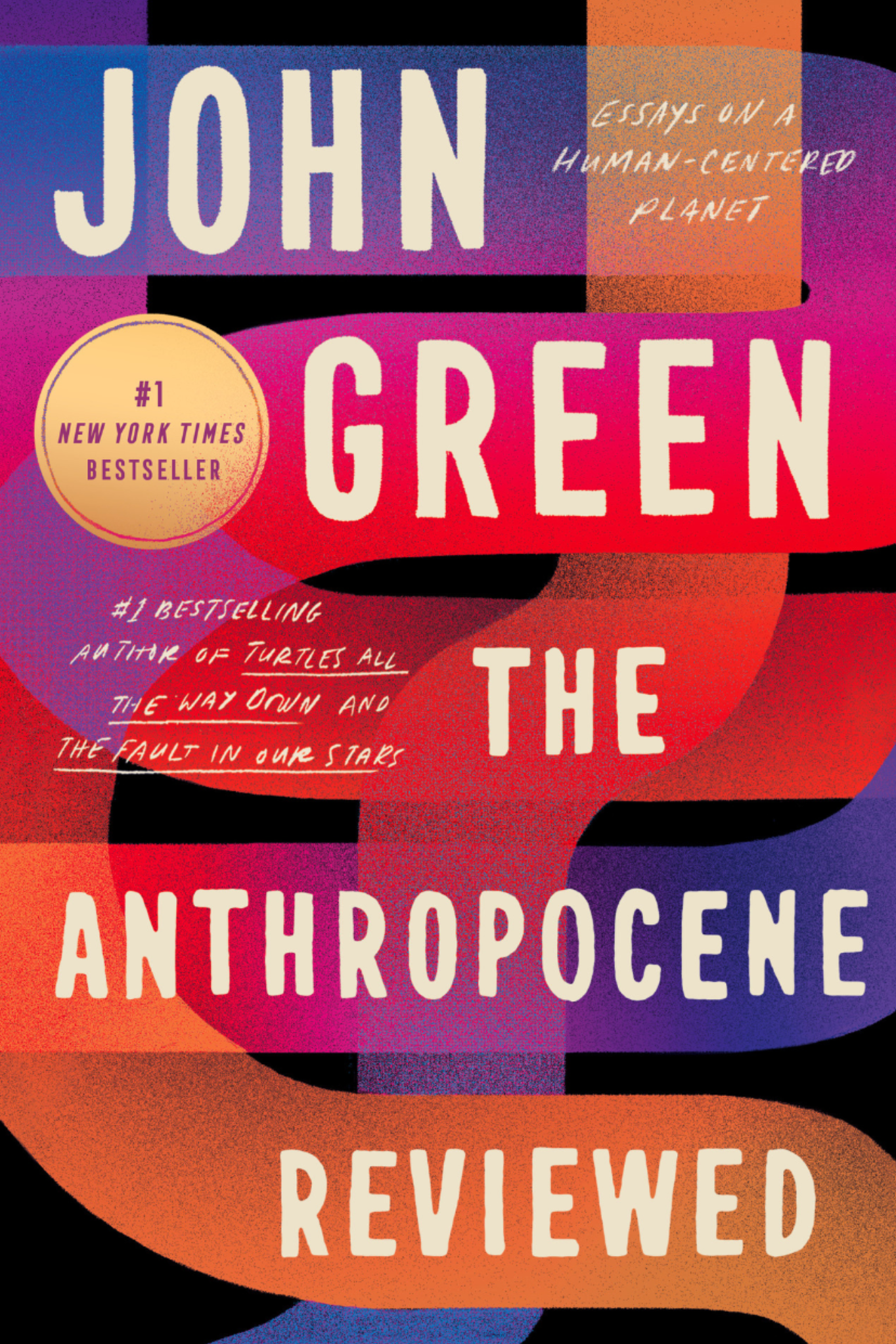
THE ANTHROPOCENE REVIEWED by John Green

That pesky radical optimism again (hi Dua Lipa was my top artist on Spotify Wrapped this year). John Green delivers a wonderful collection of essays reviewing the myriad ways humans have–for better or worse–made an impact on this planet–and then proceeds to rank them on a five-star scale. The premise may be slightly facetious, but Green never fails to consider his subjects in a thoughtful, measured, and inherently hopeful manner. ⠀

A humorous and heartfelt celebration of humanity, I give The Anthropocene Reviewed five out of five stars.⠀

DIAVOLA by Jennifer Thorne

My favorite Hallowe’en read not actually read during the Hallowe’en season. A Gothic and thoroughly modern ghost story that explores family dynamics in a more visceral and brutally honest manner than most high-brow contemporary novels. ⠀

I loved a lot of things about Diavola, but mainly I adored its Dumpster-fire protagonist, a veritable harbinger of chaos, and how the story proceeded to validate her nature rather than condemn it, making this an exceedingly fun and cathartic read.⠀

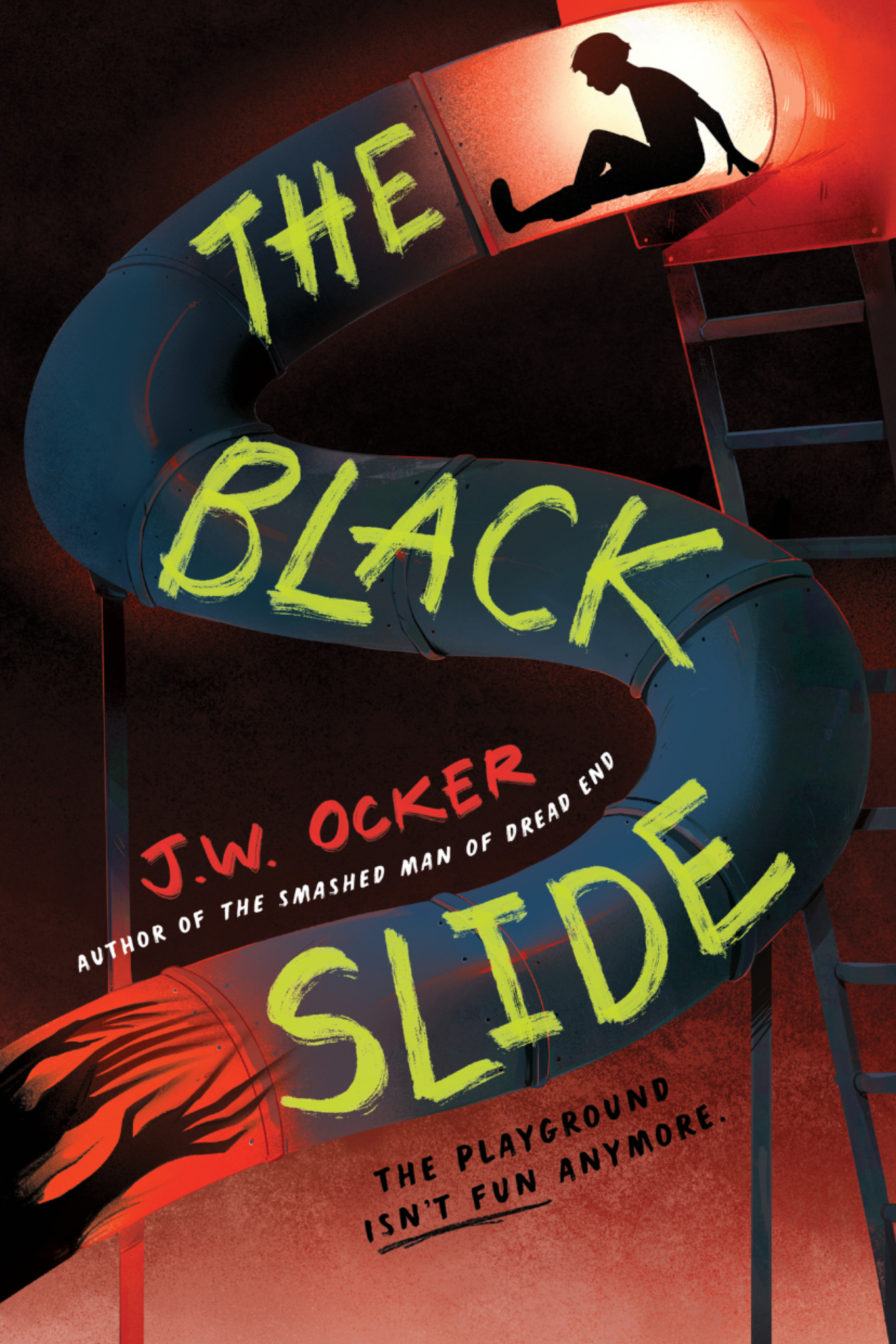
THE BLACK SLIDE by J.W. Ocker

There are few things I respect more than children’s horror novels that aren’t afraid to go dark and still remain full of heart. J.W. Ocker’s middle grade work is characterized by this trait, but he took it up a few considerable notches with The Black Slide, and it’s all the better for it. Harrowing, haunting, and heartfelt. More children’s horror like this, please. 

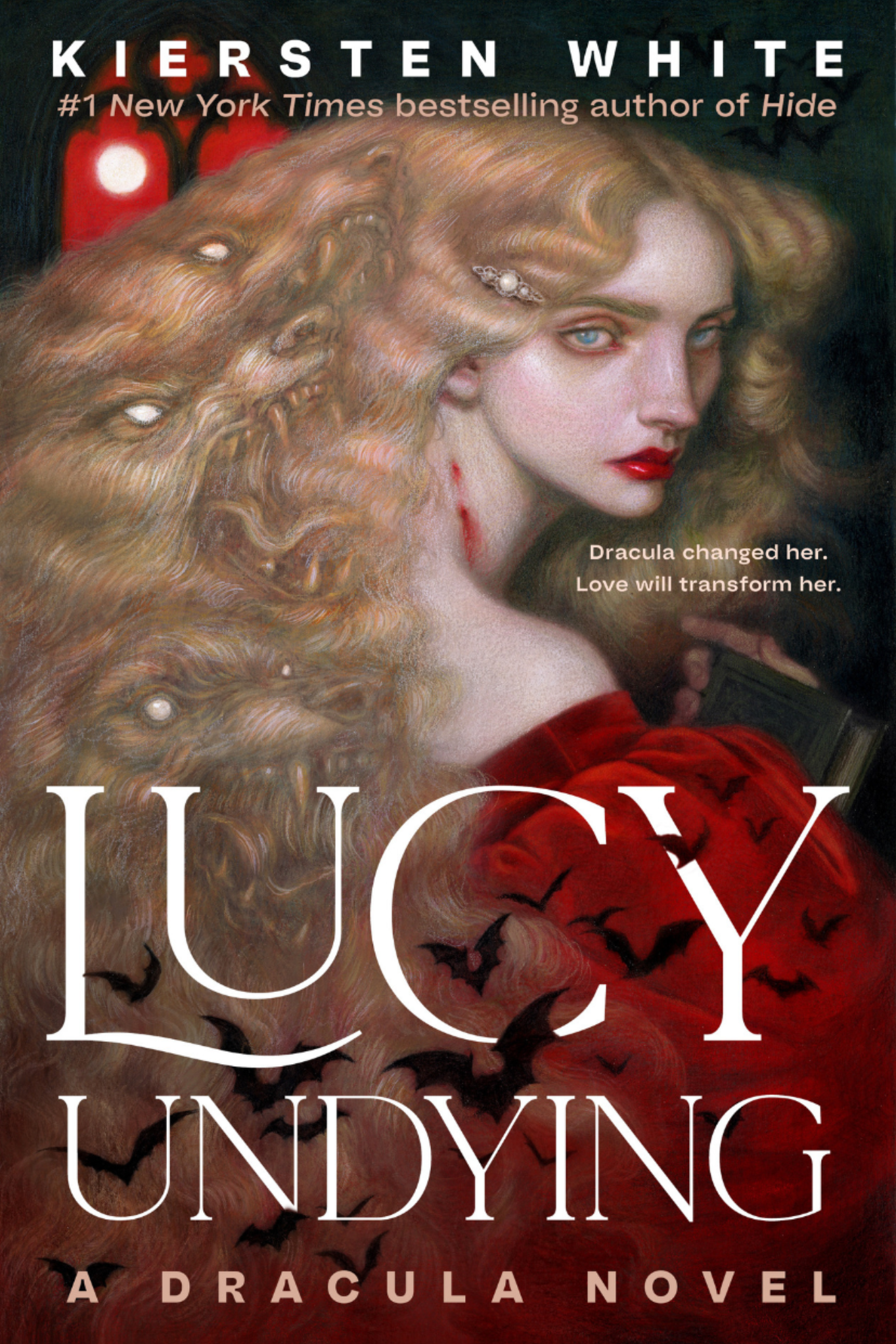
LUCY UNDYING by Kiersten White

My favorite Hallowe’en read actually read during the Hallowe’en season. I just loved the hell out of this. Very much a spiritual companion to Kiersten White’s previous novel, The Dark Descent of Elizabeth Frankenstein. Lucy Undying is likewise gloriously Gothic, unreservedly feminist, and meandering in the most interesting, fascinating ways. A hell of a read.


I hope you all had a great year, and I hope the next one treats us well.

See you on the other side.

📖
MARCH 2024

Hihi here’s what I read in March (spoiler alert it’s mostly Bond stuff):

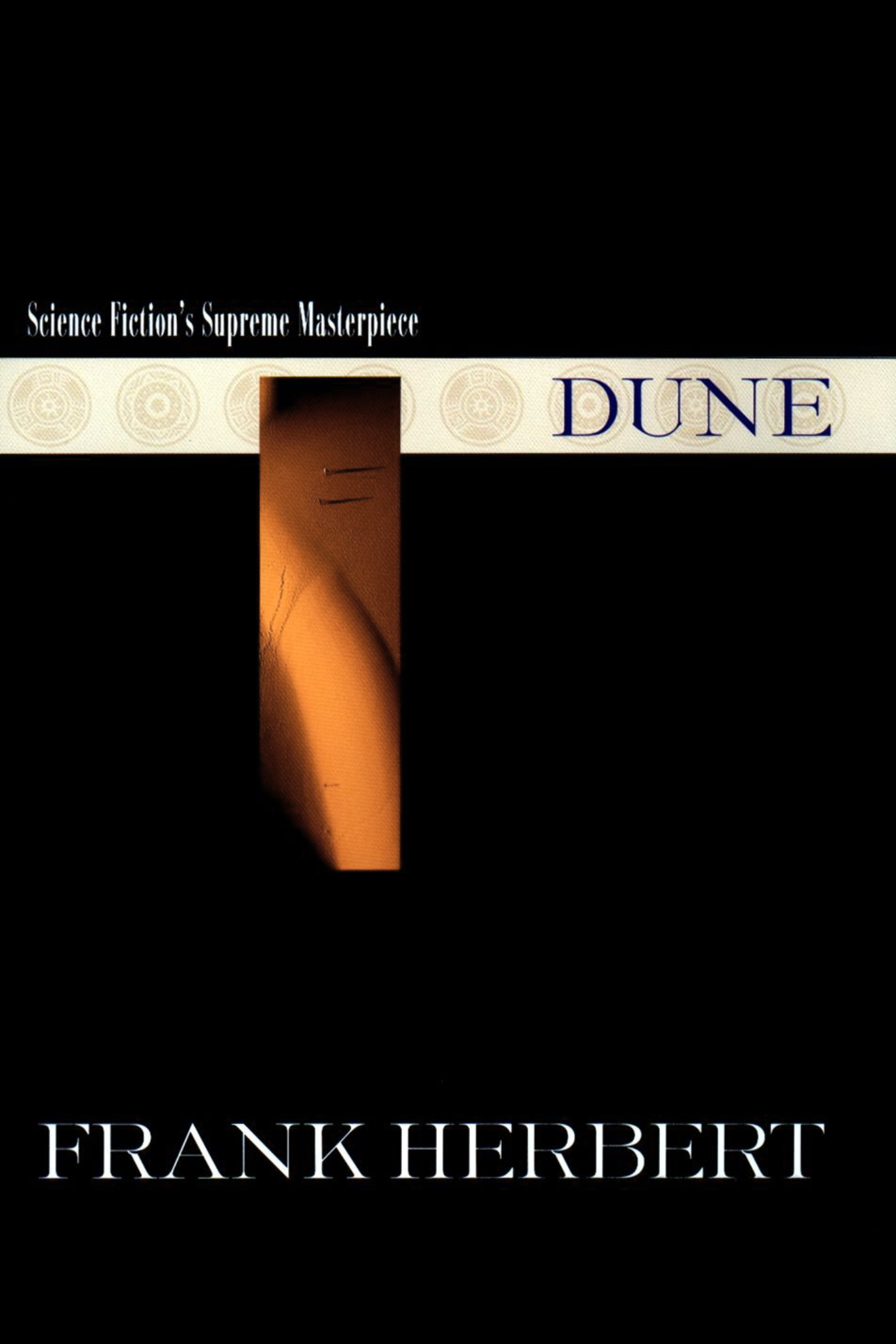
Dune by Frank Herbert. Already wrote about my experience with this, but yeah, this was great. Big worm! Big fan. And I’m terrible at watching movies in a timely manner so, no, I still haven’t seen part two, thanks. 

This month’s short story was “Jim Martini” by Michael Bible. A thoroughly modern corporate tale that at times reminded me of one of Mad Men’s surreal interludes. (Absolute favorite show, so not a bad thing.) Irreverent and playful. I dug it a lot.  ⠀

And that’s it for the regular reads. Literally everything else was Bond, because I am a ridiculous, obsessive person. 

Trigger Mortis by Anthony Horowitz. I just wish Horowitz wrote more of these.

For Your Eyes Only by Ian Fleming. Very interesting collection of short stories that find Fleming further experimenting with his Bond formula—to varying success. I didn’t think much of the first two stories, but really enjoyed the last three. In particular “The Hildebrand Rarity,” which, with its stunning underwater scenes, is a showcase of Fleming’s mastery at establishing mood and atmosphere. Also I do love a capsular setting, of which the luxurious yacht at the center of the story is certainly one of Fleming’s most opulent.  

Thunderball by Ian Fleming. Enjoyment of this was a bit marred by rewatching the movie and not being too thrilled by it. Still, a solid Bond entry. The Bahamas location was just great. Loved that Leiter got an extended role here, too. Also we got to go both inside a fancy yacht and a high-tech submarine, and that’s just super neat. 

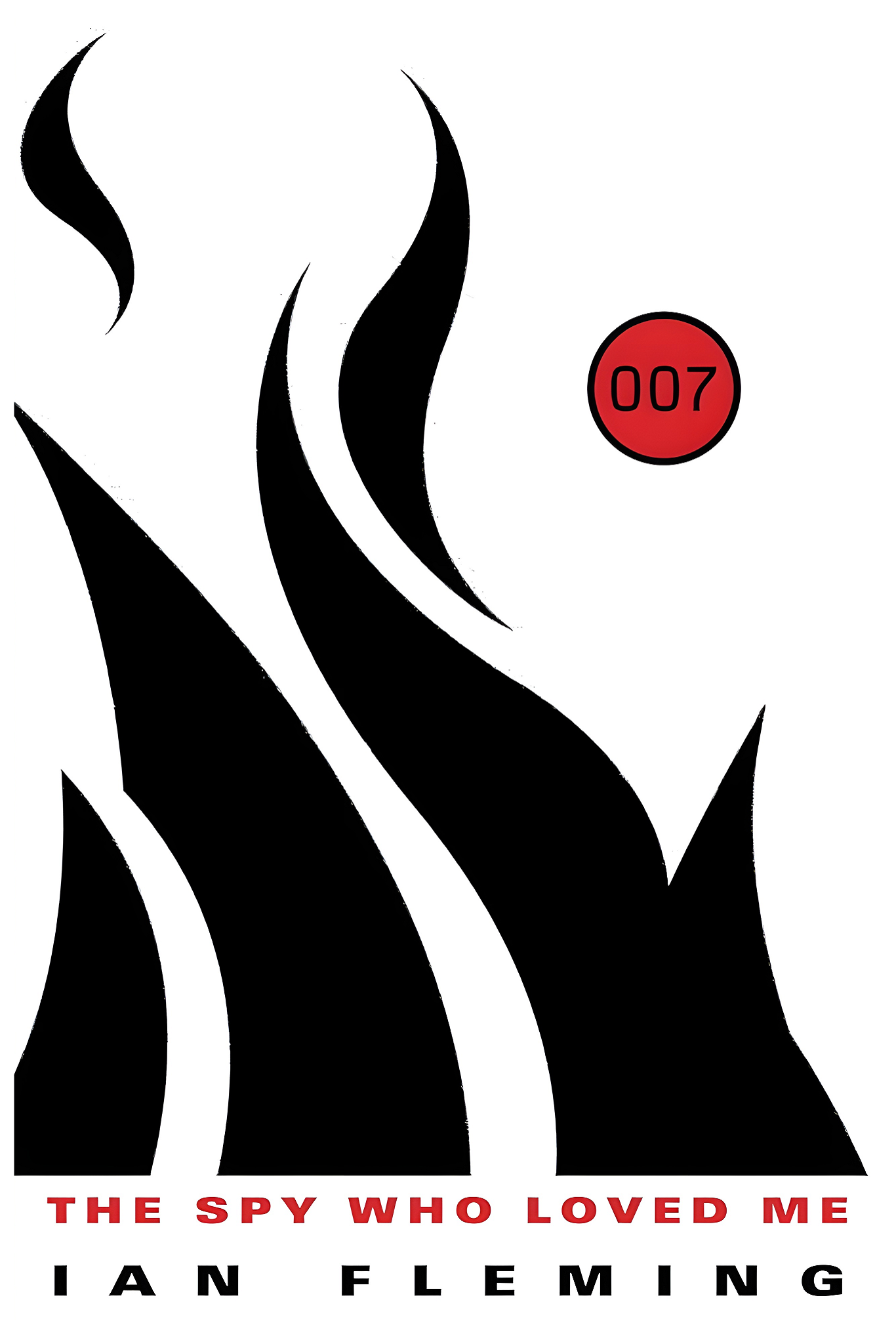
The Spy Who Loved Me by Ian Fleming. Fleming’s infamous failed experiment. Admire him for going so out of his own comfort zone, but this is truly a royal mess. His female narrative voice is deeply unconvincing, for one. For another, the structure simply doesn’t come together. The first part reads like the maudlin diary entries of a juvenile caricature, while the second is a mid-century gangster farce, with Fleming at his most intolerable in terms of dialogue. Only the final part manages to feel like a Bond book, but it comes a bit too little, too late.   

And then I just read a bunch of Bond comics. I read too many of them, because, again, I am a ridiculous person.

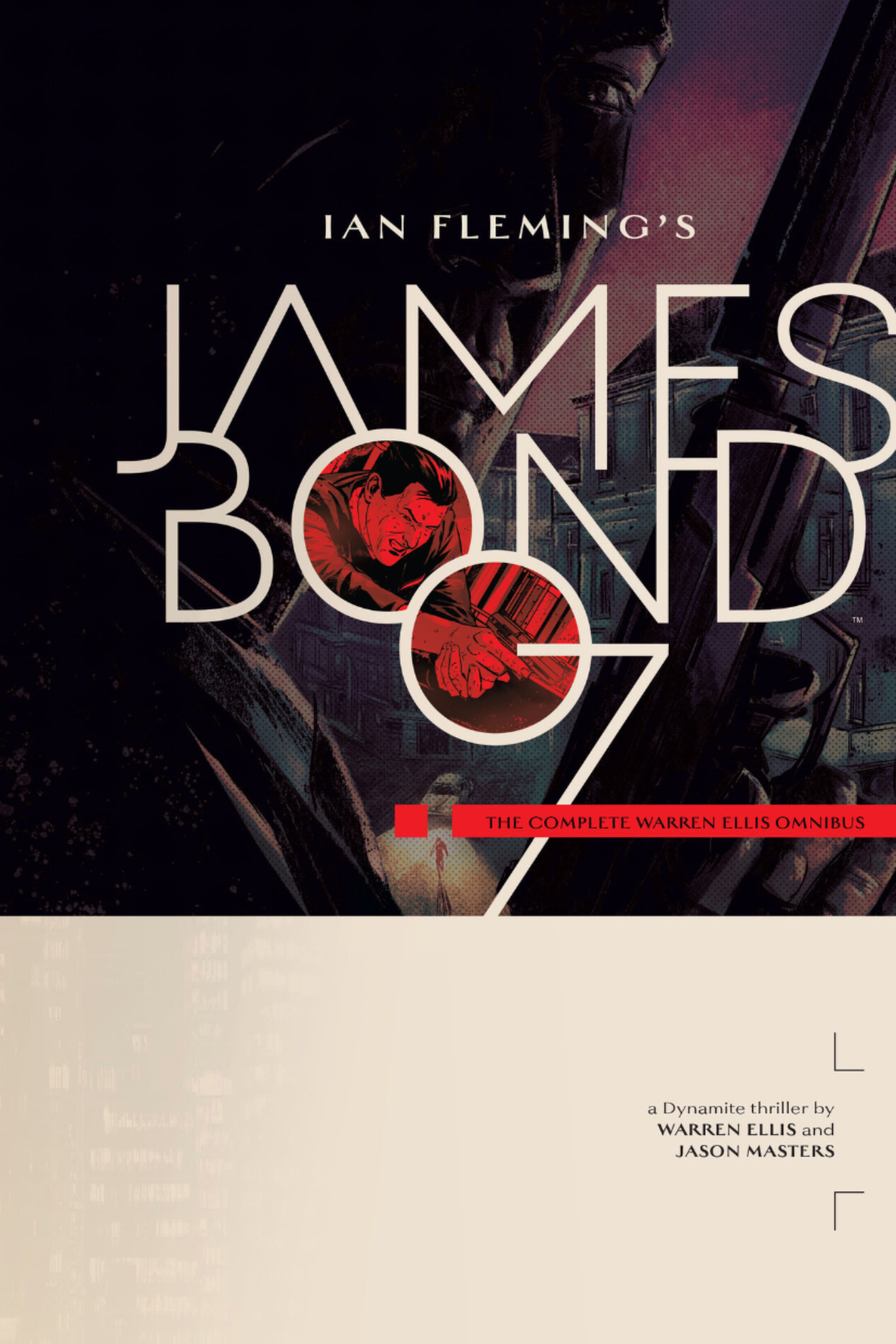
James Bond: Vargr / James Bond: Eidolon by Warren Ellis, James Masters. Both re-reads. I had forgotten, but these were actually the first Bond things I ever read, having picked it up back when they came out because I was a big Ellis fan. I enjoyed them both a lot back then and, naturally, after having read entirely too much about this ridiculous character, I appreciate them a lot more now. 

James Bond: Hammerhead by Andy Diggle, Luca Casalanguida. Reading this after the Ellis and Masters run was like going from Casino Royale to Die Another Day. Fun, but lacked the wit and finesse of the previous comics.

James Bond: Service by Kieron Gillen, Antonio Fuso. Love Gillen but this was just bland as hell.

James Bond: Black Box by Benjamin Percy, Rapha Lobosco. Liked this one a bit more than the other non-Ellis runs. I feel like it did the globetrotting thing exceptionally well. And I enjoyed how simple and modern the storyline was. The Dynamite comics do a better job at bringing Bond to contemporary times better than the films, I feel like. They’re great at making our current, contentious times almost feel like another sort of war — neither hot or cold but perpetually hazy and chaotic. 

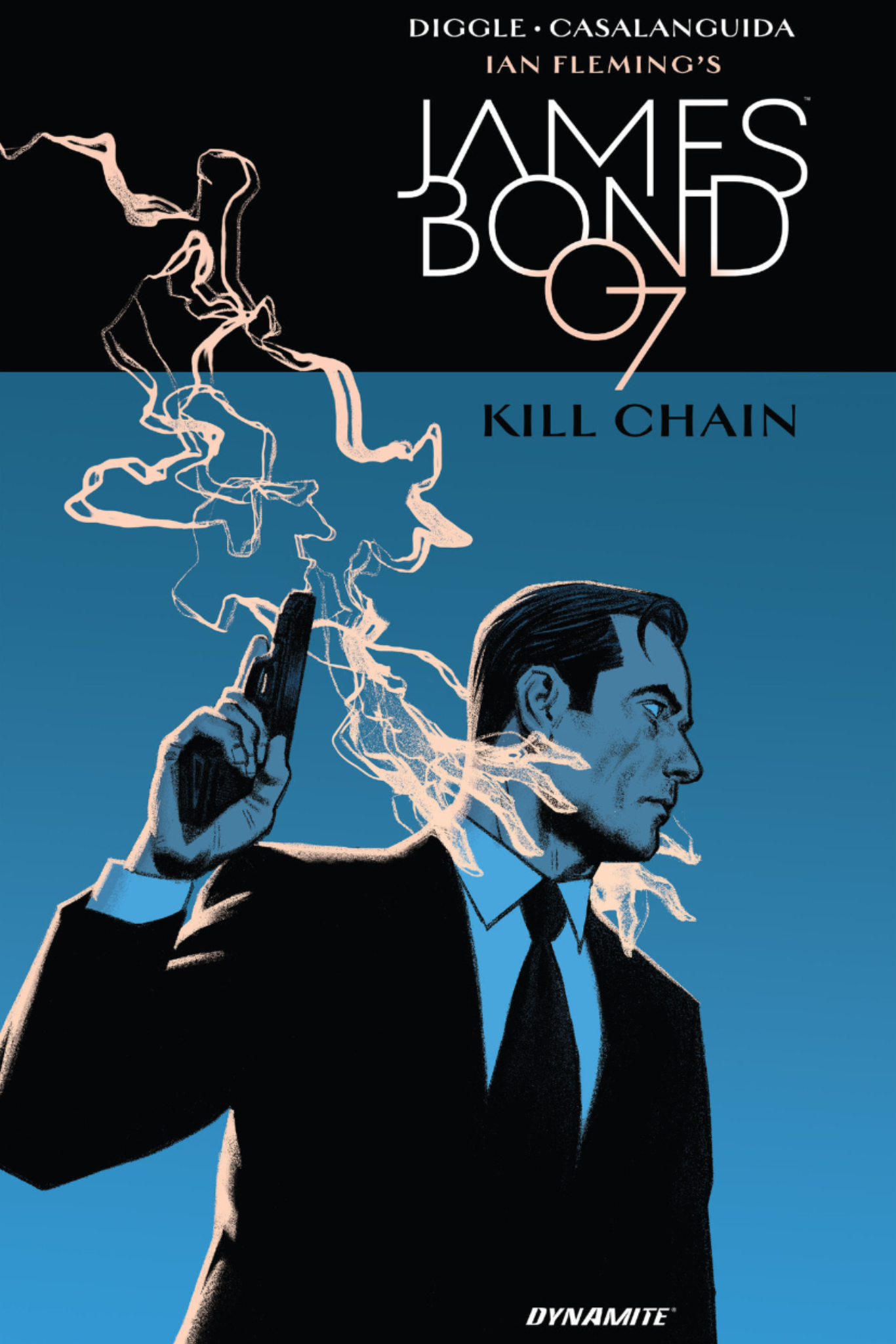
James Bond: Kill Chain by Andy Diggle, Luca Casalanguida. Liked this one a hell of a lot more than their previous effort. It felt much more in line with the Fleming novels. Bringing SMERSH into the modern day was an ingenious move, and having that not only feel believable but inevitable was just skillful storytelling.

James Bond: The Body by Aleš Kot, Various. One of the most fascinating Bond stories I’ve come across. One thing that I love about the Fleming novels is how surprisingly often they go into Bond’s psyche, something the films hardly ever do — at least until Craig’s tenure. The Body, though, is a thorough character study about what it means to be a blunt instrument wielded by a fallible, amoral government. The only place it falters is that at some point it feels like you’re reading about someone entirely different from the peculiar, singular character Fleming created. Still, some absolutely brilliant storytelling here.

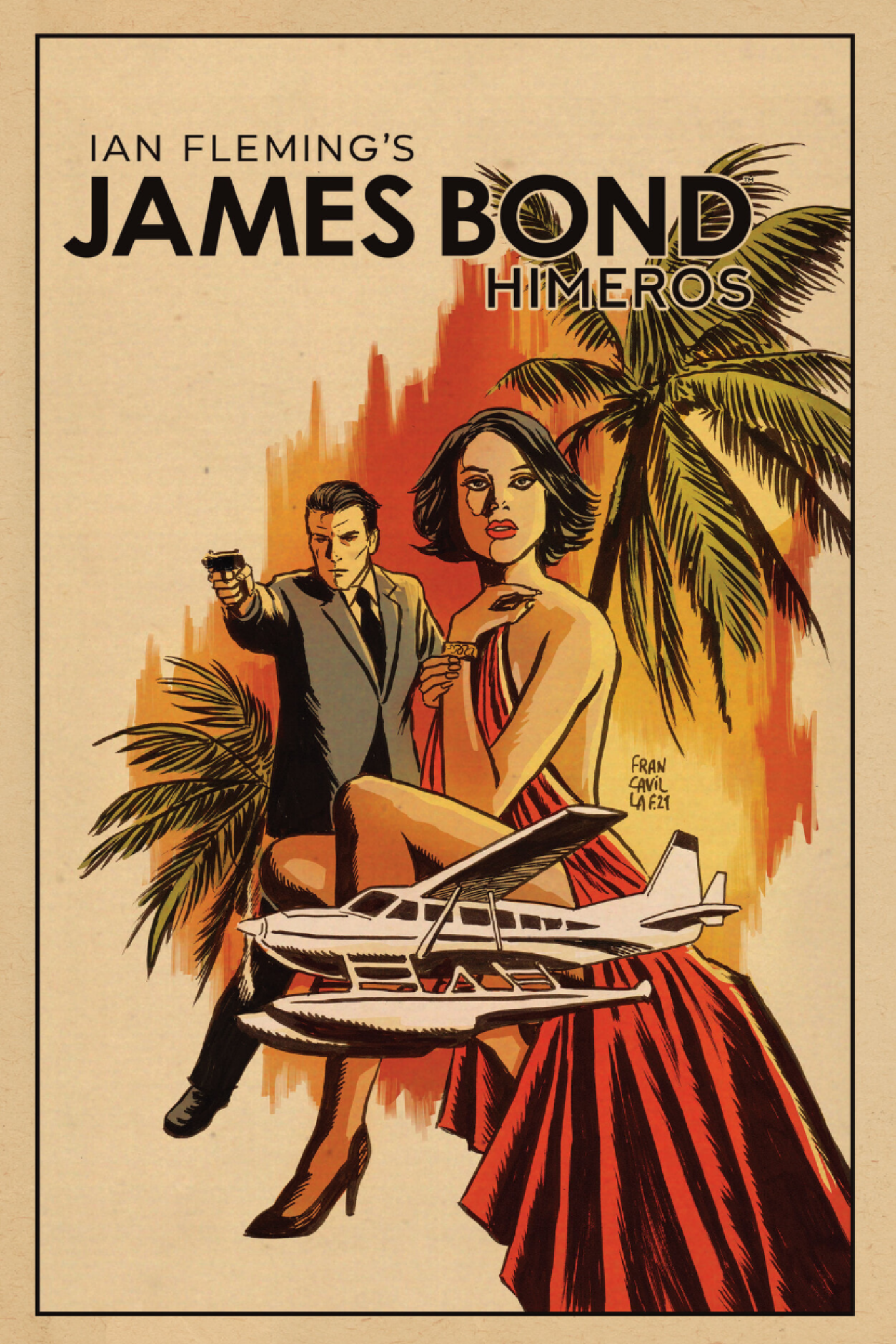
James Bond: Himeros by Rodney Barnes, Antonio Fuso, Giorgio Pontrelli. This is what I mean by the Bond comics really going all out to make him a contemporary figure. This is an Epstein storyline, and not even a thinly-veiled one — the only things changed are the names. I guess it’s problematic in the sense that in this fantasy world Bond prevails and drags this evil ordeal out of the shadows and back into the light, but what is fantasy for if not for wishful thinking sometimes?

And now the only remaining question is: Will I read something not Bond-related any time soon? Ha ha ha who knows I don’t goodbye


DUNE by Frank Herbert

dune by frank herbertReading Frank Herbert’s Dune turned out to be a downright mesmerizing experience. Which was surprising to me because while I have obviously known about the book for ages I always assumed it would be a dry, dense, and difficult read. It turned out to be anything but. I found myself really taken in by Herbert’s prose, which is really stark and straightforward even when the story takes the most psychedelic of turns towards the climax. “Organic,” was the word that kept coming to mind. This story feels like a living, breathing thing in a way precious few others do. It’s no wonder it’s endlessly compared with The Lord of the Rings. It lives in that same mythic mind field.

I genuinely have no idea how so many people consider this a fully stand-alone novel, though, since the ending is so abrupt and honestly quite anticlimactic. Supposedly Herbert decided to write Messiah partly as a response to the public’s reaction to Dune’s themes, but I find it hard to believe that he didn’t have a sequel already in mind. As dense as the novel is, it does feel very much like the first half of a story. (Which is why I got the second book as soon as I finished this one. I look forward to reading it.)

But also, despite all the complex, intricate lore and cachet surrounding this classic of science fiction, at the end of the day, the story’s just a hell of a lot of fun, too. I had a blast reading this. Big worm! Big fan.