WELCOME TO THE GHOST SHOW by J.W. Ocker

This review first appeared in Booklist on July 1, 2025.

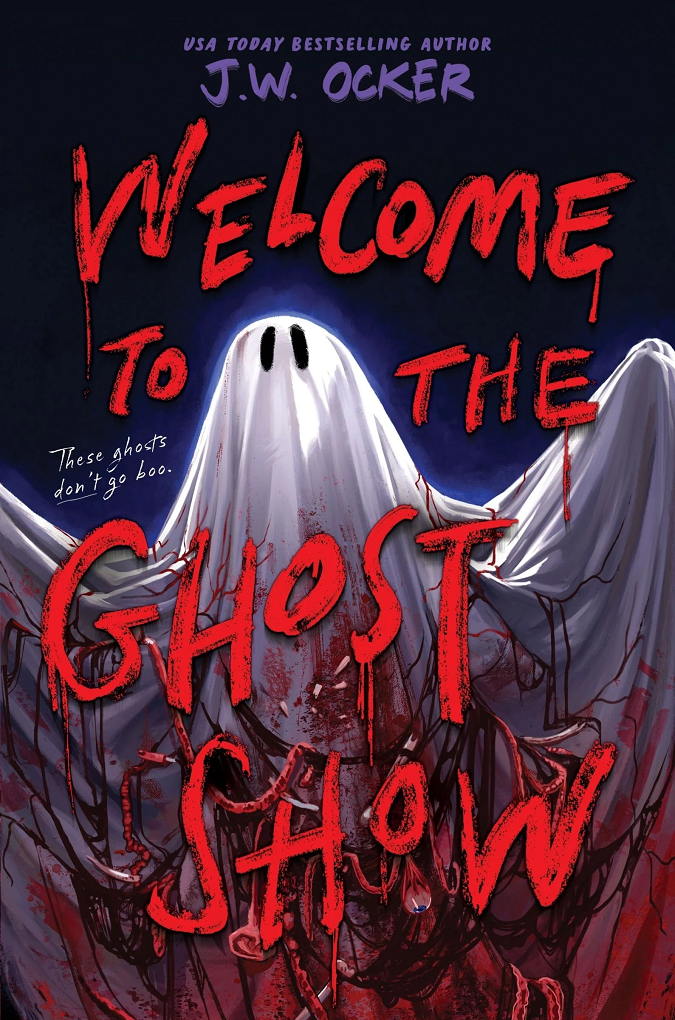
Hazel “Zel” Gold longs to see ghosts. Along with her friends and fellow aficionados of the weird, Theo and Lucien, she forms the Creepy Club, a group dedicated to exploring the lurid and eerie corners of their small Maryland town in search of anything remotely paranormal. One day, ominous posters appear around town, heralding the arrival of the Ghost Show, a mysterious traveling attraction that claims to feature real ghosts. The Creepy Club jumps at the chance to finally witness some supernatural spectacle, only to find the show spearheaded by the imposing and enigmatic Everest Nocturama Mancer, a self-professed ghost catcher who plans to exploit the town’s tragic, haunted history for his own ghastly purposes. It’s up to Zel and her friends to save not only their bereaved community but also the suffering spirits ensnared in Mancer’s grasp. Ocker conjures a magnificently macabre and gleefully grotesque tale that’s as much a celebration of the odd and the peculiar as it is a thoughtful and affecting meditation on mortality, grief, and the painful process of letting go.

YEAR IN REVIEW ○ 2024

The very best I can say for 2024 is that it was a good reading year. Personal? Not so much. But this blog, despite all my rantings and diatribes, is about the more literary aspect of my precious little life, so we’re going to focus on that, instead of… the rest.

(The one great thing that happens to overlap both aspects of my life is the fact that I started writing for Booklist, something that makes me incredibly happy and proud. It’s been a great experience thus far, and I think I’ve already learned a lot in the few months I’ve been with them. Exciting!)

I read some really fine books this year. These are some of them:

CHRISTMAS DAYS by Jeanette Winterson

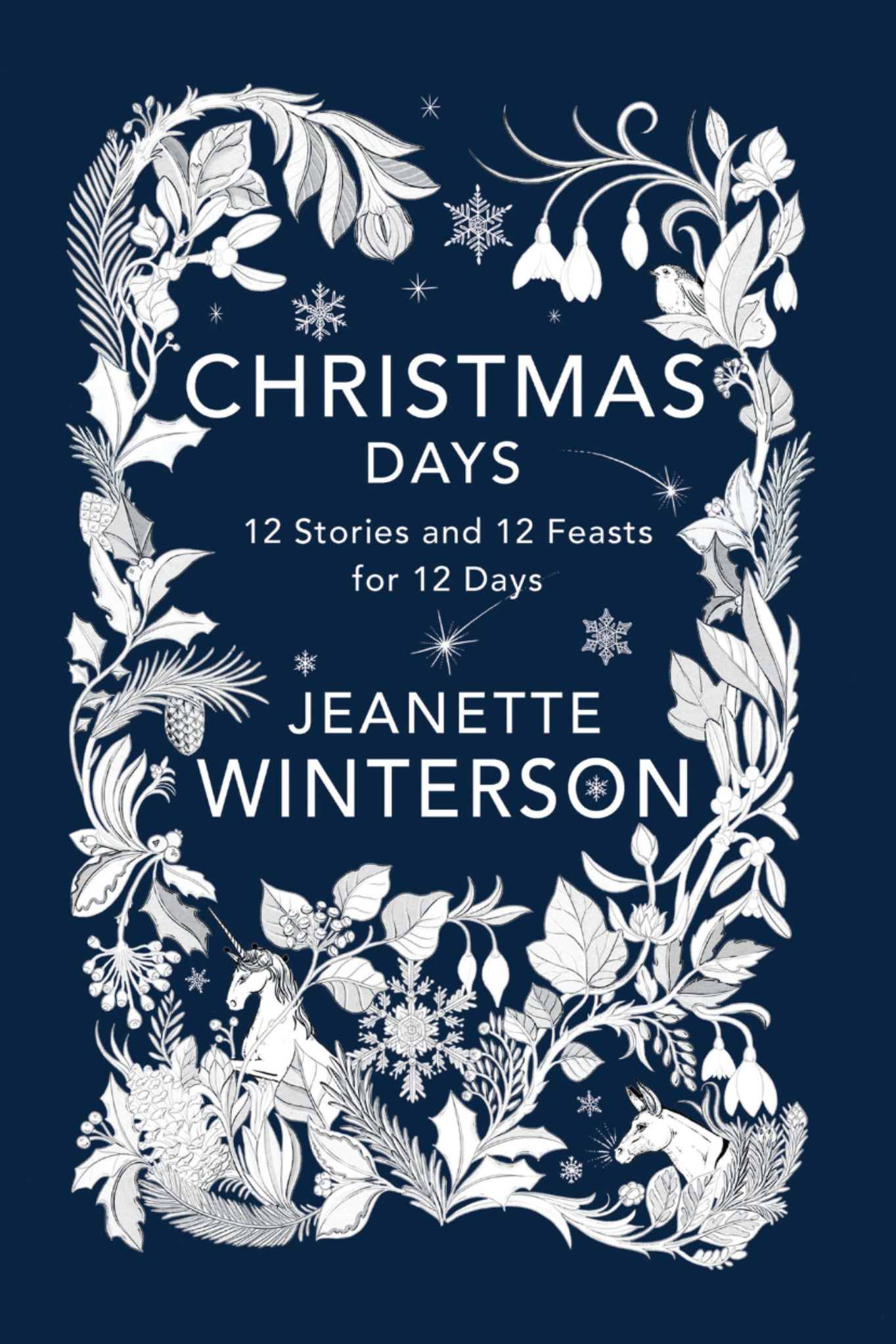
This is, so far, the only Jeanette Winterson book I’ve read, but I was ready to call her a favorite author upon finishing it. I fell absolutely head-over-heels in love with her writing—so much so that I found the vignettes written before the recipes she’s included here almost as beautiful as the short stories themselves. (It’s a true testament to her skill that she took what was essentially a meme in the online culinary world—the drawn-out preambles before cooking instructions—and made wonderful art with it.)⠀

A true Christmas collection, in the purest sense of the term, as Winterson runs through the absolute gamut of wintry tales: from unsettling ghost stories down to charming, sickly-sweet romances—all written with sublime grace and aplomb. Christmas Days quickly became synonymous with the holiday season for me, and I may just make it an annual tradition to read it. Wonderful stuff.

THE WEE FREE MEN by Terry Pratchett

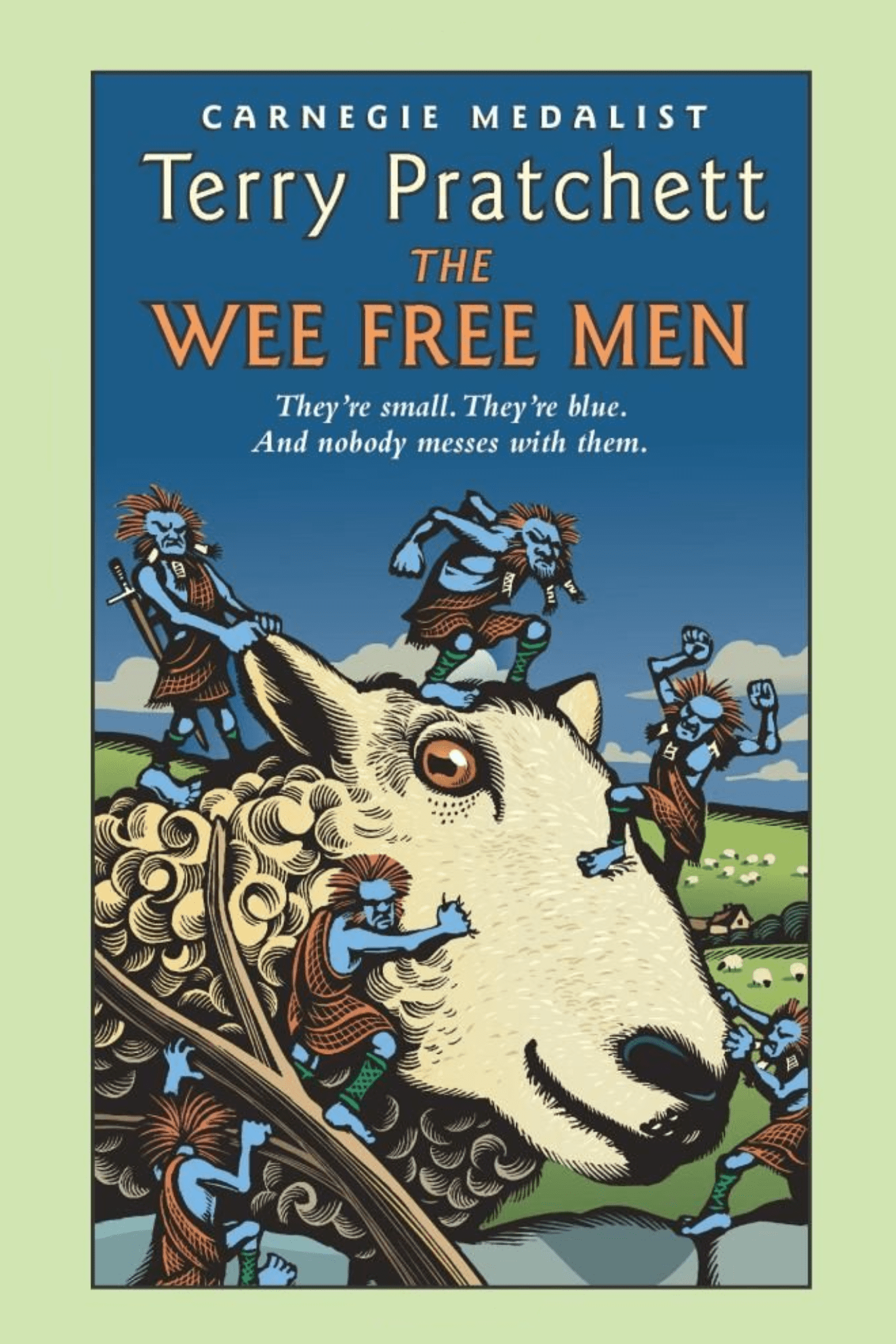
Genuinely don’t know why I torture myself by depriving myself of these wonderful books for such long intervals. This was my first Pratchett book in a handful of years, and reading it felt like coming back to a home full of love and understanding that was also, maybe, just a tiny bit disappointed in me.⠀

Because The Wee Free Men is a brilliant showcase of Pratchett’s famous righteous anger. Tiffany Aching, like her creator, is an angry person, positively full of rage. She just uses that rage to make the world a better, more compassionate place—if only to spite the darkness. Beautiful and necessary. 

MY FATHER, THE PORNOGRAPHER by Chris Offutt

Chris Offutt’s less-than-flattering portrait of his flawed father is a challenging, thought-provoking, and undoubtedly fascinating read. I flew through this in a day, despite the difficult subject matter. It helps that Offutt writes a hell of a sentence, crafting with them a tale of obsession, melancholy, and forgiveness that’s equal parts insightful and heartbreaking. A hell of a read.

DUNE by Frank Herbert

A mesmerizing reading experience through and through. What really drew me in was the writing, which I found to be the complete opposite of its reputation for being dense and dry. “Organic” was the word that kept coming to mind. This book felt like a living, breathing thing. It helped that Herbert’s world-building was downright virtuosic—the sheer scope of the thing is truly staggering, and I was captivated throughout its countless psychedelic pages. 

Also, once again: big worms!

TRIGGER MORTIS by Anthony Horowitz

While I genuinely adore Ian Fleming’s writing (in particular his exceptional eye for detail), I find Anthony Horowitz’s Bond books, in general, much better constructed. Which is probably a sacrilegious thing to say. But where Fleming was a brilliant stylist, Horowitz is a master craftsman. The man simply lives and breathes thrillers.

Enjoyed this one a little less than Forever and a Day, his first Bond outing, but found it brilliant all the same. Can’t wait to read his final 007 story.

MOONBOUND by Robin Sloan

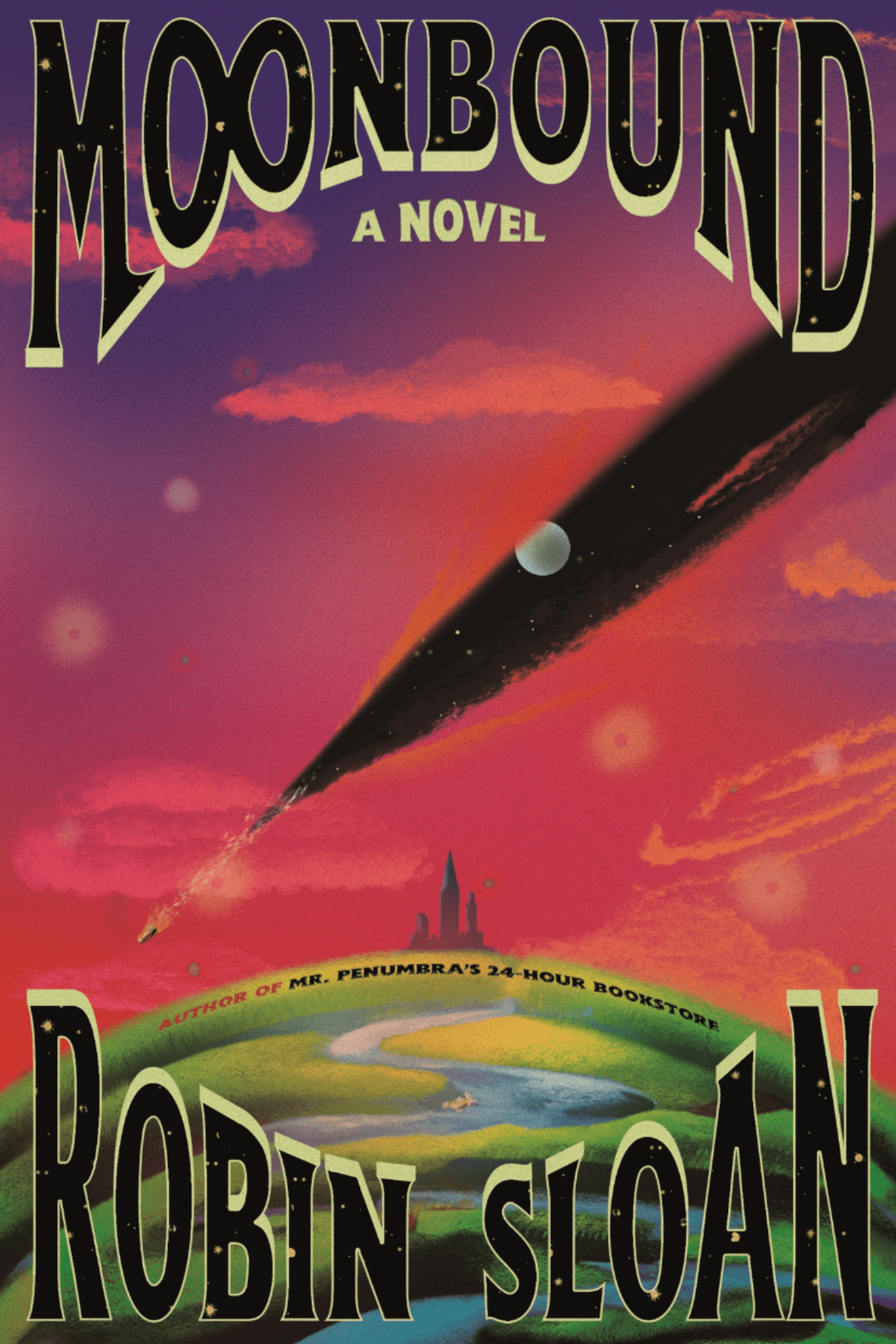
I loved Moonbound in a way I haven’t loved a book since probably Becky Chambers’s A Psalm for the Wild-Built. Which is apt, seeing as how they’re both stories that are inherently optimistic about humanity and what the future holds in store for us. Despite my deep-rooted cynicism, stories about radical optimism always resonate with me in profound and lasting ways.⠀

This is also a story about stories, which have always been my favorite kind of stories. Sloan plays around with a lot of tropes and archetypes here, and the fun he has with it all is palpable and infectious.⠀

Also, this book has the literary equivalent of a cinematic needle-drop, and it is, without hyperbole, one of the raddest moments I’ve ever read.⠀

My favorite book of the year.

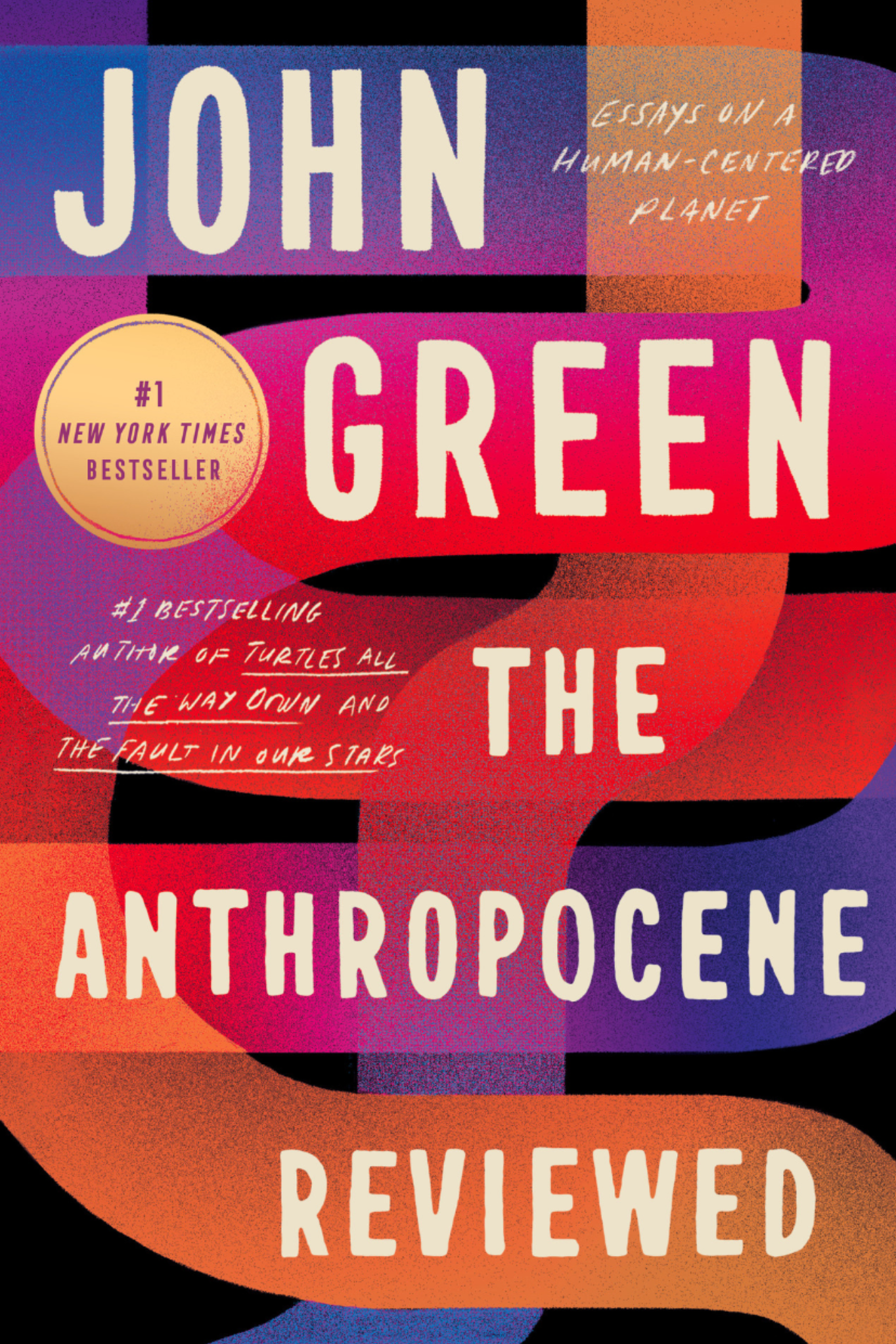
THE ANTHROPOCENE REVIEWED by John Green

That pesky radical optimism again (hi Dua Lipa was my top artist on Spotify Wrapped this year). John Green delivers a wonderful collection of essays reviewing the myriad ways humans have–for better or worse–made an impact on this planet–and then proceeds to rank them on a five-star scale. The premise may be slightly facetious, but Green never fails to consider his subjects in a thoughtful, measured, and inherently hopeful manner. ⠀

A humorous and heartfelt celebration of humanity, I give The Anthropocene Reviewed five out of five stars.⠀

DIAVOLA by Jennifer Thorne

My favorite Hallowe’en read not actually read during the Hallowe’en season. A Gothic and thoroughly modern ghost story that explores family dynamics in a more visceral and brutally honest manner than most high-brow contemporary novels. ⠀

I loved a lot of things about Diavola, but mainly I adored its Dumpster-fire protagonist, a veritable harbinger of chaos, and how the story proceeded to validate her nature rather than condemn it, making this an exceedingly fun and cathartic read.⠀

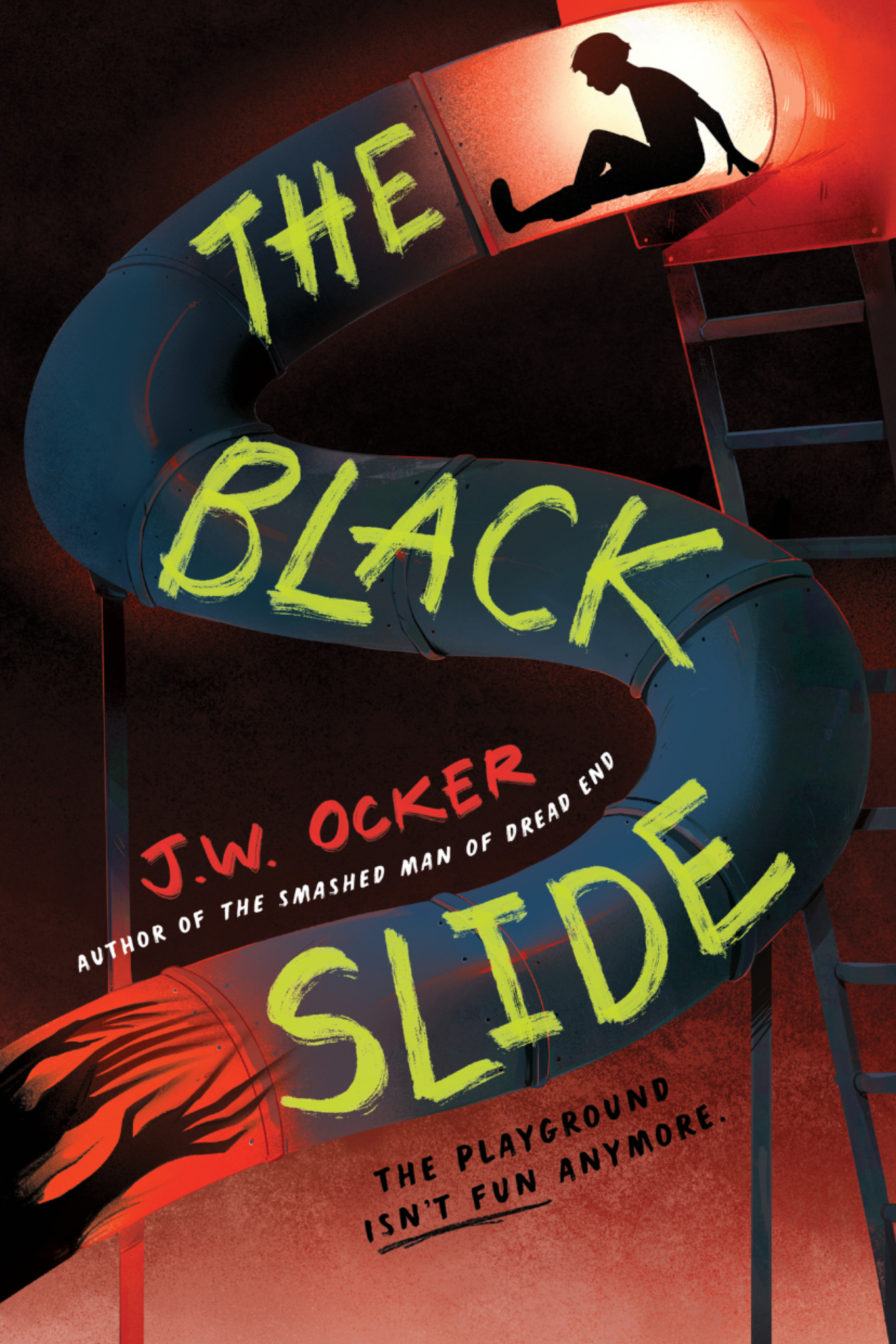
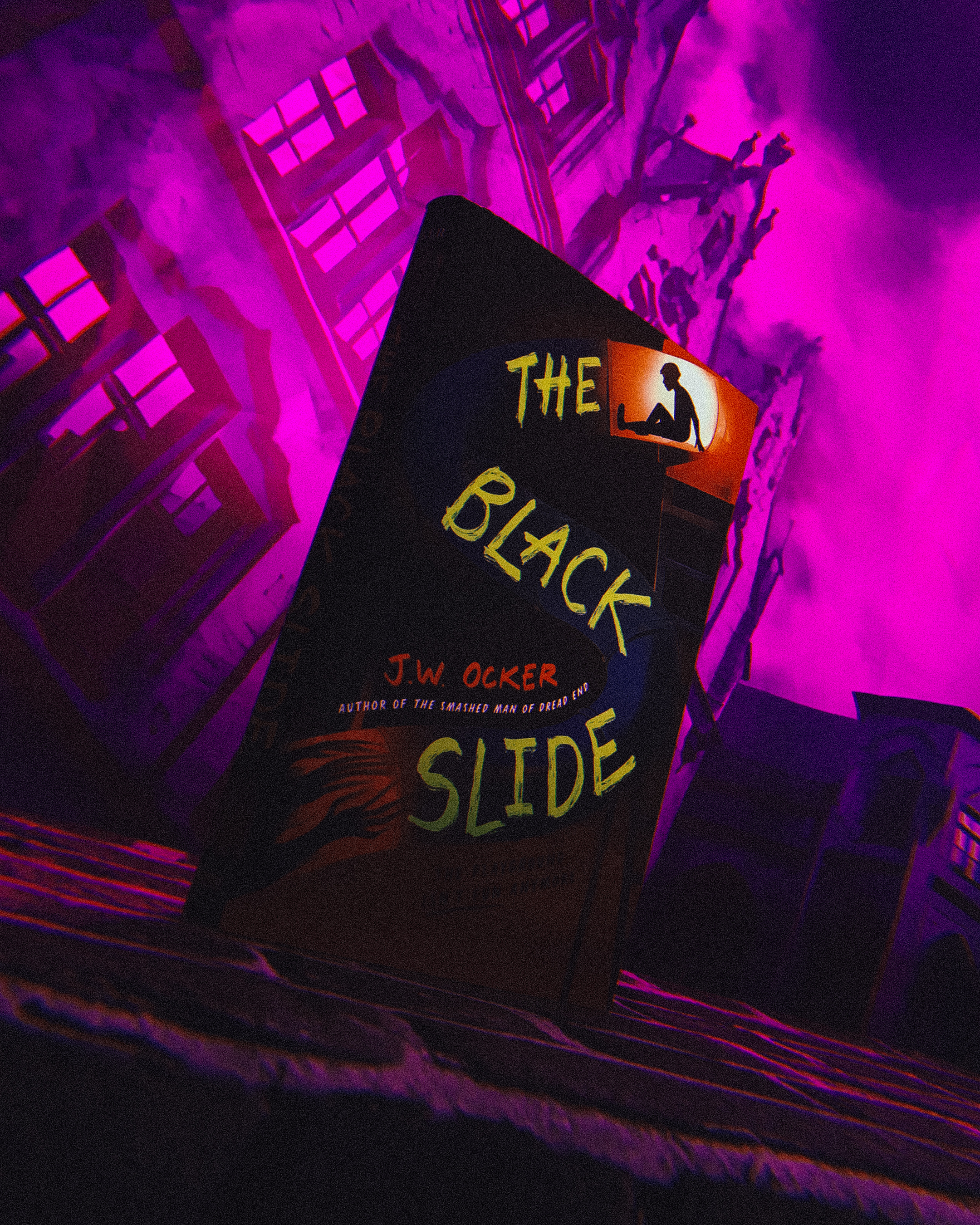
THE BLACK SLIDE by J.W. Ocker

There are few things I respect more than children’s horror novels that aren’t afraid to go dark and still remain full of heart. J.W. Ocker’s middle grade work is characterized by this trait, but he took it up a few considerable notches with The Black Slide, and it’s all the better for it. Harrowing, haunting, and heartfelt. More children’s horror like this, please. 

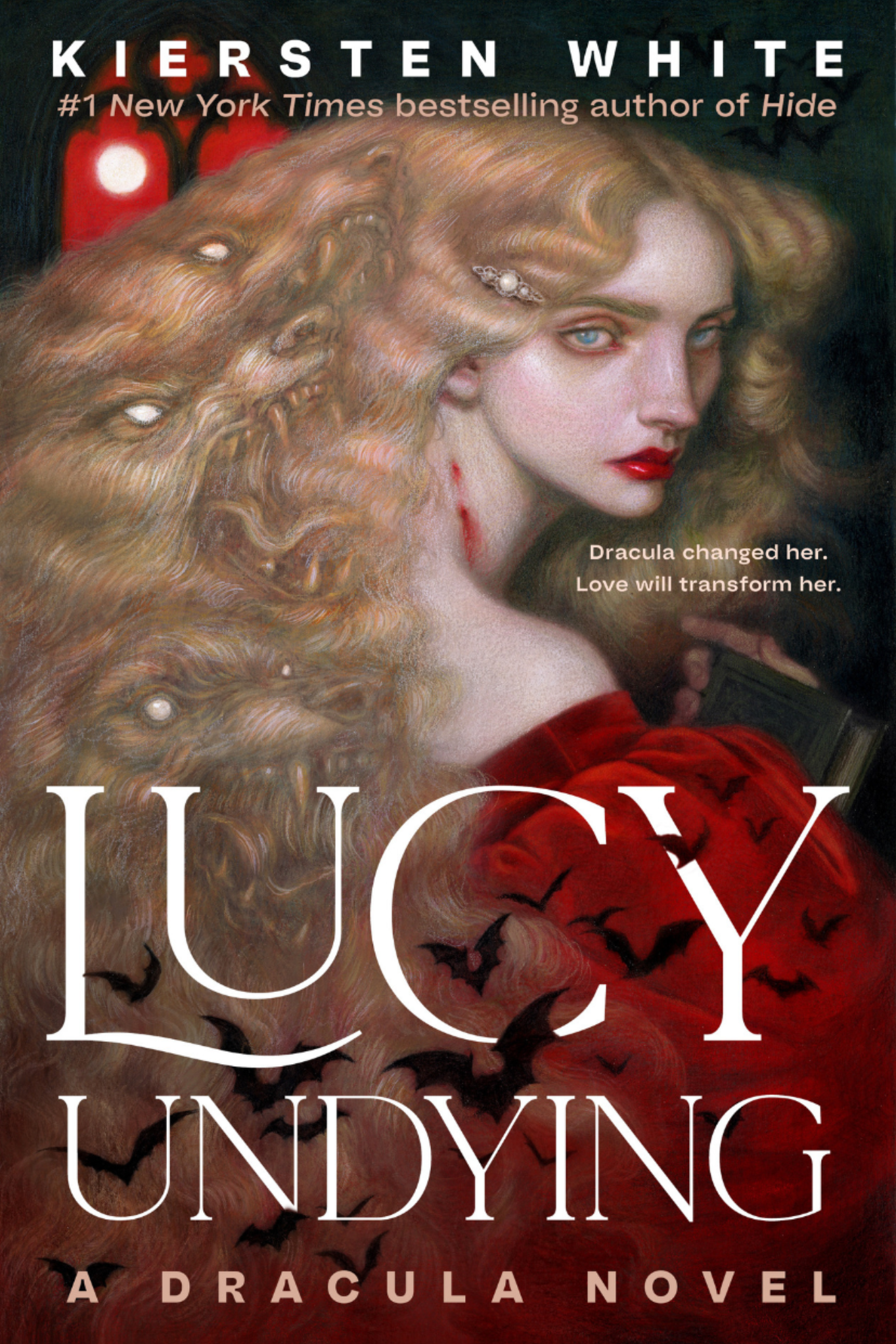
LUCY UNDYING by Kiersten White

My favorite Hallowe’en read actually read during the Hallowe’en season. I just loved the hell out of this. Very much a spiritual companion to Kiersten White’s previous novel, The Dark Descent of Elizabeth Frankenstein. Lucy Undying is likewise gloriously Gothic, unreservedly feminist, and meandering in the most interesting, fascinating ways. A hell of a read.


I hope you all had a great year, and I hope the next one treats us well.

See you on the other side.

📖

OCTOBER 2024

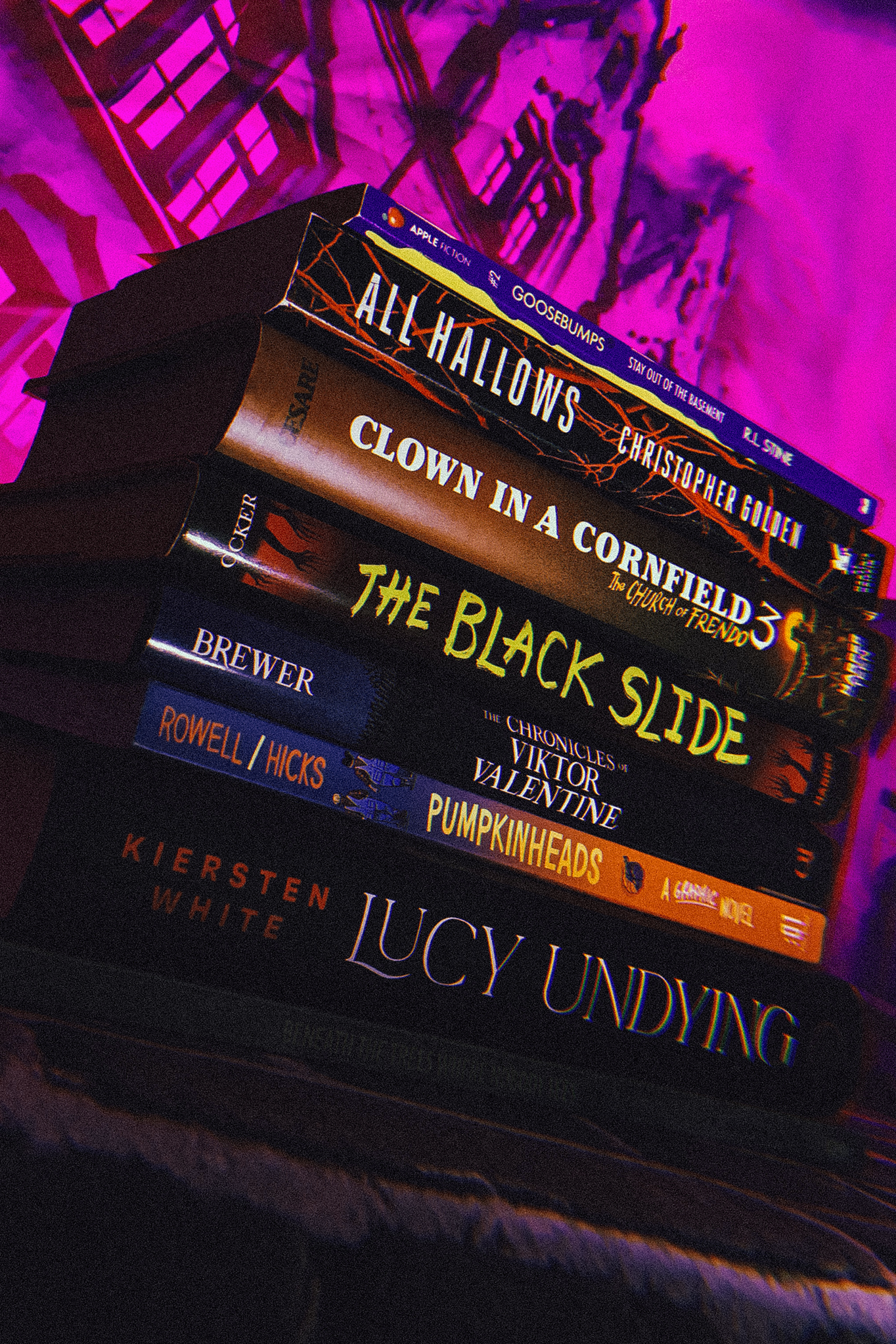
Hello. You know the books I read during the month of October because I did an individual review for every single one of them. Like a madman. But I also managed to read a bunch of short stories throughout the month, and I want to talk about them, too. So here we are. (Also it gives me an excuse to post a picture of a very satisfying pile of books. My gloriously garish Hallowe’en display.)

The books, in case you missed them: 

Beneath the Trees Where Nobody Lives by Patrick Horvath. Wonderful!

The Chronicles of Viktor Valentine by Z Brewer. Fine!

Clown in a Cornfield 3: The Church of Frendo by Adam Cesare. Disappointing!

The Black Slide by J.W. Ocker. Amazing!

Lucy Undying by Kiersten White. Glorious!

Stay Out of the Basement by R.L. Stine. Fun!

All Hallows by Christopher Golden. Great!

The short stories:

“Parthenogenesis” / “Wait for Night” by Stephen Graham Jones. Would you believe that these are the only things I’ve read by Jones? Neither can I. Really need to get on that. Anyway, “Parthenogenesis” was a fun story with a super creepy atmosphere, but I felt like the ending was a bit of a cop-out. “Wait for Night” was just a simple and super rad vampire tale. 

“A Stranger Knocks” by Tananarive Due. Didn’t realize this was a vampire story when I first picked it up, but I do love a serendipitous theme. Similar to the Jones situation, this is the first story I’ve read by Tananarive Due. Definitely need to pick up more of her stuff because this was excellent.

“The Tell-Tale Heart” by Edgar Allan Poe. My shameful secret that would surely get my goth card revoked if it ever got out is that I’ve barely read any of Poe’s actual work. “The Raven,” sure, the odd story here and there—but, like with most artists I admire, I’m far more interested in their cult of personality first and their work second. It’s something I’ve been gradually realizing is a serious disservice to said artists, so I’m working on fixing that. Anyway—this was brilliant, obviously. I read it in a collection called Darkness There, a Kindle in Motion affair that I’ve had on my tablet for years. It’s a neat concept, and features some wonderful art by M.S. Gorley, whose work—and name—evokes Edward Gorey’s (another cult of personality from my personal canon).

“Lantern Jack” by Christopher Fowler. More of a monologue than a proper short story—but it’s a damn good monologue, which made it a delight to read. Very cool, very clever, very macabre. Very into it. Read from The Mammoth Book of Halloween Stories.

“Everybody Is in the Place” by Emma J. Gibson. Some great atmosphere here, but I found the writing style seriously grating. There’s this constant repetition of words that I guess is supposed to evoke some sort of whimsicality (“We’re running, running, running!”) but it only comes across as awkward and annoying, particularly when it’s done so often in such a limited amount of space.

“A Forest, or A Tree” by Tegan Moore. Impeccable and creepy atmosphere throughout, along with some good character work. It’s too bad that it’s all undermined by an abrupt, hasty ending. As is the case with a lot of Tor.com Originals, this felt too much like the opening of a novel, rather than the closing chapter of one.

“The V*mpire” by P H Lee. This is a short story about Tumblr, of all things. It’s also a story about identity and community. And it’s a story about vampires. It should be a mess, by all accounts, but this was a surprisingly intense and impactful piece. Of course, it probably affected me more because Tumblr was such an integral, formative part of my 20s. I was too old to be part of the social circles depicted here, but I was certainly aware of them and can say that, for better or worse, their representation here is entirely accurate—from the compassion right down to the toxicity. This is also a story about how easily predators can exploit the openness of these often vulnerable communities by appropriating their particular language for their own malicious means. The vampires in this story may be fictional bloodsuckers, but that doesn’t make them any less real.

“Bone Fire” by Storm Constantine. Another one from The Mammoth Book of Halloween Stories. My notes for this story read, “A fae and dusky little story. This very much felt like what I imagine a huge bonfire on Samhain must have felt like.” I have absolutely no idea what that means, but let’s go with it. 

(I should note that I often write my notes immediately after I finish reading a story, so they are very much a first impression kind of thing. It also means that they are almost always nonsense. Alas.)

“The Folding Man” by Joe R. Lansdale. A truly outlandish mix between an odd urban legend and, like, The Terminator. Simple, straightforward, and at times seriously savage story. I was super into it. Read from The Mammoth Book of Halloween Stories.

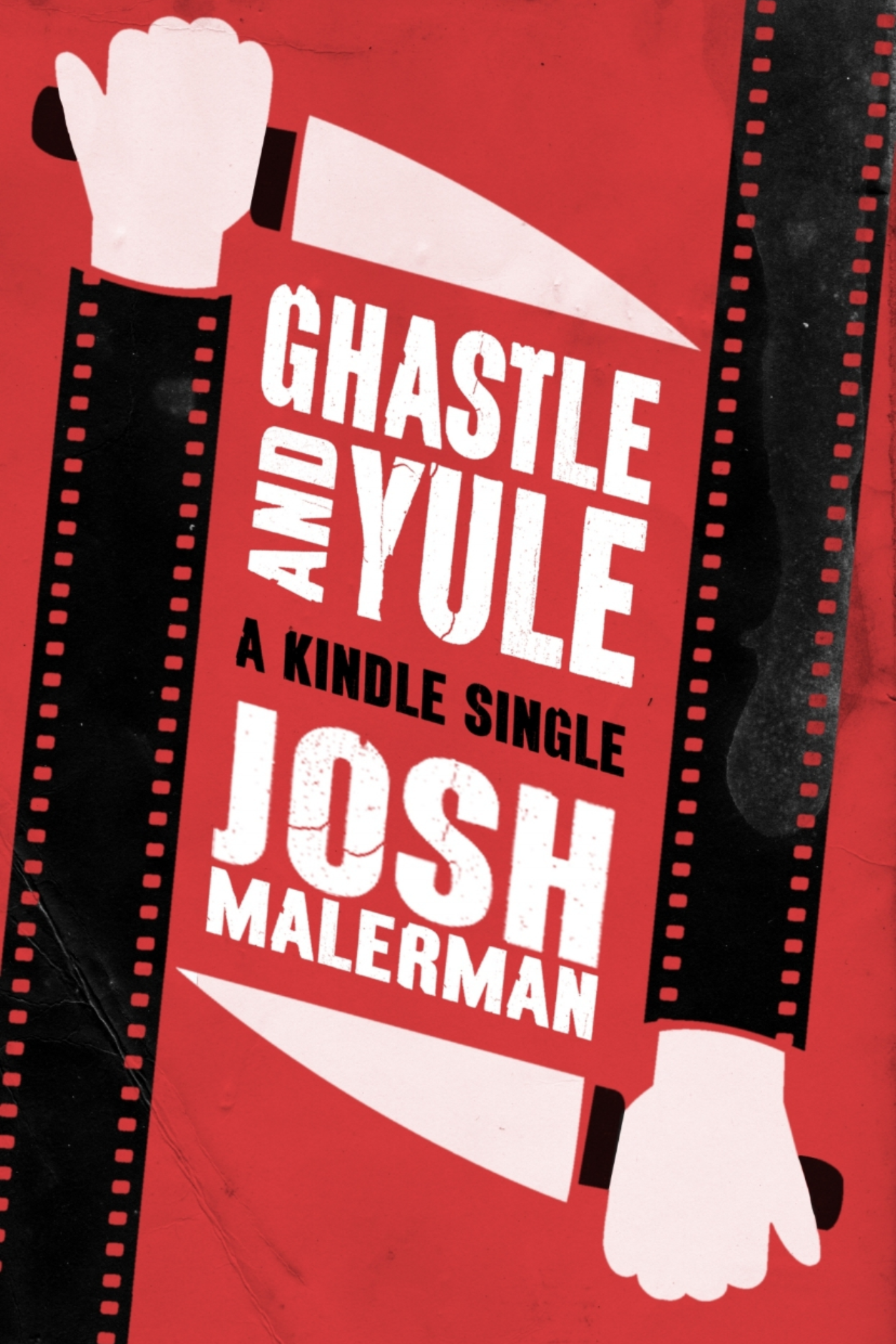
“Ghastle and Yule” by Josh Malerman. Despite its name, this was not a creepy Christmas story as I originally expected. Instead, it’s a tale about two rival horror filmmakers and their obsessions with both their craft and with one another. I enjoyed it a lot. The writing does leave a lot to be desired, at times—there’s more than a fair share of clunky, awkwardly phrased sentences—but the story itself is fascinating enough that I can easily forgive those shortcomings. I’ve always loved stories about film productions, particularly of the Old Hollywood and Mid-Century eras. This skews heavily towards the latter half of the fifties and early sixties, but it hit all the right notes for me. I was particularly impressed with Malerman’s world-building, which is so thorough and convincing that I found myself Googling the names of the characters and some of the film titles to see if they were real. Intriguing, morbid, and a lot of fun.

“The Ultimate Halloween Party App” by Lisa Morton. This one has a great and pretty terrifying premise, but it ultimately didn’t do much for me. The world-building felt cobbled together from interesting but half-formed ideas that never really meshed well. The ending, in particular, felt like a huge non-sequitur—as if the author got bored with her own story. Very baffling. Read from The Mammoth Book of Halloween Stories.

And finally, one book I did not do an individual review for, because I’ve written about it more than enough times

Pumpkinheads by Rainbow Rowell, Faith Erin Hicks. A seasonal staple, obviously. I used to pick this one up at the very beginning of October but have since realized that it’s actually the perfect transitional read, being set on the last day of the month and all about endings and new beginnings. It literally concludes with the characters talking about taking up seasonal jobs during the holidays. Which brings me, once again, to ask Rowell and Hicks for a Christmas sequel to this beautiful book. Please. I beg. I implore.

And that’s another Hallowe’en season come and gone. I hope you all had a good one. I did, despite feeling at times as if I was forcing it a bit too much. (Really, is there anything more horrific than Life getting in the way of your enjoyment of frivolous things? I submit that there is not.) But in the end, I watched some fun movies, read some damn fine stories—even wrote one of my own—and I can’t ask for anything more than that.

THE BLACK SLIDE by J.W. Ocker

No one in Griffin Birch’s class could say when the Black Slide showed up on their playground. One day, it was just there, replacing the old one.

Griffin couldn’t tell you why the Black Slide makes him feel so uneasy, either. Maybe it’s the way it always seems to be the same size, no matter how close or how far you are from it. Perhaps it’s  the way it looms over everything else in the playground, like a predator, patiently awaiting its prey. In either case, he doesn’t want to get near the thing.

But the promise of reprieve from constant bullying compels him to go down it one day. The slide seems interminable, with Griffin seeing things inside the darkness of the duct that shouldn’t be possible. After what feels like an eternity, Griffin comes out of the slide with a broken arm and fear deep inside his bones.

Shortly after, students start to disappear. Griffin sees them from his classroom window, walking up to the Black Slide as if in a daze. They climb up its chrome stairs, enter its obsidian cylinder, and they don’t come out. Weirder still, none of the adults around him seem to notice the missing children. 

And it’s only when his best friend Laila is one of those who disappears down the Black Slide that Griffin gathers up the courage to follow. 

What they find on the other end of the slide is a world of pain, inhabited by creatures that revel in it and are all too eager to share their suffering.

🎃

As I was updating my Goodreads profile soon after finishing J.W. Ocker’s The Black Slide, I stumbled upon a comment from the author himself, mentioning how he wanted to push the boundaries of middle grade horror with this novel. Mission certainly accomplished, because this goes places that even I, a huge advocate for children’s horror being no less horrifying than adult horror, was taken aback at times. “Hellraiser for kids” is an apt description indeed, but while that series is more interested in the physical, visceral aspects of horror, Ocker wisely focuses more on the psychological side of things. His characters still go through physiological trauma, to be sure, but the descriptions deal with how their ordeals feel instead of anything that’s overly explicit, which is much more affecting in the long run. Our morbid, reptilian brain can—and will—fill out the rest. 

But it’s a testament to Ocker’s writing that, in a story full of endless torment, the real horror does not come from the creatures whose existence revolves around the torture of children, but from the wanton, casual cruelty that people can—and so often do— inflict on one another. There’s a particular scene here involving Griffin’s estranged, abusive father that’s more shocking and terrifying than anything Ocker’s scaled-down Cenobites could ever conjure up.

Despite a second act that feels somewhat slow and repetitive, I loved pretty much everything about The Black Slide: from its captivating characters to its brilliant and nightmarish world-building (which at times reminded me so much of my own nightmares that I would actually physically recoil), to its themes. This is a story about friendship and resilience. It’s also a story about pain. And while there are countless children’s stories that deal with hardship, I’m hard-pressed to think of many that contend with just how often pain can—for better or worse—play a significant part in personal growth. This is a middle grade novel that faces that notion head-on, and as such isn’t afraid to explore some dark, disturbing places. Ocker navigates these gloomy spaces with tremendous nuance and compassion, all the while respecting his intended audience enough to never be coddling or condescending. Important and necessary.

THE SMASHED MAN OF DREAD END by J.W. Ocker

the smashed man of dread end by j.w. ocker

Somewhere far beyond the galaxies you know, there is a crack in the wall of reality. Within, far past the realms of time and space, Things lie in wait. They have been waiting for a long time. 

The crack is expanding. It is not yet large enough for the Things to pass through, but, by focusing their will, they are still able to send through some small portion of their power. A force sent to aid those who would pave the way for their release.

It is happening already. Something like a dark sludge begins to ooze slowly out of the crack. Once out, it will make its way towards our world, where it will finally take shape. The advance guard from the Void.

The Things in the Dark Beyond wait, patiently. They have been waiting for a long time. Somewhere deep inside, they begin to feel a terrible hope.

Calcifer is awoken from his slumber by a tapping noise. From his vantage point high up on top of the bookcases, he notes that he is alone in the study, and wonders vaguely where Osseous could be. He looks around, trying to find the source of the sound. The crow looks towards the window on the far right side of the room, expecting to see a branch from one of the neighboring trees scratching at the glass. Instead, Calcifer sees a face. It is split in a ghastly grin, full of sharp, pointed teeth. Its eyes are huge and set far apart, glowing crimson in the darkness. Around its mouth and eyes are red markings, haphazardly drawn, looking all the world like a macabre impression of a clown.

“Uh,” the crow says.

Tap tap tap.

It taps against the glass with elongated fingers that end in sharp, cracked fingernails. The figure is so large that it has to bend itself to look through the window. It waves at Calcifer when it realizes it’s finally been noticed. Its appalling grin grows wider.

“Y’all,” the crow croaks. “Oz! Guy!” He recalls Osseous’ affirmation of there being some sort of protection around the house, but still — the crow flaps his wings and readies to take flight.

The figure at the window stops waving at him and starts pointing with eagerness. It gestures at some point beyond the opened sliding doors of the study. Towards the stairs, Calcifer guesses. An assumption soon confirmed when the man suddenly comes flying down them.

The man crashes into the bookcases in the study, books cascading from the shelves, falling on top of him and scattering to the floor. Calcifer flies quickly down to his side. The man is bruised, but breathing.

“You’re okay!” the crow says. “What’s happened‽” Looking up, he notices that the figure is no longer at the window.

The man sits up, holding his sides. “They got in,” he says, through groans. “They got in through gaps in the windows.”

Before Calcifer can ask for elaboration, something comes down the stairs. At first, he can’t understand what he sees: a tall, gaunt figure, looking very much like the one outside the window, but this one’s eyes blaze violet. It is also, the crow observes with added confusion, entirely flattened. It makes its way down the stairs in an undulating gait that would be funny if it wasn’t such a surreal sight. It is being followed by two other such creatures.

“They changed shapes to get in,” the man says, chuckling. “Clever little demon things.”

Calcifer turns towards the man, whose eyes look blurry and unfocused. “Okay, so it’s time to get up,” he says. “Time to fight? I dunno.”

The man flashes him a weary smile. “That’s not my persuasion, little bird. I’m no Fighter. I’m a Reader.”

“Okay,” says the crow. “Okay, but unless you mean to throw some books at them, I don’t think reading them a story is the answer.” The figures were walking slowly, as if they were still getting used to their new, awkward forms. Their perpetual grins, however, made them seem like they knew they had all the time in the world. 

“Salwaystheanswer,” the man says.

“What?” 

“Reading at them. It’s what I’m supposed to do. That’s my role. My function.” The man gets up, still looking very much dazed. “Wheresmbook?”

What?

“I had a book. With me. I was Reading. Must have dropped it when I was dropped. Help me find it.”

The man gets up and, preposterously, begins to look around the mess of fallen books around him, as if otherworldly beings weren’t making their way towards them at the moment.

Fine,” Calcifer says, exasperated, and begins to help the ridiculous man, who probably has a concussion and is going to die, look for his book.

Things happen quickly. 

Calcifer spots the man’s book with little difficulty. He has no time to wonder how he knew which one it was, despite having never seen it at all. He flies over, pointing it out for the man. 

At the same time, the flat, stumbling creatures get a sudden burst of energy. They fly down the stairs, flattened limbs flapping wildly, and lurch into the study. 

The man picks up the book just as a ragged hand reaches over to him. A hand which Calcifer begins to tear into with his talons. 

Another hand smacks the crow away, sending him crashing into a bookcase in an explosion of feathers and dust.

Calcifer falls to the ground. As his vision begins to blur, he barely sees Osseous as they come into the room, skeletal limbs raised. As the crumbled bookcases right themselves and rush towards the creatures. As the fallen books fly up into the air, forming a wall that starts to push back. As the man kneels beside the librarian, opens his books, and begins to read. As the flat creatures — the man’s book has the word “smashed” in the title, and Calcifer, light-headed, thinks it perfectly describes these weird things — burst through the wall of books and shelves. 

As amber beams pour out of Osseous’s orbits. As Keeper, limbs raised, rises up into the air, their terrible blazing light shining directly on the invaders, causing them to cower and convulse before finally crumbling into clouds of cinder and ash. 

Calcifer witnesses all of this happen in a bewildered haze, and then he blacks out.

Later, when Calcifer wakes up, he finds the man sitting beside him, looking, annoyingly, none worse for wear.

“Hello, little bird,” he says. 

“You know, I don’t like that nickname, either. Think it’s condescending.” 

The man shrugs.

“What happened?” asks the crow, wincing. One of his wings is bent slightly — not broken, miraculously, but tender. “Are those things gone?” 

“They’ve gone,” replies Osseous. They walk into the study carrying a tray with a bowl of soup, which they put in front of Calcifer. The crow is resting on the librarian’s armchair, against a cushion. He dives into the bowl.

“How, though?” the crow asks between mouthfuls. “What was it that you did?”

“I kept them away,” they say, simply. “It’s part of my duties as Keeper.”

“And I read to them a bit,” the man says with a mischievous grin. “It’s part of my duties as—”

“Shut up,” says the crow, grimacing. He feels the mother of all headaches coming on. “You two are just full of surprises, huh?”

“You’re one to talk,” the man says. “The way you helped save my hide back there. Finding the book that quickly. Keeping them busy by having them smack you instead of me.”

“Oh yes, my absolute damn pleasure,” Calcifer says, not even trying to hide the sarcasm.

“No, really,” says the man. “That was good. You did good. Thank you.”

“Don’t mention it,” says the crow, meaning it. He wants to do nothing but sleep away his aches and pains.

“You were right, though,” the man says, addressing Osseous. “He has the true makings of a Seeker.” The librarian nods at this.

Calcifer feels another set of questions coming on, but he stamps them back down, opting for sleep instead. “So I guess we should get some rest before the next batch of things comes by to visit or whatever,” he says.

“Oh, no, I believe stronger safeguards are in order,” says Osseous. “And, perhaps, some lighter reading fare?” This last directed at the man.

The man shrugs again. “Gotta fight fire with fire, Oz.”

“I’ll get to work,” Osseous says. They pick up the now empty bowl. “You rest, friend Calcifer. Seek out pleasant dreams to replace this brief nightmare.”

“Yeah, yeah, yeah,” Calcifer says, already drifting off. The crow’s head swims with questions and doubts and recollections, but he doesn’t dream at all.

🎃

The Smashed Man of Dread End by J.W. Ocker may be middle grade horror fiction, but it is, without a doubt, the most unsettling book I’ve read so far this Hallowe’en season. Brimming with chilling, frightful imagery, this novel is decidedly not afraid to go dark. And with it, Ocker joins the ranks of personal favorite authors like Katherine Arden and Neil Gaiman as an excellent purveyor of children’s horror.

The smashed star of the show itself will go down as one of the creepiest monsters I’ve ever come across, in terms of presence and demeanor. Many of the scenes involving the Smashed Man were simply full of dread and suspense — the tension so palpable you could almost cut it with a knife. One of Ocker’s intentions was to create a monster who would, in his own words, “be welcomed at Bobby Pickett’s ‘Monster Mash.’” I think he succeeded. All the great monsters come with their own set of rules, after all. What they can and cannot do. The Smashed Man is no different, and many of the story’s most interesting sequences had to do with the characters trying to find out what those rules were. 

The characters were notably strong here, too. They felt more real and less stylized than the standard fare in a lot of children’s horror. Presumably because Ocker based the main siblings on two of his own daughters. Protagonist Noe in particular was smart and clever without ever veering into precocious, nettlesome territory. Len acted exactly like a toddler, with all the delight and frustration that entails. But I was even more impressed with the rest of the Dread Enders — Crystal, Radiah, and Ruthy — who were portrayed, not as capricious side-characters, always ready with a quip and a wry remark, but as thoroughly terrified, traumatized children. Which is, of course, exactly what they were. Drollery is often so much easier and safer to write than depth, so I appreciate the restraint Ocker showed with the depiction of these characters.

An excellent story for the spooky season.

A SEASON WITH THE WITCH by J.W. Ocker

blog - a season with the witch by j.w. ockerI started J.W. Ocker’s A Season with the Witch late in September, wanting to get into the spirit of the season a little earlier this year. I finished it on a gray, gusty evening a couple of days into October, and honestly I couldn’t have asked for a better atmosphere (marred slightly by the fact that I was getting over a cold). It really is the perfect read to set the stage for Hallowe’en — Ocker’s enthusiasm for the holiday is infectious, and you can’t help but be swept up by the magical pandemonium he chronicles in this spookiest of travelogues. 

🎃

This is a book about Salem, naturally. About the charm and chaos and contradictions that constitute the Witch City. To write it, Ocker and his family spent an entire October experiencing the haunted holiday along with Salem and its other guests. It’s an excellent, enviable premise, and Ocker makes the most of it, venturing out into the hustle and bustle of the crowded streets of downtown Salem during the days before retreating back to a rented house or, more often than not, a themed restaurant or bar (wherein he would imbibe colorfully-named concoctions like “Candy Corntini” and “Satan’s Cider”) in the evenings to collect and record his thoughts. The result is a loving nocturne to both a city and the holiday that, for better or for worse, it has come to embody.

The book is as much a history primer as it is a travel guide, with the first handful of chapters dedicated to Salem in the Puritan era — particularly focusing, of course, on the infamous Witch Trials. Specifically Ocker tries to figure out just why an event that was, in comparison to other similar inquisitions of the time, relatively inconsequential, and that most of which didn’t even happen in Salem proper but rather in the surrounding vicinities, came to shape the identity and soul of a single place so thoroughly — not to mention latch itself so fervently to our collective unconscious that the mere appearance of the word “witch” makes one think of Salem. It’s as close to a central theme as this book has, and Ocker tries to offer up different conclusions by interviewing, through the lens of this thesis, several individuals with varying ties to the city. We never really get a definitive answer, though, but the point is that maybe there isn’t one. Cities are made of inconsistencies and complexities as much as they are made of brick and mortar.

It’s a duality and discrepancy those who hold up Salem as a haven for Hallowe’en have to contend with, and which constitutes one of my favorite aspects of the book. A real tragedy happened there, minor or not, and viewpoints differ as to whether adding a weighty layer of morbid celebration counts as disgrace, or if it’s yet another example of human resilience against adversity. Of people, as Stephen King once wrote, dancing in defiance of the dark. Ocker favors the latter:

Everything in the entire world is founded on tragedy. Our country, every country. There’s not a society on the planet that doesn’t have ancient tragedies clawing at its back. The past is a giant corpse. But life isn’t a perpetual state of regret and mourning over those tragedies, it’s taking those tragedies, giving them their due in proportion, learning from them (or not), working to prevent them from happening again (or not), and then we all party because we only have so many holidays in our lives.

A bit irreverent, to be sure, but I stand with Ocker (and King) on this one.

In truth, history is what makes up the bulk of Season, and if there’s one gripe with the book is that at times it seems like too much History and not enough Hallowe’en. Which is funny, because we do actually get quite a bit Hallowe’en. Ocker guides us through the myriad of eerie events, creepy celebrations, and dreadful destinations Salem offers not only during the month of October, but often year-round as well. Everything seems joyous and hokey in equal measure, and it is written in such a fond, earnest manner that it led to the Witch City becoming a personal de rigueur destination. There’s a hell of a lot of Hallowe’en in here. But you still end up expecting more, especially based on the promise of the cover. It’s just as well, though. Hallowe’en always feels like too much and also somehow never enough. It’s part of the ephemeral nature of the holiday.

“You can’t fit a city into a book,” Ocker writes in the epilogue. Which is true: cities are unwieldy by nature, and too full of people (beautiful, frustrating, obfuscating people) to be entirely understood. But you can capture a certain feeling, a certain sense of a season. Ocker let us know back in the introduction: Salem is weird. Salem is absurd. Salem is magic. If the intention was to show us just how weird and absurd and magical the Witch City could get, then A Season with the Witch most definitely met its goal.