YEAR IN REVIEW ○ 2025

At the risk of sounding like a broken record, 2025 was, for the most part, a dark and dismal time. I realize I’ve said essentially the same thing for the last handful of years, but it’s starting to feel as if life is going, “Oh, I’m sorry—you thought that was bad? Hang on a second,” before proceeding to pile it on. It’s exhausting, frankly. I am exhausted.

But that’s so often the nature of life, isn’t it? A series of painful trials that we must endure in order to reach those agonizingly brief moments of respite and grace that remind us it’s all worth weathering in the end.

It was a dark year. I suppose my reading reflected a lot of that, intentionally or not. There is a lot of darkness in these pages—but, crucially, there is a hell of a lot of light, too.

These were the brief moments of respite and grace that made up my year:
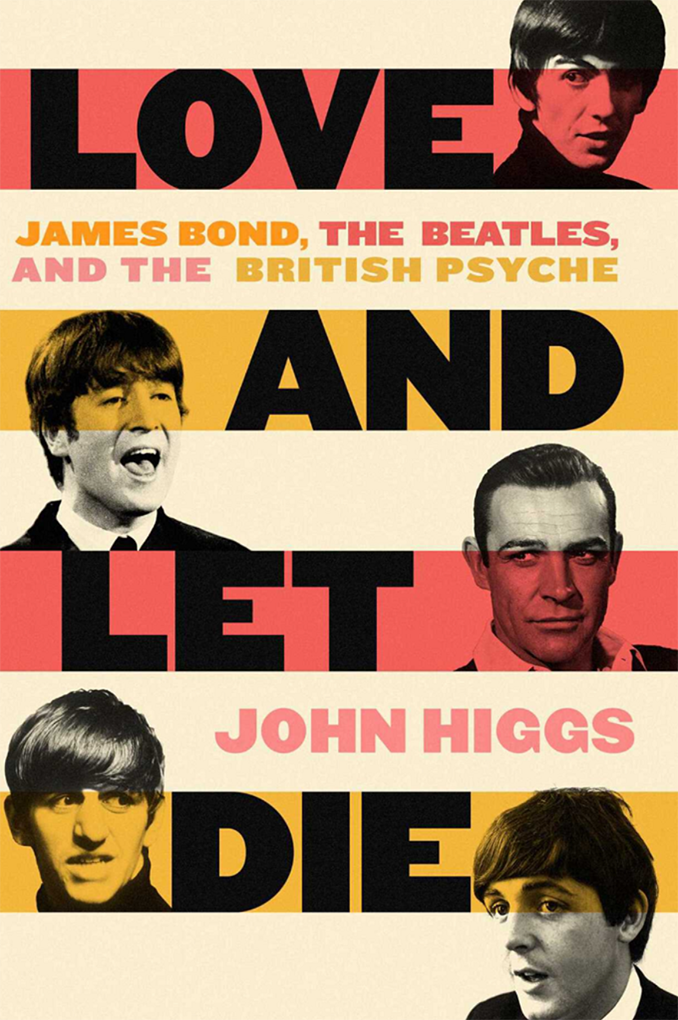
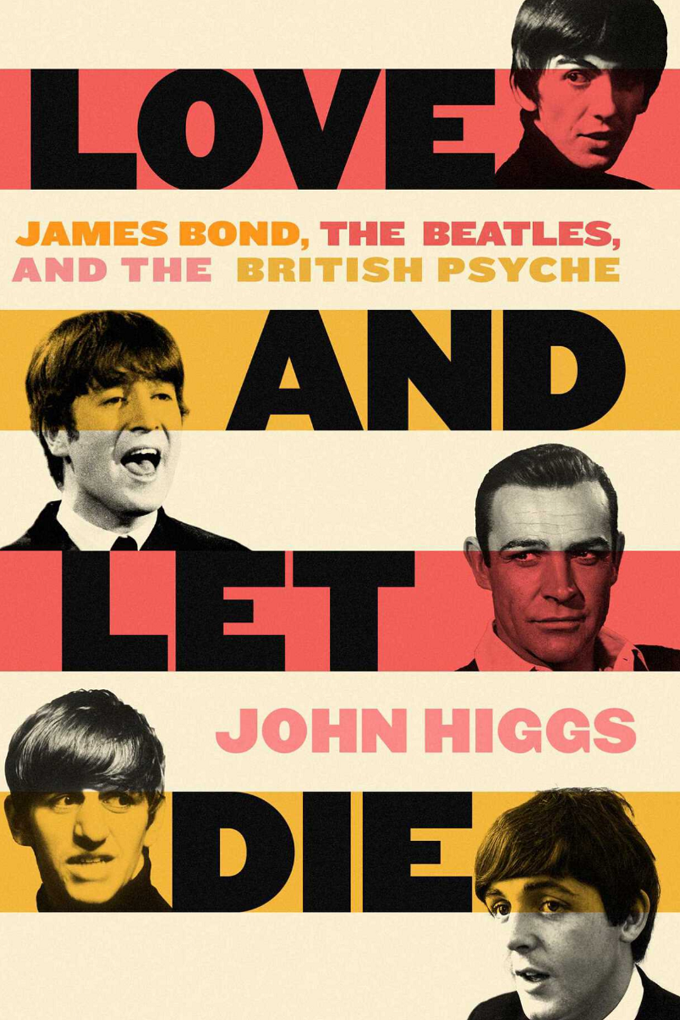
LOVE AND LET DIE: JAMES BOND, THE BEATLES, AND THE BRITISH PSYCHE by John Higgs

There’s little I love more than unconventional nonfiction books that take vastly different subjects and manage to find the myriad of ways in which they not only connect, but are, actually, pretty much inextricable from one another. This book is the perfect exemplification of that conceit, and I enjoyed every page of it.

The central thesis of this volume (Bond = Death, Beatles = Love) is absolutely delicious, which is why I all but devoured it in just a couple of days. A perfect piece of pop punditry.

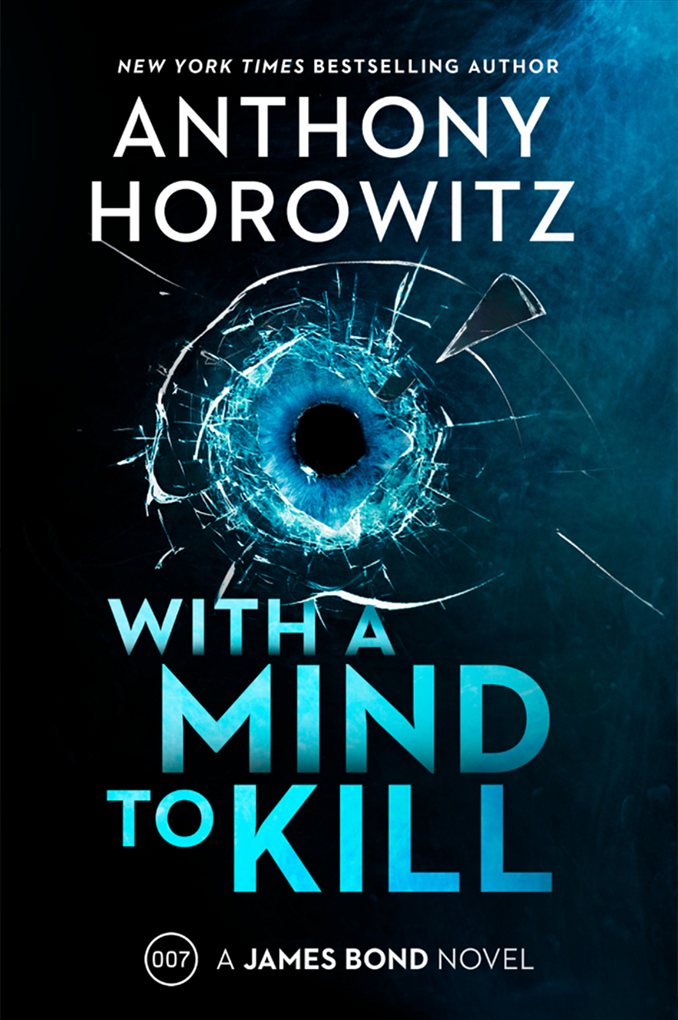
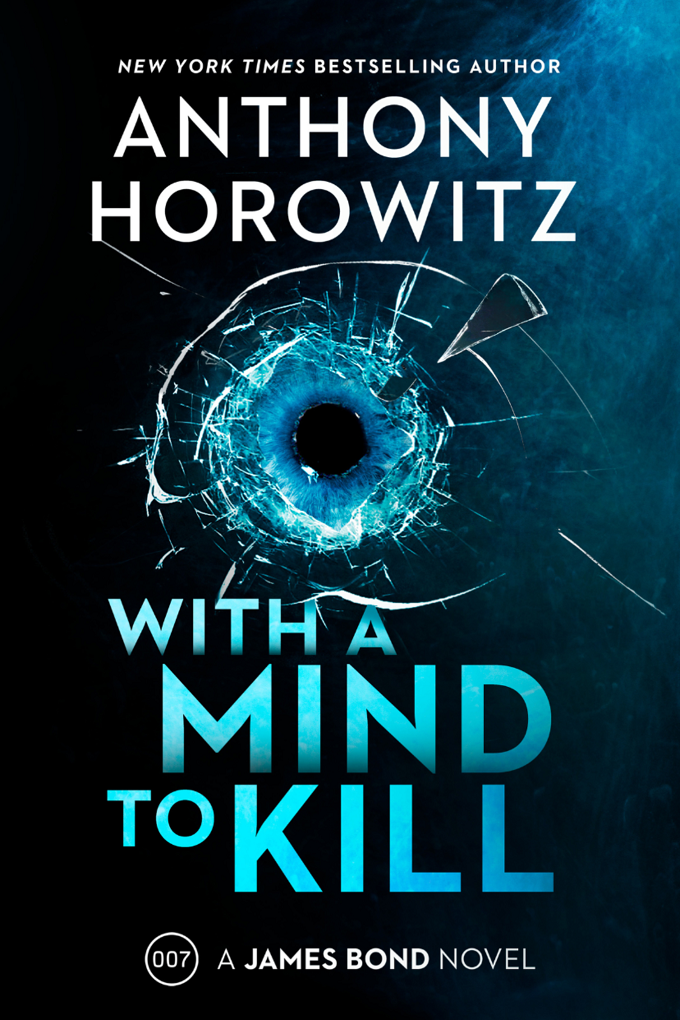
WITH A MIND TO KILL by Anthony Horowitz

Speaking of Bond, James Bond.

All due respect to Ian Fleming, but Anthony Horowitz may just be my favorite Bond writer. The man just exudes thrillers. Each of his 007 novels is better than the last, and it’s only appropriate that this, his last bow, turned out to be the most mature and layered of the lot. A magnificent end to a magnificent trilogy, and a fitting tribute to one of the most iconic characters in all of fiction.

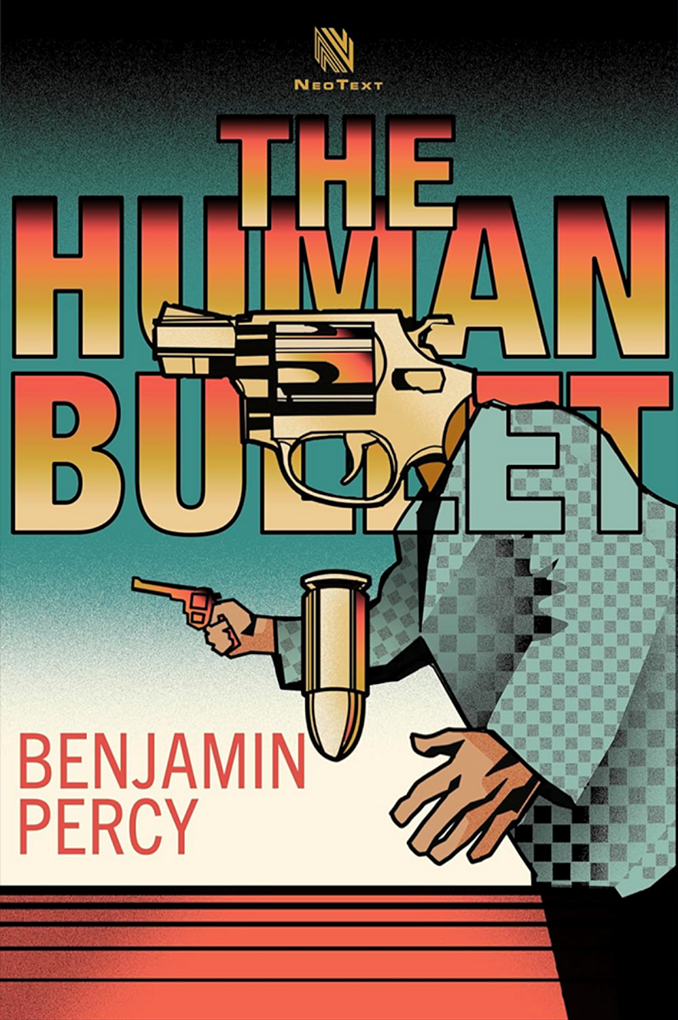
THE HUMAN BULLET by Benjamin Percy

Benjamin Percy writes pitch-perfect pulp prose in the same vein as Ian Fleming and Richard Stark and his writing is among my favorite discoveries of the year.

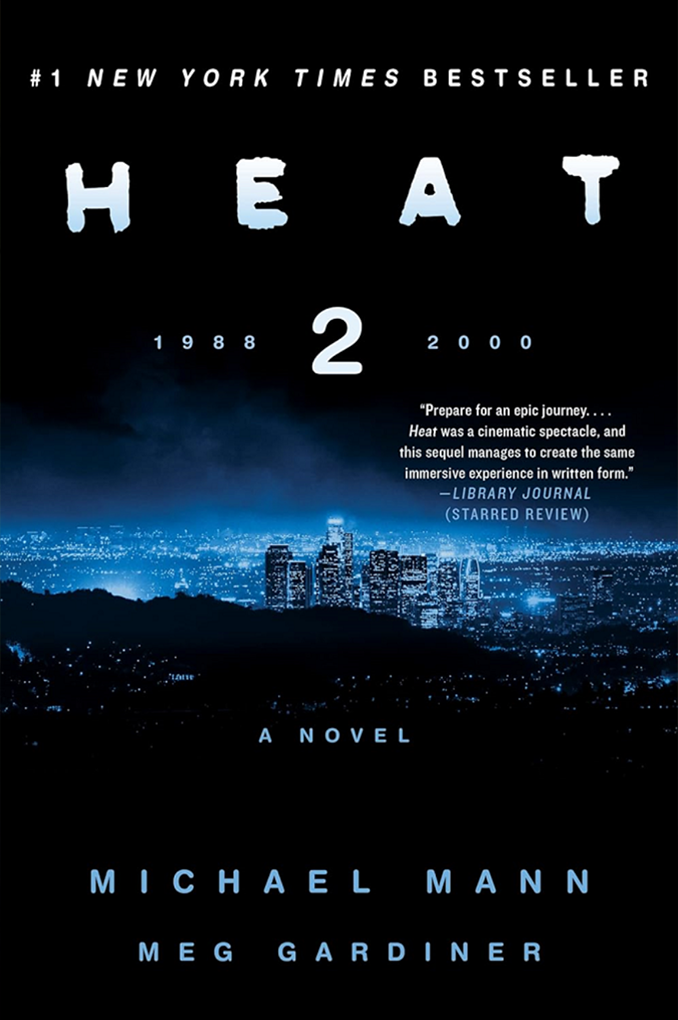
HEAT 2 by Michael Mann, Meg Gardiner

The best movie I read all year. And I mean that in the most positive way possible. This was more cinematic and more thrilling than any film I managed to see this year. The raddest of stuff.

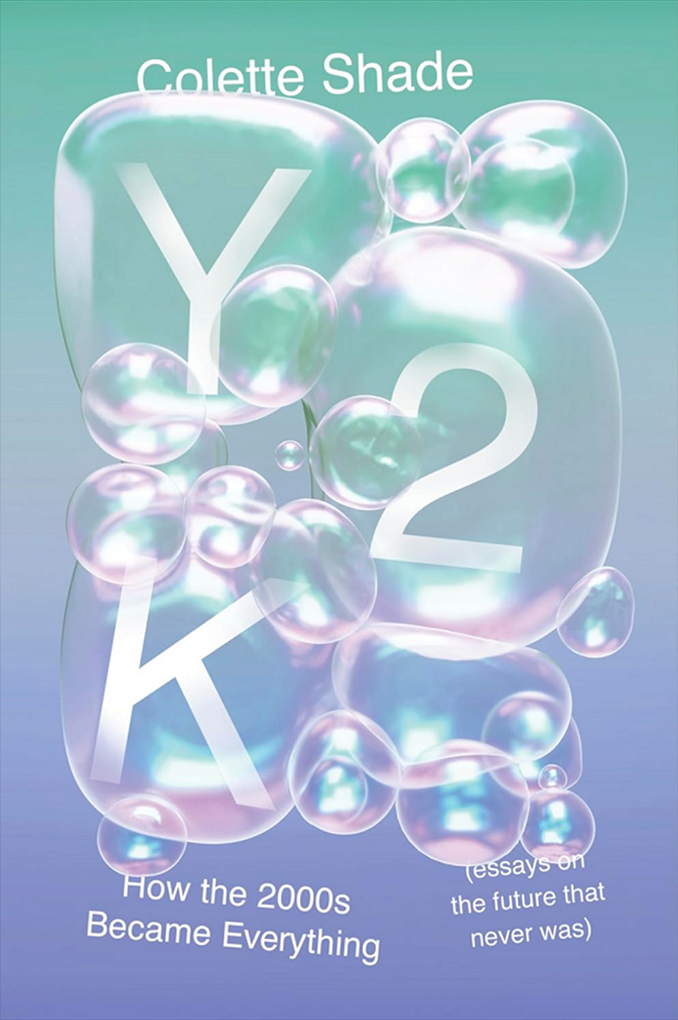
Y2K: HOW THE 2000S BECAME EVERYTHING by Colette Shade

All our shared millennial anger and resentment distilled into a short, eminently readable volume. I initially went into this for the vibes and nostalgia, but came out appreciative of its surprisingly nuanced takes on the politics of the era that, for better or worse, influenced, well, everything.

The new millennium vibes are still very much present, though. Recommend reading this while Moby’s “Porcelain” plays on a loop in the background.

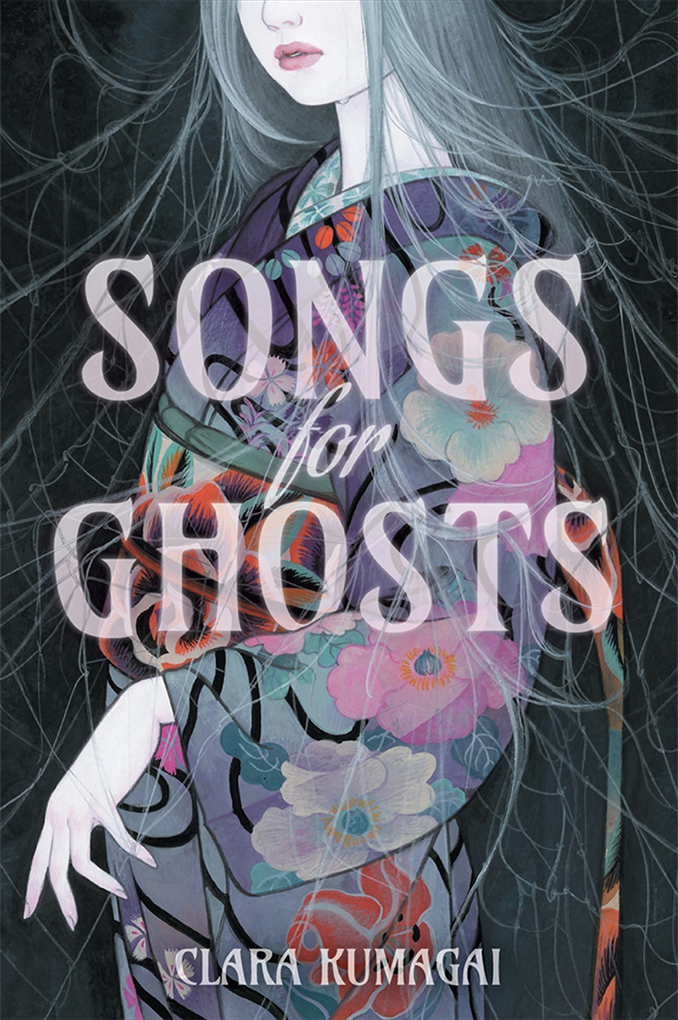
SONGS FOR GHOSTS by Clara Kumagai 

This was just straight-up gorgeous and I sobbed through pretty much the last hundred pages of it. One of my first starred reviews for Booklist.

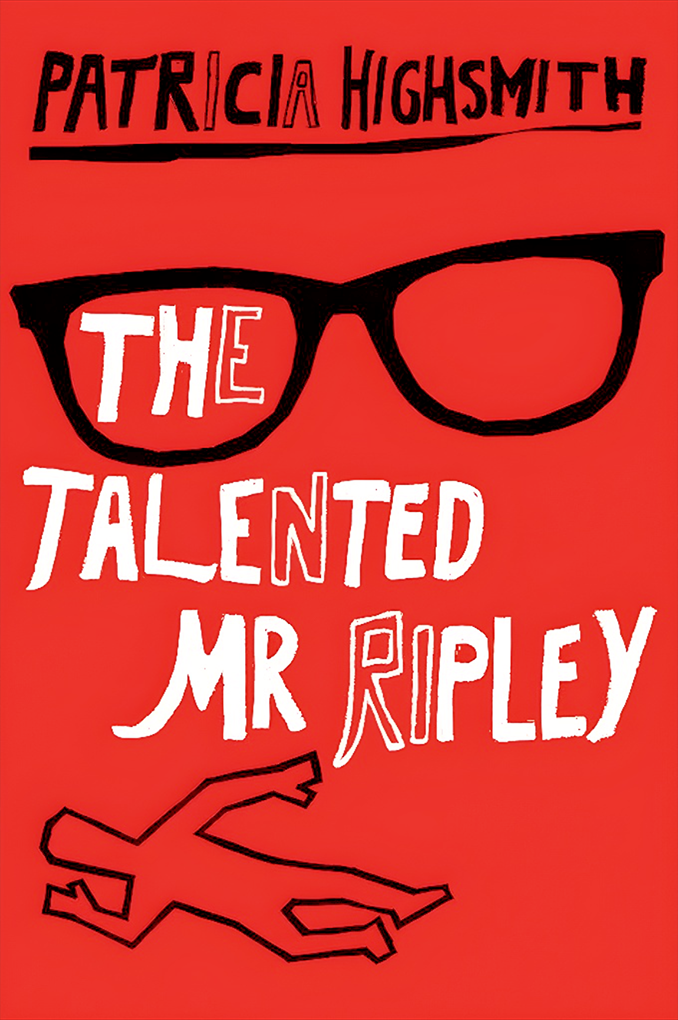
THE TALENTED MR. RIPLEY by Patricia Highsmith

Tom Ripley is a fascinating, anxious little weirdo and I absolutely loved reading about him. Honestly surprised it took me so long to finally pick this up because it was so up my alley. Highsmith’s writing is flawless and impeccable, and I can’t wait to read more of her work. Heat 2 may be the most fun thing I read all year, but this was the best.

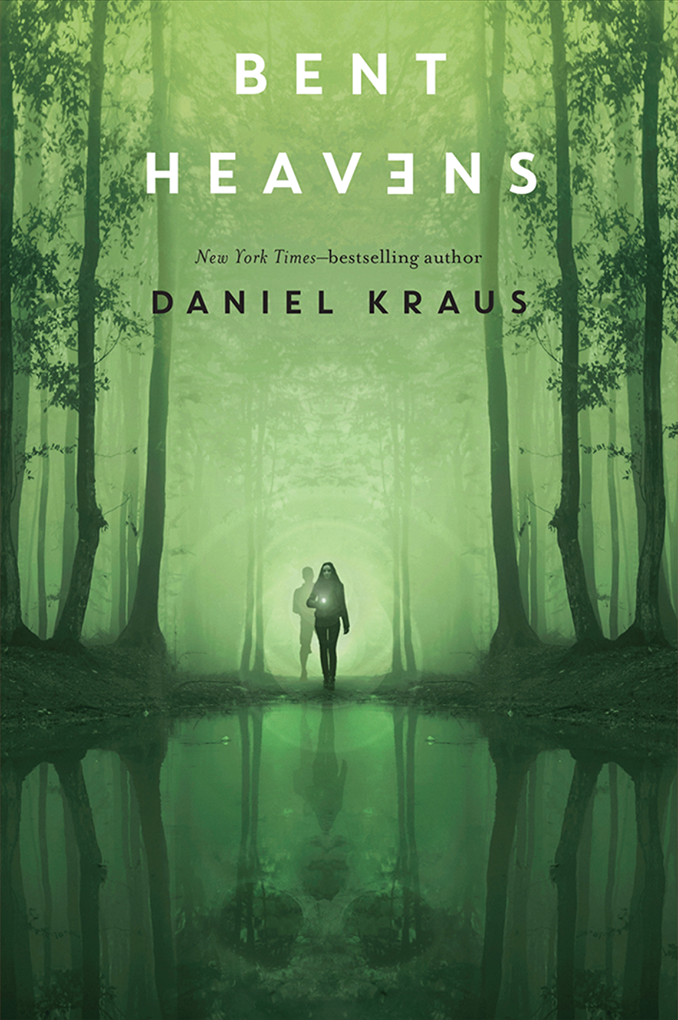
BENT HEAVENS by Daniel Kraus

A brutal, horrifying, genuinely unsettling story about the terrible lengths people will go to vilify what they don’t understand. This went nowhere I expected, and it is all the better for it. The best thing I picked up this Halloween season.

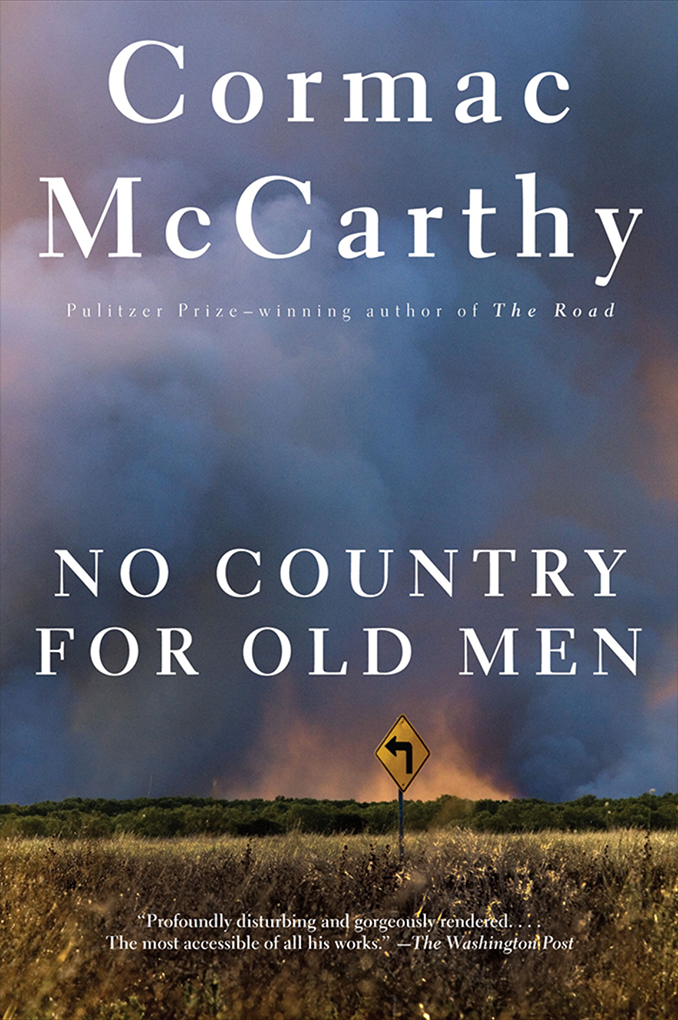
NO COUNTRY FOR OLD MEN by Cormac McCarthy

This is, of course, a famously bleak-as-hell narrative—though not without its charm. I actually found it quite funny at times. At others, profound. At others still, deeply disturbing. A very human, very haunting story. It’s haunting this human still. My first McCarthy. Probably not the last.

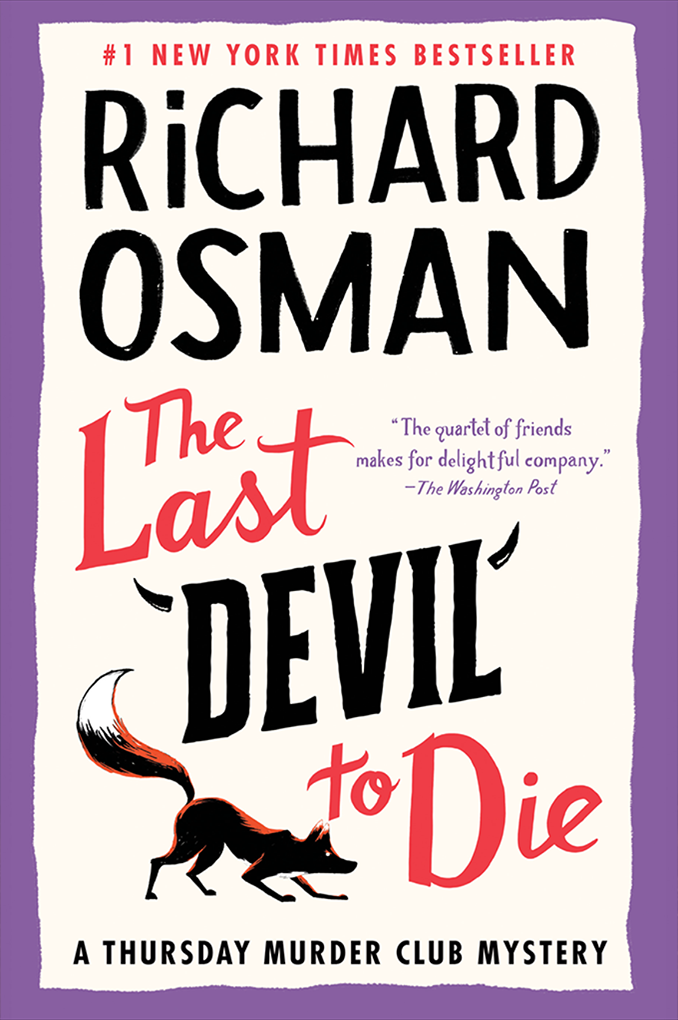
THE LAST DEVIL TO DIE by Richard Osman

Initially, I found the plot too meandering and all over the place, and it was on track to becoming my least favorite Murder Club mystery. But then we got to the halfway point—the literal heart of the story—and I could not stop bawling for the next handful of chapters, so obviously I ended up loving it.

Again, just some of the most beautiful characters I’ve ever had the pleasure of encountering. What a gift they are. What a gift they’ve been.


HONORABLE MENTIONS

BROKEN DOLLS by Ally Malinenko

Another Booklist highlight. Will always be fond of properly creepy children’s horror, particularly when it refuses to talk down to its young audience. Great stuff.

MYSTERY JAMES DIGS HER OWN GRAVE by Ally Russell

Case in point! My friend Ally remains unstoppable. I am, of course, grossly biased, but genuinely one of my favorite writers.

AMPHIGOREY ALSO by Edward Gorey

Delightful, needless to say. We adore Edward Gorey in this house. 

YOU ARE NOW OLD ENOUGH TO HEAR THIS by Aaron Starmer

Yet another Booklist highlight. Weird and wild and wonderfully old-school. I enjoyed this middle grade throwback enormously.

SNOWED IN by Catherine Walsh

I read a handful of Christmassy romance books this holiday season and this one was my favorite. My mother has her hokey Hallmark movies and I have my corny Christmas rom-com books.


Here’s hoping there’s a lot more light in the coming year. I’ll be watching for it. 

See you on the other side. 
APRIL 2025

Hello. This was April: a month of artists, assassins, and authoritarians.

“Five Views of the Planet Tartarus” by Rachael K. Jones. Simple. Effective. Brutal. Can see why this has been getting so much award buzz. 

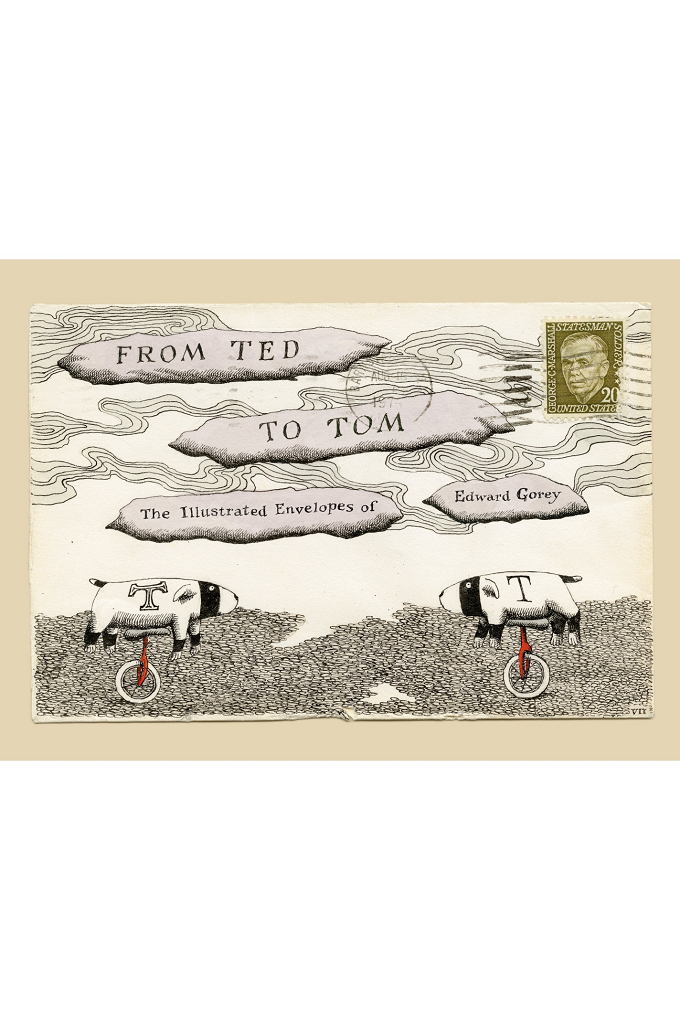
From Ted to Tom: The Illustrated Envelopes of Edward Gorey edited by Tom Fitzharris. Had this also included Mr. Fitzharris’s side of the conversation, this little volume would be as invaluable as Floating Worlds, that other gorgeous and considerably more intimate collection of letters between Gorey and fellow author Peter F. Neumeyer. Lacking the epistolary context, though, Gorey’s missives—full of cleverness and charisma though they may be—feel a bit cold and detached. (Although, to be fair, that is probably how Gorey would have liked it—the last thing the man wanted was to be scruted.) 

But this is mainly meant as a showcase for Gorey’s endlessly evocative envelope art, and in that regard, it is a resounding success. A stunning collection. 

Love and Let Die: James Bond, The Beatles, and the British Psyche by John Higgs. The central conceit of this book—Bond embodies Death; the Beatles embody Love—is absolutely delicious, and I all but devoured it in just a couple of days. Bond is what drew me to it initially, of course. While I’ve always enjoyed and appreciated the Beatles, I’ve never exactly been what you might call an active aficionado of the group. It’s definitely fair to say that I’m much more a proper Bond enthusiast overall, and Higgs’s commentary on the character—and his insights into the 007 stories—are among the finest, most perceptive I’ve come across. You can tell it comes from a place of deep fondness and appreciation, too, even when Higgs isn’t holding back on his criticism of the more objectionable elements of Fleming’s famous fictional fabrication.

Despite finding the “Bond is Death” premise evocative from the outset, I wasn’t entirely sold on it until literally the final chapter, with its discussion of the transformative nature of myths through the unlikely lens of the shamanic ritual tradition of the death and resurrection show—which is the kind of analysis you get from a book that insists on juxtaposing such incongruous legendary figures as Double-O Seven and the Fab Four. (It also, surprisingly, made me excited and hopeful for the future of the character—we tend to keep our myths around, after all.)

I wish I had more to say about the Beatles. Despite running a negligible MP3 blog in my early twenties, music commentary has never really been my forte. But the love Higgs has for the group and its individual members is palpable, and it made me revisit much of their music throughout my reading of this. It’s also simply astonishing how, for a group that’s been a fundamental component of pop culture for sixty years now, there is still so much left to discuss. Even this volume, which does not purport to be an exhaustive history of the band, offered some surprising insights and intriguing details I had never come across before. It was one of those sobering realizations: we’ll never truly comprehend just how much—and how utterly—these four lads changed the course of history.

But obviously, my favorite part of the whole thing was discovering the countless surprising ways these two icons of modern mythology intersected—and how their respective legacies continue to shape not just the culture of Britain, but that of the world. A perfect piece of pop punditry.

With a Mind to Kill by Anthony Horowitz. Horowitz may just be my favorite Bond writer—though that could simply be because he emulates Fleming’s distinct style so effortlessly and flawlessly. His 007 novels are excellent, and this is probably the most mature and well-written of the lot. I flew through this. I loved that the story was a direct continuation of The Man with the Golden Gun, which I still maintain would have been an excellent send-off for Bond had Fleming lived to do a final pass. That Horowitz expands and fleshes out that narrative here is a fine tribute—and indeed one that makes that particular novel retroactively better. 

Horowitz has a flair for character work, and, appropriately, Bond’s portrayal here is superb—positively brimming with the acedia its original author bestowed upon the character. I appreciated that his battles were as much mental as they were physical, a device that has always suited the literary Bond so much better. Katya is a fascinating love interest, and her story—true to this series—is suitably shocking and tragic. Colonel Boris could have been a real contender for most vile villain if only he had been fleshed out more. In a way, it was fitting that the horrendous things he did to Bond and others were merely hinted at, letting our morbid minds fill in the rest—but it would have benefited the story more to see some evidence of the character’s depravity, the better to truly loathe him. 

Still, a magnificent end to a magnificent trilogy.

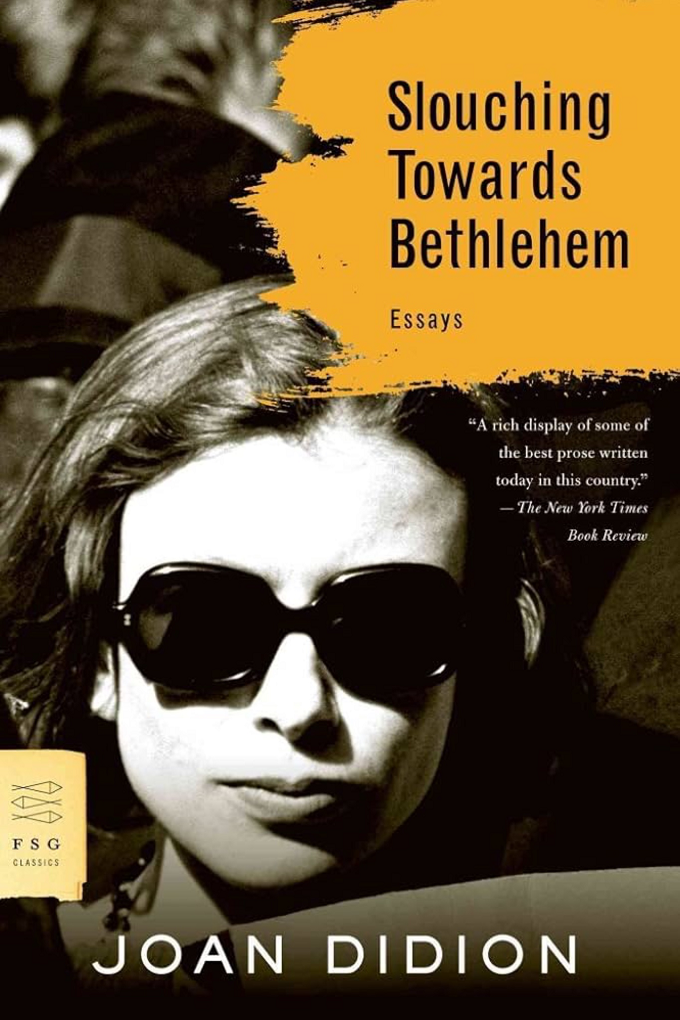
Slouching Towards Bethlehem by Joan Didion. My first Didion! Finally! It was fine!

Didion was undoubtedly a Writer, and she had a way of crafting sentences that were both beautiful and breathtaking, making her prose read almost like poetry, at times. Technical admiration aside, though, I feel like a lot of these essays didn’t do much for me, unfortunately. This collection is divided into three parts: the first is devoted to pieces about California, the Culture, and The Times; the second to personal musings—more journal entries than straight-up reportage; and the third to an assortment of abstract and introspective pieces exploring more psychological and emotional terrains, along with some additional diary-type entries.

For me, each section came with diminishing returns, with the first, “Life Styles in the Golden Land,” being the strongest. Didion’s wanderings through the rapidly changing cultural landscape of the sixties—and her insights into the whys and wherefores of the psychedelic age—were nothing short of fascinating. My favorite piece was “Some Dreamers of the Golden Dream,” mostly because it read like a particularly noir episode of Mad Men and reminded me that I should really give Double Indemnity a watch. A close second was the titular essay, of course—that powerhouse of zeitgeist writing. Brilliant, bold stuff. 

Despite some truly wonderful writing, I’m sad to say that I found most of the other essays largely forgettable—mainly because many of their subjects were figures who may have, I’m sure, loomed large at the time but have since become minor historical footnotes, their triumphs and follies virtually faded and forgotten, and not even Didion’s sparkling, novelistic prose could make them resonate for this twenty-first century reader. 

Required reading, regardless. Didion was an absolute force.

And that was April. See you next month.


BOOKS BOUGHT LOOK I WAS DOING WELL UNTIL ABOUT HALFWAY THROUGH THE MONTH BUT HONESTLY I’M CONSIDERING THAT PROGRESS:

  • Death of the Author by Nnedi Okorafor
  • Cary Grant’s Suit by Todd McEwen
  • My Life with Bob by Pamela Paul
  • The Spy Who Loved Me by Ian Fleming
  • Heat 2 by Michael Mann, Meg Gardiner
  • The Chinatown Death Cloud Peril by Paul Malmont
  • Whalefall by Daniel Kraus