SEPTEMBER 2024

Hello. Here’s what I read during the month of September. Mostly talking about short stories this time around. I did read two other novels, but I can’t write about them here just yet because of reasons. Anyway! Good reading month.

“The Counselor” by Robin Sloan. This was provocatively written, but I’m not exactly sure what it was trying to say. The premise of someone being asked if they were ready to die and replying in the negative despite considerable suffering reminded me of a scene from, of all things, Harry Potter and the Methods of Rationality, the famous (infamous?) work of fan-fiction, where Dumbledore talks with this world’s pretentious version of Harry about willingly accepting death one day. Harry argues that the premise is absurd, reasoning that if someone really wanted to live today, then they would, barring some truly terrible circumstances, also want to live tomorrow, and beyond, ad infinitum. That always stuck with me, because I happen to think similarly. Anyway, fairly sure this story is more about the ethics of using generative artificial intelligence in the medical field than it is about that, though.

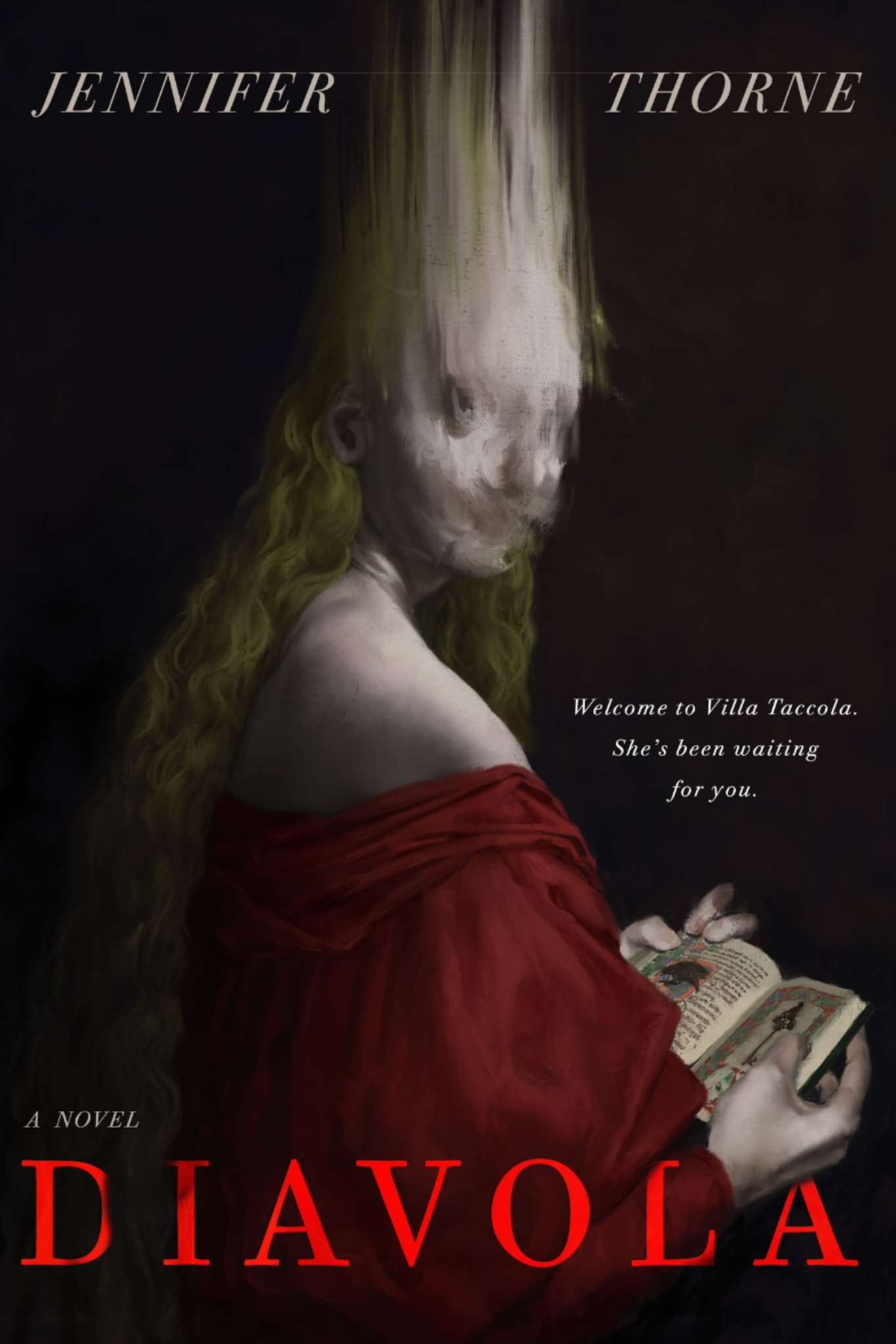
Diavola by Jennifer Thorne. Well, I loved this. So much that I’m now wishing I had saved it for the Hallowe’en season. As it is, though, this was really the perfect read for the summer-to-fall transition. This is touted as Gothic horror, which I suppose it is, but it’s the most thoroughly modern Gothic horror story I have ever read. Sounds contradictory, but author Jennifer Thorne really managed to transport that classic, old-word feel of the genre into the present day, and the result is a veritable thrill ride — in particular, that third act, which stands among the finest I’ve ever read with its relentless, brutal, and inevitably cathartic pace. Anna herself is such a refreshing protagonist, as well — smart and sardonic but never coming across as pedantic or annoying. To say that she’s one of the most relatable characters I’ve read lately feels like an obscene thing to say, given her arc here, but it is also true. But I’m glad we got such a steadfast protagonist who, from the get-go, knew what she wanted, and I’m glad we got a story that wasn’t even remotely afraid to give it to her. A damn good read. This isn’t even mentioning La Dama Bianca, who is a fantastic and terrifying secondary villain. Secondary, of course, because the real antagonist of this story is Anna’s perfectly loathsome family, whom Thorne portrays with perfect contempt.

“Judge Dee and the Executioner of Epinal” by Lavie Tidhar. The latest Judge Dee mystery. This felt… very first draft, let us say. The writing seemed very rushed and somewhat sloppy. Most of the jokes and references didn’t land at all. (There’s a Princess Bride callback that I would have normally loved, that being one my absolute favorite stories, but it just felt forced and out of place here.) Very disappointing. Definitely the weakest of these admittedly irreverent pieces of short fiction.

“It Waits in the Woods” by Josh Malerman. Part of the Creature Feature collection on Amazon. I read a couple of the other entries for the Hallowe’en season last year and they were very hit or miss for me, as these Amazon Originals tend to be. This one turned out to be very effective, though. A little meandering, particularly in the beginning, but with a great, creepy atmosphere throughout. There’s a couple of curious errors here and there, but nothing that took me out of the story.
AUGUST 2024

August was my birthday month. I reached my Memento Mori Goodreads Reading Challenge goal of 37 books just as I turned 37, which was very apt. That it also turned out to be one of the best reading months I’ve had in a while was just a nice little bonus. I got through a fair bit, so let’s dive in.

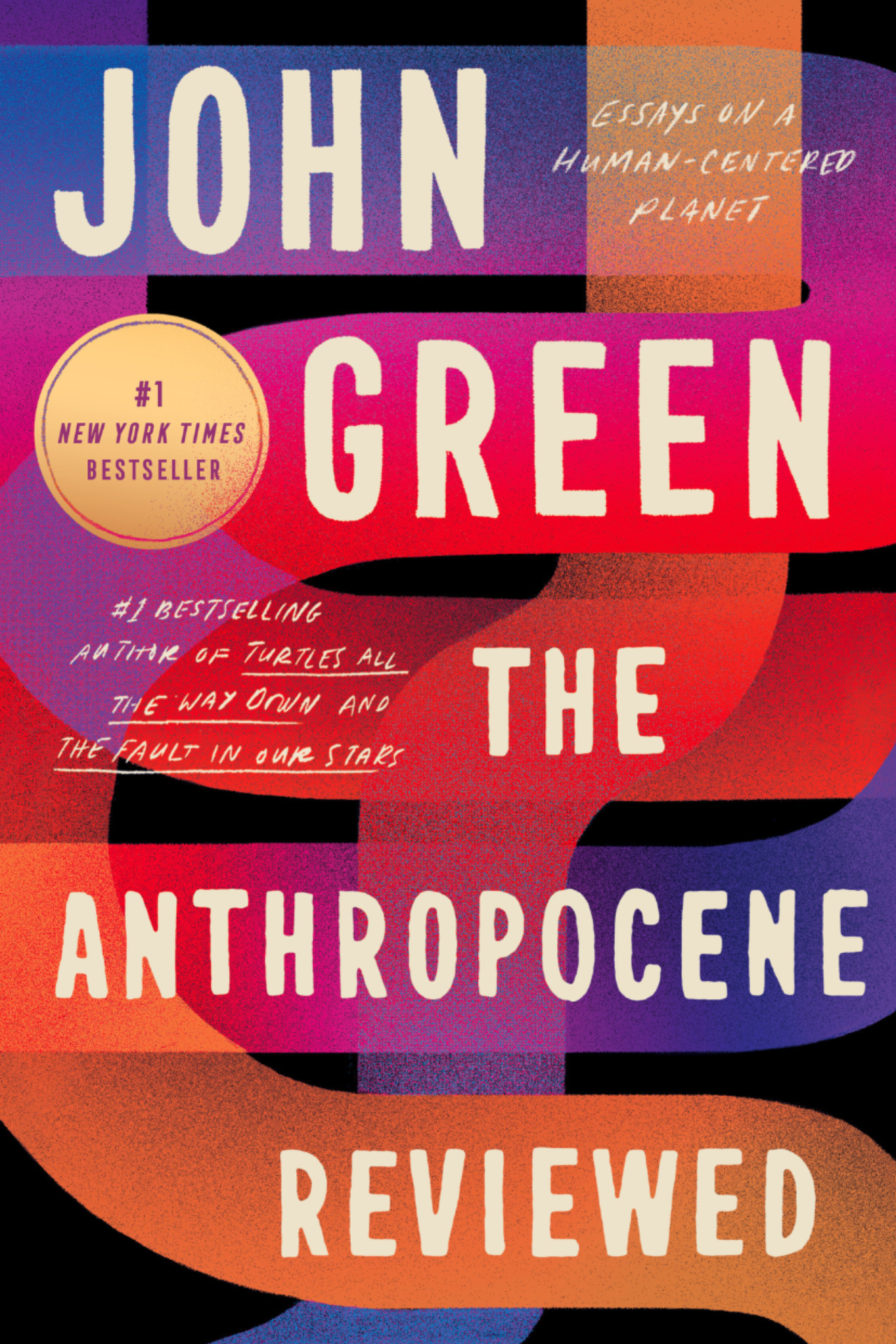
The Anthropocene Reviewed by John Green. The Green brothers have shaped and influenced my life in immeasurable ways. I love them both, but have always had a soft spot for John. Partly because, as a fellow anxious and bookish older brother who is often dealing with one existential crisis or another, I relate to him a lot. Mostly though, I’ve just always admired how he consistently chooses to tell his stories — from his books to the best of his video essays — through the fractured lenses of humanism and hope. The “Thoughts from Places” videos, which were my favorites during their Brotherhood 2.0 era, are excellent representations of John’s reflective style, and this collection of essays is essentially a continuation and expansion of that format. I took my time with this one — I started it back in January — and it’s been a delightful  companion throughout this stressful, hectic year. I give The Anthropocene Reviewed five out of five stars.

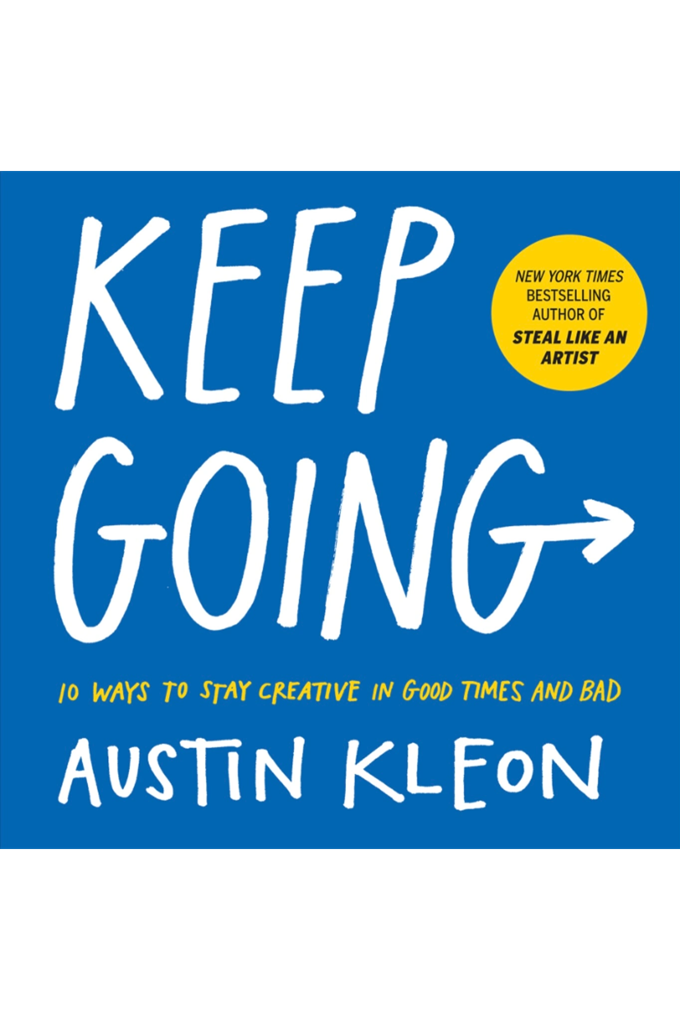
Keep Going by Austin Kleon. A re-read. I first picked this up during the pandemic, and it made that oppressive year feel a little less heavy.  This book’s focus is on the creative life, but I find that it’s infinitely more helpful to my personal life. A lovely book that I think everyone should read. Kleon, by the way, is one of the most interesting people you could ever follow online

It Came from the Trees by Ally Russell. Already wrote about this one, of course. Let’s hear it for rad friends doing rad things. 

The Good Neighbor: The Life and Work of Fred Rogers by Maxwell King. To be perfectly candid I picked this up because I was tired of reading about disappointing men. I wanted to read about someone decent, who did infinitely more good than harm, and I couldn’t think of anyone better and more appropriate than Mister Rogers. But also I just wanted to read more about this amazing man, particularly after watching A Beautiful Day in the Neighborhood at the start of the year. I didn’t grow up with Mister Rogers (to be perfectly honest, I think my younger self would have found him perfectly boring), but he’s someone who I’ve come to deeply admire the more I’ve learned about him through the years. The man was practically a saint, yes, but he was also a flawed individual who, through rigorous discipline and profound courage, tried his damnedest to be a force for good in the world. This expansive, engaging biography does an admirable job portraying this most human of humans.

I also read a bunch of short stories.

“Judge Dee and the Mystery of the Missing Manuscript” / “The Locked Coffin: A Judge Dee Mystery” by Lavie Tidhar. I really enjoy these clever, irreverent short stories. “The Mystery of the Missing Manuscript” is set in an ancient library, and Tidhar has a blast affectionately mocking obsessive bookish types. And I think “The Locked Coffin” might just be my favorite of the Judge Dee stories so far? It’s certainly the funniest — I laughed out loud multiple times. It just felt like a livelier story, with Dee himself seeming downright whimsical. Delightful stuff.

“Randomize” by Andy Weir. Super interesting premise and fun execution. Like a lot of these Kindle Single stories, though, it reads very much like the beginning of a larger, far more interesting story, rather than a thing that stands on its own.

“Emergency Skin” by N.K. Jemisin. Now this was far more like it. Much more complete and infinitely more narratively satisfying than Weir’s effort for this collection of Kindle Singles. Not necessarily the most original concept, but it was perfectly compelling and executed in an effortlessly stylish way, which goes a long way in terms of my enjoyment of a thing.

“The Penthouse” by Helen Phillips. Very effective piece of flash fiction. Enjoyed how downright sinister it felt. The closing line is a veritable banger.

“The Year Without Sunshine” / “Better Living Through Algorithms” by Naomi Kritzer. Kritzer may have turned into one of my favorite short story writers with these two offerings. Both absolutely wonderful in their own unique ways. “The Year Without Sunshine” in particular is one of those stories that fill you with hope and leave you thinking that, contrary to all current evidence, humanity’s going to be just fine, in the end. She deserves every damn Hugo she gets. 

“The Particles of Order” by Yiyun Li. Loved the atmosphere and writing here, but found the ending entirely unsatisfactory.

“A Pretty Place” by E.M. Carroll. I was looking to see if Carroll had any new work coming out. As big a fan as I am of their work, I still somehow managed to miss not only the name and pronoun change, but also this utterly unsettling and gorgeous story from last year. Obscenely good, as per usual.

“Obituary for a Quiet Life” / “The Coded Life of William Thomas Prestwood” by Jeremy B. Jones. These are narrative essays, which I never cover in these wrap-ups, but I was so struck by Jones’s writing that I had to include them. “Obituary for a Quiet Life” is a beautifully poignant piece, and “The Coded Life of William Thomas Prestwood” is just a stunning story that’s simply staggering in scope and so unlike anything I’ve read before. Wonderful, wonderful writer.

JANUARY 2024

Oh hi hello here’s what I read during the month of January.

Christmas Days by Jeanette Winterson. I observed the Twelve Days of Christmas by reading one story from this for the past, well, twelve days. It’s my first Winterson book, but it certainly won’t be the last, as I just fell absolutely head-over-heels in love with her writing. In this immaculate, gorgeous collection, Winterson runs through the gamut of the Christmas spectrum: from traditional ghost stories to whimsical fables to mawkish, sickly-sweet declarations of love — she writes it all with a poetic aplomb that I found irresistible. This extends even to her cooking instructions. In fact, a lot of the passages that affected me the most came not from the proper fictional stories themselves, but from the lengthy personal anecdotes that preceded the recipes included here (a notion that’s become something of a cultural meme, but in Winterson’s deft hands, it simply becomes another space in which to write another magical thing). Just a stunning, beautiful piece of work that I can easily see myself revisiting each year as part of my own personal Twelvetide tradition.

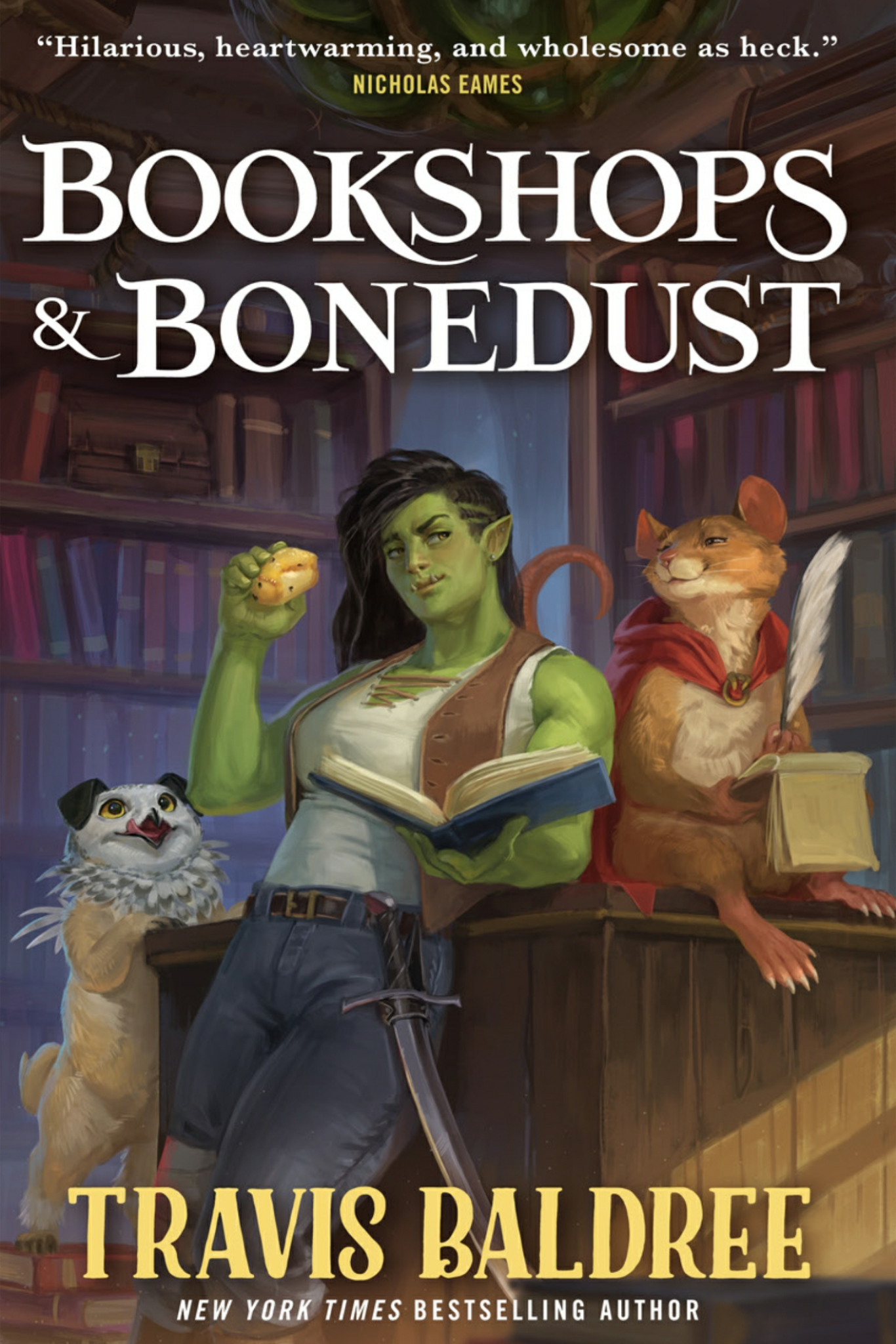
Bookshops & Bonedust by Travis Baldree. The coziest way to start the new year. Wrote about this here.

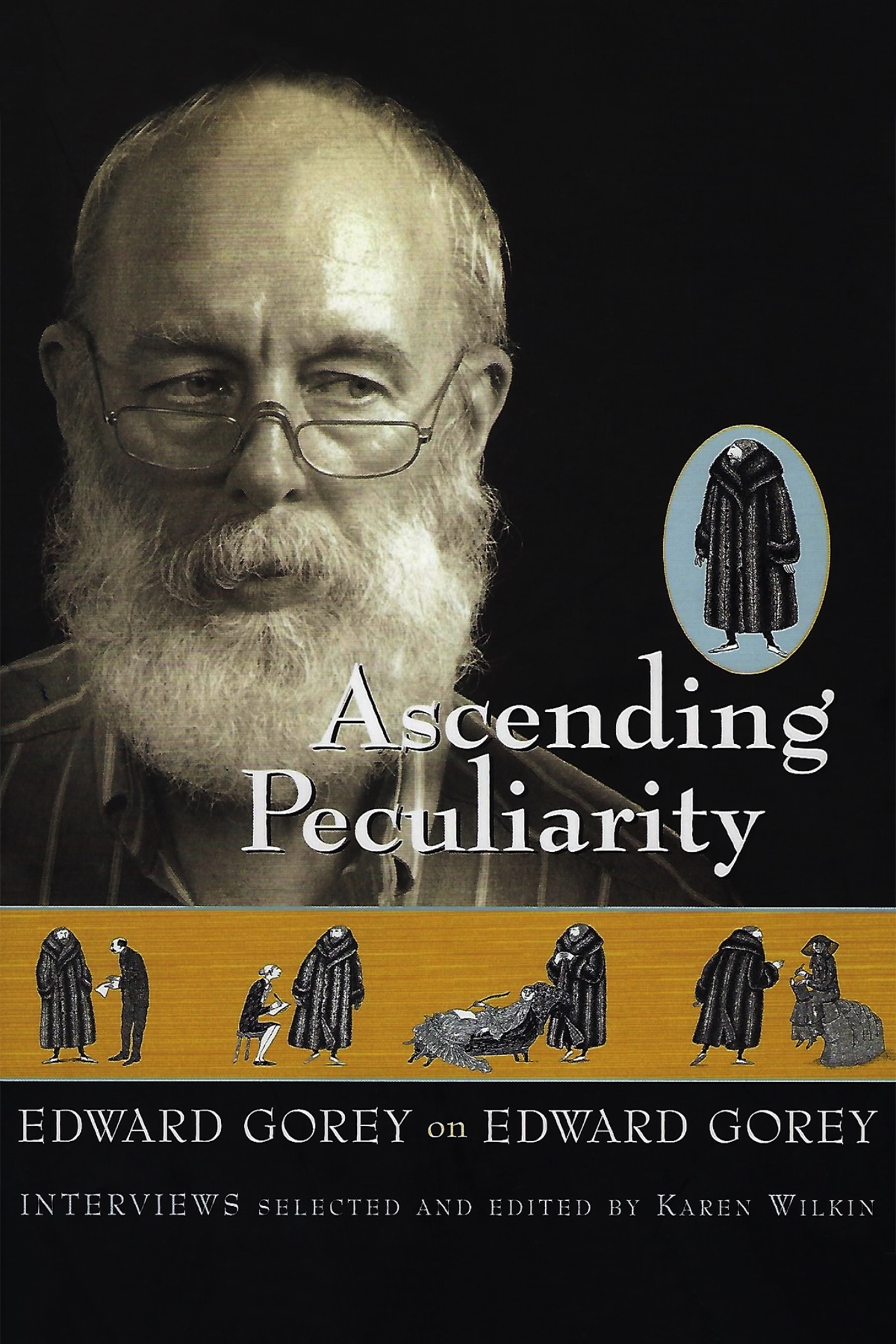
Amphigorey / Ascending Peculiarity by Edward Gorey. Gorey was a wonderful weirdo and I love him. Also wrote about this one.

Daily Rituals: How Artists Work by Mason Currey. I love reading about creative peoples’ creative habits and this was a delightful collection.

Terry Pratchett: A Life With Footnotes by Rob Wilkins. Already wrote about my experiences with this one. I miss Terry.

The Wee Free Men by Terry Pratchett. Wrote about this too. I really, really miss Terry.

My Father, the Pornographer by Chris Offutt. Heart-wrenching story about fathers and writing and obsession. One of the most fascinating memoirs I’ve ever read.

I also read some short stories:

The Beautiful People” by Robert Bloch I enjoyed mostly because at times it read like a particularly weird episode of Mad Men. An entertaining little shocker of a story, though. Nothing mind-blowing, but Bloch’s writing is effortless, making for the smoothest of reads.

“Selfies” by Lavie Tidhar had a great and creepy concept but was also entirely too short.

And that’s it. This was the best reading month I’ve had since last October. Which is surprising because January is usually a very uneven, slow period for me, characterized by reading slumps and just general exhaustion after the holiday season. But not only did I manage to read quite a bit this time around, I also ended up loving pretty much everything I picked up. It’s a nice change of pace. And a hell of a start to my reading year.

JUDGE DEE STORIES by Lavie Tidhar

I’m a big fan of Red Nose Studio. They often work with Tor Books, producing quirky little masterpieces of paper and wood and string to grace the covers of the publishing house’s offerings. But their covers for this set of vampiric murder mysteries by author Lavie Tidhar are on another level. The artwork is what initially drew me in; the murder mystery angle of the stories is what hooked me. This should surprise no one who’s followed my feed this summer. It is my current favorite genre. Vampires are my favorite monsters. It was a no brainer.

Vampires may be creatures of the night, but they also have rules — enigmatic and cryptic though they may be. Judge Dee is a vampire charged with enforcing these rules. Judge Dee does exactly what his name implies.

🎃

So I was a little disappointed to find that the mysteries were, unfortunately, mostly trivial and barely mysterious. But I very much got the sense that Tidhar wasn’t aiming to write showy whodunnits as much as he just wanted to have fun with the tropes and conventions of vampire stories — and he very clearly does. (My favorite gag: each and every single vampire prefacing the word “wine” with dramatic ellipses.) 

These stories read very much like experiments in style, eschewing the often august, Gothic sensibilities associated with the elegant ghouls in favor of clever subversions and playful, outrageous scenarios. Which is totally fine — just not exactly what I expected. 

Still, these stories are very much fun, and I particularly recommend it to fans of What We Do in the Shadows, as Jonathan, Judge Dee’s milquetoast human companion, reads like a cross between Guillermo, that show’s similarly long-suffering familiar, and Morty, the pushover from, you know, that other show. The titular character himself reads like an aloof Benedict Cumberbatch. Like I said: fun. You can read all three stories that have been released on Tor’s website. My favorite is “Judge Dee and the Poisoner of Montmartre,” mostly due to the brazen ludicrousness of its plot. (These stories have excellent grandiloquent titles, which I appreciate, naturally.) 🎃