MARCH 2025

Hello. This was March.

Mr. Penumbra’s 24-Hour Bookstore by Robin Sloan. The Great Sloan Re-Reading Spree continues! Second time reading this book, I think. Still love it, of course, but it’s probably my least favorite of his novels. Mostly because his hyper-idealized portrayal of Google always felt a little bit naive to me, even back when I first read it. And of course it can’t help but feel even more naive now, given the state of things. But that’s the progress of time for you. Sloan’s enthusiasm for technology and its infinite potential will never not be infectious, though, and his deep and abiding appreciation for traditional craftsmanship will always be aspirational.

Ajax Penumbra 1969 by Robin Sloan. Had read this one before, back when I first picked up Penumbra, but I confess that I have no real recollection of it, so this very much felt like reading it anew. I quite liked it, unsurprisingly enough. I think I enjoyed it more than the original novel, even? It had more of a swashbuckling adventure vibe that I was just really into. Also: lots of great names! Sloan is great at great names.

“Harriet Amber in the Conan Arcade” by Robin Sloan. Fairly sure no one can write chill, vibey, feel-good stories quite like Sloan. Or maybe they do, and I just don’t like ‘em as much. A sweet, droll little tale about life and how it’s never too late to change everything about it all..

“Author’s Note” by Robin Sloan. Another one of Sloan’s writing-with-large-language-models experiments—this one written with Wordcraft, Google’s AI-powered “writing assistant.” It’s successful in the sense that you can’t tell which words were written by Sloan and which ones were suggested by Wordcraft, I suppose, but fails by lacking Sloan’s usual stylistic flair and just by being an unsatisfying story overall.

I’m still deeply unconvinced by AI’s potential role in art (and even less so after Meta’s most recent fiasco), but Sloan is one of the few writers I know who is actively engaging with it—both technically and philosophically—in a way that feels prudent and circumspect. The complete opposite of what every single one of these callous, capitalistic conglomerates are currently doing, essentially.

Sloan is pretty good at this whole thinking about the internet thing, so I think his is a voice worth listening to.

“The Conspiracy Museum” by Robin Sloan. Again: Sloan is one of the most interesting and insightful writers/thinkers of the Internet Age. Had read this one before, but it apparently never registered that this was part of his burgeoning ““The Rock is President” universe because I cackled when I finally clocked it. 

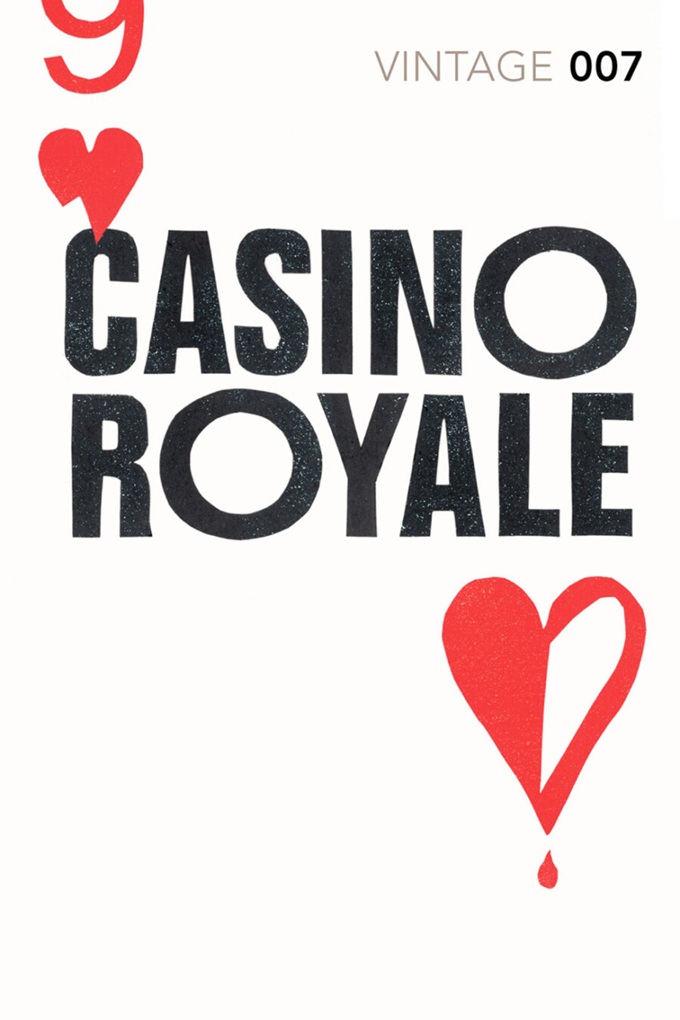
Casino Royale by Ian Fleming. Another re-read because why the hell not? A great book dripping with atmosphere and stellar writing. Fleming penned some veritable bangers here.

Mathis opened the door and stopped on the threshold.

“Surround yourself with human beings, my dear James. They are easier to fight for than principles.”

He laughed. “But don’t let me down and become human yourself. We would lose such a wonderful machine.”

I first read this one back in 2023, before I had any real appreciation for these stories and the film franchise that followed, and so my notes for it were amusingly bare bones. Apparently I thought the first half was mostly fluff? Hilarious considering my current enthusiasm for this series. Ah, the naivete of youth. 

Could this be the beginning of another Great 007 Readthrough? I doubt it! I may pick some of my favorite stories back up, though. Or maybe I’ll continue with the continuation novels? Who knows! I don’t! I just follow my capricious whims!

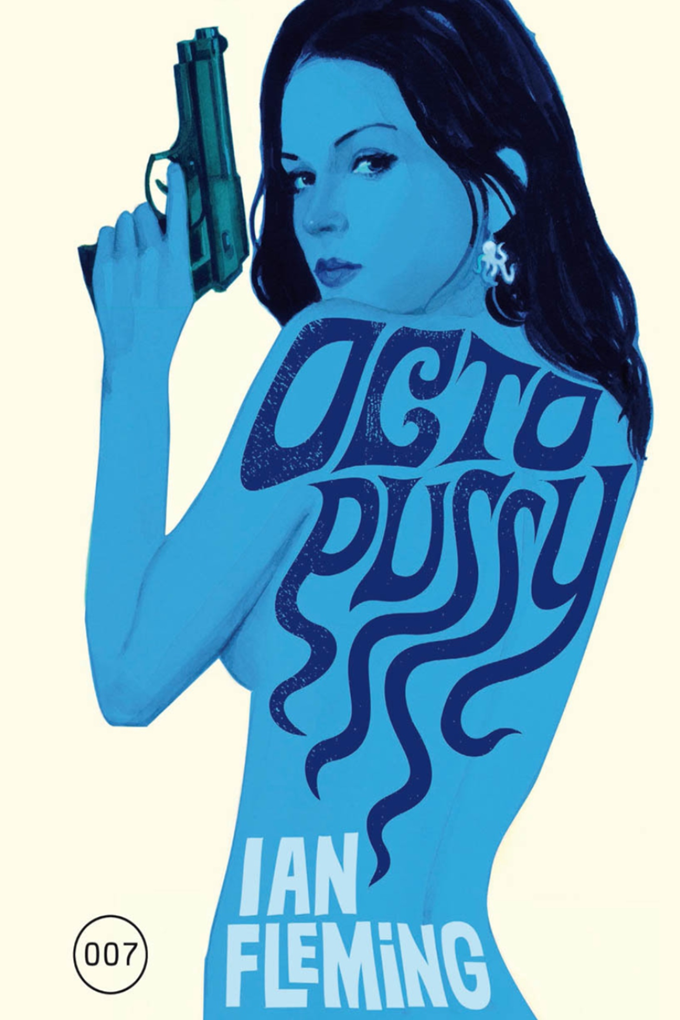
“Octopussy” by Ian Fleming. Another of my favorite Bond stories—even though the man himself isn’t around for most of the thing. Really just a fascinating character study—both of the story’s protagonist, and of the author himself. This story was clearly written while Fleming was on the decline, health-wise, and his deep melancholy—that inescapable acedia—is positively palpable. It’s borderline autobiographical: It even takes place in Goldeneye.  

The Seventh by Richard Stark. Man, when Westlake was firing on all cylinders, he was unstoppable. I’ve enjoyed pretty much every Parker novel I’ve read, but I tend to really love the ones that have Parker teaming up with a large cast of characters. Despite his silent, stoic demeanor, he bounces off other people surprisingly well—particularly when they are lively little lowlives. Westlake knows this, so he doesn’t miss an opportunity to imbue pretty much every single supporting player with as much verve and flair as possible. This novel is chock-full of brilliantly particular and peculiar personalities, and it’s a pleasure to watch them all go—before they’re all suddenly and shockingly offed, of course.

The heist is a lot of fun, but—as is often the case with these novels—it’s the aftermath where the really interesting stuff happens. One of my favorites so far.

Tomorrow Never Dies by Raymond Benson. A surprisingly solid novelization of my favorite film from the Brosnan era. Really enjoyed Benson’s pulpy writing, even though it tended to get unnecessarily technical at times, letting the story get lost in the jargon of it all. Bond continuation writers tend to struggle when emulating Fleming’s flair for specificity, I’ve found. It wasn’t just naming the precise model of this gun or that particular class of ship that made Fleming’s writing engaging and appealing—it’s what those names and terms evoked. In Fleming’s case, it was almost always a sense of opulence and sophistication. Benson’s approach, more often than not, had all the dry, clinical air of a product launch—a far cry from the lavish, luxurious vibes we’ve come to expect from 007 stories.

Still, much like the film it’s based on, this was a hell of a lot of fun. I particularly liked the extra scenes and added details Benson included to help ground some of the film’s more outlandish aspects. And I appreciated his valiant attempt at weaving a coherent continuity between Fleming’s original Bond, the cinematic version, and his own take—even when it didn’t always make perfect sense.

And that was March. Bye.


BOOKS BOUGHT LOOK I AM GENUINELY TRYING BUT PANGOBOOKS IS PROBABLY THE BEST WORST THING THAT COULD HAVE EVER HAPPENED TO ME OKAY:

  • Coolest American Stories 2025 edited by Mark Wish, Elizabeth Coffey
  • The Collectors by Lorien Lawrence
  • The Best American Mystery and Suspense 2024 edited by S.A. Cosby
  • Carte Blanche by Jeffery Deaver
  • Die Another Day by Raymond Benson
  • Octopussy and the Living Daylights by Ian Fleming
  • Forever and a Death by Donald E. Westlake
  • James Bond: Choice of Weapons by Raymond Benson
  • James Bond: The Union Trilogy by Raymond Benson
  • This Beautiful, Ridiculous City by Kay Sohini

FEBRUARY 2025

Hi. This was February. What can I tell you.

Frank Sinatra Has a Cold by Gay Talese, Phil Stern. I’ve read Talese’s renowned profile a handful of times before, but this book’s lavish, elegant production proved hard to resist. The inclusion of high-resolution reproductions of many of the notes taken by Talese while researching the story, presented alongside Stern’s striking snapshots, makes this not just an invaluable volume but a visually stunning one as well.

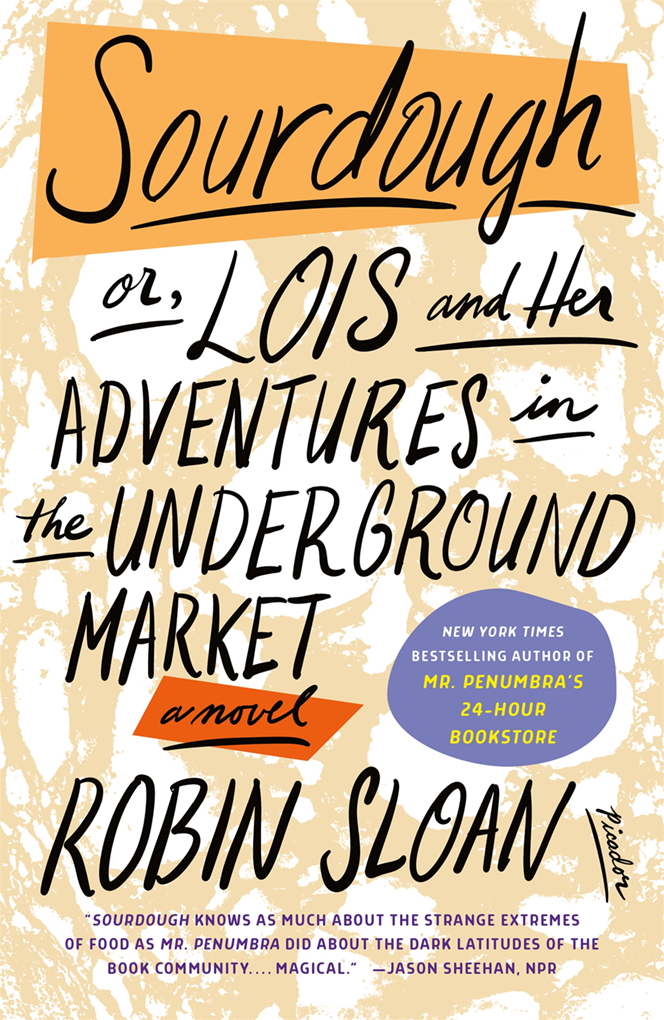
Sourdough by Robin Sloan. A re-read. A favorite, for sure. It just has such a cozy, feel-good vibe. I’ve always admired Sloan’s sheer willingness to follow his already far-out ideas down the weirdest, most fascinating rabbit holes. Mostly, though, I love how loyal Sloan is to his quirky, sentient fungi creation. That this book is a direct predecessor to Moonbound is absolutely wild, considering how vastly different they are as stories. But it also makes perfect sense. Good stuff.

The Suitcase Clone by Robin Sloan. Reading this right after finishing Sourdough was the right move, as I caught connections and references that went completely over my head the first time I picked this up. A really fun, lively caper. In the same way its parent novel makes me want to be a bread bro, this makes me want to be a wine guy.

“In the Stacks (Maisie’s Tune)” by Robin Sloan. I first read this a couple of years ago during my lunch break at work, whereupon it reduced me to tears. Since I am apparently re-reading the entirety of Sloan’s oeuvre, I decided to give it another read (also at work, though not during my lunch break) (don’t tell on me). Again: I was reduced to tears. Possibly the most heart-warming, life-affirming story I’ve ever read. Possibly my favorite short story of the past decade.

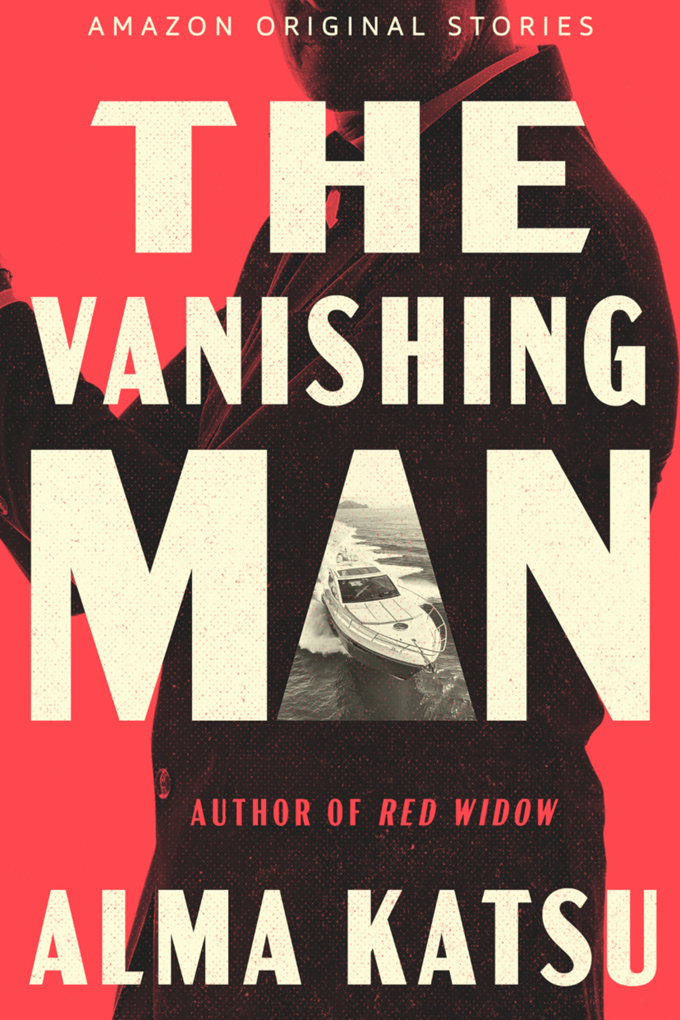
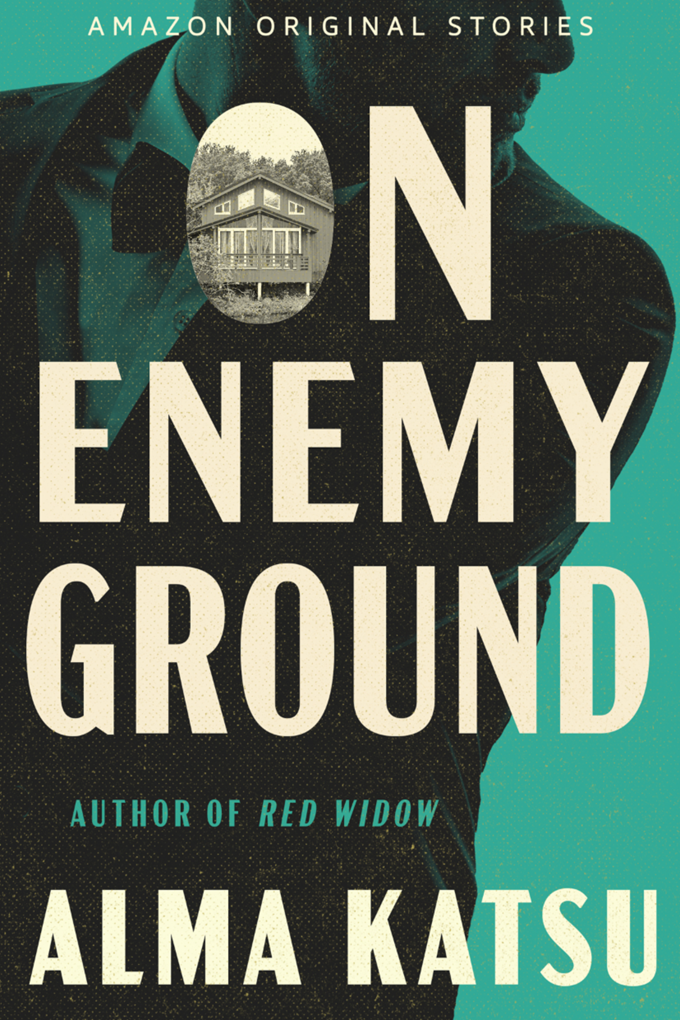
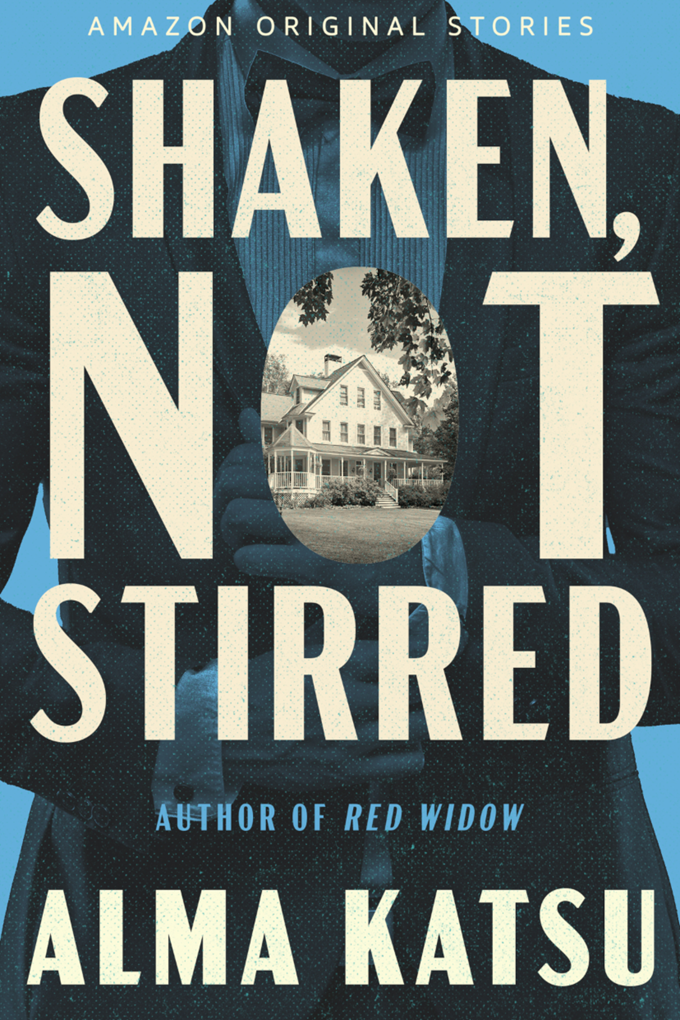
“The Vanishing Man” / “On Enemy Ground” / “Shaken, Not Stirred” by Alma Katsu. When I finished the first short story in this terse trilogy, I was ready to condescendingly commend Katsu for her obvious love and enthusiasm for James Bond and spy fiction in general. Then I read her biography and learned that she actually worked in the intelligence community for more than thirty years. Assuming is how you make an ass out of yourself, etc. Anyway, this is a great set of short series, with a protagonist who serves as a perfect counterpoint for Bond—a spy who’s got the looks and the killer instinct, but lacks the sophistication and finesse. What Bond would be if here simply just a blunt instrument (that happened to be wielded by the Soviets). The third entry was probably my favorite, if mostly because of all the little nods to Fleming and 007, particularly with having Jamaica as the setting for the climax. Good show. 

“Elyse Flayme and the Final Flood” by Robin Sloan. Another of my favorite things about Sloan’s writing is how he uses it not only to expound and expand on his ideas, but to discover them, as well. In the contrivances of this plot, you can clearly see the seeds that would develop into other stories of his: Moonbound, most notably, but also Annabel Scheme and the Adventure of the New Golden Gate—all entirely different yarns, but thematically linked. It’s the kind of writing I wish I could do.

“Mr. Penumbra’s 24-Hour Bookstore” by Robin Sloan. The Sloan spree continues. I must have read this one ages ago, but I have no real memory of it. Reading it made me realize just how little I recall from the actual novel, too, so it’s a good thing a paperback copy is on its way here. The short story itself was just fine—early Sloan, of course, but his distinct style was already very much on display.

“The Hildebrand Rarity” by Ian Fleming. Very fitting that I happened to have been reading this most excellent of Bond short stories when the not-so-excellent film news dropped. Still one of my favorite Bond tales—basically a showcase for Fleming’s exceptional use of location and atmosphere. Just some really solid storytelling. 

I also read two other books to be discussed at a later date.


Books Bought:

  • The Writing Retreat by Julia Bartz
  • Book Lovers by Emily Henry
  • Slow Dance by Rainbow Rowell
  • From Ted to Tom: The Illustrated Envelopes of Edward Gorey by Edward Gorey, edited by Tom Fitzharris
  • Casino Royale by Ian Fleming
  • Mr. Penumbra’s 24-Hour Bookstore by Robin Sloan
  • The Best American Science Fiction and Fantasy 2023 edited by R.F. Kuang
  • Busy Doing Nothing by Rekka Bellum, Devine Lu Linvega
  • The Tatami Galaxy by Tomihiko Morimi, translated by Emily Balistrieri

Until next time.

JANUARY 2025

Hello. This was January, when I promptly got sick right after my ordeal of a house move and remained ill for the entire duration of the month. At the time of this writing, my body is just now starting to get rid of all the crud. Fun times. Not the most auspicious of beginnings to a new year, needless to say, but it’s not the hand you’re dealt it’s how you play your cards or however the saying goes I don’t care I am just so over being sick.

Maladies notwithstanding, I still managed to get some decent reading in, because that is what I do.

“Proposal for a book to be adapted into a movie starring Dwayne The Rock Johnson” by Robin Sloan. Mentioned this in my previous wrap-up, so of course I had to read it again. An engaging and entertaining piece of short fiction—albeit a little naive in retrospect, given all we’ve learned (mostly against our will) about The Rock lately. I fully believe Johnson could still become president one day, and I am finding that notion less and less amusing.

The Fellowship: The Literary Lives of the Inklings by Philip Zaleski, Carol Zaleski. Started this one way back in August. Despite my many highlights and annotations (inevitable, given the rhetorical finesse of its subjects), I don’t think I have any substantial takeaways from this book. The Zaleskis are religious scholars, and they approach the material from a Christian perspective, which makes for some interesting interpretations—as well as some questionable conjectures. Given their evangelical predisposition, it also means that their focus fell primarily on Lewis and Tolkien, with the other Inklings—Owen Barfield and Charles Williams—getting the proverbial short shrift. (Although to be fair, this is a tome of a book, so even their “cursory” treatment still turned out to be reasonably comprehensive—the Zaleski’s are academics above all else, and their exhaustive research is evident). In the end, though, this was more of a theological biography of a couple of members of a literary circle than it was a thorough scholarly exploration of said circle, which I would have found far more preferable.

“On the Pleasures of Taking Up One’s Pen” by Hilaire Belloc. Specifically, Malcolm Guite’s wonderful reading of the short essay, which really brought it to life for me. First time coming across this passionate ode to a writing instrument, and I found it quite lovely. 

One of the things I wanted to do in the new year was pick my physical journal back up, and of course that translates to me looking up pieces that romanticize—pretty much fetishize—the act of writing itself. Happy to say that I’ve kept up with the journaling habit thus far, and it’s doing wonders for my mental health. Much needed during this, the dumbest of dystopias

The Mythmakers: The Remarkable Fellowship of C.S. Lewis & J.R.R. Tolkien by John Hendrix. An undoubtedly beautiful book. Hendrix’s illustrations are simply stunning: from his highly imaginative compositions to his spectacular use of color. As a piece of biography, though, it’s unfortunately a little lacking. It is too brief where elaboration is needed and overly detailed where succinctness would suffice. Also, a lot of the prose just falls flat, lacking any sort of flair. I understand that this volume is ostensibly meant for children, but when your subjects are two titans of the English language one can’t be faulted for expecting a bit more panache. Still, Hendrix’s love for the two legendary scribes shines through, and that, along with the spectacular artwork, makes this a worthwhile read.

Curiously, like The Fellowship, this also takes a Christian approach to its subject matter. As a certified heathen, this wasn’t at all planned, but I thought it was an interesting coincidence. 

Process: The Writing Life of Great Authors by Sarah Stodola. Loved reading this. Very similar to Mason Currey’s Daily Rituals, which I read and enjoyed a couple years back, but this felt far more focused and engaging. A spectacularly researched collection of highly engrossing and enlightening essays. Stodola’s writing is wonderful, and so vivid that even the entries featuring long-dead authors feel like actual interviews she was conducting. It’s great. Lots of standout pieces, but the one focusing on Joan Didion is probably my favorite.


I’ve also been reading Nick Hornby’s Stuff I’ve Been Reading columns for The Believer. I like that he always makes note of the book he’s bought during that particular reading season. I want to adopt this practice. For accountability, mostly: I use a Kindle, for which I buy entirely too many ebooks. For obvious reasons, I am increasingly loath to give Amazon more of my money, so I definitely want to work on curtailing that particular habit. There are practical reasons, too, of course: I have literally thousands of unread books on my Paperwhite, and I don’t really need to keep adding to that digital pile. 

That’s the ideal, anyway. We’ll see how things actually pan out.

Still bought a ridiculous amount of books in January:

  • The Reformatory by Tananarive Due
  • Incidents Around the House by Josh Malerman
  • This Appearing House by Ally Malinenko
  • Vampires of El Norte by Isabel Cañas 
  • Adventures of a Cat-Whiskered Girl by Daniel Pinkwater 
  • The Yggysey by Daniel Pinkwater
  • The Neddiad by Daniel Pinkwater
  • Three Act Tragedy by Agatha Christie
  • Dumb Witness by Agatha Christie
  • Taken at the Flood by Agatha Christie
  • The Labors of Hercules by Agatha Christie
  • What I Talk About When I Talk About Running by Haruki Murakami
  • Dungeon Academy: No Humans Allowed! by Madeleine Roux
  • The Fiction Writer by Jillian Cantor
  • The Book That No One Wanted to Read by Richard Ayoade
  • Glamorous Notions by Megan Chance
  • The Race to the Future by Kassia St. Clair
  • The Unstrung Harp by Edward Gorey
  • Still Writing: The Perils and Pleasures of a Creative Life by Dani Shapiro 
  • Slouching Towards Bethlehem by Joan Didion

Like I said: an ideal.

YEAR IN REVIEW ○ 2024

The very best I can say for 2024 is that it was a good reading year. Personal? Not so much. But this blog, despite all my rantings and diatribes, is about the more literary aspect of my precious little life, so we’re going to focus on that, instead of… the rest.

(The one great thing that happens to overlap both aspects of my life is the fact that I started writing for Booklist, something that makes me incredibly happy and proud. It’s been a great experience thus far, and I think I’ve already learned a lot in the few months I’ve been with them. Exciting!)

I read some really fine books this year. These are some of them:

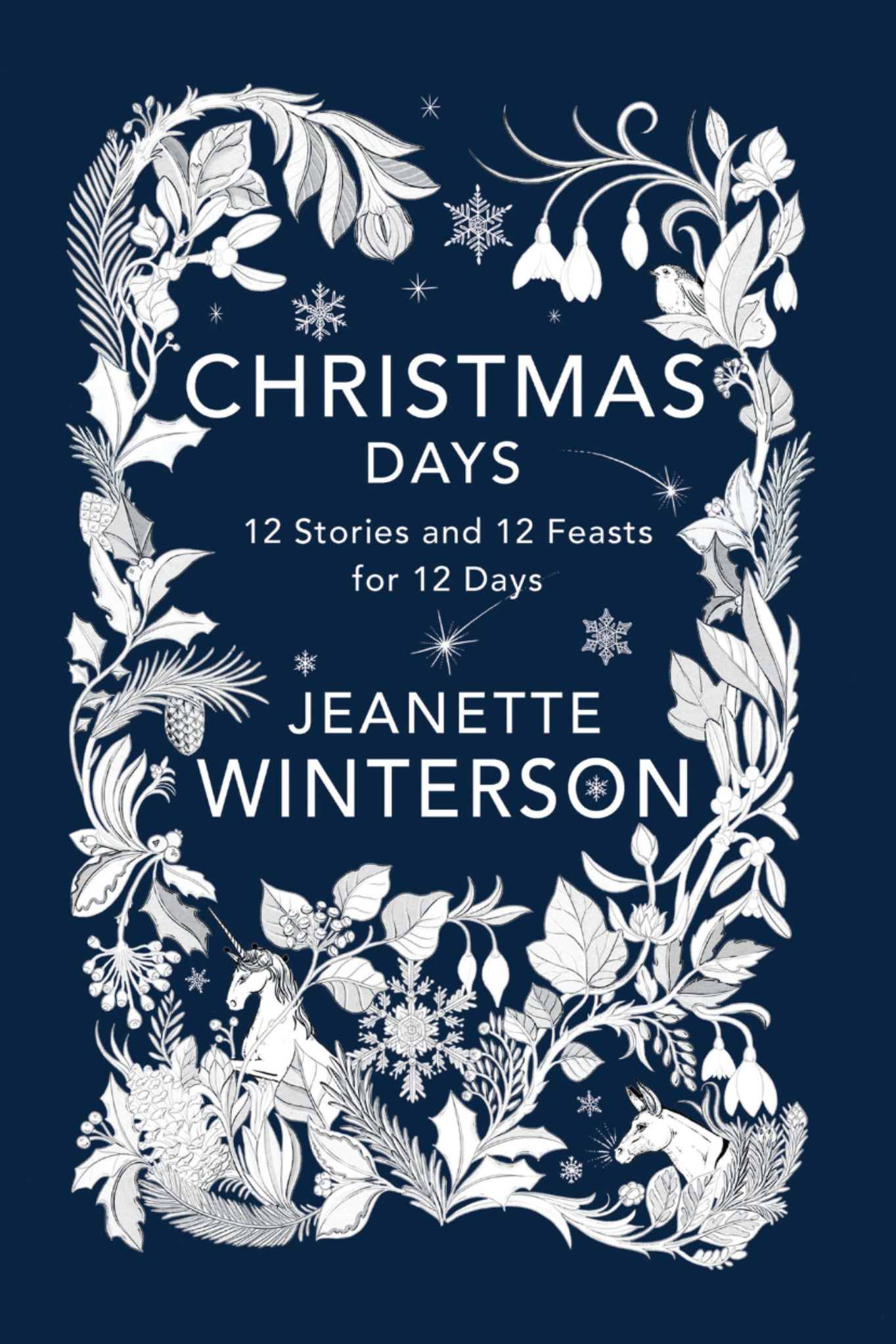
CHRISTMAS DAYS by Jeanette Winterson

This is, so far, the only Jeanette Winterson book I’ve read, but I was ready to call her a favorite author upon finishing it. I fell absolutely head-over-heels in love with her writing—so much so that I found the vignettes written before the recipes she’s included here almost as beautiful as the short stories themselves. (It’s a true testament to her skill that she took what was essentially a meme in the online culinary world—the drawn-out preambles before cooking instructions—and made wonderful art with it.)⠀

A true Christmas collection, in the purest sense of the term, as Winterson runs through the absolute gamut of wintry tales: from unsettling ghost stories down to charming, sickly-sweet romances—all written with sublime grace and aplomb. Christmas Days quickly became synonymous with the holiday season for me, and I may just make it an annual tradition to read it. Wonderful stuff.

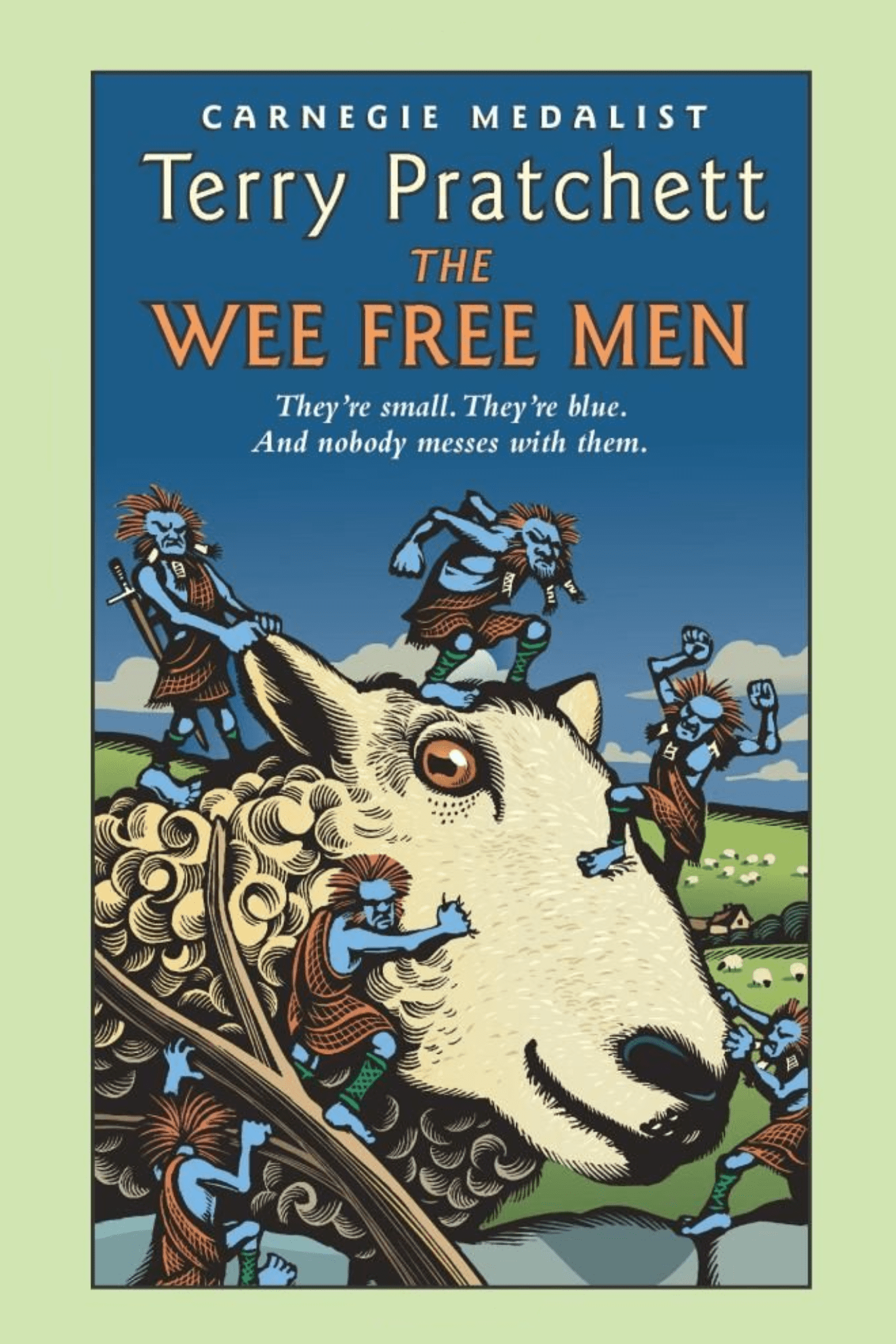
THE WEE FREE MEN by Terry Pratchett

Genuinely don’t know why I torture myself by depriving myself of these wonderful books for such long intervals. This was my first Pratchett book in a handful of years, and reading it felt like coming back to a home full of love and understanding that was also, maybe, just a tiny bit disappointed in me.⠀

Because The Wee Free Men is a brilliant showcase of Pratchett’s famous righteous anger. Tiffany Aching, like her creator, is an angry person, positively full of rage. She just uses that rage to make the world a better, more compassionate place—if only to spite the darkness. Beautiful and necessary. 

MY FATHER, THE PORNOGRAPHER by Chris Offutt

Chris Offutt’s less-than-flattering portrait of his flawed father is a challenging, thought-provoking, and undoubtedly fascinating read. I flew through this in a day, despite the difficult subject matter. It helps that Offutt writes a hell of a sentence, crafting with them a tale of obsession, melancholy, and forgiveness that’s equal parts insightful and heartbreaking. A hell of a read.

DUNE by Frank Herbert

A mesmerizing reading experience through and through. What really drew me in was the writing, which I found to be the complete opposite of its reputation for being dense and dry. “Organic” was the word that kept coming to mind. This book felt like a living, breathing thing. It helped that Herbert’s world-building was downright virtuosic—the sheer scope of the thing is truly staggering, and I was captivated throughout its countless psychedelic pages. 

Also, once again: big worms!

TRIGGER MORTIS by Anthony Horowitz

While I genuinely adore Ian Fleming’s writing (in particular his exceptional eye for detail), I find Anthony Horowitz’s Bond books, in general, much better constructed. Which is probably a sacrilegious thing to say. But where Fleming was a brilliant stylist, Horowitz is a master craftsman. The man simply lives and breathes thrillers.

Enjoyed this one a little less than Forever and a Day, his first Bond outing, but found it brilliant all the same. Can’t wait to read his final 007 story.

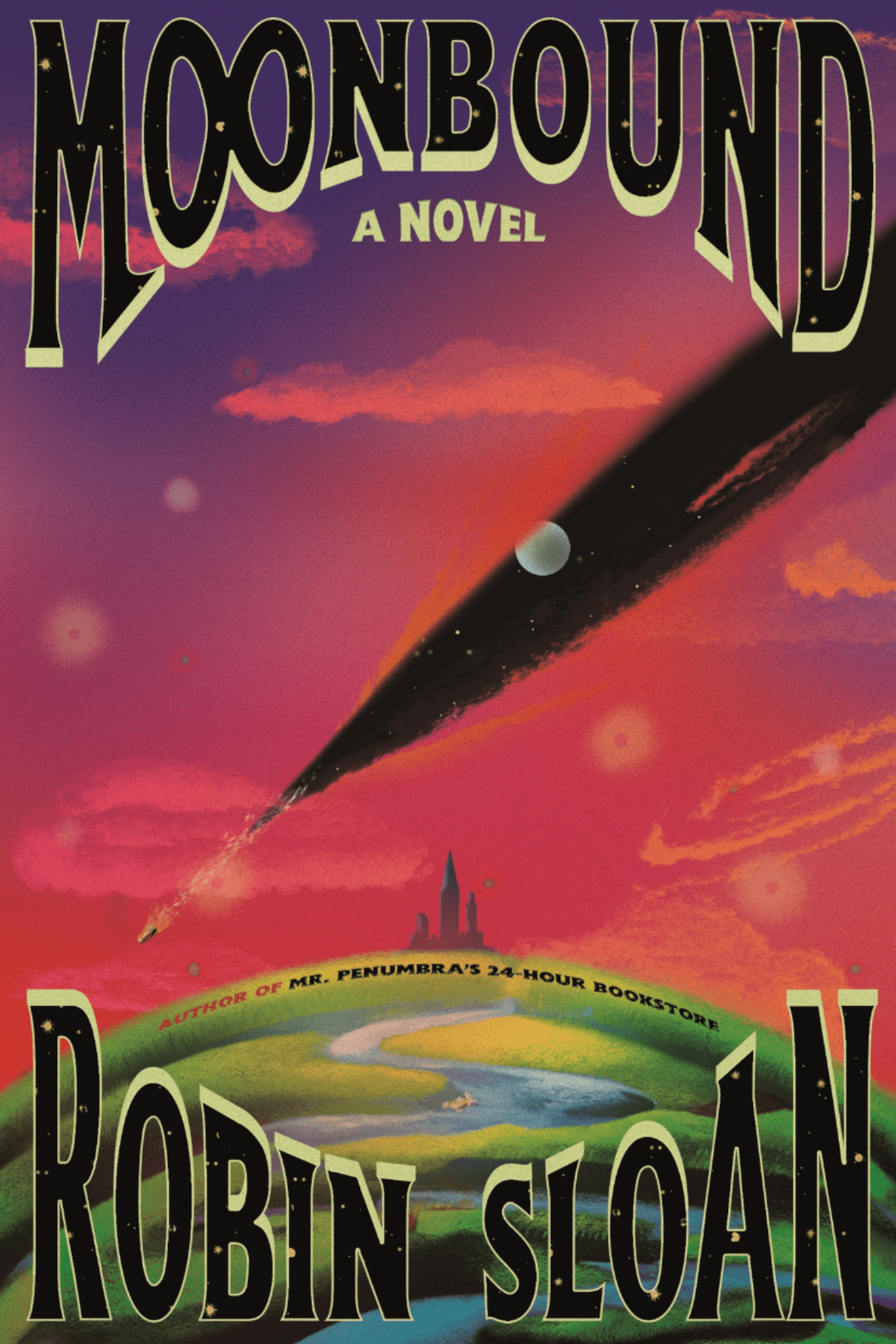
MOONBOUND by Robin Sloan

I loved Moonbound in a way I haven’t loved a book since probably Becky Chambers’s A Psalm for the Wild-Built. Which is apt, seeing as how they’re both stories that are inherently optimistic about humanity and what the future holds in store for us. Despite my deep-rooted cynicism, stories about radical optimism always resonate with me in profound and lasting ways.⠀

This is also a story about stories, which have always been my favorite kind of stories. Sloan plays around with a lot of tropes and archetypes here, and the fun he has with it all is palpable and infectious.⠀

Also, this book has the literary equivalent of a cinematic needle-drop, and it is, without hyperbole, one of the raddest moments I’ve ever read.⠀

My favorite book of the year.

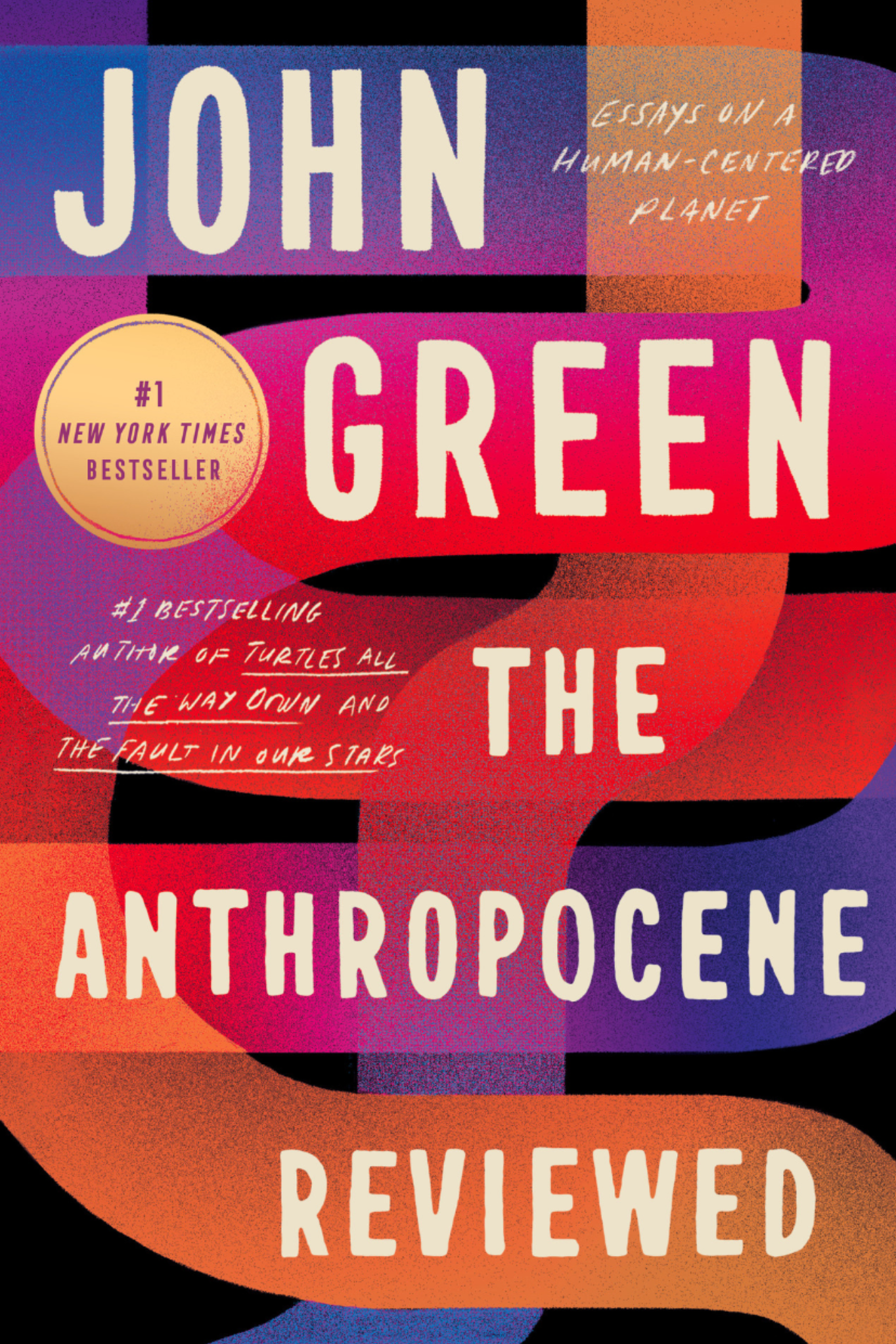
THE ANTHROPOCENE REVIEWED by John Green

That pesky radical optimism again (hi Dua Lipa was my top artist on Spotify Wrapped this year). John Green delivers a wonderful collection of essays reviewing the myriad ways humans have–for better or worse–made an impact on this planet–and then proceeds to rank them on a five-star scale. The premise may be slightly facetious, but Green never fails to consider his subjects in a thoughtful, measured, and inherently hopeful manner. ⠀

A humorous and heartfelt celebration of humanity, I give The Anthropocene Reviewed five out of five stars.⠀

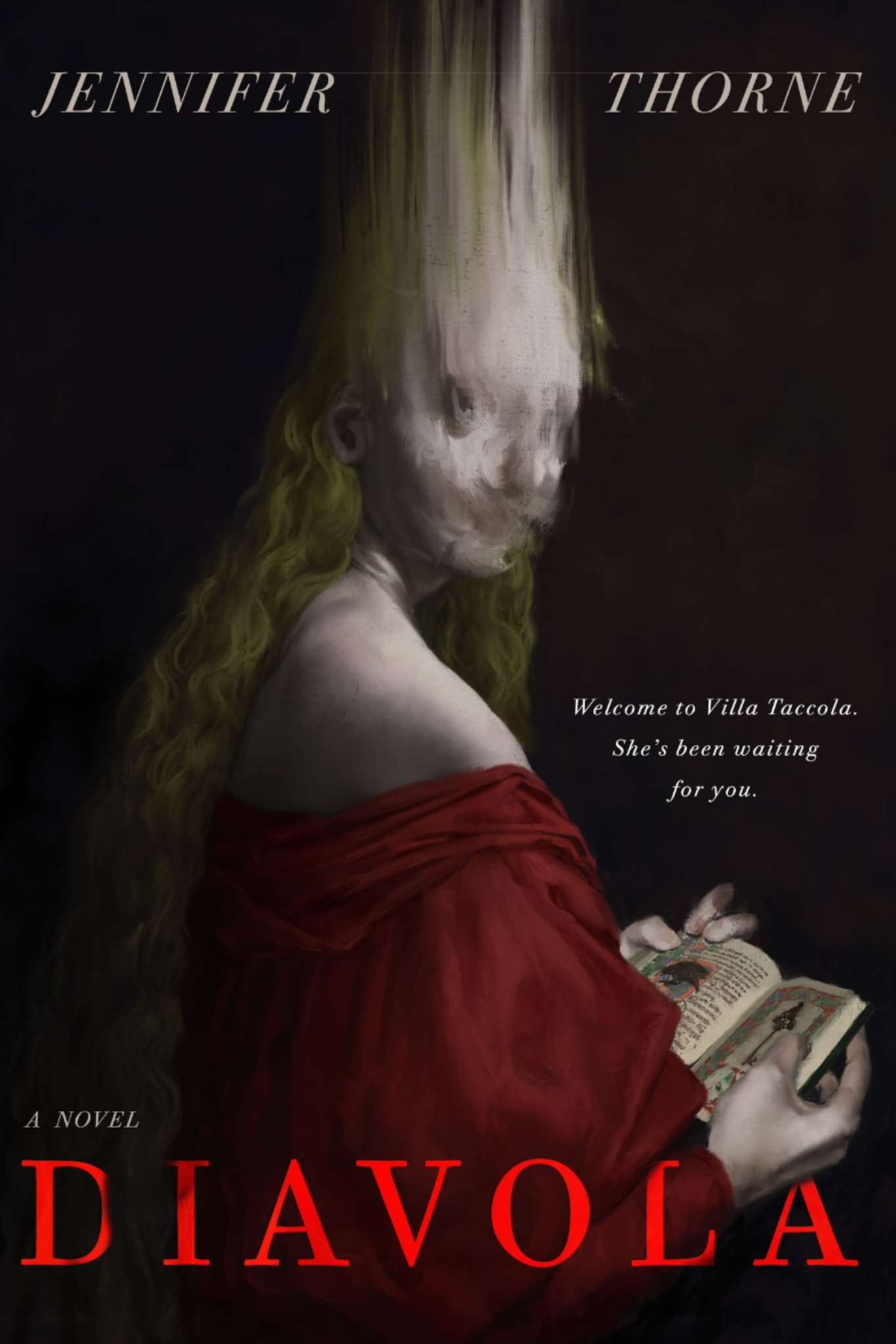
DIAVOLA by Jennifer Thorne

My favorite Hallowe’en read not actually read during the Hallowe’en season. A Gothic and thoroughly modern ghost story that explores family dynamics in a more visceral and brutally honest manner than most high-brow contemporary novels. ⠀

I loved a lot of things about Diavola, but mainly I adored its Dumpster-fire protagonist, a veritable harbinger of chaos, and how the story proceeded to validate her nature rather than condemn it, making this an exceedingly fun and cathartic read.⠀

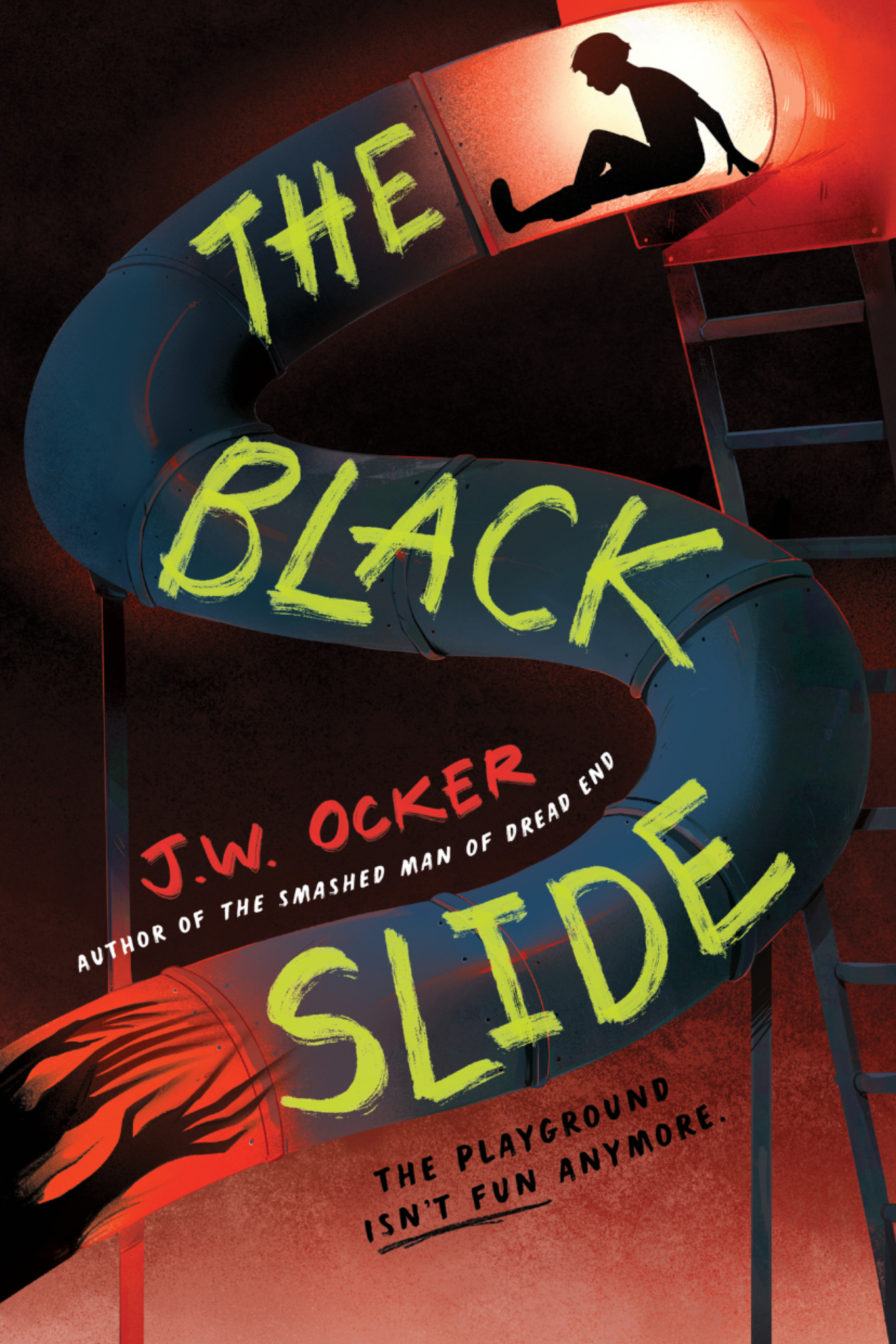
THE BLACK SLIDE by J.W. Ocker

There are few things I respect more than children’s horror novels that aren’t afraid to go dark and still remain full of heart. J.W. Ocker’s middle grade work is characterized by this trait, but he took it up a few considerable notches with The Black Slide, and it’s all the better for it. Harrowing, haunting, and heartfelt. More children’s horror like this, please. 

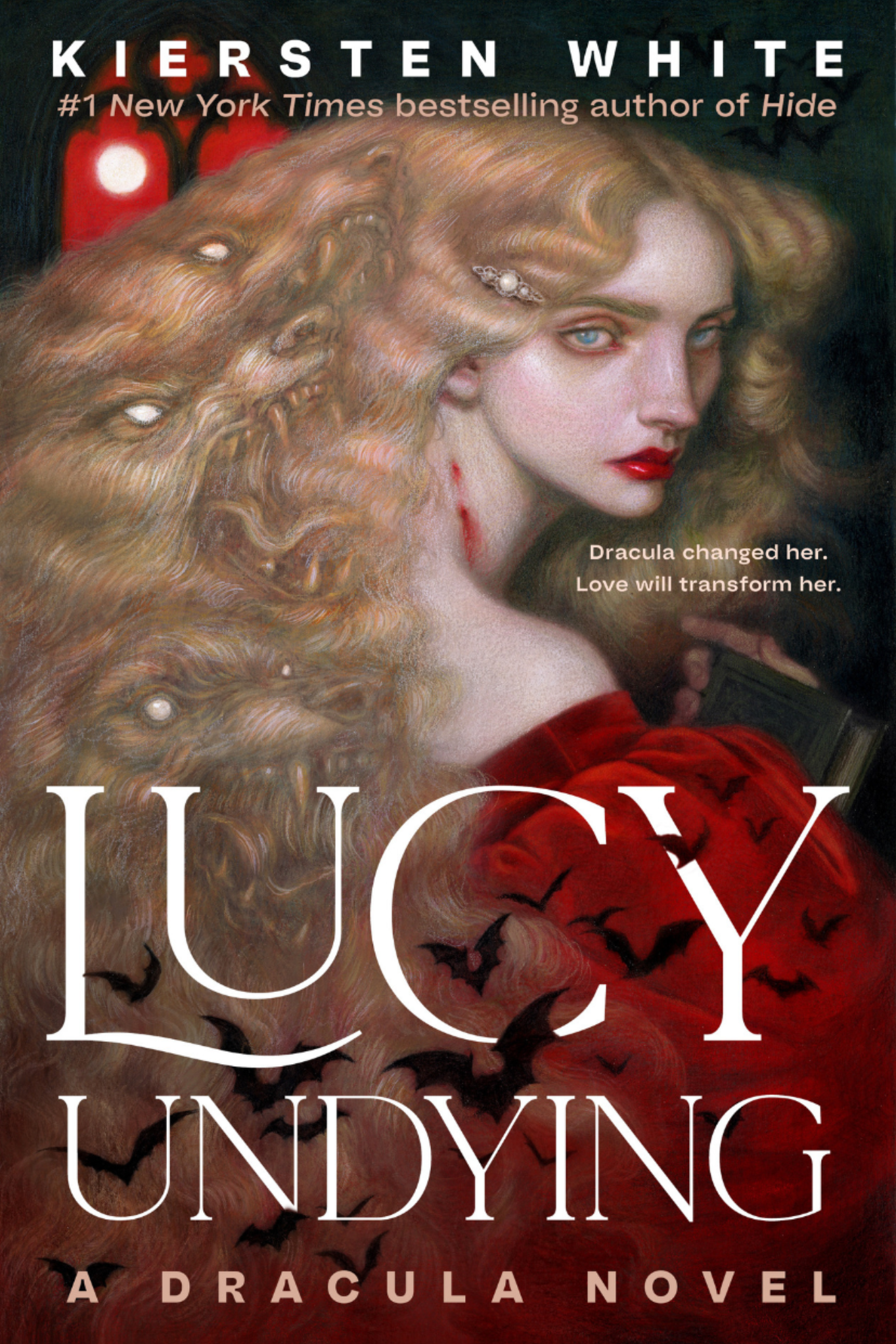
LUCY UNDYING by Kiersten White

My favorite Hallowe’en read actually read during the Hallowe’en season. I just loved the hell out of this. Very much a spiritual companion to Kiersten White’s previous novel, The Dark Descent of Elizabeth Frankenstein. Lucy Undying is likewise gloriously Gothic, unreservedly feminist, and meandering in the most interesting, fascinating ways. A hell of a read.


I hope you all had a great year, and I hope the next one treats us well.

See you on the other side.

📖

SEPTEMBER 2024

Hello. Here’s what I read during the month of September. Mostly talking about short stories this time around. I did read two other novels, but I can’t write about them here just yet because of reasons. Anyway! Good reading month.

“The Counselor” by Robin Sloan. This was provocatively written, but I’m not exactly sure what it was trying to say. The premise of someone being asked if they were ready to die and replying in the negative despite considerable suffering reminded me of a scene from, of all things, Harry Potter and the Methods of Rationality, the famous (infamous?) work of fan-fiction, where Dumbledore talks with this world’s pretentious version of Harry about willingly accepting death one day. Harry argues that the premise is absurd, reasoning that if someone really wanted to live today, then they would, barring some truly terrible circumstances, also want to live tomorrow, and beyond, ad infinitum. That always stuck with me, because I happen to think similarly. Anyway, fairly sure this story is more about the ethics of using generative artificial intelligence in the medical field than it is about that, though.

Diavola by Jennifer Thorne. Well, I loved this. So much that I’m now wishing I had saved it for the Hallowe’en season. As it is, though, this was really the perfect read for the summer-to-fall transition. This is touted as Gothic horror, which I suppose it is, but it’s the most thoroughly modern Gothic horror story I have ever read. Sounds contradictory, but author Jennifer Thorne really managed to transport that classic, old-word feel of the genre into the present day, and the result is a veritable thrill ride — in particular, that third act, which stands among the finest I’ve ever read with its relentless, brutal, and inevitably cathartic pace. Anna herself is such a refreshing protagonist, as well — smart and sardonic but never coming across as pedantic or annoying. To say that she’s one of the most relatable characters I’ve read lately feels like an obscene thing to say, given her arc here, but it is also true. But I’m glad we got such a steadfast protagonist who, from the get-go, knew what she wanted, and I’m glad we got a story that wasn’t even remotely afraid to give it to her. A damn good read. This isn’t even mentioning La Dama Bianca, who is a fantastic and terrifying secondary villain. Secondary, of course, because the real antagonist of this story is Anna’s perfectly loathsome family, whom Thorne portrays with perfect contempt.

“Judge Dee and the Executioner of Epinal” by Lavie Tidhar. The latest Judge Dee mystery. This felt… very first draft, let us say. The writing seemed very rushed and somewhat sloppy. Most of the jokes and references didn’t land at all. (There’s a Princess Bride callback that I would have normally loved, that being one my absolute favorite stories, but it just felt forced and out of place here.) Very disappointing. Definitely the weakest of these admittedly irreverent pieces of short fiction.

“It Waits in the Woods” by Josh Malerman. Part of the Creature Feature collection on Amazon. I read a couple of the other entries for the Hallowe’en season last year and they were very hit or miss for me, as these Amazon Originals tend to be. This one turned out to be very effective, though. A little meandering, particularly in the beginning, but with a great, creepy atmosphere throughout. There’s a couple of curious errors here and there, but nothing that took me out of the story.

JUNE 2024

Hi hi. Here’s what I read during the month of June. Unlike May, which was a A Terrible, Horrible, No Good, Very Bad Month, I actually managed to sneak in a few things this time around. It was a decent one.

The Wildman of Shaggy Creek by R.H. Grimly. After last month — which, as I’ve already said, was Terrible — I fell into a particularly bad slump.  I’ve always maintained that the best way to get out of one is to pick up a middle grade book — particularly if it’s a spooky one. Picked this up with the intention of starting my summer horror reading. That didn’t really pan out, but it did get my reading in general back on track. A nice, fun, and quick read. It’s a Goosebumps throwback, down to the format and even the spectacular cover art, which was done by Tim Jacobus, natch. It does a fine job evoking the nostalgia-laden series, stumbling only towards the end, where it wraps up everything entirely too neatly, whereas Stine would have rather died before wasting an opportunity to go with a perfectly terrible and tawdry twist.

The Suitcase Clone by Robin Sloan. Read this in anticipation of Moonbound. Sloan is at his most playful here — both in terms of the language (the fun he has with words is palpable) and plot (veritably pulpy). Like in his novel Sourdough, of which this is sort of a prequel, food and drink play integral roles here, and the descriptions are nothing short of delectable. Like, I’m in no way a wine guy, but this made me want to be a wine guy, you know? Great stuff. Sloan is a perennial fave.

Moonbound by Robin Sloan. As with most things I end up truly loving, I have no idea how to talk about this book. It grabbed me in a way no book really has since Psalm for the Wild-Built. Which is apt, I think, because in a lot of ways they are very similar: stories about a future in which, rather than succumbing to despair and desperation, people find a way to go on. My own cynical streak aside, these stories of radical optimism always resonate with me in a deep and pointed manner — second only to stories that are about stories themselves. So is it any wonder that I loved this so much, when it’s a hopeful story about an optimistic future and that it’s also, at its core, about stories and storytelling? Another kind of storytelling I’m deeply drawn to are those that deal with the metatextual and the self-referential. It’s something that Sloan has always done particularly well, and here he cranks it up in a considerable manner. And the result is an extravagantly whimsical and imaginative fable about friendship and bravery and the stories we tell ourselves to get us through the dark. I couldn’t help but adore this book. It tugged at my heartstrings from the first chapter on. I didn’t want it to end. I want to read it again.  Favorite book of the year thus far, needless to say. 

I also managed to read two short stories this time around. To be perfectly candid I had forgotten all about them after a couple of weeks, which I guess is a reflection of how I enjoyed them as a whole.

“Uncharted Waters” by Sally Hepworth. Was in the mood for a summer mystery when I picked this up. It turned out to be less of a thriller than it was a domestic drama, but the vibes were undoubtedly summery. I thought it was okay. The story and the setting were fine, but like a lot of these Kindle-exclusive short stories, the beginning was way too drawn out while the climax felt entirely rushed and anticlimactic. Which is why it ended up being so forgettable, unfortunately. 

“Tiger Chair” by Max Brooks. I am a fairly big fan of Brooks, I would say. World War Z was a formative reading experience for me, and Devolution was one of my favorite Hallowe’en reads a couple of years ago. Brooks’ books are all about world-building, something he is obscenely good at. His settings are always particular and precise. But the thing that makes his stories stand out for me is the visceral level through which we experience these meticulous environments. Brooks’ impeccable skill at setting a scene shines here,  but ultimately I found that it lacked that certain vulnerable viewpoint. It is a terrifyingly realistic tale, though, and, I’m sure, painstakingly researched. But it left me feeling cold. 

Things have been kind of hectic on my side for a couple of weeks and, even though reading hasn’t been exactly a priority lately because of that, I’m thankful to all these stories, regardless of enjoyment, for providing some much needed escapism. Onwards and upwards.