YEAR IN REVIEW ○ 2024

The very best I can say for 2024 is that it was a good reading year. Personal? Not so much. But this blog, despite all my rantings and diatribes, is about the more literary aspect of my precious little life, so we’re going to focus on that, instead of… the rest.

(The one great thing that happens to overlap both aspects of my life is the fact that I started writing for Booklist, something that makes me incredibly happy and proud. It’s been a great experience thus far, and I think I’ve already learned a lot in the few months I’ve been with them. Exciting!)

I read some really fine books this year. These are some of them:
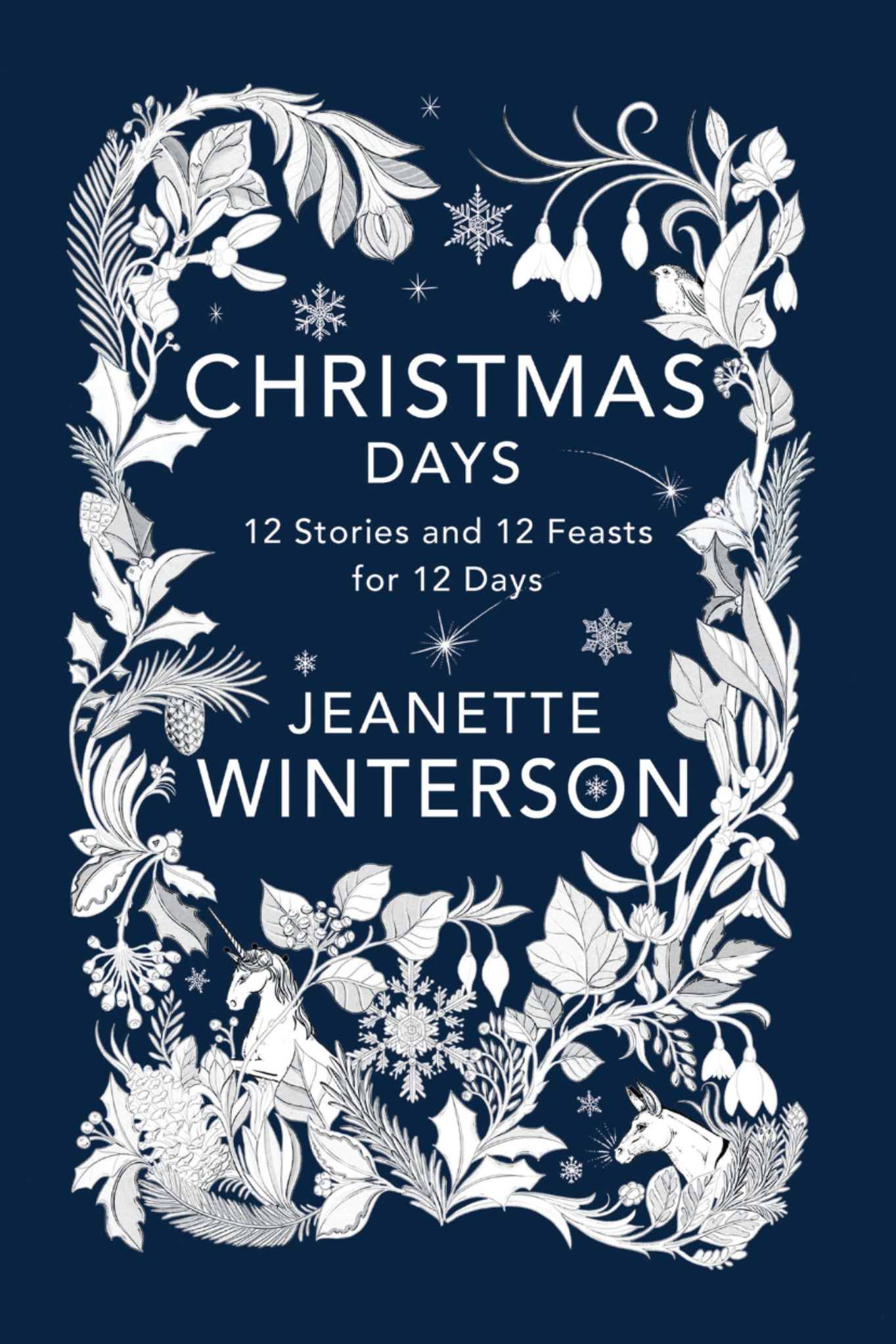
CHRISTMAS DAYS by Jeanette Winterson

This is, so far, the only Jeanette Winterson book I’ve read, but I was ready to call her a favorite author upon finishing it. I fell absolutely head-over-heels in love with her writing—so much so that I found the vignettes written before the recipes she’s included here almost as beautiful as the short stories themselves. (It’s a true testament to her skill that she took what was essentially a meme in the online culinary world—the drawn-out preambles before cooking instructions—and made wonderful art with it.)⠀

A true Christmas collection, in the purest sense of the term, as Winterson runs through the absolute gamut of wintry tales: from unsettling ghost stories down to charming, sickly-sweet romances—all written with sublime grace and aplomb. Christmas Days quickly became synonymous with the holiday season for me, and I may just make it an annual tradition to read it. Wonderful stuff.

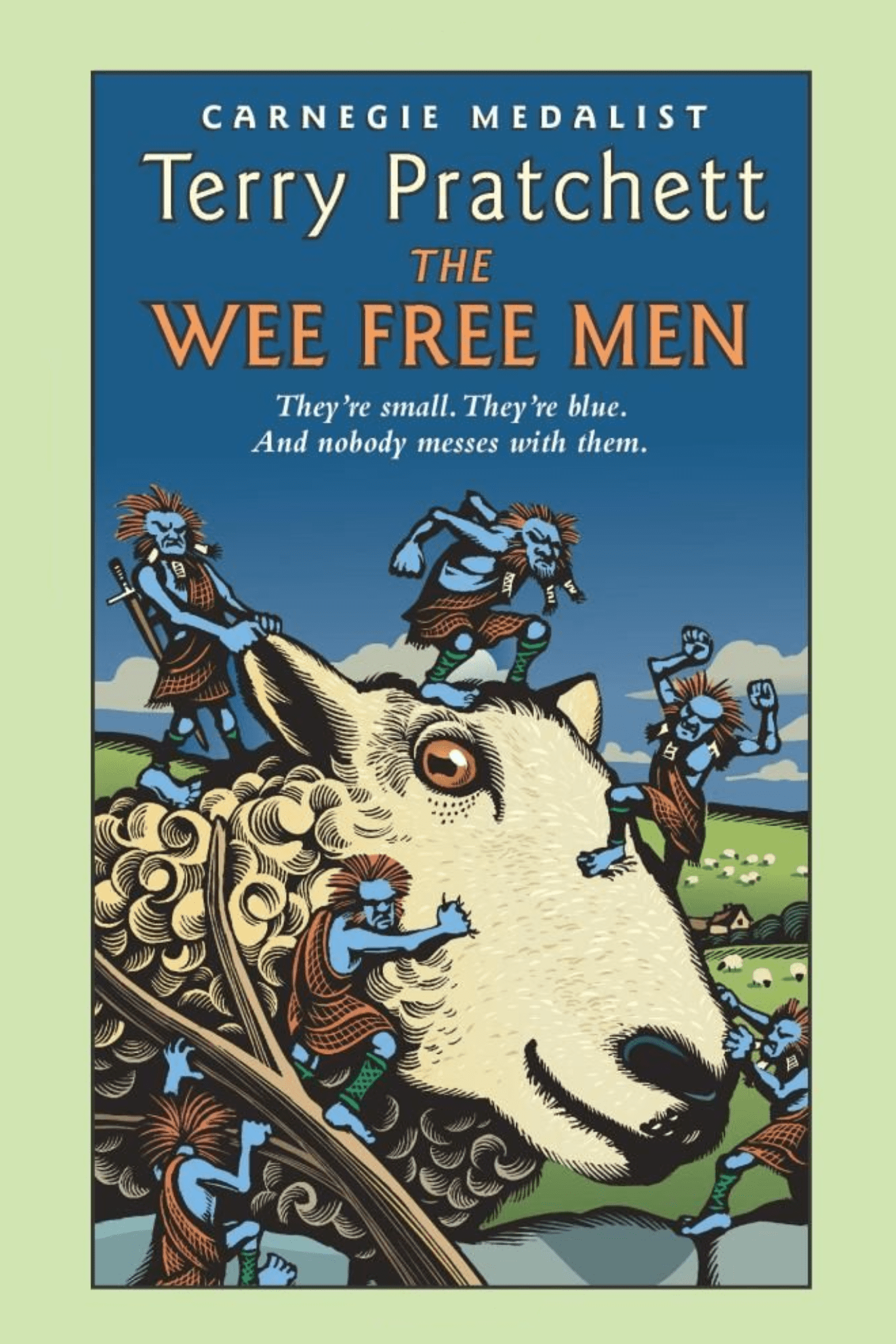
THE WEE FREE MEN by Terry Pratchett

Genuinely don’t know why I torture myself by depriving myself of these wonderful books for such long intervals. This was my first Pratchett book in a handful of years, and reading it felt like coming back to a home full of love and understanding that was also, maybe, just a tiny bit disappointed in me.⠀

Because The Wee Free Men is a brilliant showcase of Pratchett’s famous righteous anger. Tiffany Aching, like her creator, is an angry person, positively full of rage. She just uses that rage to make the world a better, more compassionate place—if only to spite the darkness. Beautiful and necessary. 

MY FATHER, THE PORNOGRAPHER by Chris Offutt

Chris Offutt’s less-than-flattering portrait of his flawed father is a challenging, thought-provoking, and undoubtedly fascinating read. I flew through this in a day, despite the difficult subject matter. It helps that Offutt writes a hell of a sentence, crafting with them a tale of obsession, melancholy, and forgiveness that’s equal parts insightful and heartbreaking. A hell of a read.

DUNE by Frank Herbert

A mesmerizing reading experience through and through. What really drew me in was the writing, which I found to be the complete opposite of its reputation for being dense and dry. “Organic” was the word that kept coming to mind. This book felt like a living, breathing thing. It helped that Herbert’s world-building was downright virtuosic—the sheer scope of the thing is truly staggering, and I was captivated throughout its countless psychedelic pages. 

Also, once again: big worms!

TRIGGER MORTIS by Anthony Horowitz

While I genuinely adore Ian Fleming’s writing (in particular his exceptional eye for detail), I find Anthony Horowitz’s Bond books, in general, much better constructed. Which is probably a sacrilegious thing to say. But where Fleming was a brilliant stylist, Horowitz is a master craftsman. The man simply lives and breathes thrillers.

Enjoyed this one a little less than Forever and a Day, his first Bond outing, but found it brilliant all the same. Can’t wait to read his final 007 story.

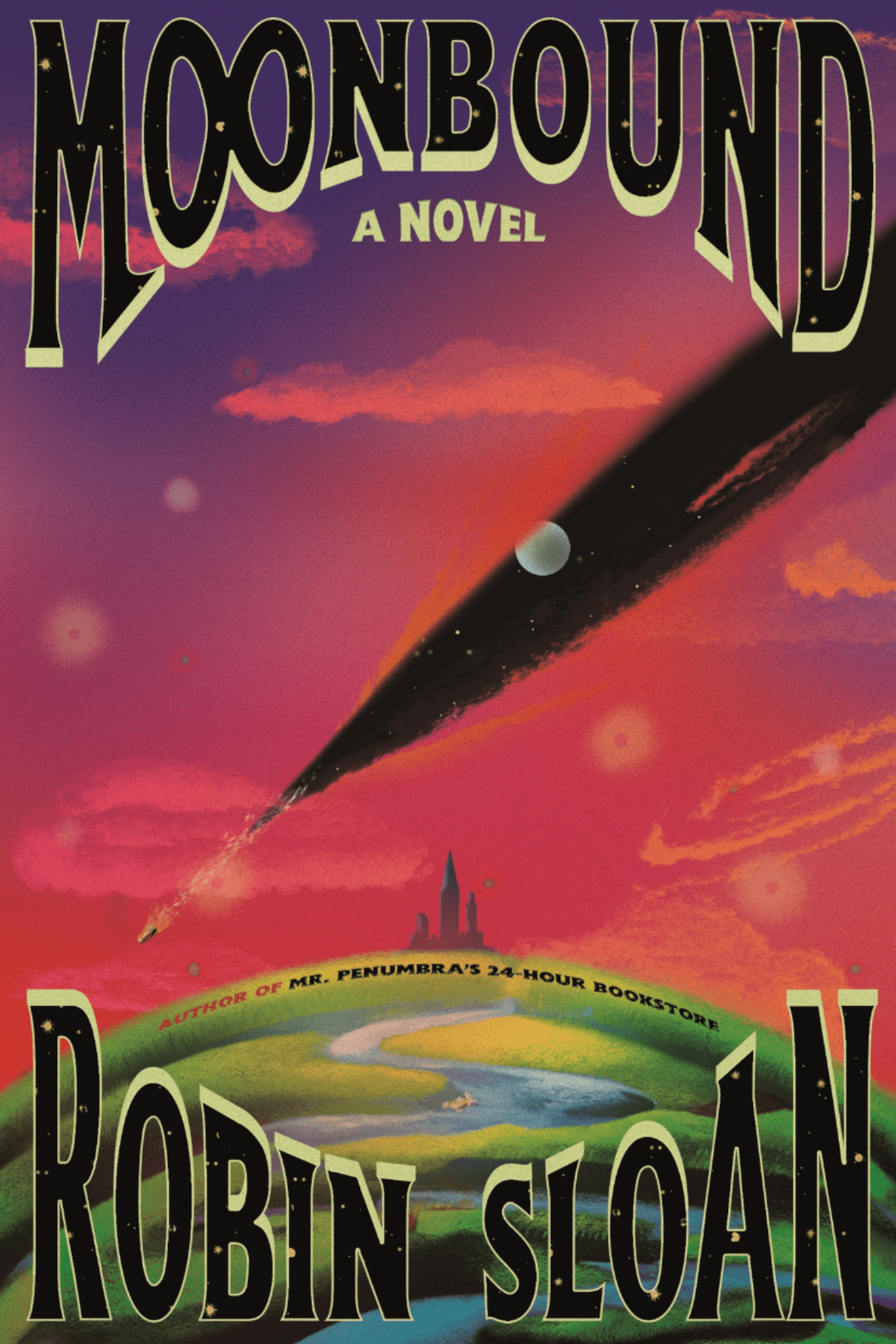
MOONBOUND by Robin Sloan

I loved Moonbound in a way I haven’t loved a book since probably Becky Chambers’s A Psalm for the Wild-Built. Which is apt, seeing as how they’re both stories that are inherently optimistic about humanity and what the future holds in store for us. Despite my deep-rooted cynicism, stories about radical optimism always resonate with me in profound and lasting ways.⠀

This is also a story about stories, which have always been my favorite kind of stories. Sloan plays around with a lot of tropes and archetypes here, and the fun he has with it all is palpable and infectious.⠀

Also, this book has the literary equivalent of a cinematic needle-drop, and it is, without hyperbole, one of the raddest moments I’ve ever read.⠀

My favorite book of the year.

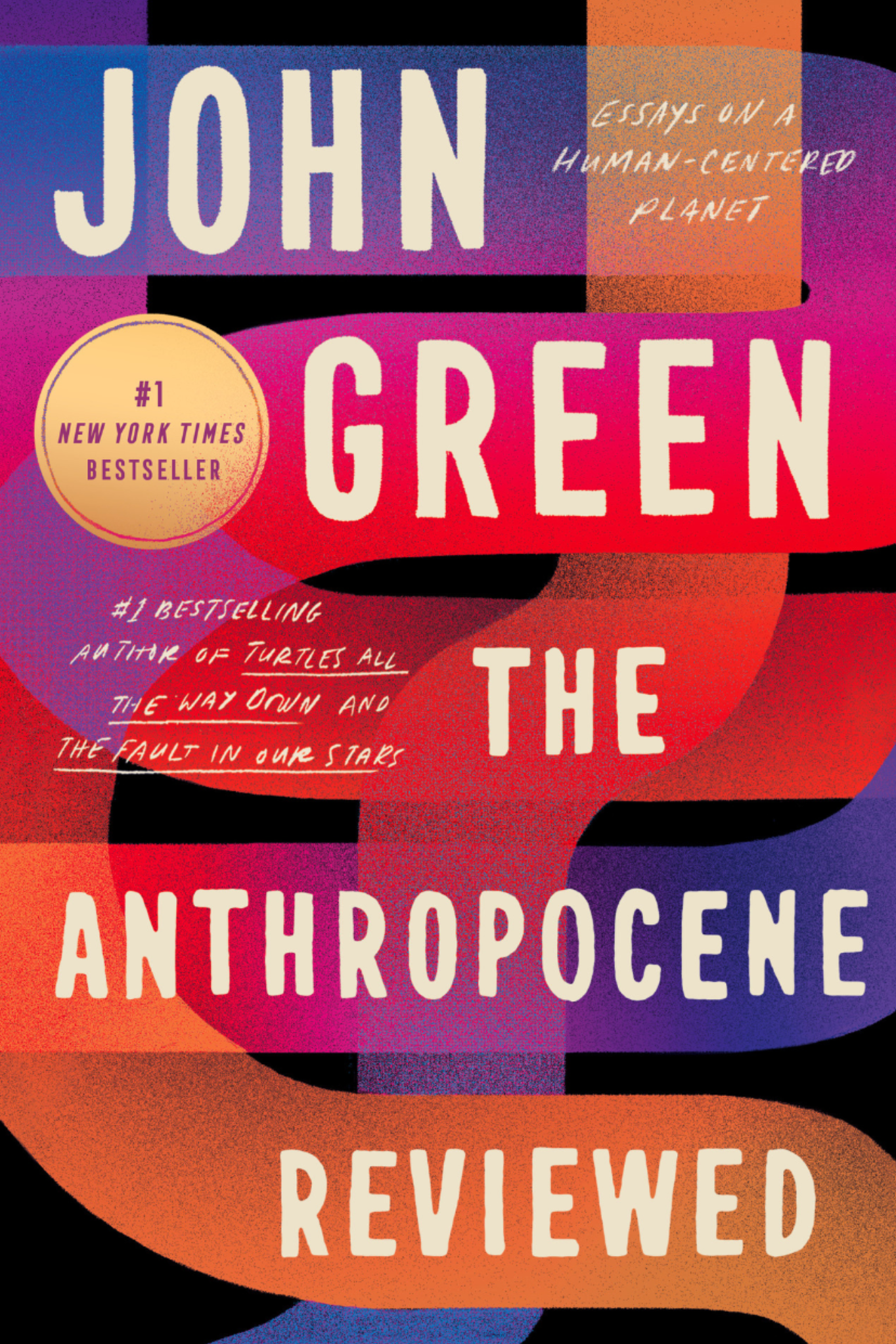
THE ANTHROPOCENE REVIEWED by John Green

That pesky radical optimism again (hi Dua Lipa was my top artist on Spotify Wrapped this year). John Green delivers a wonderful collection of essays reviewing the myriad ways humans have–for better or worse–made an impact on this planet–and then proceeds to rank them on a five-star scale. The premise may be slightly facetious, but Green never fails to consider his subjects in a thoughtful, measured, and inherently hopeful manner. ⠀

A humorous and heartfelt celebration of humanity, I give The Anthropocene Reviewed five out of five stars.⠀

DIAVOLA by Jennifer Thorne

My favorite Hallowe’en read not actually read during the Hallowe’en season. A Gothic and thoroughly modern ghost story that explores family dynamics in a more visceral and brutally honest manner than most high-brow contemporary novels. ⠀

I loved a lot of things about Diavola, but mainly I adored its Dumpster-fire protagonist, a veritable harbinger of chaos, and how the story proceeded to validate her nature rather than condemn it, making this an exceedingly fun and cathartic read.⠀

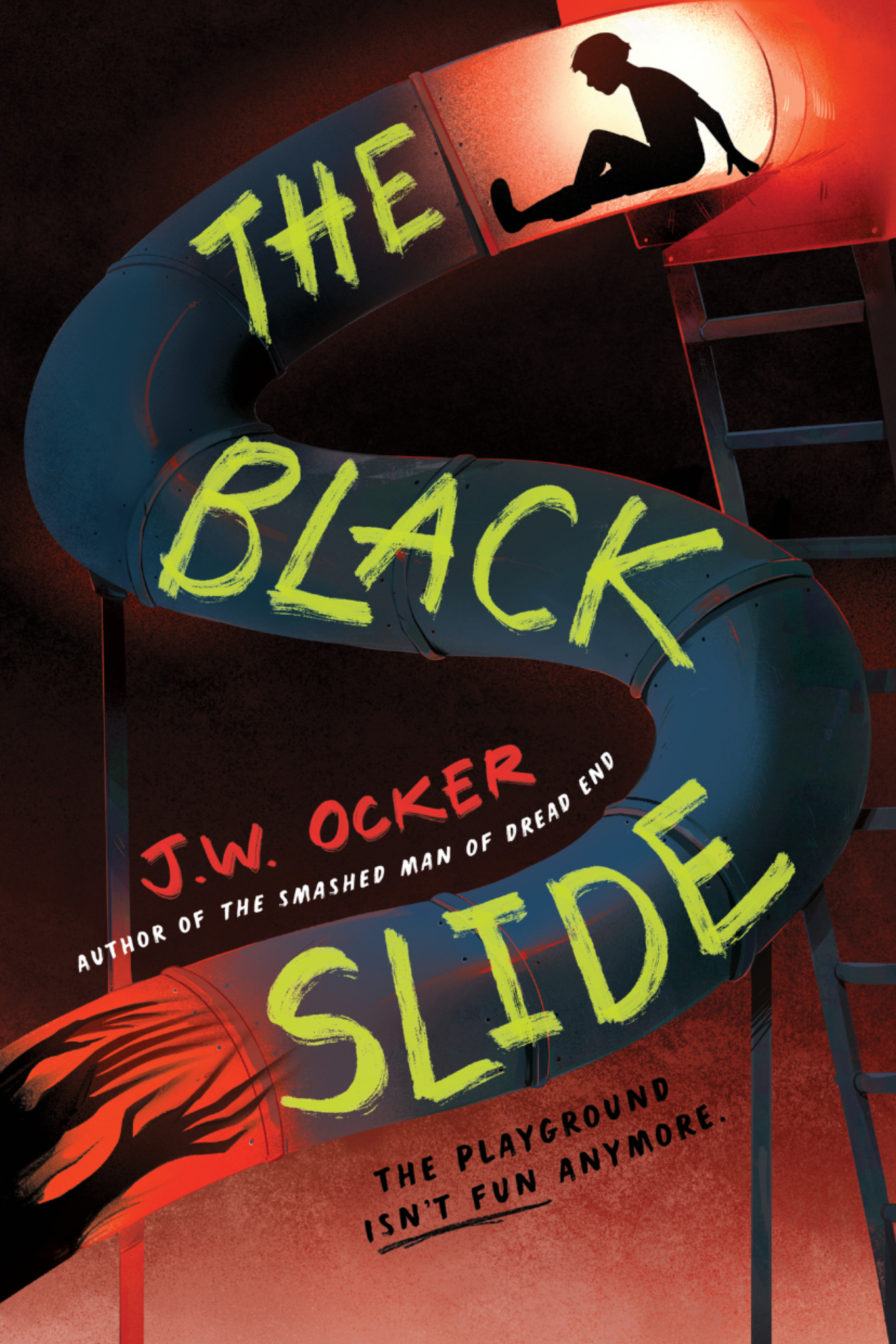
THE BLACK SLIDE by J.W. Ocker

There are few things I respect more than children’s horror novels that aren’t afraid to go dark and still remain full of heart. J.W. Ocker’s middle grade work is characterized by this trait, but he took it up a few considerable notches with The Black Slide, and it’s all the better for it. Harrowing, haunting, and heartfelt. More children’s horror like this, please. 

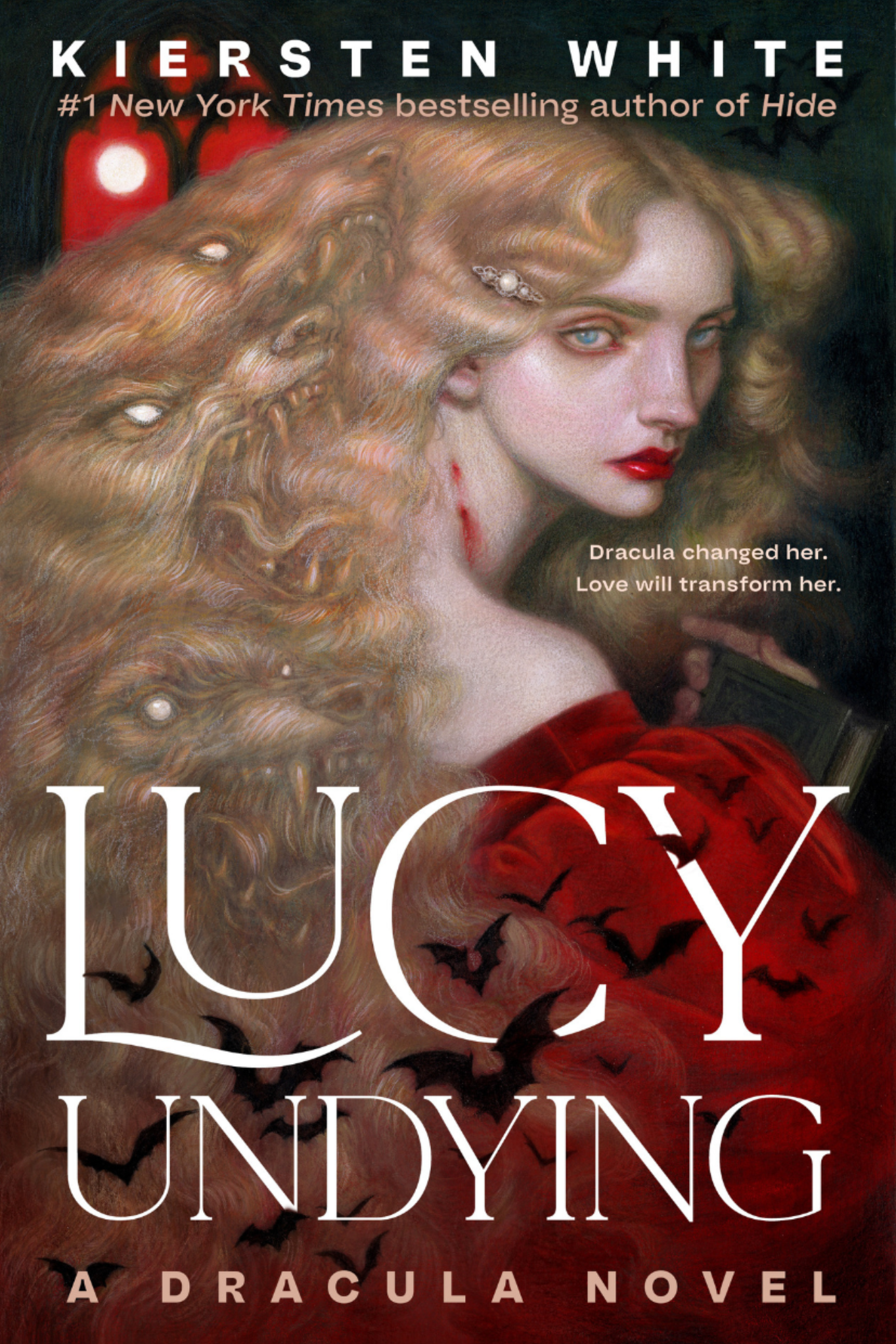
LUCY UNDYING by Kiersten White

My favorite Hallowe’en read actually read during the Hallowe’en season. I just loved the hell out of this. Very much a spiritual companion to Kiersten White’s previous novel, The Dark Descent of Elizabeth Frankenstein. Lucy Undying is likewise gloriously Gothic, unreservedly feminist, and meandering in the most interesting, fascinating ways. A hell of a read.


I hope you all had a great year, and I hope the next one treats us well.

See you on the other side.

📖

JANUARY 2024

Oh hi hello here’s what I read during the month of January.

Christmas Days by Jeanette Winterson. I observed the Twelve Days of Christmas by reading one story from this for the past, well, twelve days. It’s my first Winterson book, but it certainly won’t be the last, as I just fell absolutely head-over-heels in love with her writing. In this immaculate, gorgeous collection, Winterson runs through the gamut of the Christmas spectrum: from traditional ghost stories to whimsical fables to mawkish, sickly-sweet declarations of love — she writes it all with a poetic aplomb that I found irresistible. This extends even to her cooking instructions. In fact, a lot of the passages that affected me the most came not from the proper fictional stories themselves, but from the lengthy personal anecdotes that preceded the recipes included here (a notion that’s become something of a cultural meme, but in Winterson’s deft hands, it simply becomes another space in which to write another magical thing). Just a stunning, beautiful piece of work that I can easily see myself revisiting each year as part of my own personal Twelvetide tradition.

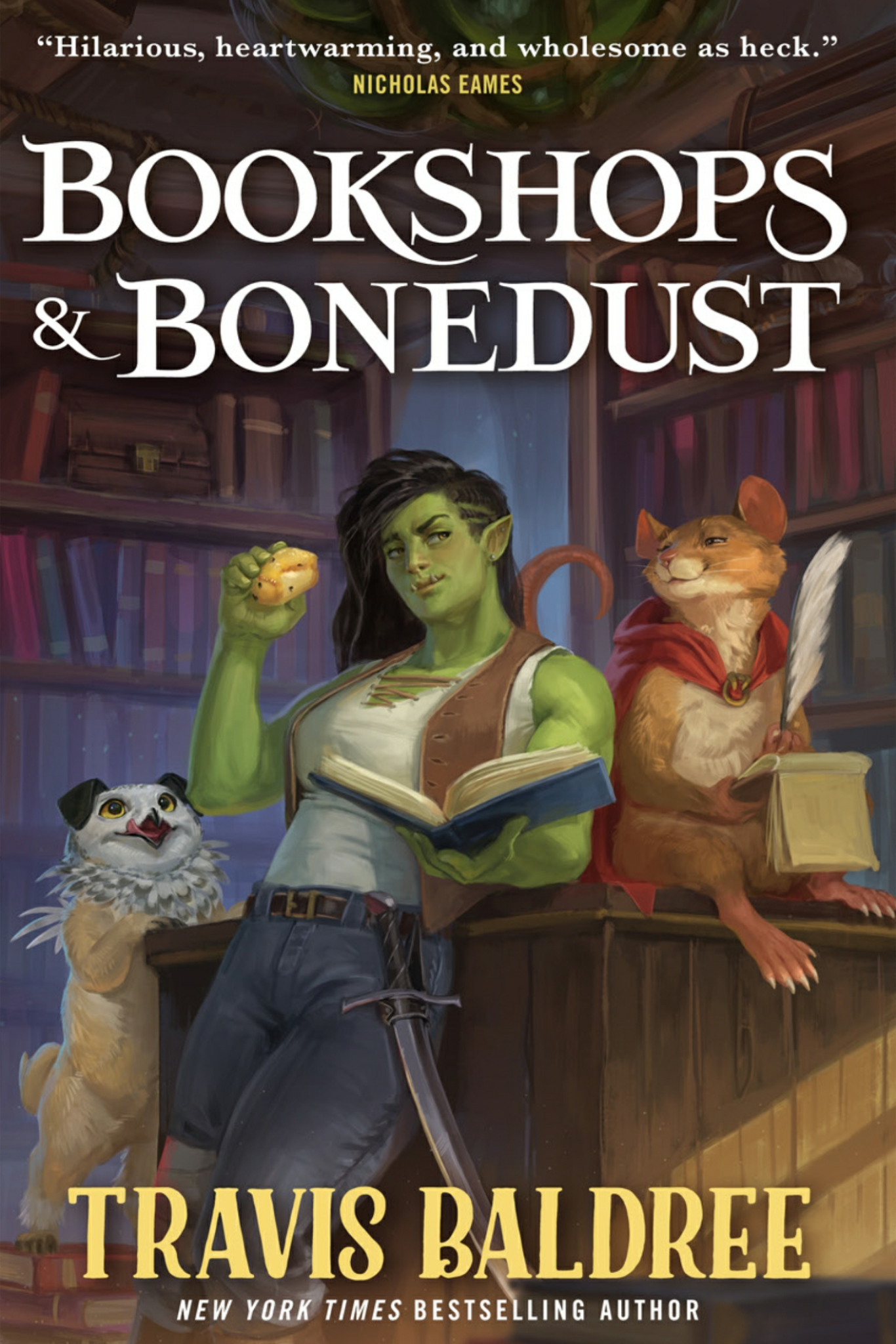
Bookshops & Bonedust by Travis Baldree. The coziest way to start the new year. Wrote about this here.

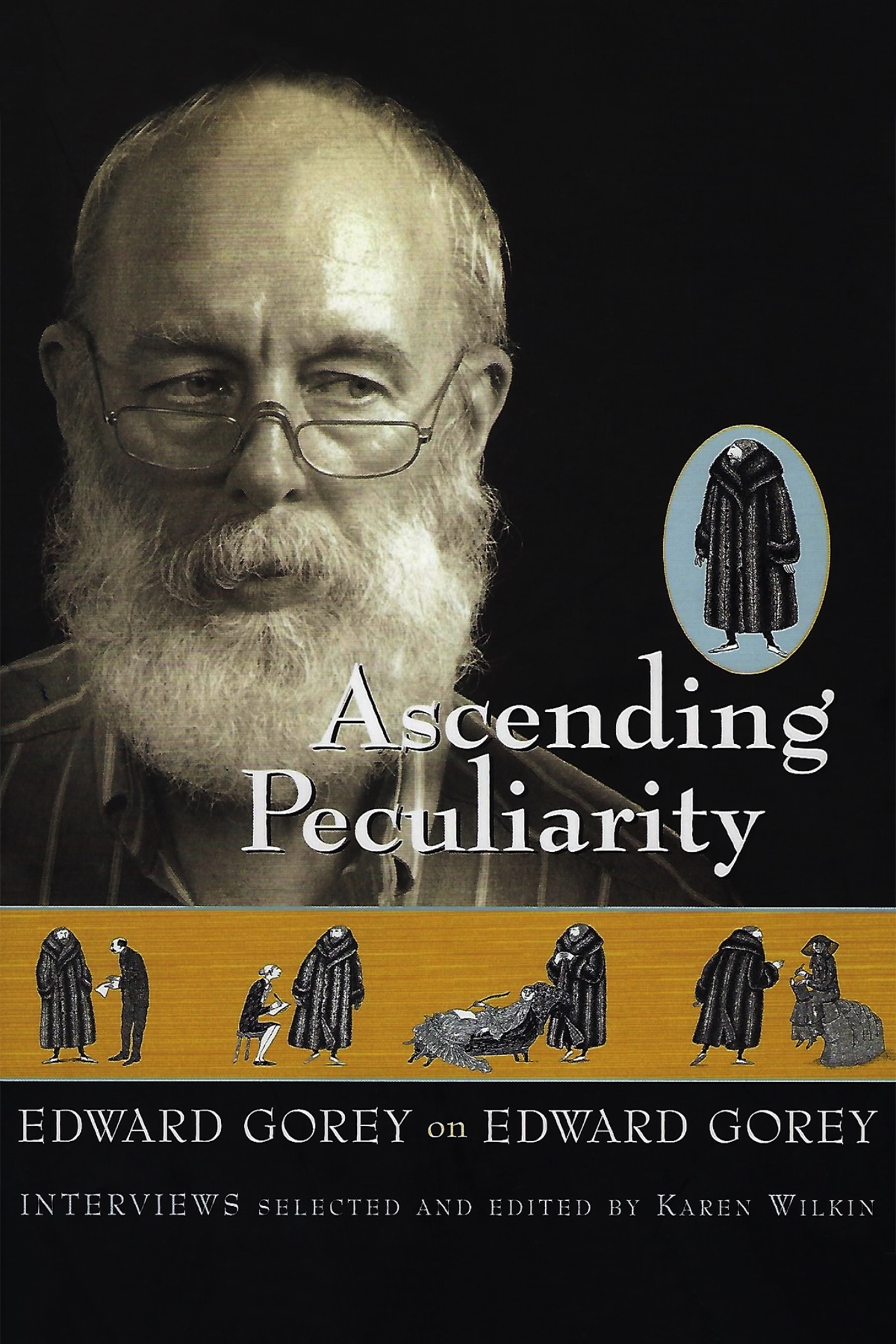
Amphigorey / Ascending Peculiarity by Edward Gorey. Gorey was a wonderful weirdo and I love him. Also wrote about this one.

Daily Rituals: How Artists Work by Mason Currey. I love reading about creative peoples’ creative habits and this was a delightful collection.

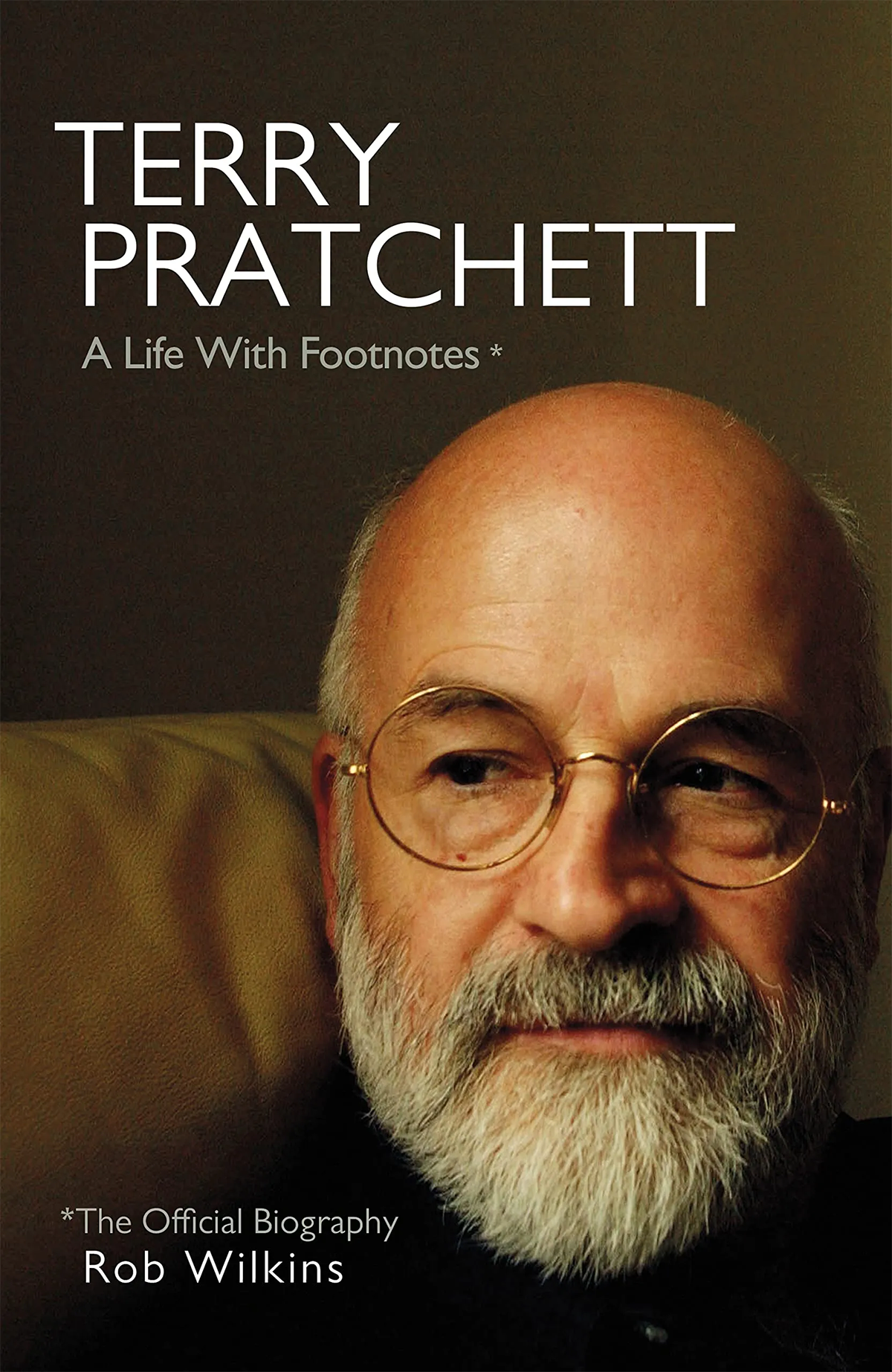
Terry Pratchett: A Life With Footnotes by Rob Wilkins. Already wrote about my experiences with this one. I miss Terry.

The Wee Free Men by Terry Pratchett. Wrote about this too. I really, really miss Terry.

My Father, the Pornographer by Chris Offutt. Heart-wrenching story about fathers and writing and obsession. One of the most fascinating memoirs I’ve ever read.

I also read some short stories:

The Beautiful People” by Robert Bloch I enjoyed mostly because at times it read like a particularly weird episode of Mad Men. An entertaining little shocker of a story, though. Nothing mind-blowing, but Bloch’s writing is effortless, making for the smoothest of reads.

“Selfies” by Lavie Tidhar had a great and creepy concept but was also entirely too short.

And that’s it. This was the best reading month I’ve had since last October. Which is surprising because January is usually a very uneven, slow period for me, characterized by reading slumps and just general exhaustion after the holiday season. But not only did I manage to read quite a bit this time around, I also ended up loving pretty much everything I picked up. It’s a nice change of pace. And a hell of a start to my reading year.

THE WEE FREE MEN by Terry Pratchett

the wee free men by terry pratchettI had to check. The Wee Free Men is the first Terry Pratchett book I’ve picked up in nearly eight years. I honestly couldn’t tell you why it’s been so long, because I adore Pratchett’s writing. Maybe somewhere deep down I feel I should deprive myself of wonderful things. I don’t know. In any case, Rob Wilkins’s wonderful biography shook me out of this foolish reverie, and I can only be grateful, because of course I ended up loving Tiffany Aching’s first outing, in the fiercest of ways.

“Fierce” is the appropriate word. Because while ostensibly a children’s book, Wee Free Men is also a sterling showcase of how Pratchett channeled his famous anger. An anger that stemmed not from malice or pettiness, but from a place of deep empathy. He took note of the myriad of ridiculous ways people could be awful to one another, how easily we can slip into selfish, sinister roles. He witnessed, in short, the injustice of the world, and he raged righteously and furiously against it. Thus: Tiffany Aching, an angry character if there ever was one — and one of the finest protagonists I’ve ever come across.

Like Terry, Tiffany chooses to be pragmatic with her rage. She may come from a small, sometimes infuriatingly closed-minded community, but it is her home. Her parents may not exactly pay much attention to her, but she knows she is cherished and cared for all the same. She has a little brother, who is often as sticky as he is annoying. She’s not entirely sure she loves him, not really, but she figures that doesn’t matter — he is her duty and her responsibility. So when outside forces threaten the safety of these things Tiffany considers her own, well, she just won’t stand for it. She will, indeed, fight back (with the help of some particularly aggressive and devoted blue-skinned pictsies). And it is a glorious and beautiful thing to behold.

The Wee Free Men is a story about family and duty; freedom and rebellion; the magic of the mundane. About how vital and important it is to take care of one another, not just because of sentimental reasons, but simply because that is how the flock carries on, forever and ever, wold without end. It is one of the finest things Pratchett ever wrote.

TERRY PRATCHETT: A LIFE WITH FOOTNOTES by Rob Wilkins

terry pratchett by rob wilkinsI laughed. I cried. I cried while laughing and I laughed while crying. Reading Terry Pratchett: A Life With Footnotes, Rob Wilkins’s biography of his deceased employer slash mentor slash partner was a beautiful emotional journey.

Usually I prefer my biographies to be a bit more impartial towards their subjects. A healthy distance, I find, makes for a clearer, more cohesive profile. Wilkins was literally unable to do that, so instead he delivered a profoundly intimate portrayal of a beloved friend – and the book is all the better for it, which goes to show how much I know.

It is also an exceptionally candid account, which surprised me to no end. These sorts of biographies tend to be written with rose-colored glasses on the author’s face, with the most unpleasant aspects of a person’s life either glossed over or simply not dwelled upon. Wilkins doesn’t shy away from the uncouth, churlish aspects of his relationship with the writer, who could be flighty and temperamental in the best of times, and a cantankerous, capricious bastard at the worst. It’s a refreshingly raw and honest approach, and it makes the more heartfelt, touching moments which abound in this book all the more pointed and impactful.

And it’s a remarkably funny book – as it damn well should be. Terry would be ineffably proud of his personal assistant.

But in the end the best possible thing I could say about this biographical tome is that it made me pick up a Pratchett book immediately after finishing it. Terry’s novels are, after all, small miracles, as Neil Gaiman sagely observed. Rob Wilkins tells us exactly why.