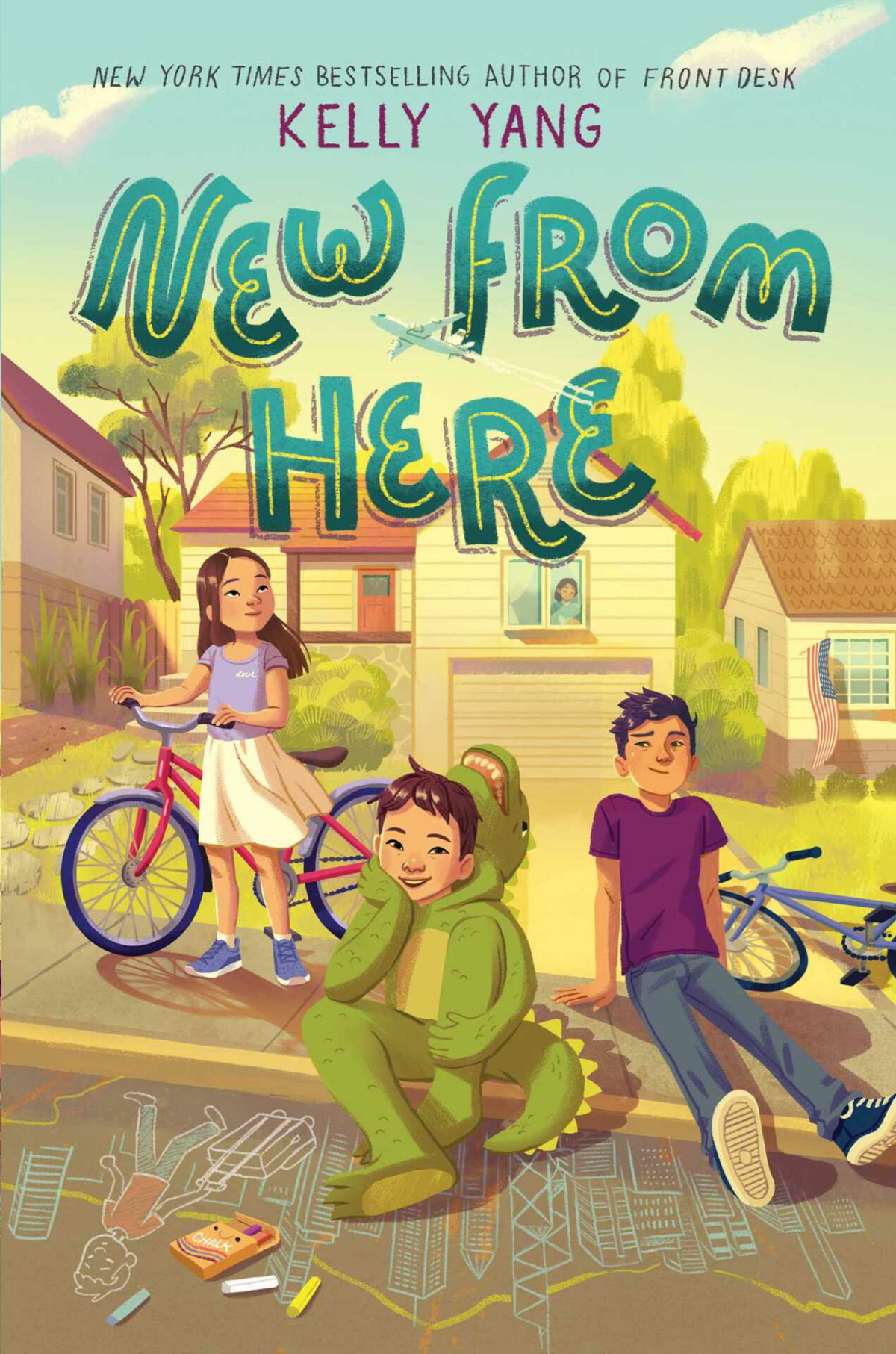
NEW FROM HERE by Kelly Yang

new from here by kelly yangAbout halfway through the first year of this pandemic there was already talk about writers working on books that dealt with the pandemic. Publishers announced, multiple times, the First Novel That Deals With Covid. ⠀

⠀It was news that was met by the general public with a less than enthusiastic response. “I don’t want to read about this while it’s still happening,” was the sentiment I kept coming across. “Fiction is for escapism.” I mostly agreed. There will be, hopefully, plenty of time to dwell on the trials and tribulations of this whole ordeal after. Why would I bother reading about something I was living through now?⠀

But of course that’s not entirely true. We all may be going through the health crisis, but our individual experiences of it are never going to be exactly the same. And experiencing the world through the eyes of other people is what fictions is all about, much more so than simple escapism.⠀

That said, while I still feel some apprehension to pick up stories that deal with our present predicament, of course I would make an exception for middle grade, since fiction aimed at young people tends to deal with current, immediate issues much more effectively and sympathetically than most other forms of literature. It’s that immediacy and sense of urgency that puts it at the forefront when it comes to conversations of diversity and representation. It’s important for us adults to see our lives on the page, but it’s much more important for kids to see theirs first. ⠀

I can’t think of another story out right now that seems to represent all of the standards above more than New From Here by Kelly Yang, a story based on the author’s own experiences of moving her family from Hong Kong to California right at the beginning of the pandemic, and the struggles they faced in the ensuing rise of racist attacks against Asian communities in the United States.⠀

As someone who has been privileged enough to only deal, for the most part, with increased isolation and anxiety during these strange, tumultuous times, New From Here feels like an important and necessary experience to witness.

PATINA by Jason Reynolds

patina-by-jason-reynoldsAnother pickup from this past weekend. I had read Ghost, the first entry in the Track series by personal fave Jason Reynolds a couple of years ago, and it more or less blew me away. So it’s nothing but a shame that it took me so long to get to its follow-up, Patina, because I ended up loving and appreciating this story even more.

Ghost is an explosive story, literally beginning and ending with shots going off. Patina, in comparison, is a much quieter story, dealing as it does with the many routines and responsibilities of its title character. It’s a subdued tone that belies deeper, heavier themes, though. Still waters run deep, etcetera.

Reynolds’ dedication reads, “For those who’ve been passed the baton too young.” Patina is the story of a young Black girl forced to grow up entirely too soon. After the sudden death of her father, and after her mother’s increasingly degenerating diabetes takes away her legs, Patina “Patty” Jones, all of twelve, feels it’s up to her to pick up the pieces of their upended life. So she assumes responsibilities of the household, making sure her mother is taken care of and especially looking after her baby sister, Maddy. Unable to suitably take care of her daughters, the girl’s mother arranges for them to move in with her doting brother-in-law and his wife, which eases the burden some, but Patina remains convinced that the load is hers to carry alone. It’s a weight that is slowly but surely suffocating our protagonist. And so, like Castle Crenshaw before her, she uses running as an outlet and escape.

That’s kinda what running was to me. A way to shut people up. A way to… I guess, sometimes even shut myself up. Just turn it all off. Leave everything, all the hurting stuff, the unregular stuff that seemed so regular to me, in the dust.

This is only the second entry in this series, but it’s clear that one of the central themes in the Track books is about recognizing and dealing with trauma, using the act of running as a metaphor (the act of which, as Reynolds has previously stated, is your body dealing with physical trauma). It’s a symbolism that in Reynolds’ clever and poetic hands goes the distance. (The novel’s main conflict has to do with Patina’s reluctance to share her responsibilities and accept help from other people… while at the same time training for a relay race, which is all about relying and trusting your fellow runners.)

Ultimately what makes this story so compelling is that we’ve all had a Patina (or multiple Patinas) in our lives. They are our mothers and our sisters; our partners and our friends. Practical women who find themselves carrying the weight of the world on their shoulders. Women who, far too often, go uncelebrated and unrecognized. Patina recognizes, and it celebrates.

Compassionate and wonderful. Jason Reynolds never fails to impress.

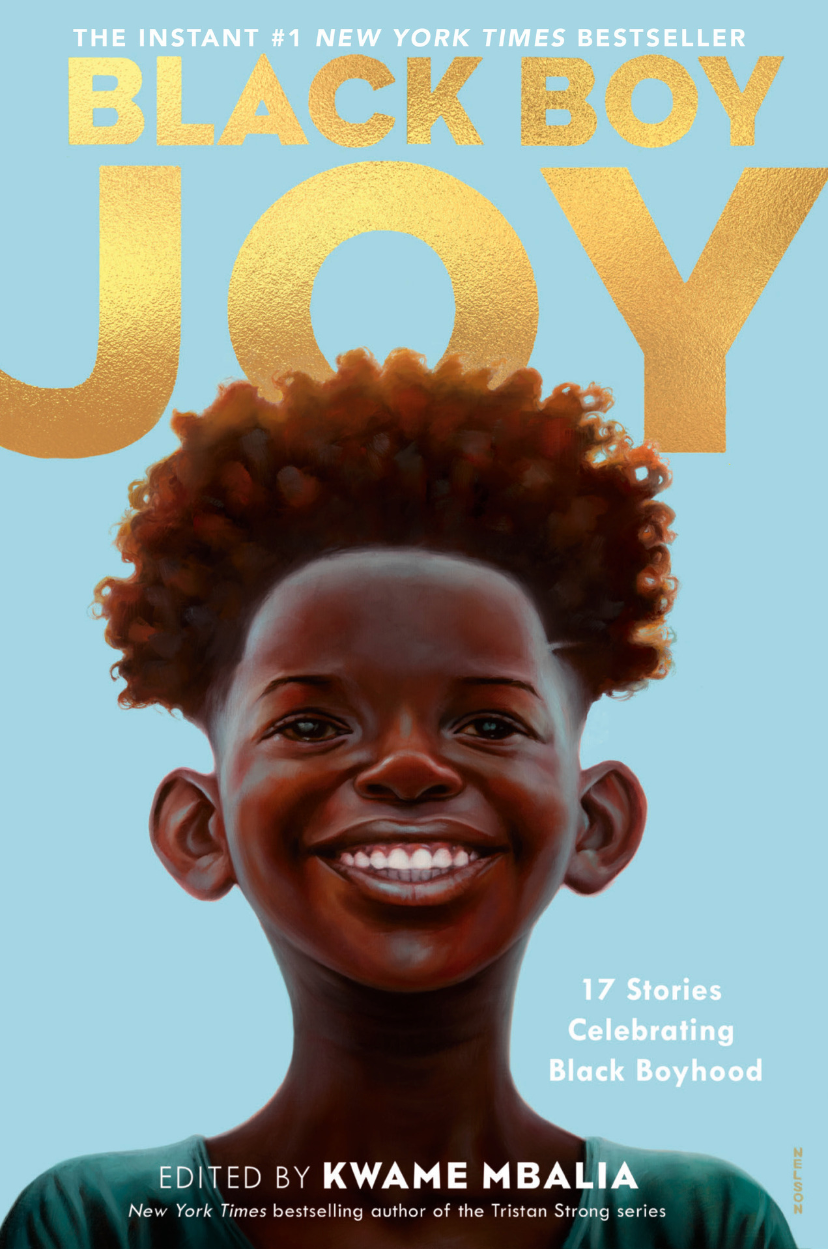
BLACK BOY JOY edited by Kwame Mbalia

black-boy-joy-by-variousRead this over the weekend and it was, as the cover promises, an absolute joy. A wonderful collection of stories celebrating Black boyhood written by some of today’s most captivating authors. Some I was already familiar with — my main dude Jason Reynolds; fantasy darling P. Djèlí Clark — for most, though, this was my first experience with their work, but I will definitely be checking out more of their stuff from now on.

Honestly, most of the stories delivered, but some standouts:

  • “There’s Going to Be a Fight In the Cafeteria on Friday and You Better Not Bring Batman” by Lamar Giles, which read exactly like an episode of Craig of the Creek and was just one of the most wholesome things I’ve ever read. (Also for having the absolute best title in the collection.)
  • “The Legendary Lawrence Cobbler” by Julian Winters, for some lovely bit of queer representation.
  • “First-Day Fly” by Jason Reynolds, for having the collection’s perhaps most simplistic story (a kid getting ready for his first day back to school) be also its most playful in terms of style (it’s written in the second person).
  • “Coping” by Tochi Onyebuchi, for being the skateboarding story of my dreams. Also one of the first effective pieces of fiction I’ve read that deals with the pandemic.
  • “The Gender Reveal” by George M. Johnson, for bringing the nonbinary rep and also the tears.⠀
  • “Our Dill” by Justin A. Reynolds, for being the funniest of the lot.⠀
  • “Percival and the Jab” by P. Djèlí Clark, for bringing Jumbies back into my life and leaving me wanting more.⠀

These stories are framed by vignettes written by Kwame Mbalia, the collection’s editor. They follow a griot (a West African storyteller and musician, here presented as a sort of wizard, because that’s what artists are) and his young apprentice as they travel through worlds collecting joy, which they store in a massive jar, to be used for later. They succeed, needless to say. Black Boy Joy is a beautiful collection.

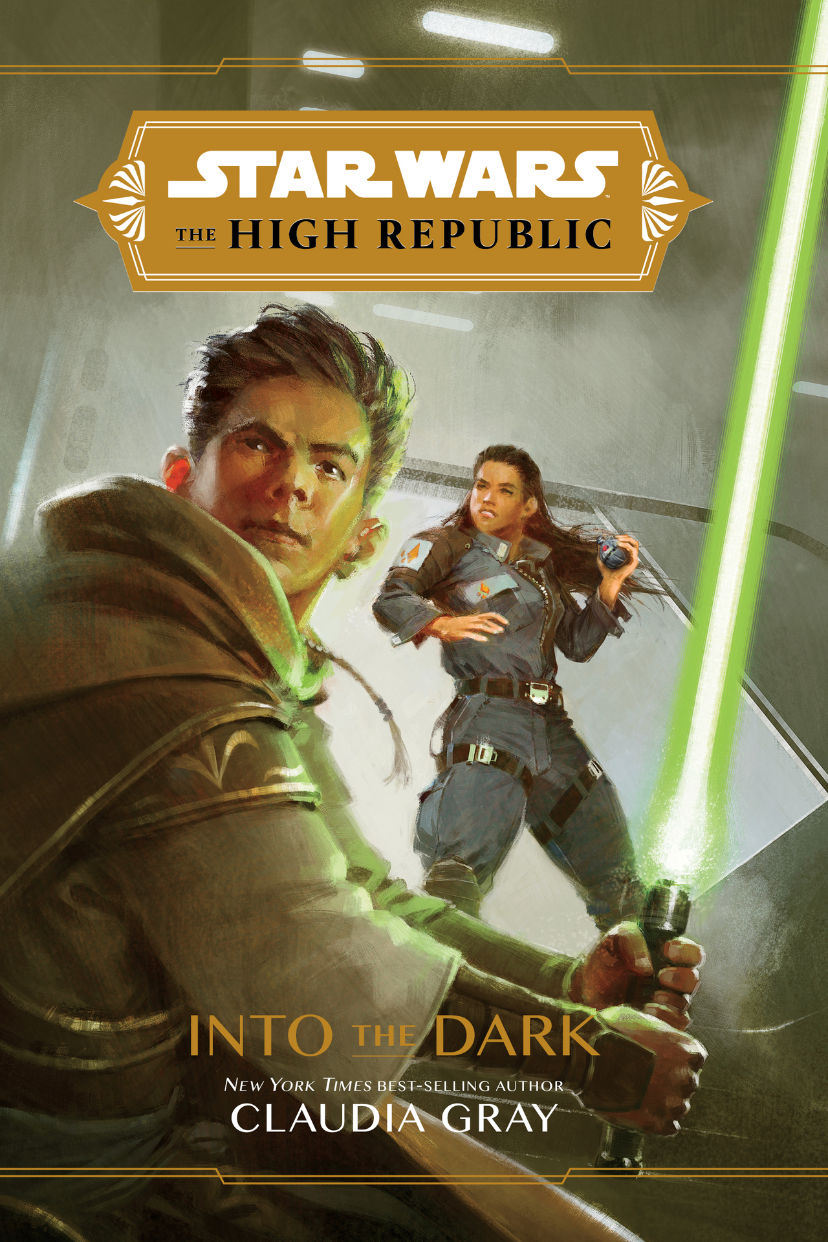
INTO THE DARK by Claudia Gray

Publisher’s summary: Padawan Reath Silas is being sent from the cosmopolitan galactic capital of Coruscant to the undeveloped frontier—and he couldn’t be less happy about it. He’d rather stay at the Jedi Temple, studying the archives. But when the ship he’s traveling on is knocked out of hyperspace in a galactic-wide disaster, Reath finds himself at the center of the action. The Jedi and their traveling companions find refuge on what appears to be an abandoned space station. But then strange things start happening, leading the Jedi to investigate the truth behind the mysterious station, a truth that could end in tragedy….

○○○

Claudia Gray is my absolute favorite Star Wars writer. From Lost Stars to her Leia books to Master and Apprentice, I have enjoyed her forays into this galaxy far, far away.

Which only makes it more of a shame that I really couldn’t get invested in Into the Dark, her first entry into the High Republic era. 

Don’t get me wrong: Gray continues to be an excellent Star Wars author. She’s included here a bunch of characters that I loved (bookish Padawan! space Matthew McConaughey! a sentient rock!). And Gray continues to write about the Force better than any other author — I highlighted a great many lines from this novel. 

But still, the story felt a little lacking.

It’s a by-product of being part of a multi-platform storytelling project, I suppose. The main story of Star Wars: The High Republic is being told through a trilogy of books, while a slew of stories told through audiobooks, comics, YA and middle grade novels acting more or less as support and supplementary material. And it’s this extra content that seems often to get bogged down by too much continuity noise and baggage that spins out of the primary plot line.

And it’s also because this novel just largely lacked Gray’s opposing outlook angle that is present in most of her works: Lost Stars (literal star-crossed lovers, one of whom is a Rebel, the other an Imperial); Bloodline (Leia, the rebel senator, begrudgingly teaming up with someone who holds an entirely different ideology); Master and Apprentice (Qui-Gon’s mystical approach to the Force at odds with his Padawan’s more pragmatic, traditional take). We find it even in her non-Star Wars work, such as in Defy the Stars (two people on opposing sides of a war fall in love). It’s a technique that Gray particularly excels at, allowing her as it does to better explore the gamut of the tensions and conflicts that make up a proper pulp narrative, making for a more involved and compelling read.

We get hints of that in Into the Dark — Jedi Masters feeling conflicted towards the Order’s austere methods; a Padawan questioning the path laid out by their Master — but it’s not the engine that drives the plot, and I found myself thinking it would be a richer, more substantial story if that were the case.

Regardless, Gray has only been adding great things to Star Wars’ already significant lore, and I hope she gets to do so for a long time. I’ll still be there reading every step along the way.

YEAR IN REVIEW ○ 2021

The best I can say for 2021 is that it was certainly A Year. Entirely too much turmoil for my liking, but we made it through, and that’s not nothing. 

I read a great many books in 2021. More than I ever have previously in my life, in fact. A response, I suppose,  to all the rocky happenings in both the world and my own personal life. I’ve said it before and I’ll say it again: stories are my bright, shining beacons in the dark. The warm,  safe spaces I seek out when life, the universe, and everything get to be too much. In 2021, things got much too much, and so, naturally, as often as I could, I headed towards the light.

THE STORIED LIFE OF A.J. FIKRY by Gabrielle Zevin

This story wrecked me, plain and simple. Which is infuriating because in some ways it’s so full of clichés and well-trodden tropes that it shouldn’t have worked on me. It shouldn’t have been able to manipulate my feelings. But it did, and welcomed it. A beautiful story.

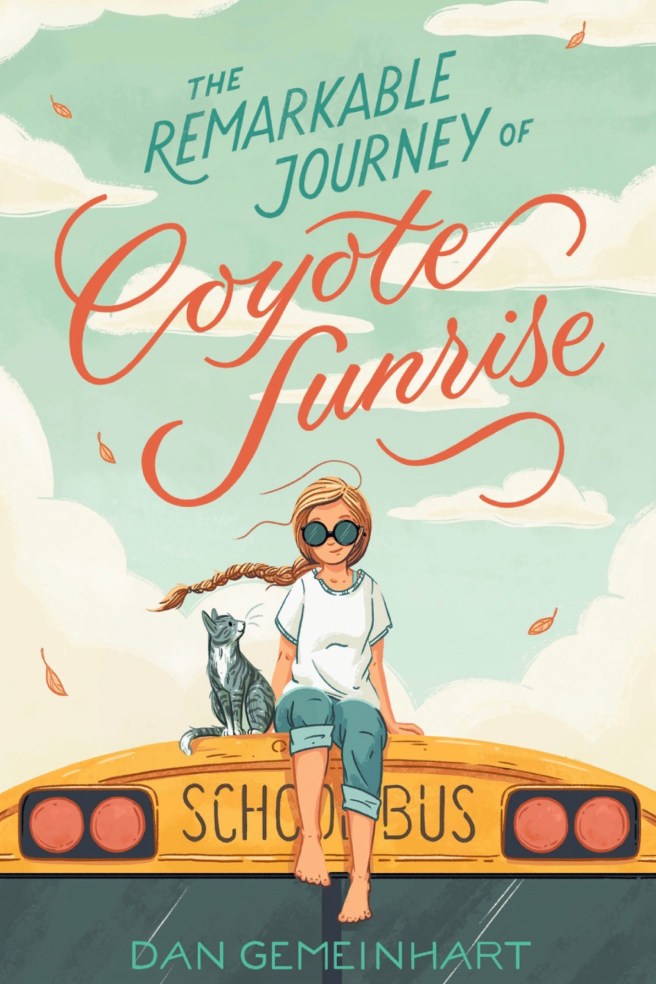
THE REMARKABLE JOURNEY OF COYOTE SUNRISE by Dan Gemeinhart

This middle grade novel dealt with death and grief better than most adult fiction I’ve read. A heavy book, full of wonderfully realized characters that are designed to break your heart — and they most certainly will. I will miss reading about all of them.

The title of this book is totally accurate.

MAGPIE MURDERS by Anthony Horowitz

Went full in with murder mysteries this year. It’s a genre I’ve always enjoyed in some form or another, but it’s become a favorite and a safe space in the last couple of years. Knives Out has a lot to do with it, yes, as the film has basically become my lodestar in terms of what I look for in these stories. This delightfully twist, heavily meta story comes closer to that ideal than pretty much any other thriller I’ve read so far. So much fun.

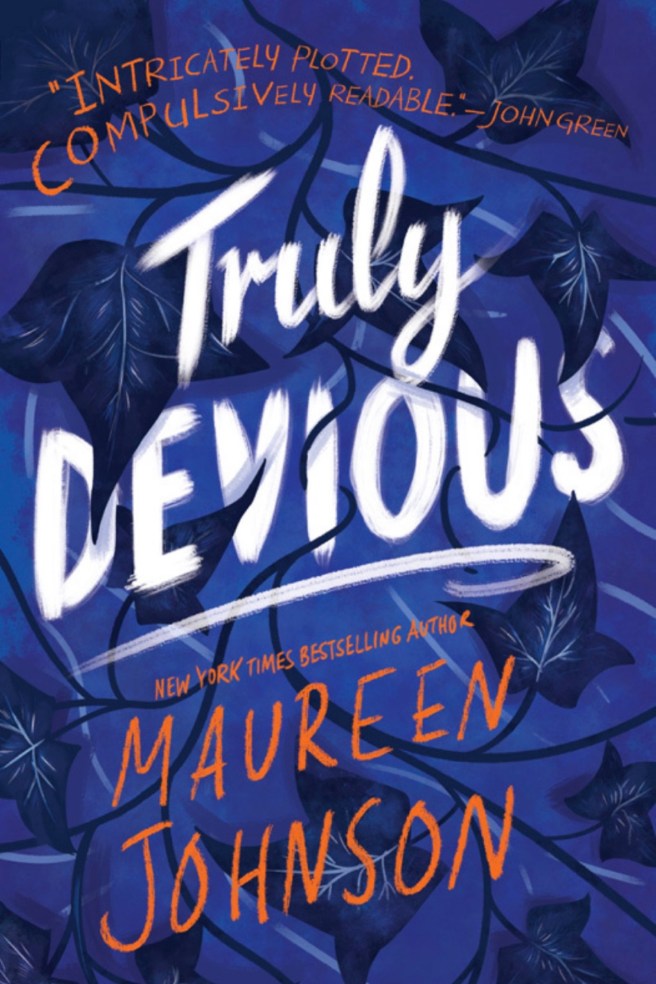
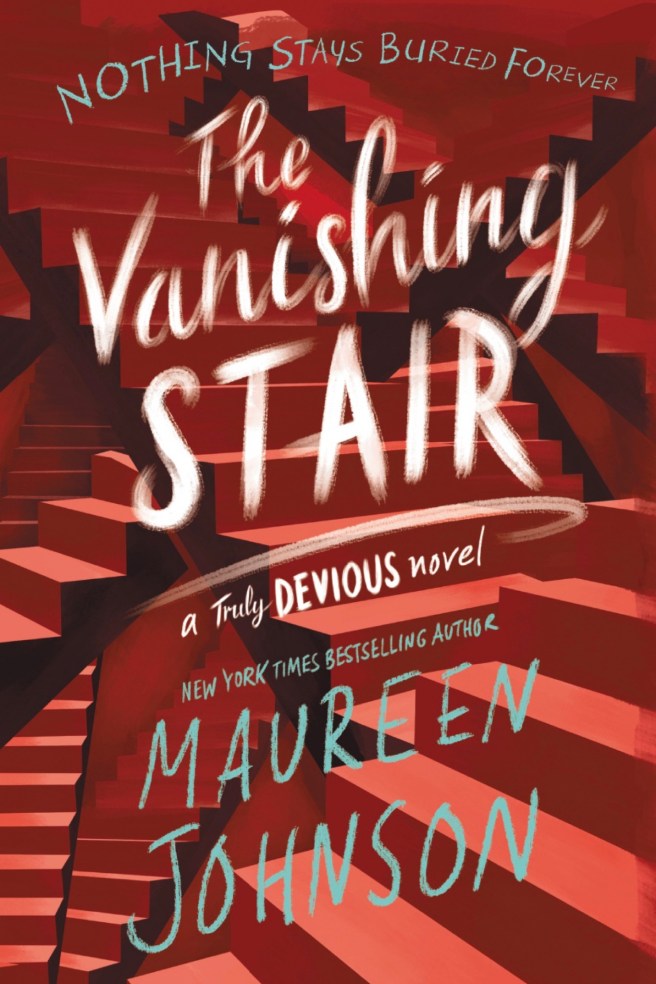
THE TRULY DEVIOUS SERIES by Maureen Johnson

The first half of my summer this year was spent reading this series, an event that was well-documented in my Instagram page.

I thoroughly dug all the mystery and atmosphere conjured up in these books, but I loved them because of all the amazing characters. Stevie, in all her anxious, stubborn glory, has definitely become one of my all-time favorite sleuths.

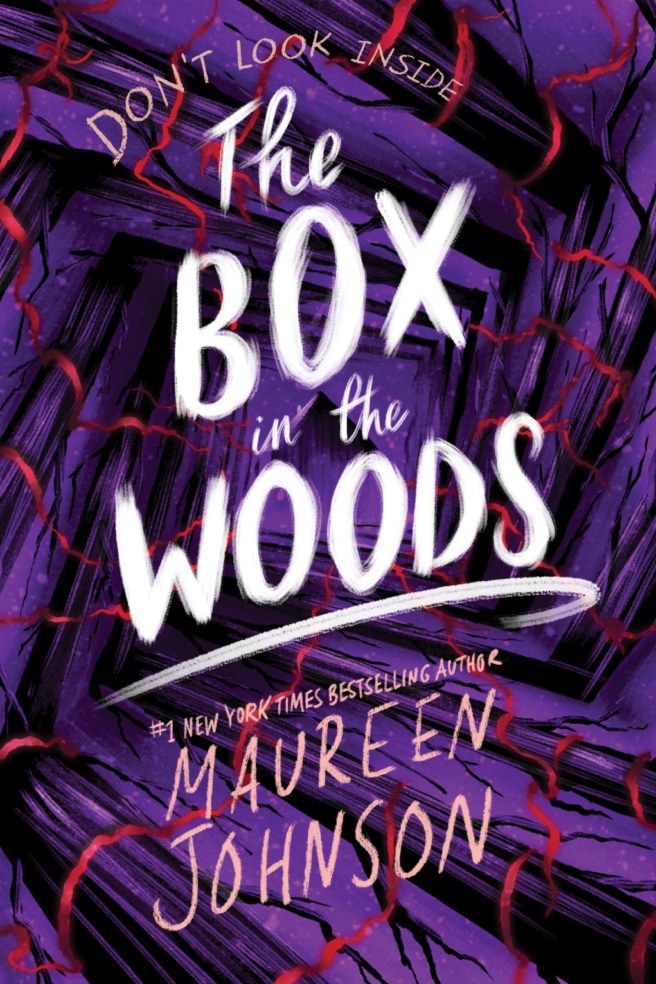
THE BOX IN THE WOODS by Maureen Johnson

I finished the Truly Devious books thinking that Johnson could write mysteries indefinitely and I would well and truly be on board. It seems we’re getting exactly that, and I was elated to find that this book was even better than those that preceded it. Johnson injects the story with a higher dose of horror that serves the story remarkably well, setting it apart from the cozyesque feeling of Stevie’s first case. I had a blast reading this, and I can’t wait for the further adventures of Stevie Bell and her gang.

THE THURSDAY MURDER CLUB by Richard Osman

The murder mysteries continue! I read this at the close of the year, but I finished it thinking it was a definite favorite. Just a lovely, whimsical, funny story — a bright light in the darker half of the year.

I grew up loving The Golden Girls, so I have a soft spot for quirky groups of charming older folks, and I loved the members of the Thursday Murder Club so much that I wished they were real.

MALIBU RISING by Taylor Jenkins Reid

I’ve read three novels by Taylor Jenkins Reid, and I have loved — and been destroyed by — every single one of them. An amazing author who writes some of the most complex, realistic characters I’ve ever come across in fiction. The Rivas family continue this tradition by being messy and ugly and glorious and captivating like a wildfire.

THE GALAXY, AND THE GROUND WITHIN by Becky Chambers

Another author whose work I’ve deeply fallen in love with these last couple of years. Ground Within serves as the finale for her much-beloved Wayfarers series, a set of interconnected stories set in space that are less about shiny spaceships and more about relationships and perseverance. It’s a series that features more alien species than it does humans but still manage to be some of the most humany-wumany stories I’ve ever read. I will miss this universe, and will gladly and eagerly travel with Chambers to any other corner of space she might explore.

SUPERMAN SMASHES THE KLAN by Gene Luen Yang, Gurihiru

In a year where I consumed a lot of great comic book-related content, it was this small story of Superman fighting against a hate group targeting a family of immigrants that stuck with me the most. It’s just such a quintessential Superman story.

Gene Luen Yang has long been a favorite storyteller, but his more recent work continues to be on another level entirely. I will read whatever he writes.

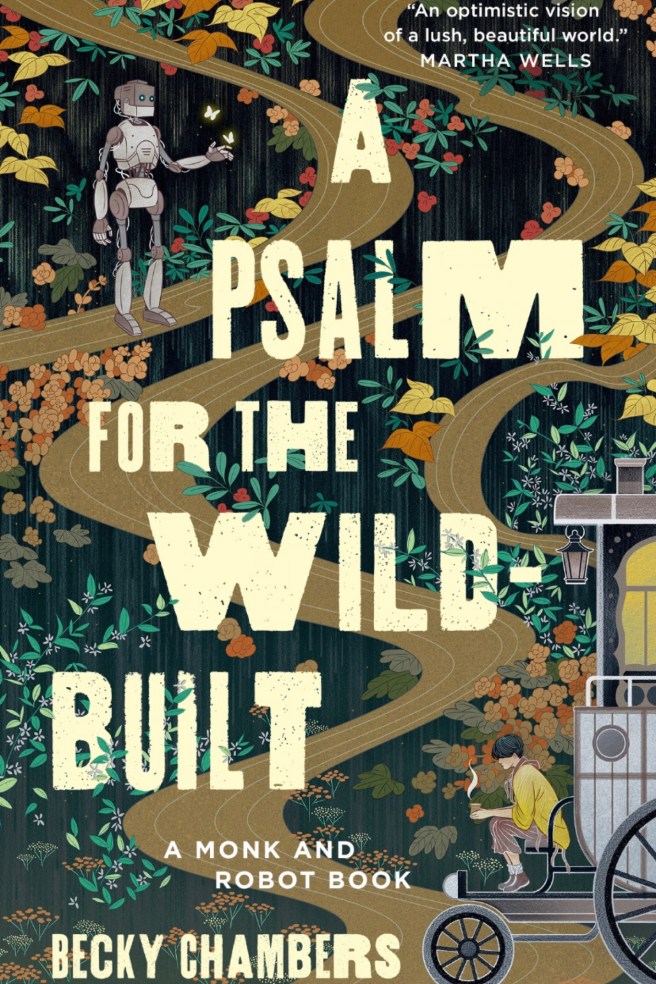
A PSALM FOR THE WILD-BUILT by Becky Chambers

Chambers again, exploring another corner of space. The first book in a new series centering around the travels of a monk trying to find their purpose in life and a robot wishing to understand humanity. It’s a story of feeling drained and burned-out and trying to find stillness in the world.

After two years of both physical and mental exhaustion this book spoke to me more than any other I read this year. I loved it, utterly and completely. So much so that I started reading it again immediately after finishing it, which I have never done before. I finished yet another re-read just before I started working on this post.

My favorite book of the year, needless to say.


Have a safe and happy New Year. Remember to always seek out the light. See you on the other side.

CHRISTMAS READS 🎄 2021

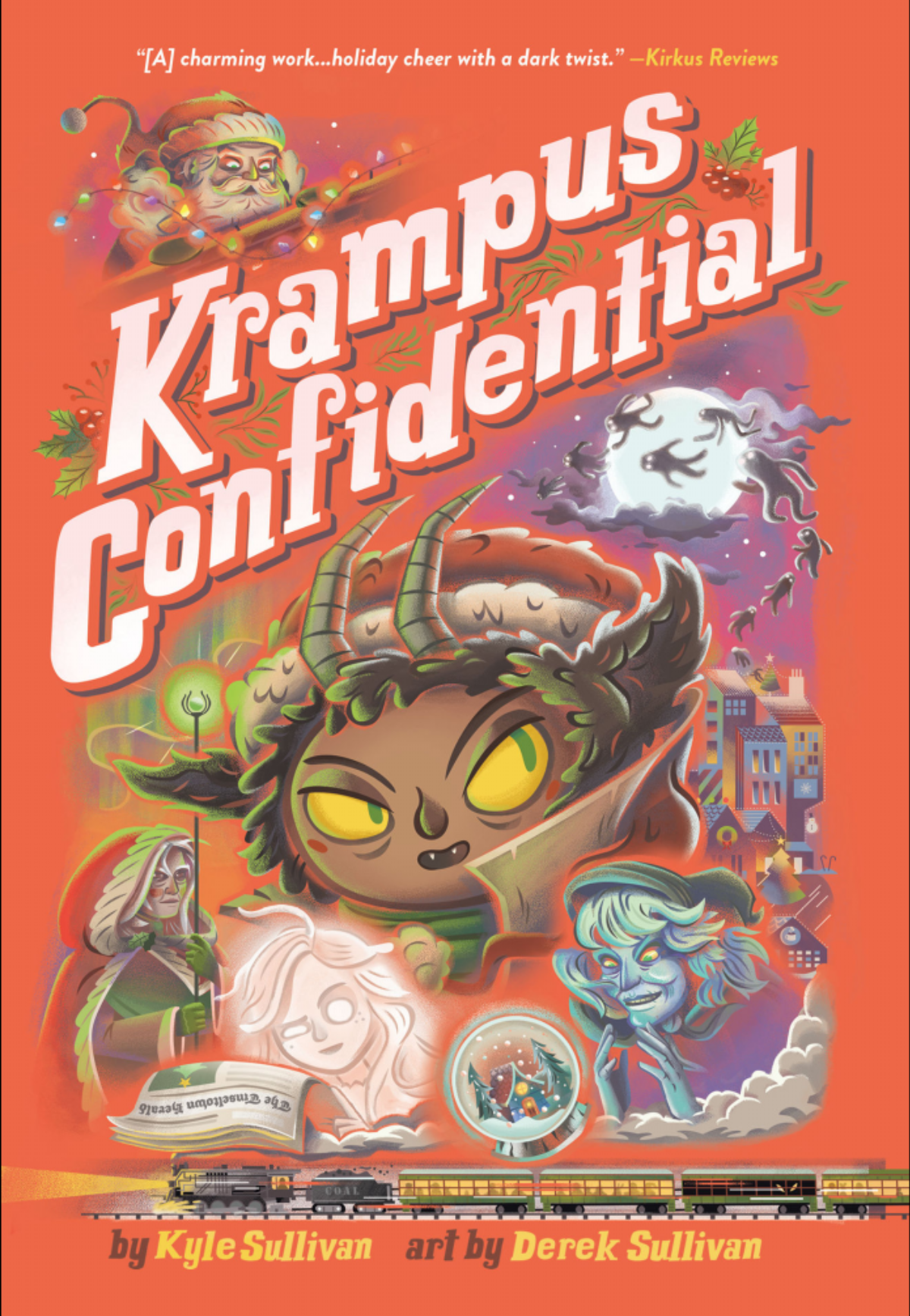
krampus confidential by kyle sullivanThank goodness for fantastic middle grade novels. December has been a little rough to say the least, so the escapism these books provide has been a welcome relief. ⠀

Krampus Confidential by Kyle Sullivan follows amateur sleuths Ruprecht (a Krampus) and Marley (a ghost, natch) as they take on a case brought to them by a particularly terrified elf. Hijinks ensue, and Ruprecht soon finds himself on the sights of both the Tinseltown police and the festive city’s surprisingly seedy underbelly. ⠀

This is a charming, clever story full to the brim with imaginative concepts and waggish, witty wordplay (the Christmas puns — they are copious). Artist Derek Sullivan supplies a lot of the atmosphere through his illustrations, which are liberally dispersed throughout the book. I really like his style. It brought to mind the work of Mary GrandPré. Thoroughly enjoyed this hazy fable. Had a tremendous amount of fun with it.⠀

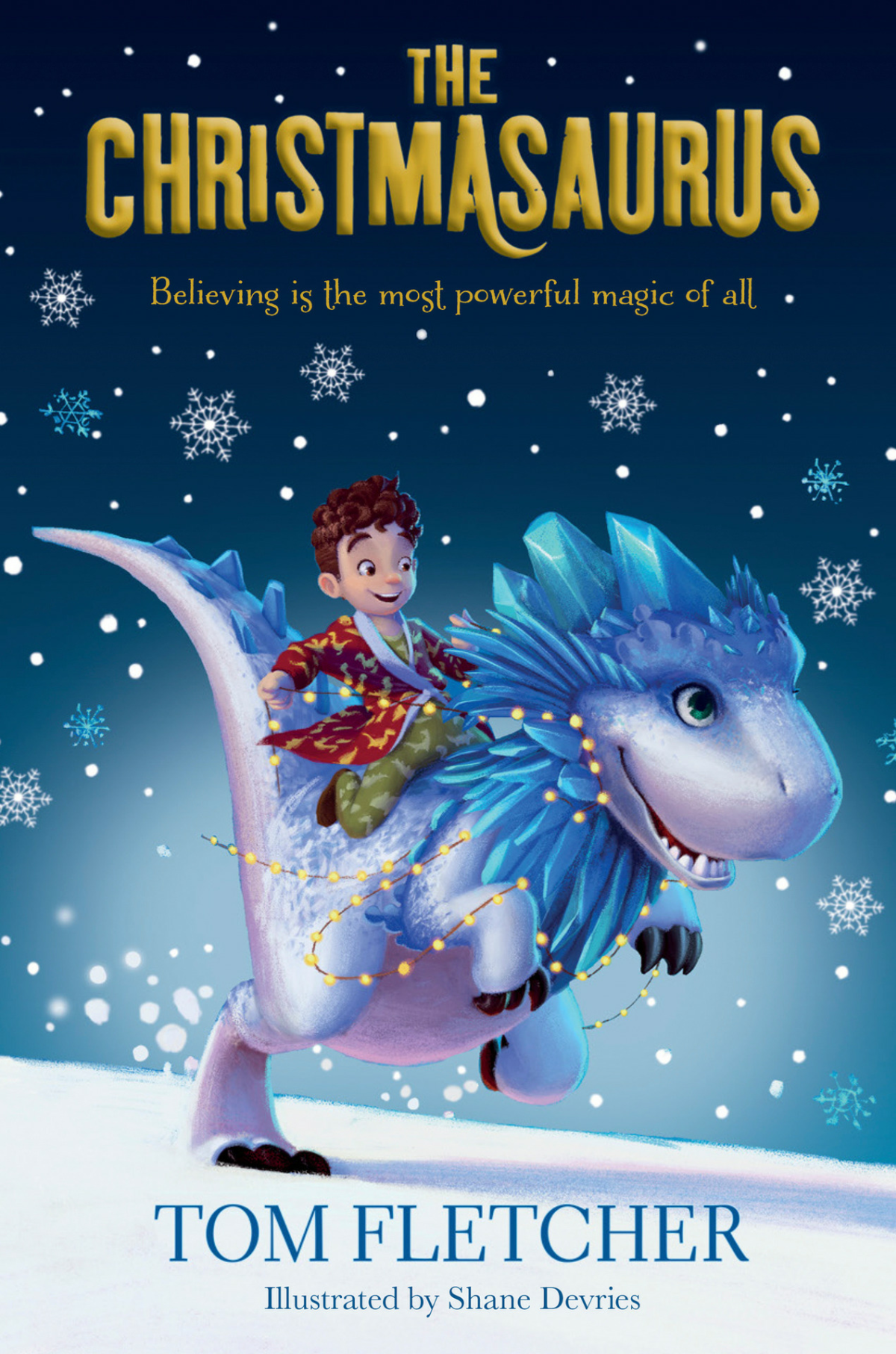
the christmasaurus by tom fletcherTom Fletcher’s The Christmasaurus is another highly imaginative beast, following the magical misadventures of a dinosaur born in the North Pole and his budding friendship with a lonely boy. Like Confidential, it is full of fanciful notions and whimsical wordplay. It turned out to be a bit much for me, though. One of my notes fusses over the sheer amount of alliteration scattered throughout, which given my usual enthusiasm for assonance, says rather a lot. But the book does skew terribly young, so it’s also simply a matter of not connecting with the story enough. I bet this would make a fantastic read-aloud, though.⠀

I did really enjoy some of the characterization. William is a lovely protagonist, wistful and kind without coming off as mawkish. He is a wheelchair user, and Fletcher did an admirable job depicting that aspect in a mindful, unassuming sort of way. I also liked artist Shane Devries’ depiction of Santa here, jubilant and gloriously fat, sporting stylish shaved sides as well as a man bun adorned with pins made out of frost. It’s a totally extravagant look and I was very into it.⠀

Always got to appreciate the books that shine so bright they help guide you out of the doldrums.

FINLAY DONOVAN IS KILLING IT by Elle Cosimano

finlay-donovan-is-killing-it-by-elle-cosimanoFinlay Donovan’s life is a bit of a mess at the moment. There’s the impending divorce from her cheating husband, for one, an already complicated situation made messier by the threat of a custody battle for their children over Finlay’s fickle finances. An author of romantic thrillers, she’s nearing the end of a contract for a book she has not even begun to write, the advance of which has long been spent, and the bills keep on piling up.

And that’s all before a frantic meeting with her agent leads to Finlay being mistaken for a hit woman by someone willing to pay an absurd amount of money for her presumed services. Finlay initially balks at the offer, but her overwhelming situation leads her to reconsider, setting off an explosive chain reaction that will have the struggling suspense writer live through a veritable thriller full of dead bodies, hidden identities, cops, and the local mafia.

○○○

A particular peeve of mine is when thrillers begin slowly. It just seems contrary to the genre. I’m all for a slow burner of a story, but more often than not I enjoy when these stories embrace their pulp roots and just start with a veritable bang.

So I knew I was going to have fun with Elle Cosimano’s Finlay Donovan Is Killing It when, by page ten, we already know not only the status of the protagonist’s relationships but also her occupation, her finances, her ex’s love life, and her mostly harried, hectic lifestyle caring for two tireless toddlers. By the second chapter we’re already well into the whole conceit of the plot. Two chapters after that, we have a dead body, and then we’re off to the criminal races. Cosimano came here to tell a story damn it there’s no time to waste. Pulp roots, I tell you.

The first half of this book is essentially an excellent exhibit of economics and exposition. Finlay is nothing if not a chaotic character, and Cosimano immediately puts us right in that tumultuous headspace by taking us on a whirlwind ride through her protagonist’s bewildering world — the better for us to accept this story’s wild, preposterous premise.

I admit to having a hard time suspending my belief for this narrative, which is my annoying wont for these types of stories — light mysteries/thrillers that aim for exhilaration over veracity. It took a viewing of Knives Out when I was halfway through this novel that, actually, its premise is no less ridiculous and unlikely as the one in that film, which I consider an all-time favorite. That slight change in perspective helped me accept the story for what it was. And honestly, is it really that far-fetched to think that a Type A personality like Finlay would totally go for this type of scheme? “My life is already absurd — might as well go into the assassination business.”

I enjoyed Cosimano’s characterization. She’s consciously dealing with a lot of stock characters — the amateur sleuth and the intrepid companion, the hunky cop, the international villain — but she writes them with enough mettle that they don’t feel too plain or generic. I particularly loved Finlay’s friendship with Vero, her no-nonsense nanny-cum-accountant, which is sweet and touching in its own morbid sort of way. Get you a friend who would help you bury a body, etcetera.

The aforementioned pace does unfortunately dwindle some about halfway through the story, making the middle chapters a bit of a slog to get through. It picks up again once the third act kicks in, although it never really quite regains the momentum of its opening chapters. A shame, but a minor complaint all in all. I had fun with Finlay, and would definitely check out whatever antics she and her crew get into next.

BAGS (OR A STORY THEREOF) by Patrick McHale, Gavin Fullerton, Whitney Cogar

bags-(or-a-story-thereof)-by-patrick-mchale,-gavin-fullerton,-whitney-cogarHere’s a book that I didn’t get to cover on Hallowe’en. Mostly because I forgot. October is kind of a lot.

BAGS (or a story thereof) is the graphic novel adaptation of a short novel written by Patrick McHale, a few years before he started working on Over the Garden Wall. Unable to land animation gigs, he woke up one day and decided to write a novel. He gave himself one week, because he thought that was how it was done. He barely edited. He did his own illustrations. He had it printed and sold it on Etsy for a while. Then came artist Gavin Fullerton who thought it’d be fun to adapt the short work in comic form, to which McHale said, “Sure why not?”

Thusly: BAGS, which tells the story of one John Motts, an everyman sort of figure who, after losing his doted on dog, embarks on a humble odyssey that will take him across his familiar town, the surrounding forests, and beyond, encountering along the way corrupt cops, talking walruses, and, not least, the devil.

This is a surreal take on the hero’s journey. A story that is aware of its own absurdity and indeed relishes and thrives in it. If you’ve ever seen the by-now classic Over the Garden Wall miniseries, the more dreamlike elements of that story can give you a hint of the weirdness that is contained within the bags of this tale. McHale’s writing is at times poignant and poetic, and at others purposefully simplistic and nonsensical. This style is reflected in Fullerton’s own art by contrasting the stark realism of his backgrounds and other characters with John’s distinctly cartoonish veneer, appearing as he does like a mix between Charlie Brown and Chris Ware’s Jimmy Corrigan.

The art is further complemented by the contribution of colorist Whitney Cogar, who has also done work on the Garden Wall comics. She gives the book a classic, timeless feel by going with a style that simulates the four color printing process prominently used in the early days of comic books (complete with Ben Day dots).

I liked BAGS quite a bit. Mainly because it felt like nothing else I’ve read in a long while. It’s quirky and offbeat, but also lacking any pretense. It’s totally sincere, which makes it surprisingly moving. It’s hard to hate a lost dog tale, anyway, and this one is no different in that regard.

HALLOWEEN PARTY by R.L. Stine

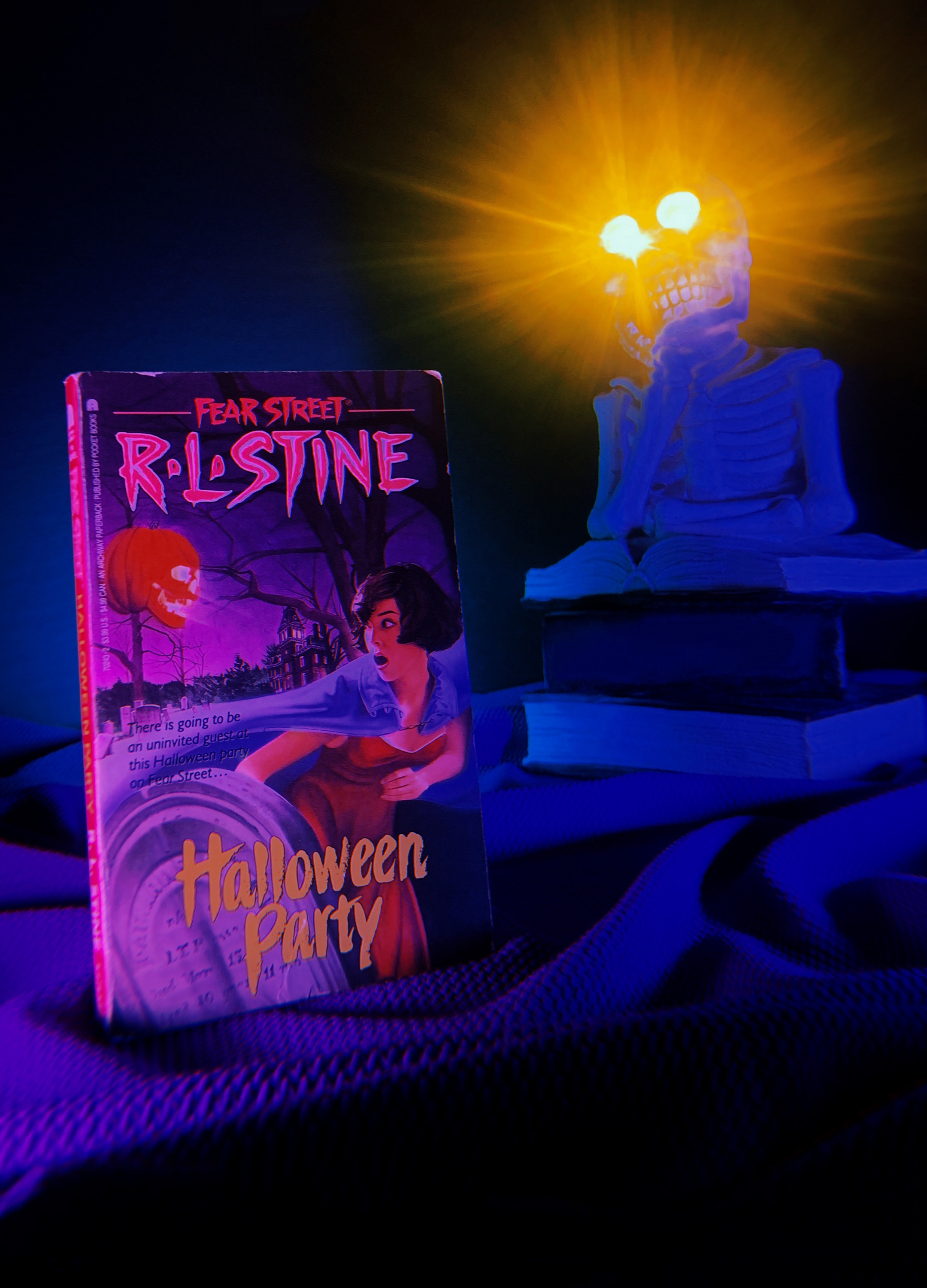
blog - halloween party by r.l. stineThey all received the same black-bordered envelope. Inside was an invitation to a Hallowe’en party to be thrown by Justine, the newest new girl at Shadyside High. She and her uncle have just moved into their old family mansion at the end of Fear Street, and what better setting for an All Hallows’ Eve celebration? Couple Terry and Niki are among the invited, but quickly begin to question the motives behind the bash. Why have only nine people been invited? And why invite a group of people who barely share anything in common with one another? They go to the party, regardless, hoping to get some answers. They get more than they bargained for when the body of a fellow reveler turns up with a carving knife sticking straight out of his chest….

🎃

I honestly could not think of a better way to finish off the spook season than with a Fear Street book. And what could be more fitting than going for the one titled Halloween Party?

This is technically my first proper Fear Street! I started reading the series this summer, as part of my whole Summer Spooks deal, but none of the books I read were actually 𝘴𝘦𝘵 on the titular street. This one most definitely is, though, and it’s a whole different vibe.

I had a lot of fun with it. It’s trashy and schlocky and totally appropriate for the day. It also surprised me by including a fair bit of deaf representation. In a young adult book! From the ‘90s! It’s not perfect, needless to say, but still — you go, Stine. Niki is a certified badass of a character. 

Hallowe’en has long been my favorite time for reading, and I always have a blast delving into the spookier side of my library. It’s sad that the season has come to an end, but as Niki points out towards the end of the party: “It’s always Halloween on Fear Street.”  ⠀

𝕳𝖆𝖑𝖑𝖔𝖜𝖊’𝖊𝖓 𝖎𝖘 𝖊𝖙𝖊𝖗𝖓𝖆𝖑, in other words. 

I hope you all have a good one.

PUMPKINHEADS by Rainbow Rowell, Faith Erin Hicks

blog - pumpkinheads by rainbow rowell, faith erin hicksAnother Hallowe’en. Another year of reading this graphic novel. Another year of me gushing about this book. You probably know the drill by now.

🎃

This is my third year reading Pumpkinheads, the exceedingly charming graphic novel by Rainbow Rowell and Faith Erin Hicks (with colors by Sarah Stern). The last couple of times I’ve picked it up at the very start of the Hallowe’en season, feeling its lighthearted tone and quintessentially fall vibes made for a perfect way to kick off October. This time around I opted to wait until the end of the month, for no reason other than that is when the story is set and it felt right. As the weeks passed, I found myself anxious to fall back into it, but it was absolutely worth the wait. Reading this graphic novel feels like a homecoming now. Like catching up with friends you haven’t seen in over a year. 

Josie and Deja, our preposterously beautiful protagonists, certainly feel like friends. I always finish this story wanting to read more about them. Rowell ends the story hinting at a Christmas reunion, and hopefully that’s more than a throwaway line and is actually in the cards because that’s something I would desperately want.

The autumn ambiance artists Hicks and Stern have illustrated define the season for me now. The images and colors they conjured up are what I see whenever I think of this time of year. Quite the feat seeing as how I live in a place with no proper fall.

Lastly, this book just makes me cry. “October means you,” never fails to hit me like a bag of bricks. 

Pumpkinheads is not remotely spooky. It’s all heart and mush and feelings, instead — notions not traditionally associated with the Hallowe’en month. But it means October to me, still.